
From Experimental Stages to the Sundance Spotlight: Liz Sargent on Her Personal Feature Debut, Take Me Home
By Lucy Spicer
Enriched & Expanded Editorial Feature
Main Facts: A Breakthrough at the 2026 Sundance Film Festival
The Sundance Film Festival has long served as a vital launchpad for independent storytelling, offering audiences a front-row seat to the future of cinema. At the 2026 U.S. Dramatic Competition, one of the most anticipated and profoundly personal entries is Take Me Home, the feature-length directorial debut of writer-director Liz Sargent.
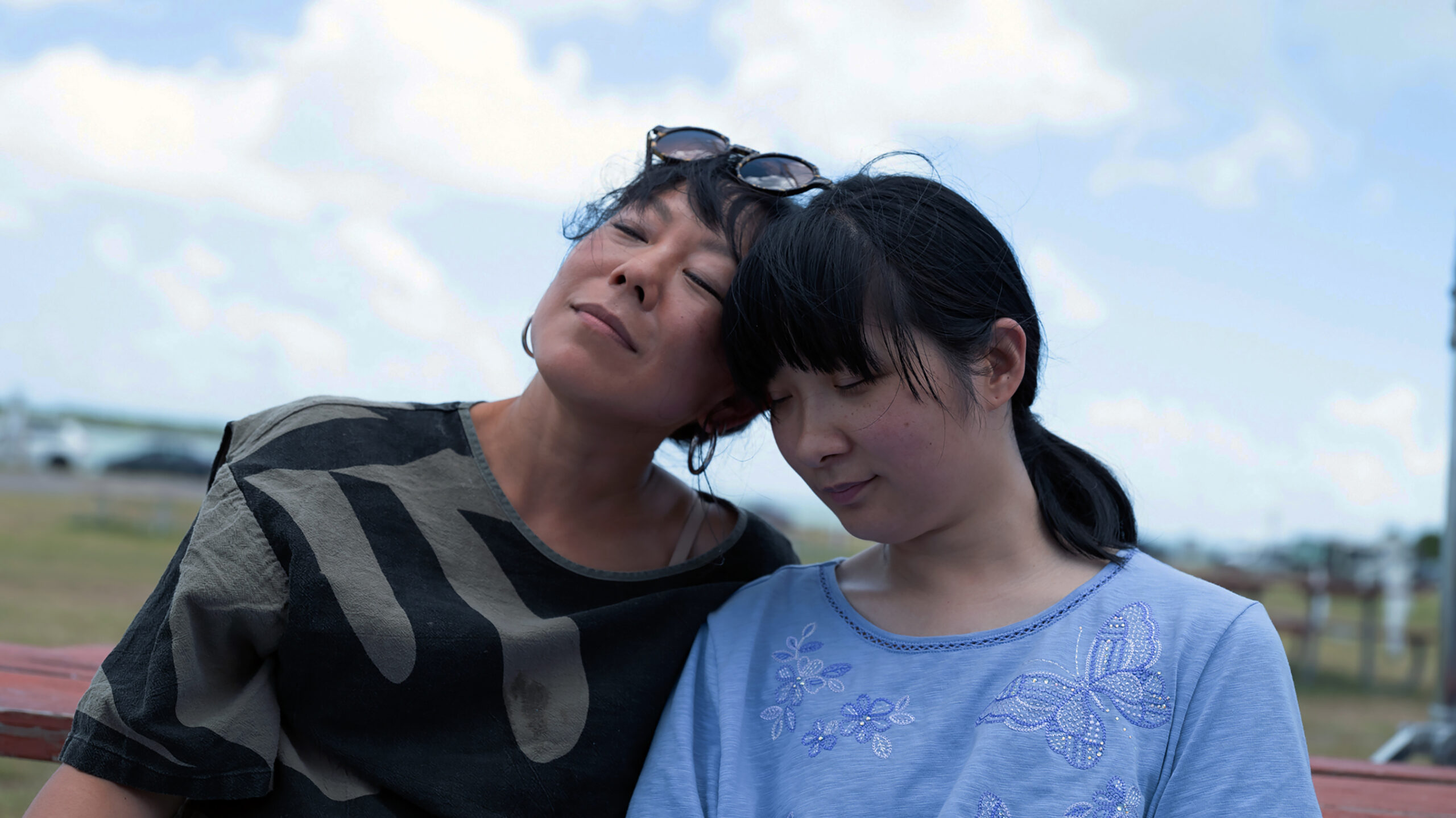
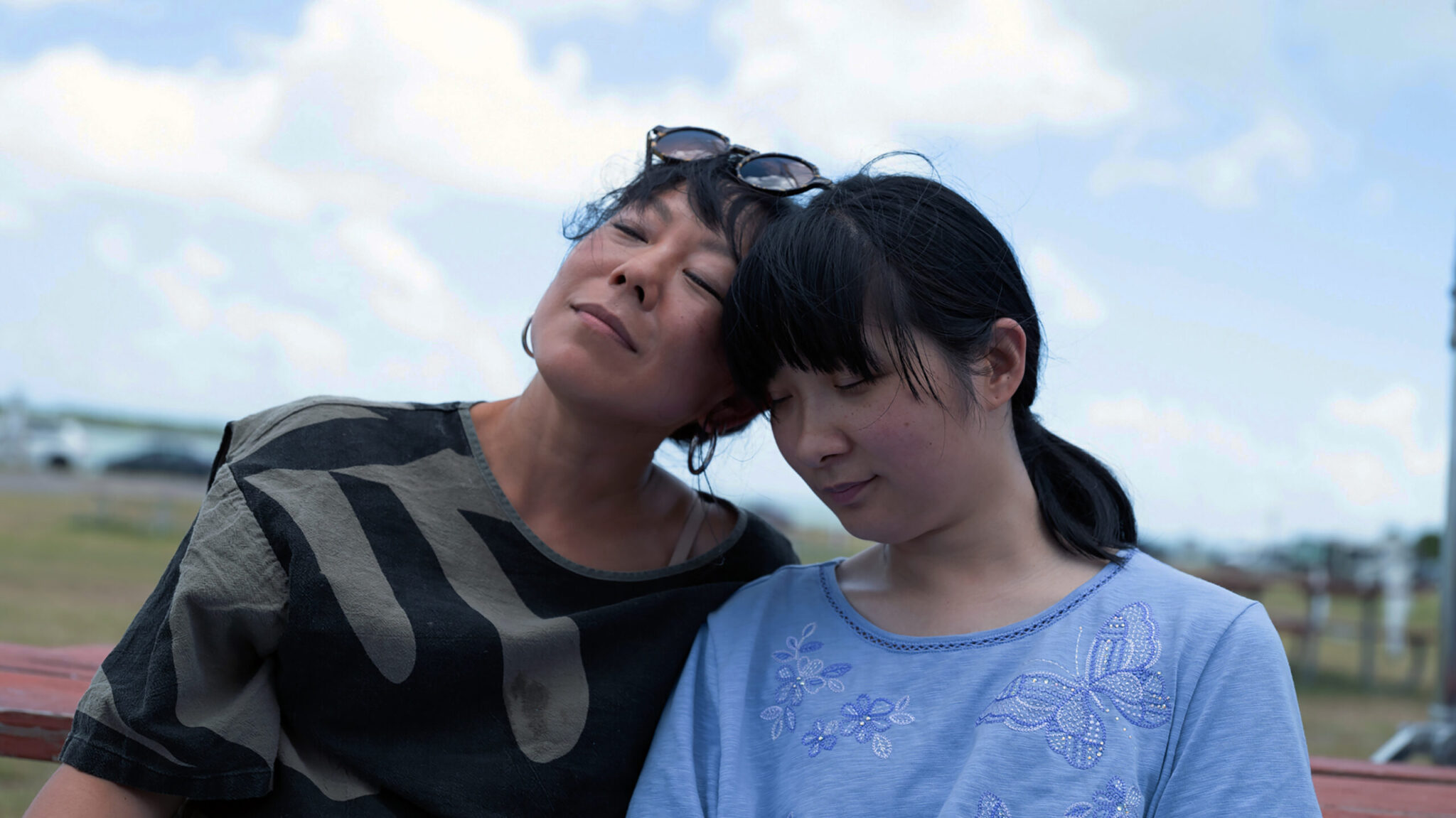
Expanded from a critically acclaimed proof-of-concept short film that premiered at the 2023 Sundance Film Festival, Take Me Home tackles the deeply complex realities of family caregiving, the healthcare bureaucracy, and the lived experiences of individuals with cognitive disabilities. The film centers on Anna—a 38-year-old Korean adoptee with a cognitive disability—who navigates the mounting responsibilities of caring for her aging parents. Crucially, the role of Anna is played by the director’s real-life sister, Anna Sargent, marking a rare and monumental cinematic achievement: a major motion picture anchored by a lead actor with a cognitive disability.
Shot primarily in her parents’ family home, Sargent’s film weaves personal history with universal themes. Far from a standard indie drama, Take Me Home challenges the film industry’s conventional casting practices while holding up a mirror to a fractured American healthcare and support infrastructure.
Chronology: From Modern Dance to the Silver Screen
Liz Sargent’s path to the director’s chair was unconventional. She did not follow the traditional trajectory of attending film school. Instead, her early creative foundations were forged in the demanding, ethereal worlds of modern dance and experimental theater.
"News flash: There is not a huge audience for modern dance or experimental theater. It is hard, ethereal work," Sargent explains. Realizing that she wanted to reach a broader audience and engage in a timeless conversation about the values and questions she held dear, she pivoted to filmmaking.
The evolution of Take Me Home spans several key milestones:
- The Foundational Years: Growing up as the middle child in a large family of 11 children—four biological and seven adopted (six from Korea, several with disabilities)—Sargent developed an intimate understanding of symbiotic caregiving, family dynamics, and systemic gaps.
- The 2023 Sundance Film Festival: Sargent introduced audiences to her world via a proof-of-concept short film sharing the same name and core emotional DNA.
- The Writing Process: Initially conceived as a cathartic diary entry born from anxiety over her sister’s future, the script shifted its narrative lens to prioritize Anna’s unique perspective, wit, and emotional depth.
- The 2026 Sundance Film Festival: Take Me Home world-premiere in the prestigious U.S. Dramatic Competition, bringing years of personal labor, community-building, and artistic risk-taking to a global stage.
Supporting Data & Production Insights: Building a Set Around Humanity
Making Take Me Home required a complete reimagining of traditional film set logistics. Because lead actor Anna Sargent has limited short-term memory, the production required a collaborative, patient environment tailored to her strengths and needs.
Tailored Rehearsals and Flexible Directing
Acting coach Terra Mackintosh designed bespoke rehearsals to help Anna grasp the emotional dynamics of each scene. Meanwhile, the autobiographical nature of the script provided a natural shorthand for her relationships with co-stars like Ali Ahn, who played her sister, Emily.
Sargent describes Ahn’s performance as "gymnastics," noting how Ahn offered a shifting emotional range in every take to guide Anna’s responses. "What was incredible was that Anna was so deep in the moment that she suddenly recalled the beats from the script and nailed the scene," Sargent recalls. "These moments of pure resonance were incredible to watch, bringing tears to crew members at the monitor."
The "Frat Boy at Heart" Anecdote
Production was not without its logistical hurdles, including severe weather disruptions. During one lightning storm that paused shooting, the crew huddled in a home while Anna was stranded at base camp—a church community room—with actor Shane Harper and the actors playing his party friends.
The group ended up playing hoops and shooting games in the youth room. "Long story short, we realized Anna is a frat boy at heart—these are her people!" Sargent laughs. When shooting resumed that night, Anna’s comfort and confidence translated into an electric, unforgettable screen presence.

Official Responses and Creative Philosophy
Sargent’s reflections on the production underscore a broader philosophy regarding disability representation in media. She views inclusive casting not merely as a moral or creative choice, but as a practical and artistic advantage.
"Expanding the industry’s idea of who gets to lead a film isn’t just a creative choice; it’s a practical, human one," Sargent asserts. "When we build a set and a process around an actor like Anna — when communication, pacing, and expectations shift to meet her where she is — we see that the work becomes richer. If Take Me Home leaves any lasting message, I hope it’s that making space for people who think, speak, and move through the world differently isn’t charity — it’s an artistic advantage. It’s good storytelling. And it’s good business."
Sargent also speaks candidly about the concept of the "dignity of risk"—affording disabled individuals the space to try new things, face challenges, and experience success or failure beyond lowered expectations. Participating in the film profoundly impacted Anna, fostering visible growth in her independence, language skills, and leadership.
When asked about her creative heroes, Sargent points to auteurs like Chloé Zhao, Kelly Reichert, and Yoko Ono. Her cinematic touchstone from the Sundance canon is Lee Isaac Chung’s Minari, a film that similarly interrogates the American Dream and speaks across cultures with universal emotional resonance.

Implications: The Urgent Reality of Caregiving in America
Beyond its artistic triumphs, Take Me Home addresses a pressing socio-economic reality across the United States. It sheds light on working-class and lower-middle-class households—particularly in stretched communities like those in Florida—that lack an adequate roadmap or institutional support for long-term caregiving.
Sargent highlights the invisible labor carried out by the "sandwich generation," balancing the needs of aging parents and disabled siblings without systemic safety nets. By framing Anna not merely as someone with a disability, but as a multi-dimensional Asian adoptee, sister, and central force of the narrative, the film demands a broader cultural shift in empathy and policy.
Ultimately, Take Me Home concludes with an invitation to imagine a better, more equitable world. In an era marked by systemic anxiety and institutional exhaustion, Sargent’s deeply personal feature debut offers a radical thesis: that true cinematic innovation begins by making space for the stories, faces, and human complexities we have historically overlooked.
