
Justice Served Three Decades Later: The Sentencing of Duane "Keffe D" Davis in the Murder of Tupac Shakur
Introduction: The Closing of a Cold Case
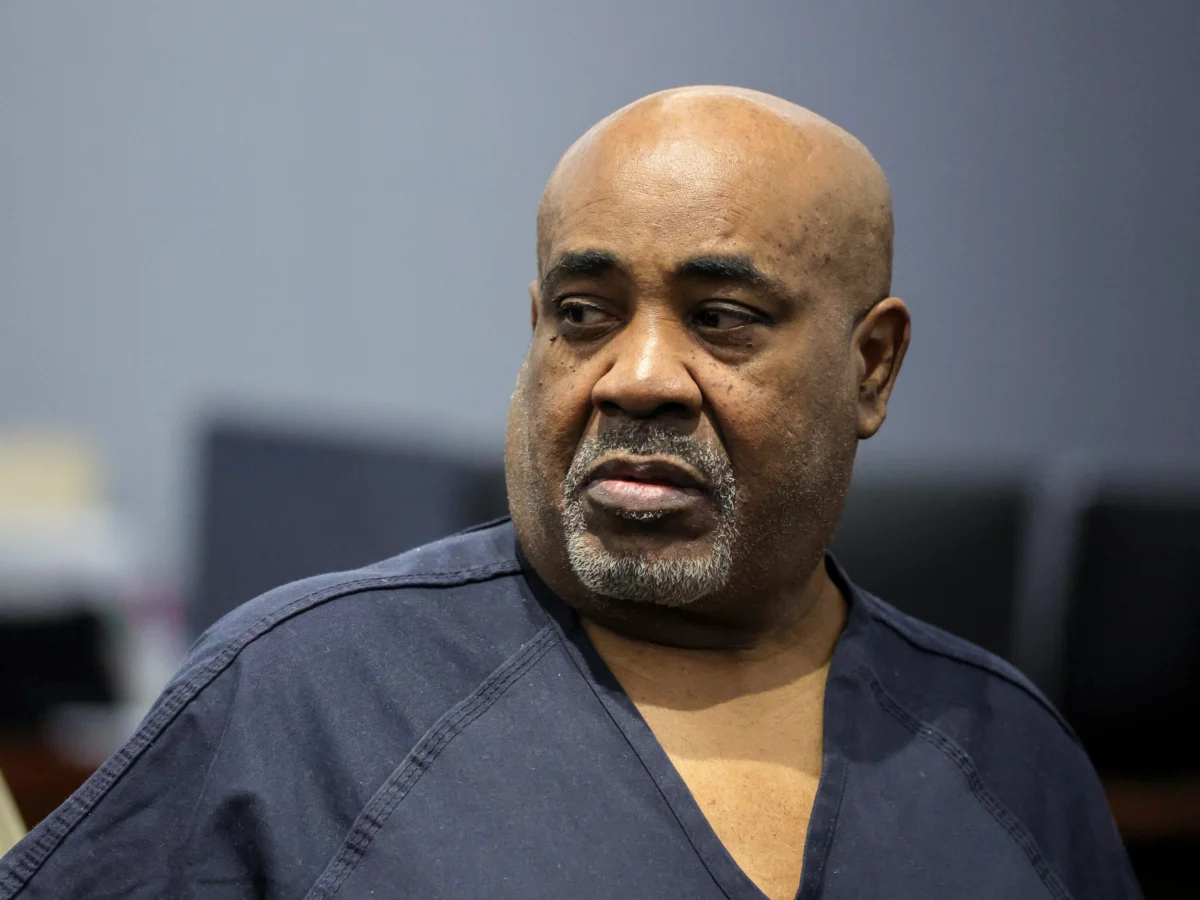
In a landmark development that marks the end of one of the most haunting mysteries in the annals of American pop culture, Duane "Keffe D" Davis has been sentenced to 40 years to life in prison. The verdict, delivered this Tuesday, arrives more than 30 years after the tragic drive-by shooting that claimed the life of hip-hop icon Tupac Shakur on the Las Vegas Strip. Davis, a former leader of the Southside Crips, stands as the first and only individual to be convicted in connection with the 1996 murder, bringing a definitive—if long overdue—legal conclusion to a crime that redefined the music industry.
While the legal proceedings focused on Davis’s role as the "shot caller" rather than the man who pulled the trigger, the sentencing underscores a pivotal moment for law enforcement and the family of the late rapper. The case, which remained stagnant for decades, was finally cracked through a combination of evolving forensic technology, renewed investigative vigor, and the defendant’s own brazen admissions in the years preceding his 2023 arrest.
Chronology of a Tragedy and the Long Road to Justice
The Night in Las Vegas (1996)
On September 7, 1996, Tupac Shakur was riding in the passenger seat of a black BMW driven by Death Row Records CEO Marion "Suge" Knight. Following a high-profile boxing match between Mike Tyson and Bruce Seldon at the MGM Grand, the entourage was halted at a red light near the intersection of East Flamingo Road and Koval Lane. A white Cadillac pulled alongside them, and a hail of gunfire erupted. Shakur was struck multiple times and succumbed to his injuries six days later at the University Medical Center of Southern Nevada.
The Decades of Stagnation
For years, the investigation into Shakur’s death was hampered by a "code of silence" prevalent in the gang subculture and the volatility of the mid-90s East Coast/West Coast rap war. Despite persistent rumors, no arrests were made, and the case became a symbol of systemic failure within the Las Vegas Metropolitan Police Department.
The Turning Point: Admissions and Arrest (2019–2023)
The turning point in the case came from an unlikely source: the defendant himself. In 2019, Davis published a memoir detailing his life as a gang leader and his involvement in the events surrounding the murder. In the book, and in various interviews, Davis openly claimed to have been in the vehicle and asserted that he provided the weapon used to kill Shakur.
These statements became the backbone of the prosecution’s case. In 2023, law enforcement finally moved to arrest Davis, arguing that his own words provided the necessary evidence to link him to the conspiracy, regardless of whether he was the primary gunman.
Supporting Data: The Case Against the "Shot Caller"
The Weight of a Memoir
The prosecution’s strategy relied heavily on the concept of "conspiracy." Under Nevada law, one does not necessarily have to pull the trigger to be found guilty of murder if they played a critical role in orchestrating the act. The defense team attempted a desperate maneuver during the trial, arguing that Davis was essentially a braggart who fabricated his involvement to secure notoriety and book sales.
"It was all bullshit," Davis’s lawyers famously argued, attempting to discredit his own written account as a marketing ploy. However, the jury remained unconvinced, viewing his public admissions as a reflection of reality rather than fiction. Davis, in a subsequent interview with The Hollywood Reporter, doubled down on his defense, claiming, "I never read that book," and maintaining, "I’m not no fucking killer."
The Gang Rivalry Nexus
The murder of Tupac Shakur was not an isolated incident; it was the apex of a violent cultural conflict. The rivalry between Death Row Records—led by Suge Knight and aligned with the Bloods—and Bad Boy Records—fronted by Sean "Diddy" Combs and linked to the Crips—created a powder keg of violence. Davis’s testimony had previously implicated high-profile industry figures, including the allegation that Combs had offered a $1 million bounty for the death of the rapper.
Official Responses and the "Diddy" Connection
The intersection of Davis’s case with the broader narrative of industry violence has kept the public’s attention fixed on other major figures. Sean "Diddy" Combs, currently incarcerated on separate federal charges and recently treated for a head injury while in custody, has consistently and vehemently denied any involvement in the 1996 hit.
When confronted about these claims following his conviction, Davis’s stance shifted. In an exclusive interview with The Hollywood Reporter, he walked back the explosive accusations against Combs, admitting that the $1 million offer never materialized. When pressed on whether he had any message for the embattled mogul, Davis appeared desperate, stating, "Help me out in here. Look out for my family."
Implications: A Culture Re-examined
The Legacy of Tupac Shakur
Tupac Shakur was more than just a rapper; he was a poet, an activist, and a cultural touchstone whose influence has only grown in the decades since his passing. His death left a void in the hip-hop community that has never been filled. The sentencing of Davis serves as a grim reminder of the cost of the gang-affiliated lifestyle that dominated the industry in the 1990s.
Accountability and the Criminal Justice System
The conviction of Keffe D highlights the shifting landscape of cold-case investigations. Modern prosecutors are increasingly leveraging digital footprints, social media activity, and published works to secure convictions that were previously impossible due to witness intimidation. This case sets a precedent: even after 30 years, a criminal’s own legacy—if documented—can become the instrument of their undoing.
The Future of the Investigation
While Davis has been sentenced, the question remains: does his conviction close the door on all involved parties? The investigation into the murder was notoriously complex, involving multiple individuals in the white Cadillac. While Davis was the "shot caller," many observers hope that this verdict encourages further transparency regarding others who may have been complicit in the operation.
Conclusion
The sentencing of Duane "Keffe D" Davis to 40 years to life is a moment of profound significance. It closes the longest-running chapter of uncertainty in hip-hop history. For the family of Tupac Shakur, the legal system has finally provided a measure of accountability for a life cut short in its prime. As Davis prepares to spend the remainder of his life behind bars, the industry and the public are left to reflect on the era that birthed such violence—a time when the lines between art, rivalry, and crime were blurred with fatal consequences.
Justice may have taken three decades to arrive, but for those who have followed the saga of Tupac Shakur, the gavel finally falling on Keffe D represents a necessary, albeit late, conclusion to a tragedy that shook the world. The echoes of that night on the Las Vegas Strip will continue to resonate, but the legal mystery of who authorized the hit has, at long last, been resolved.
