
Scaling New Heights: Rebekka Karijord’s Sonic Journey for the Biographical Drama ‘Tenzing’
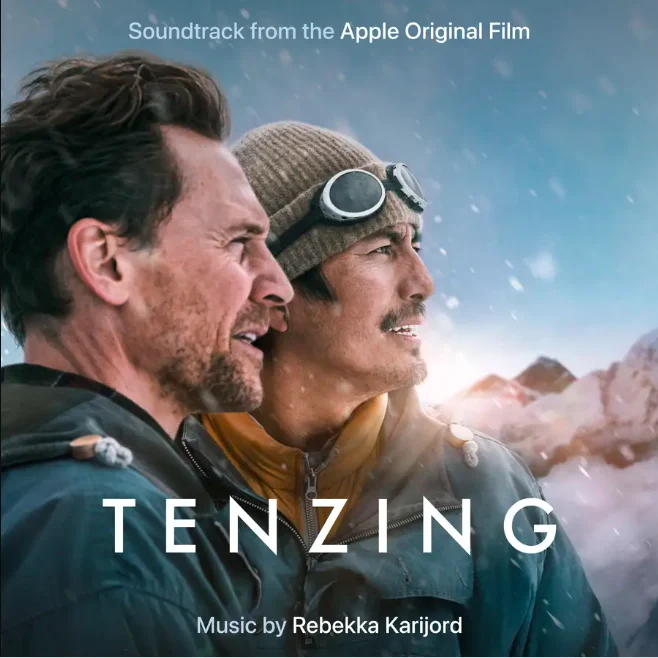
As the cinematic world turns its gaze toward the formidable peaks of the Himalayas, the biographical drama Tenzing has emerged as one of the most anticipated releases of the year. Beyond its star-studded cast and its gripping retelling of one of history’s greatest mountaineering feats, the film is anchored by a haunting and evocative original score composed by the acclaimed artist Rebekka Karijord. Milan Records has officially announced the digital release of the soundtrack, which arrives tomorrow, October 9, offering audiences a chance to immerse themselves in the musical landscape of the world’s tallest mountain.
Main Facts: The Intersection of History and Sound
Directed by Jennifer Peedom—a filmmaker noted for her intimate and visceral understanding of the mountains—Tenzing chronicles the extraordinary life of Sherpa mountaineer Tenzing Norgay. The film provides a long-overdue focus on the man who, alongside Edmund Hillary, became the first person to reach the summit of Mount Everest in 1953.
The score, composed by Norwegian-born, Stockholm-based composer Rebekka Karijord, serves as the emotional heartbeat of the film. Known for her work on projects such as I Am Greta, All the Old Knives, and the documentary Songs of Earth, Karijord brings a unique sensibilities to Tenzing. Her approach to the film’s music is not merely atmospheric; it is narrative. By blending traditional Himalayan motifs with a contemporary cinematic orchestral palette, she mirrors the internal and external climb that defined Norgay’s life.
The film features a powerhouse ensemble cast, including Genden Phuntsok in the title role, alongside Tom Hiddleston, Willem Dafoe, Caitríona Balfe, Thinley Lhamo, and Tenzin Dalha. Written by acclaimed screenwriter Luke Davies, the screenplay delves into the cultural significance of the climb, the physical toll of the ascent, and the quiet, stoic dignity of the man who stood at the top of the world.
Chronology: From Telluride to the Global Stage
The journey of Tenzing to the screen has been a meticulous process of historical research and artistic collaboration. Following its highly successful premiere at the prestigious Telluride Film Festival earlier this year, the film has generated significant critical buzz, particularly regarding its immersive sound design and visual storytelling.
The release strategy for Tenzing is structured to build momentum across platforms:
- October 9: The official digital soundtrack, featuring 24 tracks by Karijord, becomes available on all major streaming and download platforms.
- October 9: The film makes its theatrical debut in select cinemas, allowing audiences to experience the scale of the Himalayas on the big screen.
- October 16: The film makes its high-profile streaming debut on Apple TV, positioning it for a global audience just one week after its theatrical opening.
This staggered release underscores the studio’s confidence in the film’s appeal, bridging the gap between traditional prestige cinema and the modern accessibility of streaming services.
Supporting Data: The Anatomy of a Soundtrack
Rebekka Karijord’s score for Tenzing is a complex tapestry of sound. The 24-track album is a testament to the composer’s ability to build tension through minimalism and release it through sweeping, melodic crescendos. Below is the tracklist for the official release:
- Chomolungma (2:39)
- Tenzing’s Theme I (2:42)
- Exile (3:07)
- Kathmandu (1:19)
- Meeting Dawa (1:46)
- The Memory (1:31)
- The Ascent (2:24)
- Khumbu Icefall (4:05)
- The Crevasse (2:26)
- Bones and Blood (1:41)
- Mr. Amazing (0:58)
- Turning Point (1:16)
- Praying to the Mountain (1:43)
- Family (1:25)
- Tenzing’s Theme II (2:00)
- He Returns Home (1:42)
- The Blizzard (1:37)
- Tenzing and Hillary (2:10)
- Hallucination (2:46)
- The Last Climb (2:44)
- Being Received (2:34)
- Top of the World (2:47)
- The Celebration (3:14)
- Chomolungma (End Credits Version) (3:18)
The track titles themselves reveal the narrative arc of the film—from the initial cultural setting in "Kathmandu" to the perilous physical geography of the "Khumbu Icefall," and finally, the triumphant, ethereal arrival at the "Top of the World."
Official Perspectives: The Director and the Composer
In discussions surrounding the film, Director Jennifer Peedom has emphasized the necessity of authenticity. Peedom, who has spent years documenting mountain culture, noted that the film was not intended to be a mere action-adventure flick, but a deep character study. She credited Karijord’s score for providing the necessary emotional weight to balance the vast, indifferent beauty of the mountain itself.
"Rebekka understands that the mountain is a character in this film," Peedom noted in a recent interview. "Her music gives the mountain a voice—sometimes a whispering, ancient voice, and sometimes a roar. It allows the audience to feel what Tenzing felt: the profound spiritual connection to Chomolungma."
For Karijord, the challenge was to create a sound that honored the Sherpa culture without falling into the trap of orientalist tropes. Her work involved extensive research into Himalayan folk instrumentation, which she then wove into her signature modern electronic-acoustic style. "I wanted the music to feel like it was carved from stone and ice," Karijord stated. "It had to be as cold as the blizzard and as warm as the bond between the climbers."
Implications: The Legacy of Tenzing Norgay
The release of Tenzing comes at a time when the legacy of Everest is being re-evaluated. For decades, the narrative of the 1953 expedition was dominated by the Western perspective of Edmund Hillary. By centering Tenzing Norgay, the film contributes to a necessary correction in historical discourse.
The soundtrack plays a pivotal role in this correction. By assigning Tenzing a recurring, evolving musical motif—"Tenzing’s Theme I & II"—the film ensures that the audience remains tethered to his perspective, his internal struggles, and his resilience.
Furthermore, the film’s distribution strategy—a blend of prestige theatrical releases and mass-market streaming—reflects a broader shift in the film industry. Tenzing is designed to be experienced in a cinema to appreciate the sheer scale of the cinematography and the depth of the sound mixing, yet it is also formatted to reach millions of homes via Apple TV. This ensures that the story of a man who changed mountaineering forever will reach a new generation of viewers, potentially altering the way the world perceives the "heroes" of the 20th century.
Conclusion
As the digital soundtrack for Tenzing prepares for release, listeners can expect more than just a collection of songs. They are being invited into a sonic expedition. Rebekka Karijord has crafted a score that serves as both a companion to the visual splendor of the film and a stand-alone testament to the endurance of the human spirit.
Whether one is a fan of high-altitude drama, a follower of contemporary film scores, or a history enthusiast, the music of Tenzing offers a profound entry point into the life of a man who, though he reached the literal top of the world, remained grounded by his culture, his family, and his mountain. With the film arriving in theaters and on streaming platforms in the coming days, the world is set to rediscover the name Tenzing Norgay—and through Karijord’s masterful composition, they will hear the mountain speak.
The soundtrack for Tenzing, composed by Rebekka Karijord, will be available on all digital platforms on October 9. The film Tenzing premieres in select theaters tomorrow and arrives on Apple TV on October 16.
