
The Future of Collegiate Broadcasting: Inside the University of Washington’s Cutting-Edge Sundodger Studios
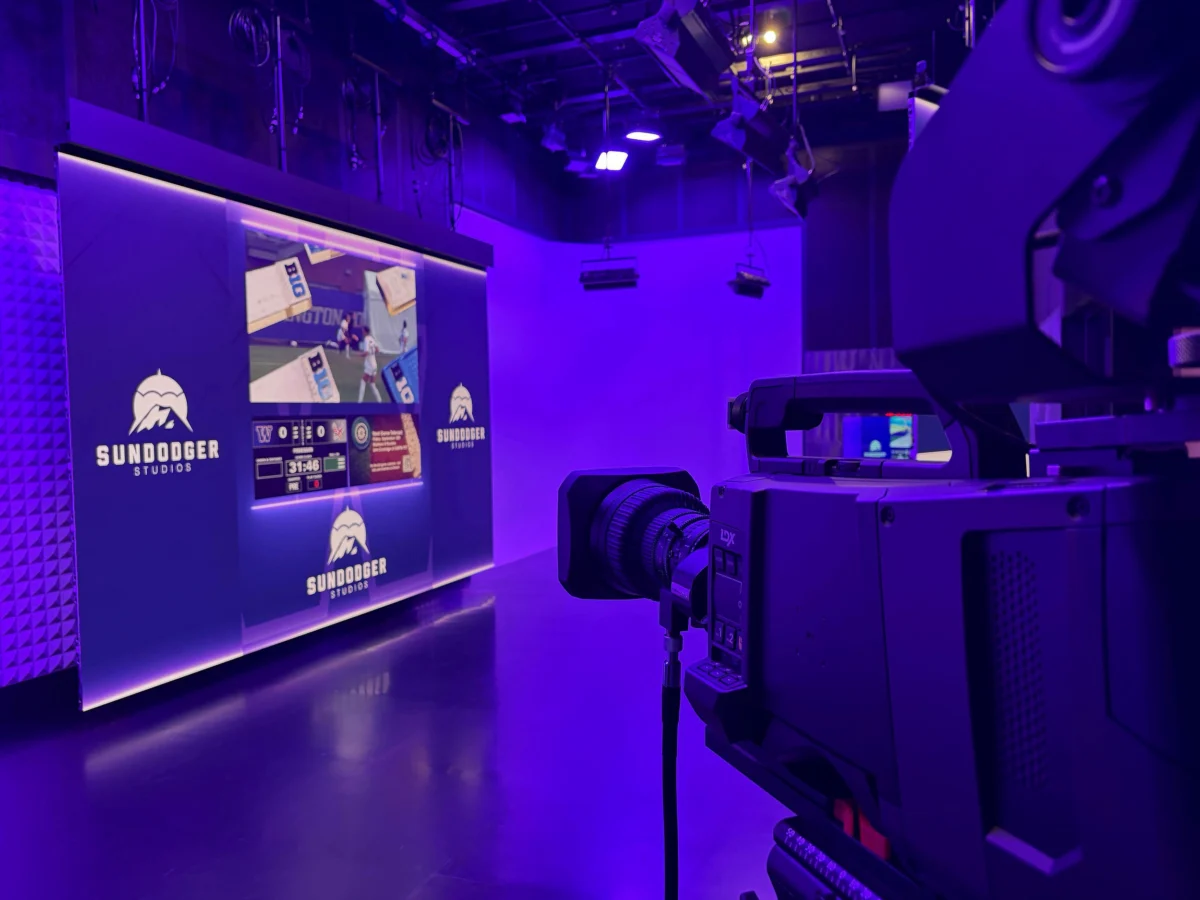
In an era where collegiate athletics are increasingly defined by high-fidelity, multi-platform digital engagement, the University of Washington (UW) has taken a monumental leap forward. With the unveiling of its new “Sundodger Studios,” the Big Ten Conference member has successfully transitioned from an aging, limited SDI (Serial Digital Interface) workflow to a state-of-the-art, SMPTE ST 2110 IP-based production infrastructure. By partnering with industry leaders Grass Valley, broadcast technology consultant Anthony James Partners (AJP), and systems integrator Conference Technologies, Inc. (CTI), the University of Washington is not only future-proofing its live event coverage but also creating a professional-grade training ground for the next generation of broadcast engineers and producers.
Main Facts: A New Benchmark for Collegiate Production
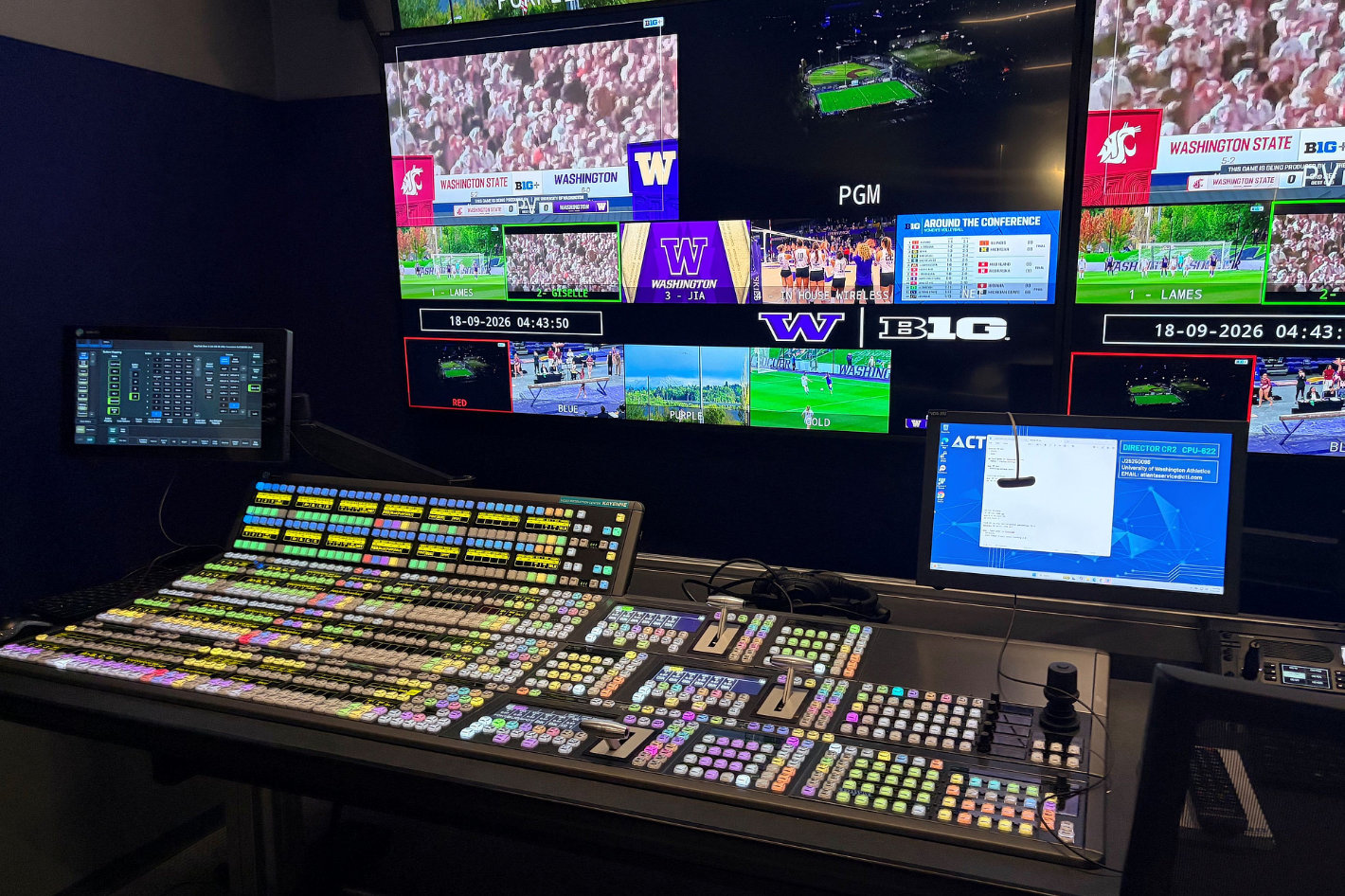
Sundodger Studios is designed to address the growing demand for simultaneous live sports coverage. At the heart of this facility lies a sophisticated IP-based network that supports 1080p, UHD (Ultra High Definition), and HDR (High Dynamic Range) workflows. The facility’s core processing power is anchored by two Grass Valley K-Frame SXP production switcher frames. These frames are cleverly partitioned to serve four distinct control rooms, allowing the university to manage multiple live events—such as soccer, volleyball, and basketball—at the same time without hardware contention.
The camera complement is equally impressive. The installation features a mix of ten high-performance Grass Valley LDX Series cameras, including native UHD capture and high-speed units capable of 3x and 6x super-slow-motion playback. By leveraging the SMPTE ST 2110 standard, the university has ensured that all signals—video, audio, and metadata—can be routed, shared, and managed with unprecedented flexibility across the entire facility.
Chronology: From Concept to Kickoff
The journey to modernize the university’s broadcast capabilities was a multi-year effort that required precision engineering and strategic planning.
- Planning and Consultation (Early 2024–2025): University of Washington Intercollegiate Athletics engaged Anthony James Partners to assess the limitations of their existing infrastructure. The goal was clear: move beyond the constraints of legacy SDI and build an IP-centric facility capable of professional-grade UHD output.
- Systems Integration (Spring–Summer 2026): Conference Technologies, Inc. led the complex physical integration of the new hardware, working closely with the university’s engineering team to install the K-Frame switchers and the complex ST 2110 fiber network.
- Completion and Launch (August 2026): The facility reached “ready for air” status in late summer 2026. The true test of the system came on August 12, 2026, when the Washington Huskies’ men’s soccer game served as the inaugural live production.
- Industry Showcase (September 18, 2026): Following the successful launch, the University of Washington, in partnership with Grass Valley and CTI, hosted an industry open house to demonstrate the capabilities of the new facility to peers and technical experts in the broadcast sector.
Supporting Data: Technical Infrastructure and Capabilities
The technical prowess of Sundodger Studios rests on the synergy between its processing switchers and its high-end optics.
The Switching Architecture
Each of the two K-Frame SXP frames serves two control rooms, maximizing resource utilization. The facility utilizes two Kayenne 3 M/E and two Karrera 3 M/E control surfaces. A critical feature of this setup is the seamless operational experience; operators can move between the Kayenne and Karrera panels without needing to learn separate, disparate switching systems. Each frame is equipped with 128 IP inputs and 64 IP outputs, supporting SMPTE ST 2022-7 redundancy, which provides a critical “hitless merge” safety net—if one network path fails, the other takes over instantly, ensuring zero downtime for live broadcasts.
The Camera Ecosystem
The camera suite is tailored for high-stakes sports storytelling:
- LDX 135 Native UHD Cameras: Four units are dedicated to primary coverage, ensuring the sharpest possible image for broadcast distribution.
- LDX 150 High-Speed Cameras: Four units are dedicated to the action-heavy requirements of sports, providing 3x and 6x capture for crucial replays and dramatic slow-motion highlights.
- Wireless Flexibility: Two wireless LDX 135 units allow for sideline and roaming coverage, giving directors more creative freedom to capture the energy of the venue.
- Color Consistency: Through the use of Grass Valley Creative Grading panels and the CCS-ONE camera control server, shading technicians can ensure a uniform, broadcast-standard look across all cameras, regardless of the lighting conditions or venue.
Official Responses: Insights from the Field
The transition to an IP infrastructure was a significant milestone for the university, requiring a shift in culture as much as a shift in technology.
Sam Wojtalewicz, Associate Athletic Director of Broadcast Operations at the University of Washington, noted the scale of the challenge: “Moving from our previous SDI system to a facility of this scale was a significant undertaking for our production and engineering teams. We needed more capacity to support our athletics schedule, along with the flexibility to accommodate different production requirements. The new facility gives us four control rooms and the ability to develop our workflows as we gain experience with the IP infrastructure.”
From the integration side, Michael Martin, VP of Technology at Anthony James Partners, emphasized the strategic necessity of the design: “The design needed to support several productions running at the same time, with each control room retaining its own operational flexibility. Using two K-Frame systems across four rooms makes efficient use of the production resources, while the ST 2110 infrastructure allows signals to be shared throughout the facility. That gives Washington greater freedom to configure its productions around the events it needs to cover.”
Greg Doggett, Vice President of Sports Sales, North America, for Grass Valley, framed the project within the broader context of collegiate sports evolution: “The University of Washington is an important new customer for Grass Valley in collegiate sports. Sundodger Studios reflects the level of production capability universities now require for their live events, alongside their commitment to developing the next generation of broadcast professionals.”
Implications: The Future of Collegiate Sports Production
The implications of the Sundodger Studios installation extend far beyond the immediate benefit of improved live streams. There are three primary ways this facility changes the game for the University of Washington.
1. The Educational Advantage
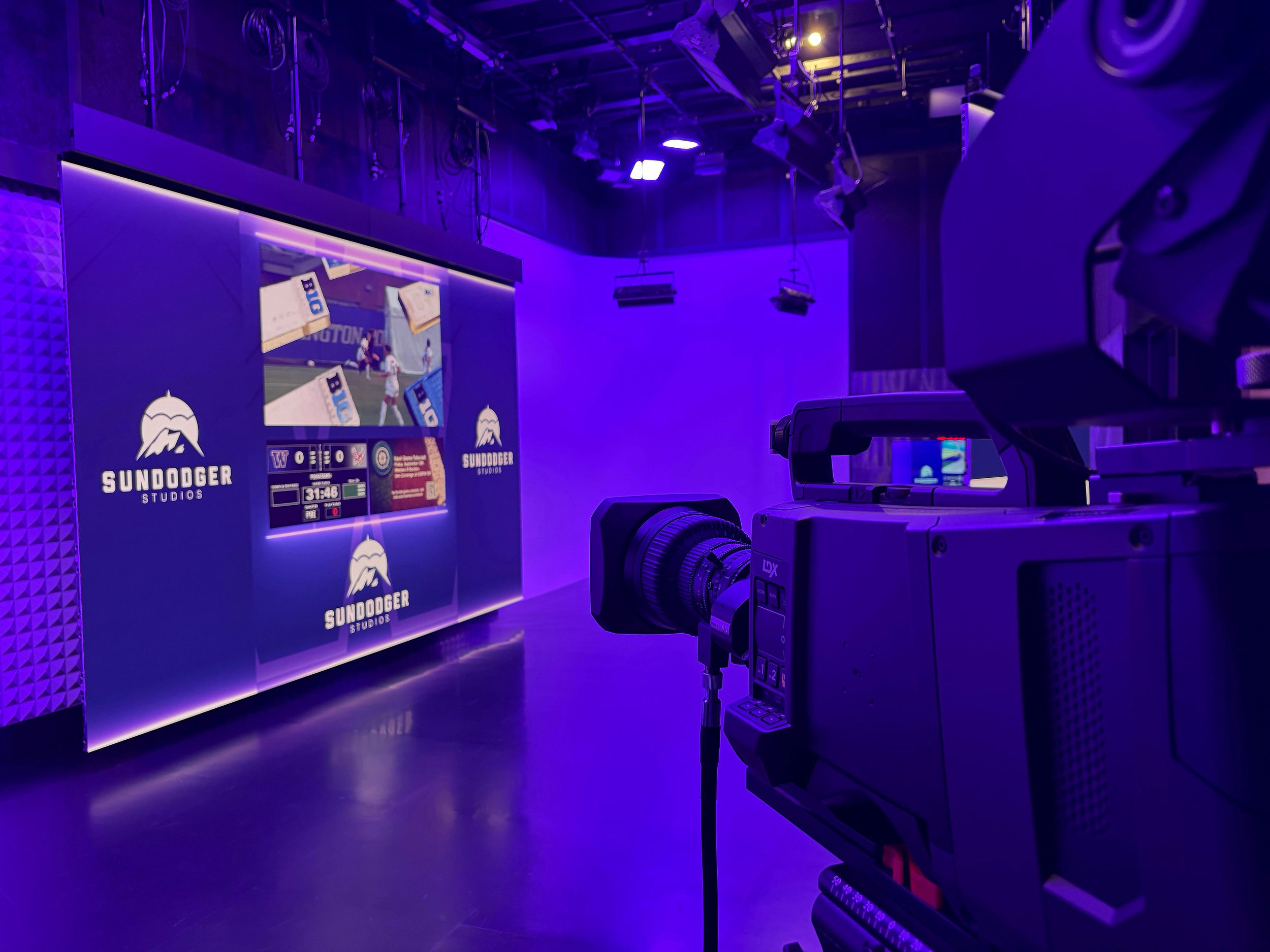
By placing professional-grade equipment in the hands of students, the University of Washington is effectively bridging the “skills gap” that often exists between graduation and employment. Students working in these control rooms are gaining hands-on experience with Grass Valley’s flagship K-Frame and LDX systems—technologies that are industry standards in professional sports networks like ESPN, CBS, and NBC. This provides UW students with a significant competitive advantage in the job market.
2. Operational Efficiency through IP
The shift to ST 2110 is a strategic long-term play. By virtualizing signal routing and management, the university reduces its reliance on bulky, physical cabling. The facility can scale more easily, and future upgrades—such as adding more control rooms or integrating cloud-based production—will be significantly easier to implement on an IP backbone than they would have been on an SDI foundation. Furthermore, the future integration of the studio with Daktronics venue technology promises a cohesive, data-driven production environment where scoreboard data and video content are perfectly synced.
3. A Model for the Big Ten and Beyond
As the Big Ten Conference and other major collegiate leagues push for higher production standards to satisfy digital-first audiences, the University of Washington has established a blueprint. Sundodger Studios proves that collegiate athletics departments no longer need to be secondary players in the broadcast space. With the right technology partners and a commitment to IP, universities can match the production quality of national commercial broadcasters.
In conclusion, Sundodger Studios represents a convergence of technology, education, and institutional ambition. By investing in a future-proof IP infrastructure today, the University of Washington has secured its place as a leader in the rapidly evolving landscape of live sports media, ensuring that Huskies fans across the globe will enjoy a world-class viewing experience for years to come.
