
Animation Industry Shakeup: Laika’s Wildwood Magic, Netflix’s Billion-Dollar Buybacks, BioWare’s Closure, and More
By Jamie Lang | October 23, 2026
The global animation and entertainment landscape is undergoing a turbulent period of creative triumphs and corporate restructuring. From the meticulous stop-motion workshops of the Pacific Northwest to high-stakes corporate maneuvers in Silicon Valley and major shifts in the video game sector, the industry is experiencing a profound transformation.
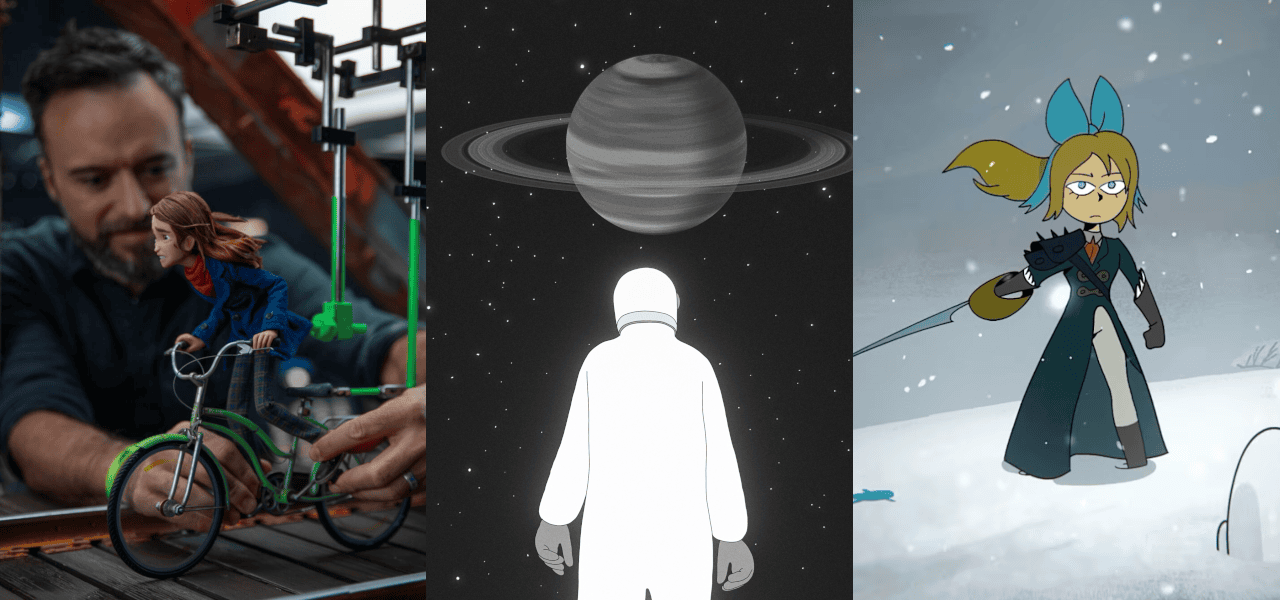
This week’s industry roundup, originally published by Cartoon Brew, highlights major developments across stop-motion animation, streaming economics, high-profile studio closures, independent feature breakthroughs, and legacy franchise revivals.
Main Facts: A Week of Highs and Lows in Entertainment
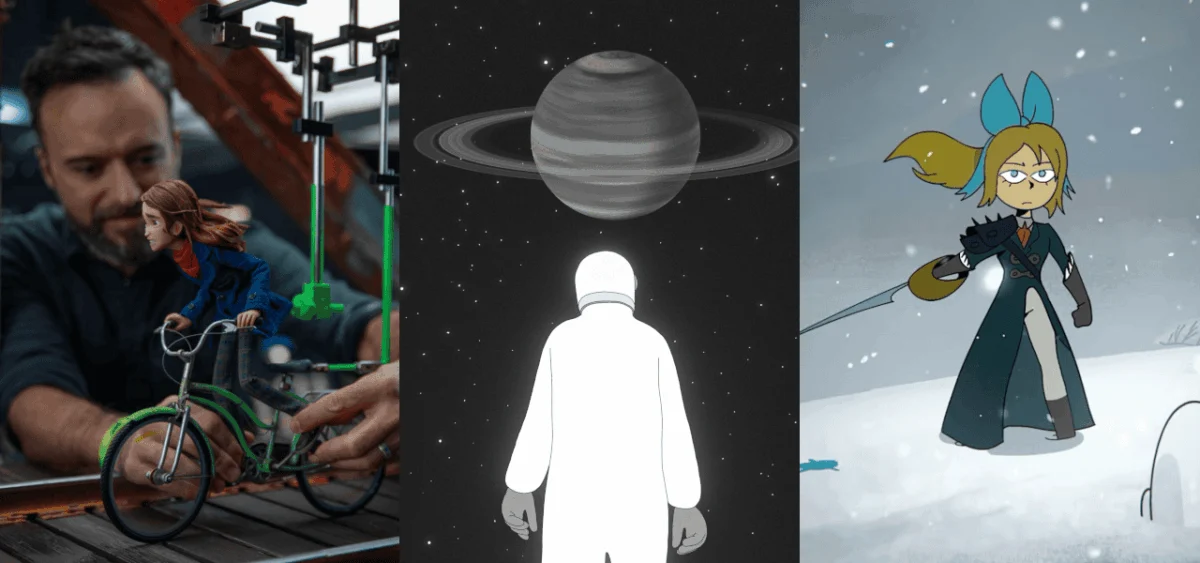
The past week has delivered a stark juxtaposition within the entertainment industry. On the creative front, premier animation studios continue to push the boundaries of stop-motion and hand-drawn artistry, with exclusive peeks into Laika’s upcoming masterwork Wildwood and Matt Braly’s independent gothic series Clara and the Below.

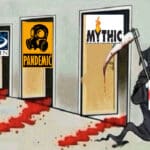
Simultaneously, the business side of entertainment is seeing aggressive financial reallocations. Netflix has drawn scrutiny following massive stock buybacks paired with significant workforce reductions. Meanwhile, the interactive entertainment sector has suffered a catastrophic blow with EA’s shuttering of legendary developer BioWare and the cancellation of its long-awaited Mass Effect title, a move arriving hot on the heels of a massive Saudi-led corporate acquisition.
Finally, independent gems like Daniel Zvereff’s Moonfish are fighting for the spotlight during a crowded awards season, while major conglomerates like Sony and Amazon MGM continue to consolidate and expand their footprints in anime and family-friendly IP adaptations.
Chronology of Events: How the Stories Unfolded
The week’s news cycle unfolded across multiple fronts, bridging physical studio visits, corporate financial reports, festival circuits, and publishing announcements:
- Early Week: Cartoon Brew editors visited Laika’s Portland-based headquarters, gaining exclusive access to the puppets, intricate costumes, and elaborate physical sets being utilized for the studio’s most ambitious stop-motion feature to date, Wildwood.
- Mid-Week (Festival Circuit): At the Animation Is Film festival, creator Matt Braly unveiled fresh conceptual artwork and narrative details for his upcoming independent gothic series, Clara and the Below.
- Corporate Disclosures: Netflix released financial data revealing a record-breaking $4.8 billion quarterly expenditure on stock buybacks, a move that closely preceded approximately 1,000 layoffs across various departments.
- Gaming Industry Shockwave: Electronic Arts (EA) officially announced the closure of BioWare and the cancellation of its next-generation Mass Effect project. The news broke less than three months after a $55 billion Saudi-led takeover of the publishing giant.
- Streaming & Acquisition Updates: Sony pulled back the curtain on its expansive global anime enterprise, offering rare insights into its operational model. Concurrently, Amazon MGM Studios greenlit an adaptation of Game of Pets, authored by The Bad Guys creator Aaron Blabey.
- Box Office & Catalog Dominance: Ahead of Disney’s next theatrical installment in the franchise, five classic Ice Age films suddenly occupied half of Netflix’s global English-language film Top 10 chart.
Supporting Data and Industry Insights
Behind the headlines lie critical metrics that explain the shifting tectonic plates of the animation and gaming industries.
Laika and Wildwood
Laika’s dedication to traditional stop-motion craftsmanship remains an anomaly in an industry increasingly reliant on generative AI and digital pipelines. Wildwood, based on the novel by Colin Meloy and directed by Travis Knight, represents the studio’s most complex production scale to date. The film pushes physical fabrication limits, utilizing advanced 3D-printed facial animation alongside classic miniature set construction.
Netflix’s Financial Strategies
The streaming giant’s allocation of $4.8 billion toward stock buybacks highlights a broader corporate pivot toward maximizing shareholder value over headcount stability. The subsequent layoff of approximately 1,000 employees underscores ongoing cost-containment measures in the streaming sector, even as Netflix continues to dominate global watch-time metrics—demonstrated recently by legacy catalog titles like the Ice Age franchise capturing five spots simultaneously in the global Top 10.

The Demise of BioWare
EA’s decision to dissolve BioWare marks the end of an era for Western role-playing games (RPGs). Responsible for industry-defining franchises such as Baldur’s Gate, Dragon Age, and Mass Effect, the studio’s closure comes in the wake of a seismic $55 billion Saudi-led acquisition of EA. Industry analysts note that the cancellation of the next Mass Effect title signals a low-risk, high-return corporate mandate that prioritizes live-service longevity over narrative-driven single-player experiences.
Independent Breakthroughs: Moonfish
Daniel Zvereff’s feature-length debut, Moonfish, has emerged as a critical darling following its world premiere at the Venice International Film Festival. Despite sweeping acclaim for its distinct visual language and poetic narrative, the film has faced uphill battles in securing wide domestic visibility, prompting critics to rally for its inclusion in serious awards-season conversations.

Official Responses and Industry Reactions
The sweeping nature of this week’s developments has elicited strong reactions from creators, labor advocates, and industry observers.
- On the Laika Studio Visit: Artists and puppet-makers expressed cautious optimism regarding audience reception to tactile art forms in an increasingly digital era. "There is an inherent warmth and tactile honesty in stop-motion that audiences can intuitively feel," noted one senior fabricator during the Portland tour.
- On Netflix’s Layoffs and Buybacks: Labor and creator advocacy groups sharply criticized the timing of Netflix’s multi-billion-dollar buybacks relative to its workforce reductions. Economic analysts pointed out the growing disconnect between corporate profitability metrics and stable employment within the tech and entertainment sectors.
- On BioWare’s Closure: Former developers and gaming journalists took to social media to mourn the loss of the legendary studio. In statements circulated online, veteran creators lamented the shifting priorities of AAA publishers, warning that corporate consolidation threatens the long-term viability of prestige, story-driven gaming projects.
Implications for the Future of Animation and Entertainment
The convergence of these events paints a complex picture of where the entertainment industry is heading over the next decade.

1. The Polarization of Animation Production
On one hand, artisanal stop-motion houses like Laika and independent visionaries like Daniel Zvereff (Moonfish) and Matt Braly (Clara and the Below) continue to champion handcrafted, auteur-driven storytelling. On the other hand, major studios and streaming platforms are tightening budgets, leaning heavily on established catalog IPs (such as Disney’s Ice Age and Amazon’s adaptation of Aaron Blabey’s Game of Pets), and heavily consolidating operations.
2. The Vulnerability of Prestige Gaming
The shuttering of BioWare serves as a grim warning for the interactive storytelling sector. As acquisition valuations soar—such as EA’s recent $55 billion buyout—conglomerates are increasingly unwilling to absorb the financial risks associated with long, narrative-heavy development cycles. This could lead to a permanent contraction in AAA single-player storytelling, leaving the space open primarily for indie developers.
3. Streaming and Catalog Dominance
Netflix’s reliance on older library titles, underscored by the Ice Age phenomenon, proves that legacy IP remains a primary driver of sustained user engagement. However, the friction between massive capital expenditures on stock buybacks and internal labor cuts suggests that streaming platforms will continue to face internal and external pressures regarding their labor practices and operational ethics.
As awards season approaches and studios recalibrate their slates for the coming year, the resilience of independent animation artists will continue to serve as a vital counterbalance to corporate risk aversion.

For more in-depth coverage, analyses, and exclusive artist spotlights, visit Cartoon Brew.
