
The Dawn of a New Hollywood Colossus: Paramount-Skydance Merger and the European Outlook
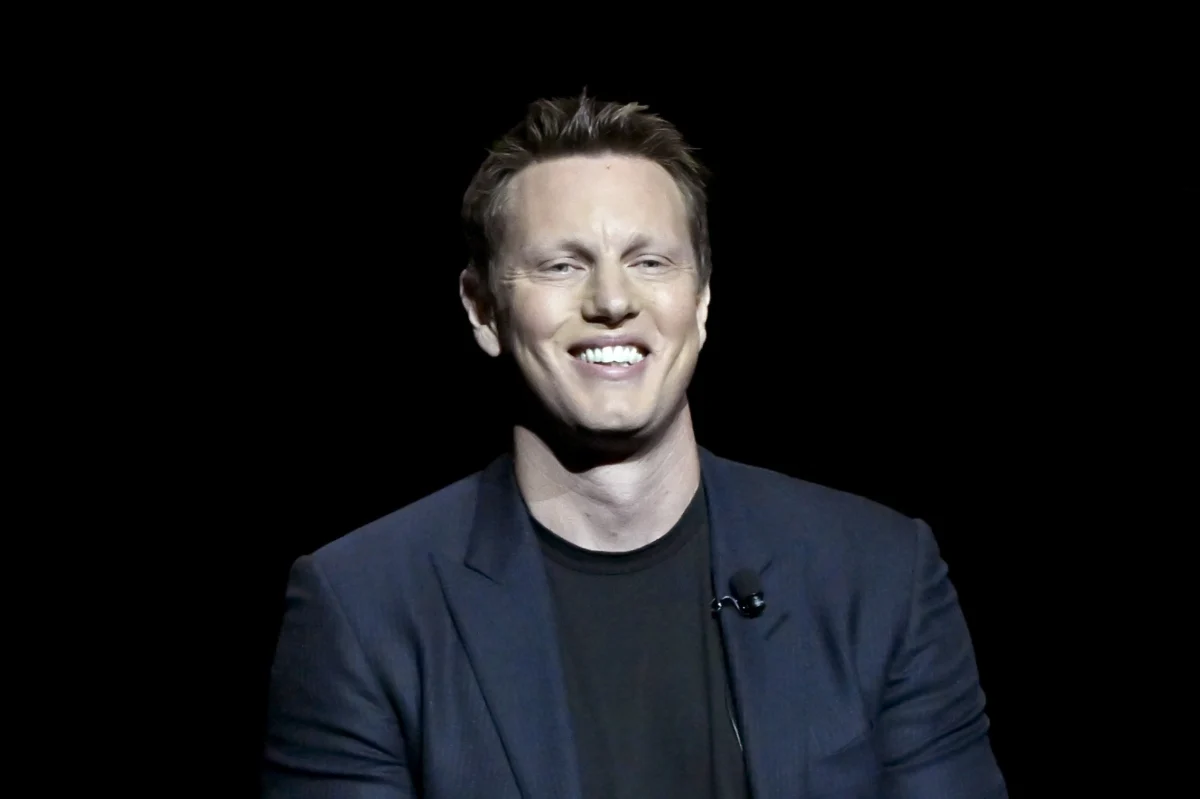
After nearly a year of intense boardroom drama, high-stakes litigation, and industry-wide speculation, the entertainment landscape is on the cusp of a seismic shift. The $111 billion takeover of Warner Bros. Discovery (WBD) by Paramount, spearheaded by David Ellison, is set to reach its definitive conclusion on October 6. As the deal clears its final regulatory hurdles—following a federal judge’s approval of a settlement regarding an antitrust lawsuit filed by 12 U.S. states—the industry is bracing for the arrival of a new, debt-laden behemoth.
For the European market, where Ellison has spent months courting political leaders, producers, and creative titans, the mood is one of cautious, measured optimism. Yet, behind the fanfare of a "new era" lies a complex reality: the combined entity will shoulder a staggering $79 billion in debt, raising the question of whether Ellison’s ambitious promises to the creative community can survive the cold, hard pressures of corporate austerity.
A Chronology of Consolidation
The path to this merger has been anything but linear. The saga began as a whisper in the halls of Hollywood and quickly escalated into a public battle for the future of two of the world’s most storied media houses.
- Early 2024: David Ellison, through his Skydance Media vehicle, launches an aggressive lobbying campaign. He travels extensively across Europe, meeting with stakeholders in London, Paris, and Berlin to pitch his vision of an "artist-first" Hollywood conglomerate.
- Summer 2024: The merger faces its most significant threat when 12 U.S. states file an antitrust lawsuit, alleging that the consolidation would stifle competition and harm the exhibition industry.
- July-August 2024: Paramount enters into a complex settlement agreement, pledging strict commitments to theatrical output and production investment to satisfy regulatory concerns.
- October 6, 2024: The official close date for the merger, marking the birth of a unified entity that combines the intellectual property of Warner Bros. with the strategic production infrastructure of Skydance and Paramount.
The Mandate: Structural Obligations and Production Pledges
The antitrust settlement has locked the new entity into a rigid framework, ensuring that the merger does not result in a total monopolistic freeze of theatrical content. Under the terms of the agreement, the company is legally bound to:
- Theatrical Output: Release a minimum of 30 films theatrically in each of the first two years, scaling up to 32 films annually for years three through five.
- Exhibition Windows: Adhere to a strict 45-day theatrical window for all wide releases, with a mandatory 90-day hold before these films can migrate to subscription streaming platforms.
- Financial Commitment: Invest an additional $300 million annually into U.S. film production, totaling $1.5 billion over the next five years.
These requirements are designed to appease exhibitors who feared that a merger would lead to a "streaming-only" future. However, for Europe, the implications are nuanced. While the U.S. production pledge is clear, the impact on European studio space and local production talent remains a point of heated debate.
Voices from the Industry: Can Promises Withstand Debt?
The core concern shared by industry analysts and producers alike is the "Debt-Commitment Paradox." Can a company saddled with $79 billion in debt realistically prioritize artistic ambition over aggressive cost-cutting?
The Proponents of Vision
Pierre-Antoine Capton, co-founder and chairman of Mediawan, remains one of the most vocal supporters of Ellison’s vision. "In Europe, we’ve entered a period of intense consolidation," Capton tells Variety. "Obviously, a transaction of this size is going to involve synergies, but having spoken with David, I believe his vision is first and foremost an artistic, creative ambition. He wants to build a more powerful group in order to invest in creation."
Capton argues that consolidation, when managed correctly, is not merely about layoffs and budget cuts, but about creating the scale necessary to compete in an increasingly fragmented global market. He sees this merger as a potential boon for independent powerhouses like Mediawan, which can step in to fill the gaps left by the "rationalization" of the larger U.S. studios.
The Skeptics of Corporate Scale
Conversely, Marco Chimenz, a prominent Italian production executive and former president of the European Producers Club, is far less convinced. He views the promises of high theatrical volume with a cynical eye.
"Though Ellison has promised that the number of films will stay the same, if not grow, I doubt that’s going to happen—the same way it didn’t happen when Disney merged with Fox," Chimenz warns. He believes that the new Paramount-WBD will inevitably see a contraction in mid-budget cinema, with those projects increasingly relegated to streaming platforms to save on marketing and distribution costs.
However, Chimenz offers a glimmer of hope regarding television. He points out that while Paramount has been relatively quiet in international co-productions, the HBO brand remains a gold standard for original series. He hopes that the combined entity will double down on local European productions, both to satisfy regional content quotas and to cater to the growing appetite for local-language stories.
The Physical Production Dilemma: The Future of Leavesden and Beyond
Perhaps the most tangible fear for European production hubs—particularly the U.K.—is the potential migration of physical production back to the United States. Media analyst François Godard suggests that the combination of the merger’s internal budget pressures and a new U.S. federal tax credit could incentivize the studio to move projects currently filming in Europe, Canada, and Australia back to California.
"Hollywood productions may move away from Europe to go back to shooting in the U.S.," Godard notes. This would deal a significant blow to facilities like Leavesden Studios in the U.K., which has become a primary hub for DC tentpoles and major television franchises.
Yet, leaders in the U.K. exhibition and production sector remain defiant. Clare Binns, creative director of Picturehouse Cinemas, and Tim Richards, CEO of the exhibition giant Vue, argue that the U.K.’s infrastructure, skill sets, and existing tax incentives are too robust to be abandoned. "We have one of the best, most highly trained skill sets for filmmakers in the world," Richards asserts. "We’re not going to lose everything."
The Sports and Exhibition Ecosystem
Beyond cinema, the merger introduces massive complications in the sports broadcasting arena. With Paramount+ preparing to launch the Champions League in the U.K. and Germany, and WBD already co-owning TNT Sports, the new company faces a complex regulatory and contractual puzzle.
"They must settle something with BT to take over TNT and merge it with Paramount+," Godard explains. "They will also have to reconfigure their sports offering in Germany." This consolidation of sports rights could lead to a more streamlined consumer experience, or, if mismanaged, a chaotic transition that alienates subscribers.
The Long-Term View: Beyond the Numbers
As the industry prepares for October 6, the conversation has shifted from the fact of the merger to the nature of its implementation. While the numbers—30 films a year, $1.5 billion in production, $79 billion in debt—provide the scaffolding, the success of the new Paramount will be determined by its creative culture.
"It’s not just the 30 movies," says Picturehouse’s Binns. "It’s what those 30 movies are. It’s the breadth and range of films that I think everybody wants to see." She highlights the importance of diversity in leadership, expressing concern that if the new management team remains narrow in its focus, the "new" Hollywood will simply be a larger version of the old one.
Ultimately, the Ellison era promises a return to "proper filmmaking," but it faces a narrow path. The company must balance the demands of creditors, the strictures of the antitrust settlement, and the expectations of a global audience that is increasingly tired of safe, franchise-heavy slates. If David Ellison can prove that he is a "filmmaker first and a businessman second," as his supporters claim, this merger might just succeed in revitalizing a global industry that has been desperate for a new direction. If he fails, the sheer weight of the company’s debt may force the very cuts he has promised to avoid. For now, the global creative community is watching, waiting, and hoping for the latter.
