
Beyond the Clues: The Six Cinematic Masterpieces That Redefined the Mystery Genre
The mystery genre is as old as narrative storytelling itself. At its core, the formula relies on a primal contract: a compelling promise of suspects, buried clues, agonizingly unanswered questions, and, eventually, a definitive, illuminating truth waiting at the journey’s end. While this classic structure remains endlessly immersive, cinema’s most enduring and celebrated mystery films are those daring enough to rip up the rulebook entirely.
While countless films can deliver a clever final-act reveal or keep audiences guessing for a standard two-hour runtime, only a rare few manage to alter the very DNA of the genre. These groundbreaking pictures introduced radical new methodologies for building suspense, manipulating viewers, and subverting expectations—techniques that subsequent generations of filmmakers would inevitably adopt and adapt.
Spanning seven decades of cinematic history, these six films revolutionized how we experience suspense on screen, cementing their legacies as the most influential mystery movies of all time.
Main Facts: The Evolution of Cinematic Deception
For over a century, the mystery film has evolved from straightforward stage-play adaptations into psychological labyrinths. Traditionally dominated by the classic "whodunit"—where an eccentric detective gathers suspects in a parlor to expose the guilty party—the genre has steadily expanded its thematic scope to mirror societal anxieties, structural ambiguities, and the deeply subjective nature of truth itself.
The foundational pillars of this cinematic evolution share common threads:
- Subversion of Tropes: They take familiar frameworks (isolated mansions, serial killers, police interrogations) and twist them to serve entirely different narrative goals.
- The Unreliable Perspective: They challenge the audience’s trust, weaponizing the narrator or the camera against the viewer.
- The Deconstruction of Closure: Rather than tying up loose ends neatly, many of these films argue that absolute truth is an illusion, prioritizing human psychology over structural neatness.
Chronology of Influence: From Golden Age Deconstruction to Modern Franchises
To understand how the mystery genre reached its current state, one must trace a historical line through the specific films that shattered its boundaries decade by decade.

6. Rashomon (1950): The Birth of Subjective Reality
Akira Kurosawa’s cinematic masterpiece is arguably the most influential mystery film ever made, introducing a structural device so profound it birthed its own universally recognized terminology. Revolving around the brutal murder of a samurai and the assault of his wife in a secluded forest, Rashomon refuses to present a single objective truth. Instead, the narrative unfolds through conflicting testimonies given by the bandit Tajōmaru (Toshiro Mifune), the samurai’s wife (Machiko Kyō), the dead samurai speaking through a medium, and an eyewitness woodcutter.
Kurosawa constructs each retelling with such airtight conviction that viewers are forced to question whether objective reality can ever exist when human pride, shame, fear, and self-preservation enter the equation. The resulting "Rashomon effect" became a cornerstone of modern storytelling, permanently changing how cinema handles perspective.
5. Psycho (1960): The Ultimate Narrative Betrayal
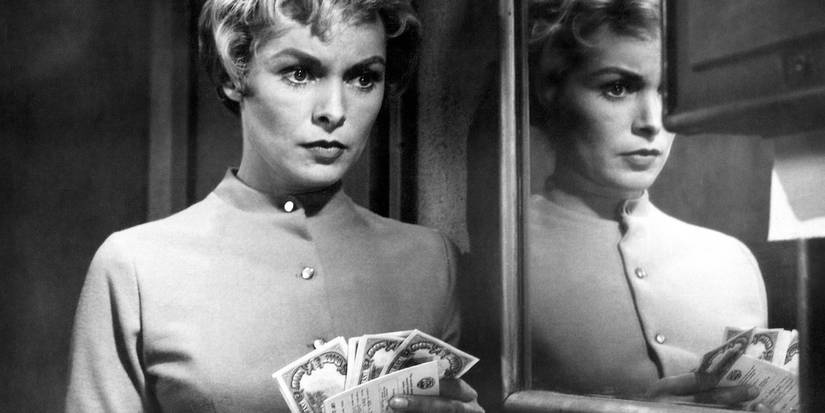
Alfred Hitchcock’s horror-thriller fundamentally altered audience conditioning. The film initially sets up a classic crime narrative: Marion Crane (Janet Leigh) impulsively steals $40,000 from her employer and flees, eventually checking into the isolated Bates Motel run by the unassuming Norman Bates (Anthony Perkins).
Then, in a move that remains genuinely radical by modern standards, Hitchcock executes the infamous shower scene, abruptly murdering his protagonist nearly halfway through the runtime. This narrative sleight-of-hand completely resets the stakes. Investigators and loved ones must pick up the pieces, shifting the mystery from a fugitive drama to a chilling psychological puzzle. Psycho proved that a mystery could survive—and thrive—by pulling the rug out from under its audience when they least expect it.
4. The Usual Suspects (1995): Weaponizing the Unreliable Narrator
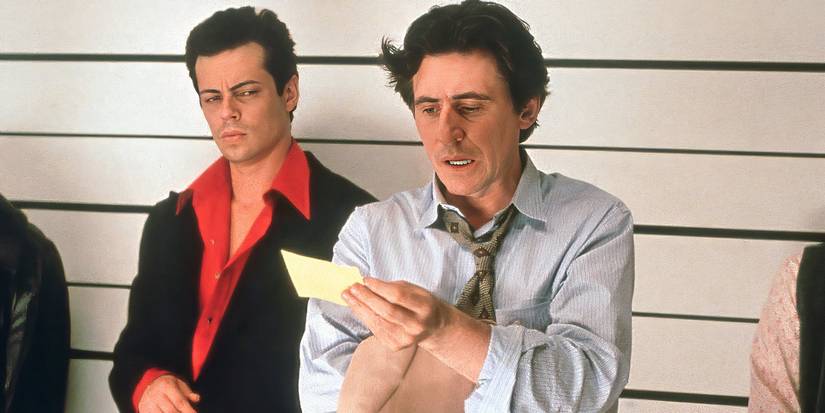
Directed by Bryan Singer from a screenplay by Christopher McQuarrie, The Usual Suspects perfected the cinematic mind game. Following a deadly explosion in San Pedro Harbor, petty con man Roger "Verbal" Kint (Kevin Spacey) recounts a convoluted tale of criminal conspiracy to U.S. Customs Agent Dave Kujan (Chazz Palminteri).
Because the story unfolds entirely through Verbal’s perspective, the audience accepts his version of events as visual truth. McQuarrie’s Oscar-winning script cleverly buries crucial details in plain sight, exploiting the viewer’s desire for a coherent narrative. The legendary final twist shattered the traditional power dynamic between storyteller and audience, setting a new benchmark for narrative deception in the 1990s.

3. Memories of Murder (2003): The Anti-Procedural Masterpiece
Long before Parasite made global history, Bong Joon-ho crafted a definitive subversion of the serial killer genre with Memories of Murder. Based on South Korea’s real-life Hwaseong serial murders, the film follows local detective Park Doo-man (Song Kang-ho), who relies on brute force and intuition, clashing with Seo Tae-yoon (Kim Sang-kyung), a methodical detective imported from Seoul.
Set in the late 1980s amid political unrest and technological limitations, the film systematically dismantles the comforting trope that rigorous police work always leads to justice. As evidence is contaminated and suspects slip through the cracks, the investigation descends into psychological exhaustion. Bong Joon-ho’s haunting, ambiguous conclusion forces viewers to sit with the agonizing reality of unsolved trauma.
2. Zodiac (2007): The Exhaustion of the Hunt
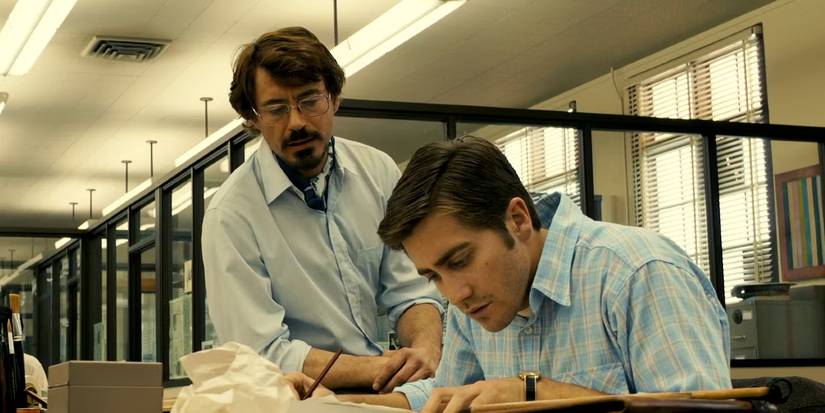
David Fincher’s meticulous procedural tackles America’s most elusive cipher: the Zodiac killer who terrorized Northern California in the late 1960s and 70s. Rather than constructing a slick thriller with a cathartic resolution, Fincher focuses on the devastating toll the investigation takes on San Francisco Chronicle cartoonist Robert Graysmith (Jake Gyllenhaal), reporter Paul Avery (Robert Downey Jr.), and homicide inspector Dave Toschi (Mark Ruffalo).
Zodiac is a triumph of procedural realism, highlighting the bureaucratic dead ends, false leads, and psychological erosion that accompany open-ended trauma. By rejecting a Hollywood-style resolution, Fincher created a masterclass in atmospheric dread that redefined the modern thriller.
1. Knives Out (2019): Revitalizing the Whodunit
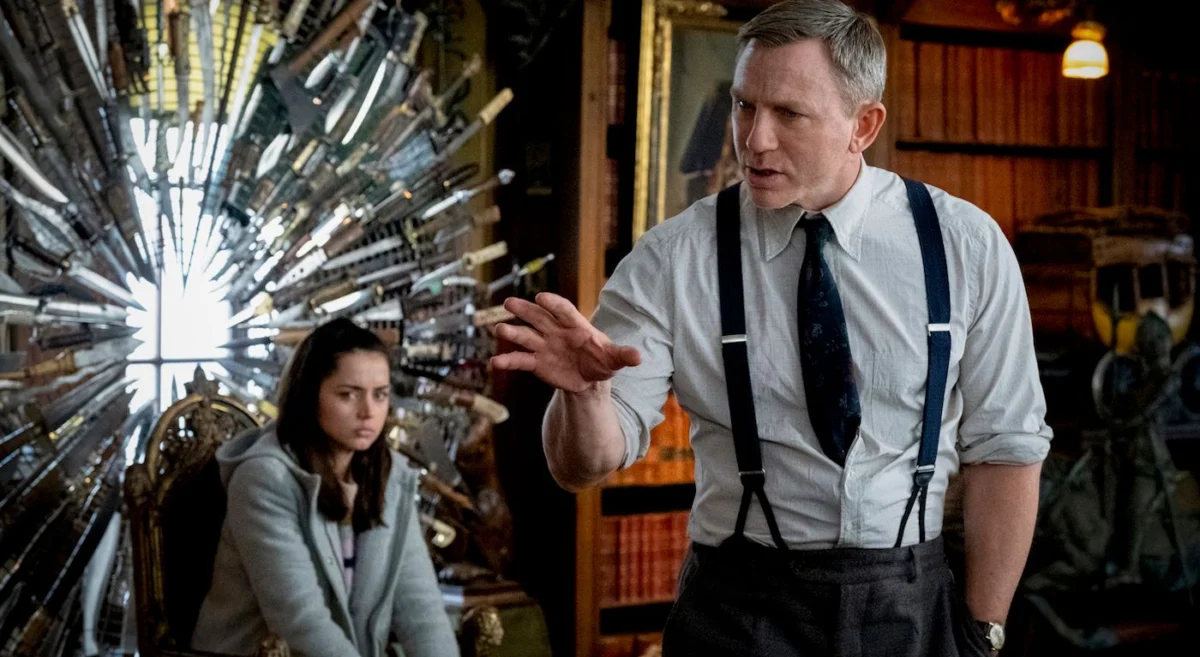
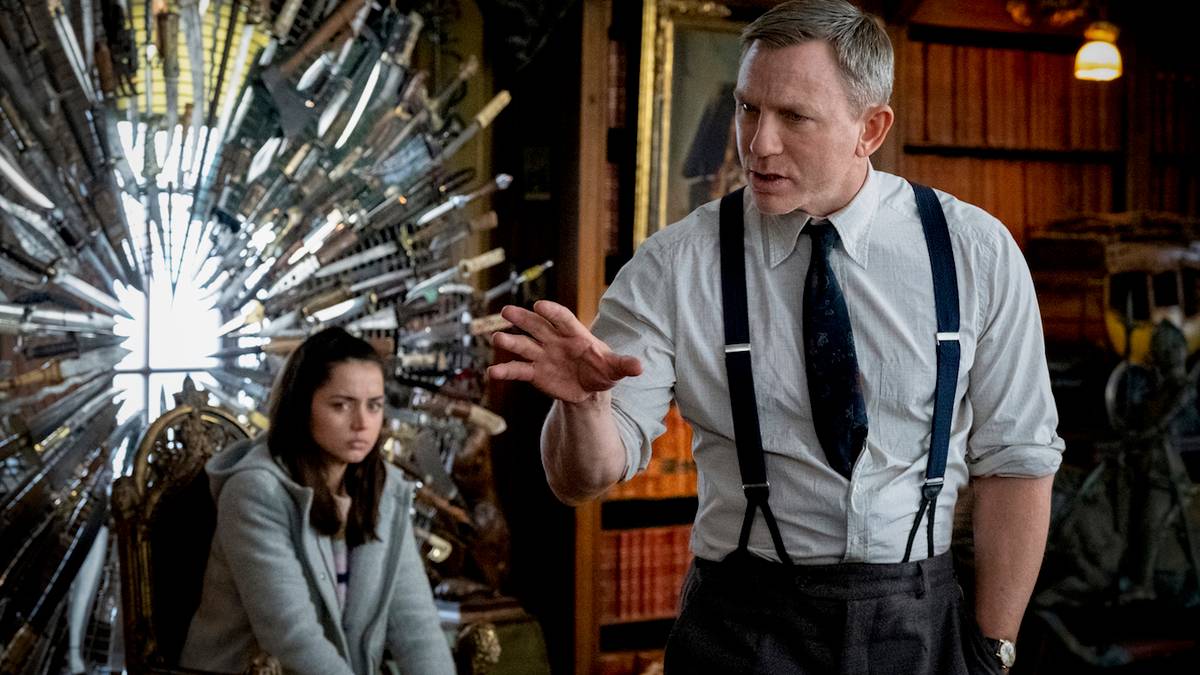
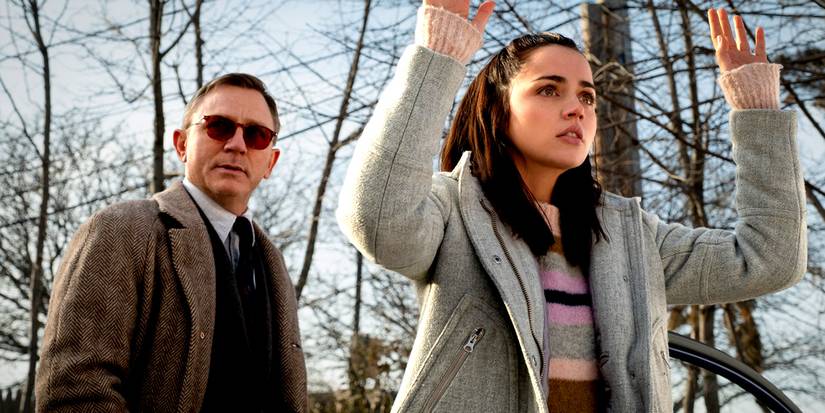
Rian Johnson’s modern classic breathed vibrant new life into the traditional murder mystery. When wealthy crime novelist Harlan Thrombey (Christopher Plummer) is found dead under suspicious circumstances, eccentric private detective Benoit Blanc (Daniel Craig) steps in to untangle a web of toxic family dynamics.
By populating the ancestral estate with an ensemble of entitled relatives and an empathetic nurse, Marta Cabrera (Ana de Armas), Johnson plays with classic Agatha Christie-style tropes while subverting structural expectations early in the runtime. Knives Out succeeds because it simultaneously honors the rules of the classic whodunit while proving that the formula can still surprise a modern, media-literate audience, ultimately sparking a massive cultural revival for the genre.
Supporting Data & Industry Impact
The cultural footprint of these six films extends far beyond critical acclaim; they have profoundly shaped box-office trends, screenwriting curricula, and pop culture lexicon.
- Box Office and Commercial Longevity: Knives Out grossed over $311 million worldwide against a modest $40 million budget, proving that mid-budget original mysteries could still dominate global box offices and secure lucrative streaming futures.
- Critical Accolades: Several of these titles achieved rare artistic recognition, including Academy Awards (The Usual Suspects for Best Original Screenplay) and enduring top spots on Sight & Sound and IMDb poll rankings (Rashomon, Psycho, Zodiac).
- Cultural Lexicon: The term "Rashomon effect" remains a staple in legal, journalistic, and psychological fields to describe how eyewitness testimony is inherently biased and subjective.
Official Responses and Critical Consensus
Film historians and directors alike frequently cite these specific works as watersheds for narrative architecture.
Prominent filmmakers have repeatedly noted how Rashomon changed their perception of visual storytelling, establishing that the camera does not merely record objective events, but rather adopts the psychological biases of whoever is speaking. Similarly, critics frequently praise Zodiac for its courage in breaking cinematic conventions; as film critic retrospectives often emphasize, Fincher’s refusal to manufacture a satisfying Hollywood ending mirrors the frustrating reality of unsolved history, elevating the film from a standard genre exercise into a profound meditation on obsession.
Implications: The Future of the Mystery Genre
The legacy of these six films points to an evolving truth about modern audiences: viewers no longer settle for passive entertainment. Today’s audiences are sophisticated, trained by decades of complex storytelling to spot clichés, anticipate twists, and decode narrative frameworks before the third act even begins.
Consequently, future mystery storytelling must continue to look inward, questioning its own mechanics. Whether through exploring systemic ambiguity (Memories of Murder), weaponizing perspective (Rashomon, The Usual Suspects), or playing joyfully with established traditions (Knives Out), the enduring health of the mystery genre relies entirely on its willingness to break the rules that created it. As long as filmmakers are willing to embrace uncertainty over easy answers, the thrill of the chase will continue to captivate cinema audiences worldwide.
