
Unmasking the Shape-Shifter: A Deep Dive into Rob Savage’s Terrifying New Horror Feature, Other Mommy
By SciFiNow Film Desk
Published October 9, 2026
Main Facts
The cinematic landscape of horror has welcomed a striking new entry with Other Mommy, a high-concept, chilling feature adaptation of Josh Malerman’s acclaimed novel, Incidents Around the House. Directed by genre specialist Rob Savage—who previously rattled audiences with pandemic-era breakout Host and Stephen King’s The Boogeyman—the film shifts away from tired cinematic tropes by discarding the sluggish first-act requirement of parental denial.
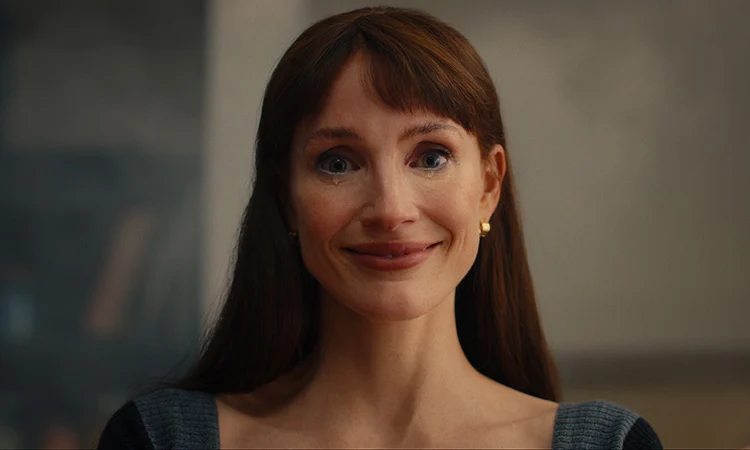
Instead of spending precious runtime convincing skeptical adults that a monster is lurking in the shadows, Other Mommy drops the audience directly into the nightmare. Academy Award winner Jessica Chastain takes on a dual role, portraying both Ursula, a career-driven, distracted businesswoman, and the titular, shape-shifting demonic entity known as "Other Mommy." The entity terrorizes a deeply troubled household, fixating on young Bela, played by breakout child star Arabella Olivia Clark. The cast is rounded out by Jay Duplass as the ineffectual, laid-back father, and screen veteran Karen Allen as Ursula’s stern, disapproving mother.
Operating as a thematic and stylistic mash-up reminiscent of Chastain’s earlier Spanish-produced chiller Mama and contemporary body-horror trends, the film wastes no time. Within the opening credits, the demon has already revealed itself to the entire family, initiating an escalating war of attrition, psychological torment, and supernatural manipulation aimed at achieving "carnation"—the entity’s unsettling term for total possession of little Bela. Currently playing in theaters worldwide, Other Mommy has quickly become one of the most discussed genre releases of the autumn season.
Chronology of Production and Release
The journey of Other Mommy from page to screen reflects the rapidly accelerating pace of modern Hollywood horror development, particularly for projects championed by visionary young directors and high-profile producers.
- The Source Material (2024–2025): Josh Malerman’s novel Incidents Around For the House hit bookshelves to widespread critical acclaim, praised for its suffocating atmosphere and unique perspective on domestic haunting seen through the eyes of a child. Film scouts and production companies immediately recognized its cinematic potential.
- Pre-Production and Casting (Mid-2025): Rob Savage signed on to direct, collaborating closely with screenwriters to adapt Malerman’s internal prose into visceral cinematic set-pieces. Jessica Chastain boarded the project not only as its dual-role lead but also to lend her production weight to the film. Casting directors conducted extensive global searches for the role of Bela, ultimately selecting Arabella Olivia Clark.
- Principal Photography (Late 2025): Filming took place across meticulously constructed soundstages and practical locations designed to mimic a claustrophobic, modern suburban home. Practical creature effects, stunt choreography for the shape-shifting sequences, and advanced wire-work were heavily emphasized during this phase to minimize reliance on post-production computer-generated imagery.
- Post-Production and Festival Buzz (Summer 2026): Savage finalized the edit, sound design, and score, leaning heavily into immersive audio cues to amplify the terror of the entity’s movements. Early test screenings generated intense word-of-mouth buzz regarding the film’s relentless pacing and inventive scare sequences.
- Theatrical Release (October 9, 2026): Distributed widely in cinemas, Other Mommy debuted to strong ticket sales and critical conversations centered around its unique approach to classic haunted-house mechanics.
Supporting Data and Creative Breakdown
To understand why Other Mommy resonates so deeply with contemporary horror audiences, one must examine the specific mechanics of its direction, creature design, and thematic DNA.
The Anatomy of Modern Terror
Rob Savage has built a reputation as a filmmaker obsessed with how otherworldly entities attempt to infiltrate and colonize domestic spaces. Beginning with his desktop horror sensation Host, Savage demonstrated an innate understanding of modern dread. In Other Mommy, he applies this mastery to physical environments. The film breaks away from conventional ghost stories by utilizing dynamic, highly spatial set-pieces:
- The Subverted Adult Gathering: A standard, noisy neighborhood adult party spirals rapidly into chaos, turning the familiar domestic haven upside down in a matter of minutes.
- The Escher-esque Soft Play Area: A children’s indoor play facility is transformed into a geometric nightmare, complete with an infinite ball pool that evokes surrealist art and inescapable claustrophobia.
- The Parapsychology Hub: Evoking memories of classic supernatural thrillers like Poltergeist, a team of overconfident parapsychologists enters the home to study the phenomena, only to be swiftly and brutally punished for their arrogance.
Creature Design and Visual Trends
The visual manifestation of the demon in Other Mommy aligns with a distinct stylistic trend in mid-2020s horror—what critics have dubbed the "stretchy" demon aesthetic. Sharing DNA with shape-shifting creatures seen in recent genre projects like Clayface, Resident Evil, and Kane Parsons’ viral Backrooms adaptations, the antagonist possesses a loose-limbed, rubber-necked physicality.

Jessica Chastain reportedly relished the physical demands of playing the entity far more than her grounded counterpart, Ursula. Her performance relies on unnatural contortions, an unblinking and predatory smile, and a fluid menace that stands in stark contrast to the rigid, fractured dynamics of the human family she wishes to consume.
Official Responses and Critical Reception
Early critical consensus highlights Other Mommy as a breath of fresh air within a subgenre—the demonic possession and haunted house flick—that frequently suffers from narrative stagnation.
In her review, veteran critic Kim Newman noted the film’s structural intelligence:
"The most refreshing thing about Other Mommy… is that it doesn’t waste half its running time on parents disbelieving the little girl who says there’s a demon in her bedroom closet."
Cast members and filmmakers have spoken in press junkets about the delicate balance required to ground a supernatural narrative in authentic domestic anxiety. The dynamic between Ursula (a mother torn between professional ambition and emotional unavailability) and the "Other Mommy" (who presents an idealized, hyper-nurturing, yet violently possessive façade) serves as a dark psychological exploration of modern motherhood guilt.
Furthermore, the inclusion of screen legend Karen Allen—widely celebrated for her iconic work in the Indiana Jones franchise—as Ursula’s disapproving mother adds a layer of generational tension. Allen’s character acts as an external anchor, critiquing Ursula’s parenting long before the supernatural threat materializes, thereby weaving the psychological fractures of the family directly into the supernatural stakes. Above all, newcomer Arabella Olivia Clark has received universal acclaim for anchoring the emotional core of the film, carrying the harrowing narrative weight with a poise well beyond her years.
Implications for the Horror Genre
The commercial and critical trajectory of Other Mommy carries several important implications for the future of studio-backed horror cinema:
- The Death of the "Skepticism Act": By proving that audiences do not require a tedious thirty-minute setup wherein parents deny the supernatural claims of their children, Other Mommy sets a new structural standard. Future screenwriters may feel emboldened to accelerate narrative pacing, diving headfirst into the conflict without narrative padding.
- The Evolution of Creature FX: The film demonstrates a successful hybrid model of practical body horror and digital enhancement. As audiences grow fatigued by overly slick, weightless CGI monsters, the rubber-limbed, tactile menace of Chastain’s shape-shifter points toward a resurgence of physical performance art in creature features.
- Literary Adaptations as Prestige Horror: Following the massive success of Malerman’s previous adapted work (Bird Box), Incidents Around the House and its cinematic translation reinforce the appetite for contemporary literary horror. Publishers and studios are increasingly looking to speculative fiction authors who specialize in psychological dread wrapped in high-concept genre trappings.
As Other Mommy continues its theatrical run, it cements Rob Savage’s status as a vital modern voice in horror and proves that even the most well-worn tropes—like a monster in the closet—can be violently and brilliantly revitalized with sharp pacing, exceptional casting, and unyielding imagination.
