
The Descent into Rapture: Why Francis Lawrence’s ‘BioShock’ Adaptation Remains Netflix’s Most Ambitious Bet
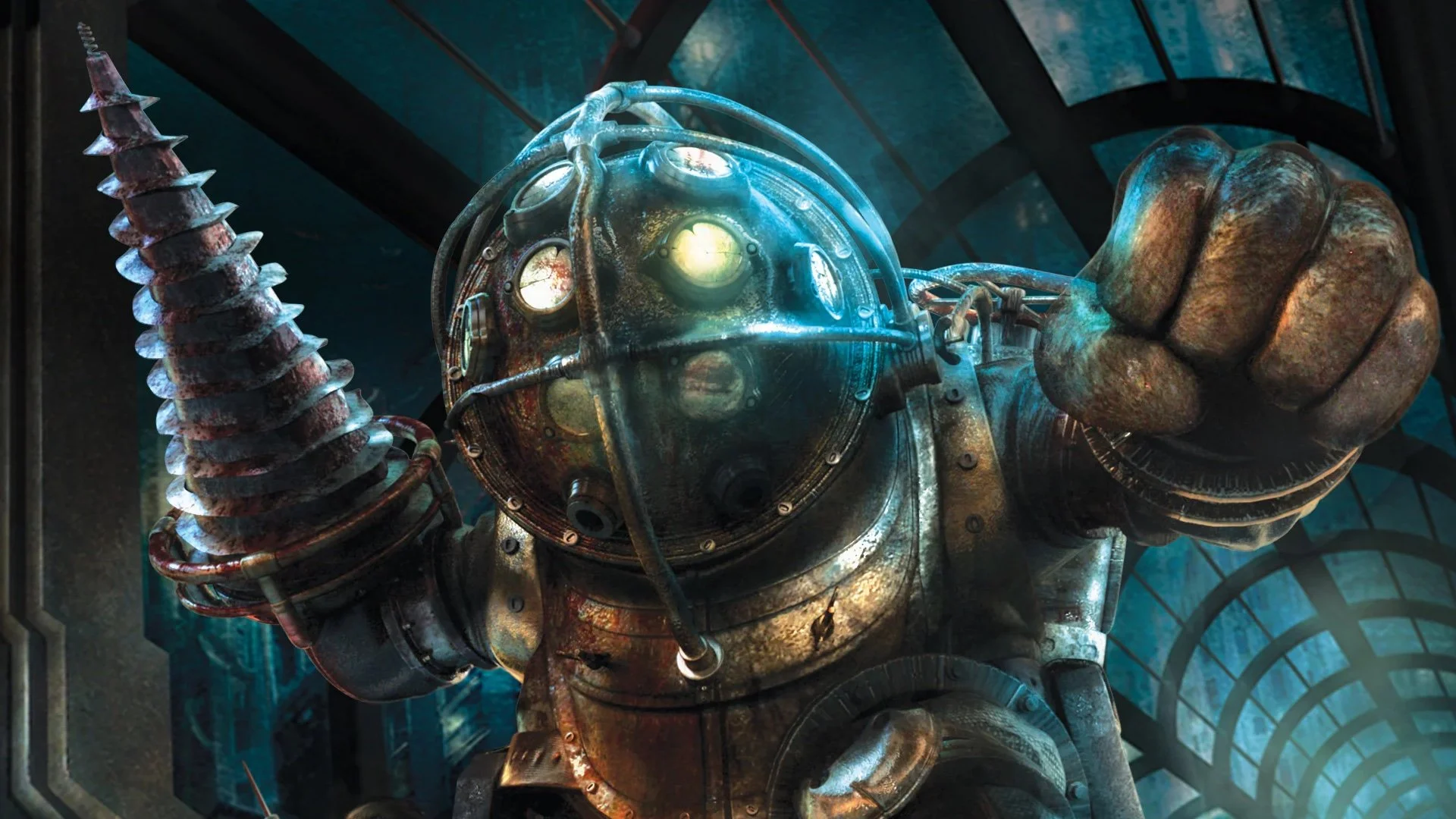
The journey to bring the decaying, art-deco halls of Rapture to the silver screen has been nothing short of a cinematic odyssey. Since the announcement of a live-action BioShock adaptation in 2022, fans of the seminal 2007 video game have been caught in a cycle of anticipation and uncertainty. However, recent insights from director Francis Lawrence suggest that the project is not only alive but finally approaching a pivotal creative milestone: the completion of the screenplay.
In an industry where video game adaptations are finally shedding their "cursed" reputation—thanks to the successes of The Last of Us, Fallout, and Arcane—the stakes for BioShock have never been higher. As Lawrence works to condense the labyrinthine philosophy and claustrophobic horror of the source material, the project stands at a crossroads, balancing massive scope with a newly refined, intimate creative direction.
The State of the Production: A Promising Update
During the promotional tour for his upcoming The Hunger Games: Sunrise on the Reaping, Francis Lawrence—best known for his immersive world-building in the Hunger Games franchise and I Am Legend—offered a candid status report on the long-gestating project.
"We’re still working on a script and I think we’re pretty close, and I’m feeling really good about it," Lawrence told GamesRadar+. "I would love to make it. I’ve been dying to. I’ve been working at it. I’ve been trying."
This confirmation serves as a vital signal to a fanbase that has seen little concrete information since the project’s inception. While the "development hell" label has often been applied to this adaptation, Lawrence’s remarks suggest that the film is moving out of the conceptual phase and into the pre-production planning stage. By focusing on the script, the team is ensuring that the complex socio-political themes of Ken Levine’s original game—the critique of Objectivism and the moral decay of a society without oversight—are given the narrative weight they deserve before a single camera starts rolling.
A Chronology of a Dream: From Concept to Screen
The path to BioShock on film has been a decades-long struggle, marked by false starts and massive shifts in the industry landscape.
- The Early Years (2008–2013): Shortly after the game’s 2007 debut, Universal Studios attempted to bring BioShock to theaters with Gore Verbinski (Pirates of the Caribbean) attached to direct. The project was eventually scrapped due to budgetary concerns and the R-rated nature of the material, which studios feared would limit the potential box office return.
- The Netflix Era (2022): Netflix officially revived the project, announcing a partnership with Take-Two Interactive and 2K. The streamer signaled a massive investment, promising a faithful, high-budget rendition of the underwater city.
- The Stagnation (2023): The dual Hollywood strikes—the WGA and SAG-AFTRA work stoppages—brought virtually all major scripted production to a halt. During this time, Lawrence’s commitment to the Hunger Games prequel franchise further sidelined the project, leaving fans in a vacuum of information.
- The Pivot (2024): Producer Roy Lee confirmed a significant shift in strategy. Recognizing the risks of an overly bloated blockbuster, Netflix chose to downsize the budget, aiming for a more "personal" and grounded perspective. This move signaled that the studio wanted to capture the game’s psychological horror rather than just its visual spectacle.
The "Personal" Pivot: Why Smaller Might Be Better
When Roy Lee first discussed the shift in strategy earlier this year, many fans were initially concerned that a smaller budget might diminish the majesty of Rapture. However, in the context of modern cinema, a "smaller" budget for a film of this scale often implies a move away from CGI-heavy set pieces in favor of practical effects and character-driven storytelling.
BioShock is, at its heart, an intimate story about the hubris of man. The game excels when the player is alone in the dark, listening to the echoing madness of Andrew Ryan’s audio diaries. By focusing on a "personal point of view," Lawrence is likely moving away from the sprawling war-epic feel of modern superhero films and toward the atmospheric, slow-burn tension of a psychological thriller. This approach honors the source material, which relies heavily on environmental storytelling—the feeling that you are walking through the ghost of a civilization that died by its own hand.
The World of Rapture: A Narrative Foundation
For those unfamiliar with the source material, the challenge of adapting BioShock lies in the density of its world-building. Set in 1960, the story follows Jack, who survives a plane crash in the middle of the Atlantic Ocean, only to discover a lighthouse that leads him to the bathysphere transport to Rapture.
Built by industrialist Andrew Ryan, Rapture was intended to be a utopia free from the meddling of government, religion, and social constraints. Instead, it became a tomb. The introduction of ADAM—a substance derived from sea slugs that allows for genetic modification—leads to the creation of "Plasmids," which grant superhuman abilities but cause rapid physical and mental degradation. The result is a city populated by "Splicers," the remnants of a society that sacrificed its humanity for progress.
By confirming that the film will adapt the original 2007 game, Lawrence is choosing the most potent narrative arc available. It allows for the exploration of the central mystery—the unraveling of Rapture—without the need for the excessive baggage of the franchise’s later sequels.
The Implications for Netflix and the Industry
Netflix’s commitment to BioShock represents a strategic play to own the "prestige gaming adaptation" space. While Amazon found massive success with Fallout and HBO with The Last of Us, Netflix has struggled to find a consistent hit in the live-action gaming space. BioShock is arguably the "crown jewel" of their current library of IP.
If Lawrence can deliver a script that bridges the gap between high-concept sci-fi and visceral horror, the film could potentially redefine the sub-genre. The implications are clear: studios are moving away from the "event movie" mindset and toward "world-building" properties that can sustain franchises. Should BioShock prove successful, it will likely trigger a new wave of interest in early-2000s gaming classics that were previously deemed "unfilmable."
Challenges Ahead: The Shadow of Adaptation
Despite the optimism, significant hurdles remain. The first is tone. The game’s unique blend of 1950s Americana and grotesque body horror is a delicate balance to strike. If the film leans too far into action, it risks losing the philosophical soul of the game. If it leans too far into philosophy, it risks becoming a sluggish experience for mainstream audiences.
Furthermore, casting will be the true litmus test. Who can portray the charismatic, terrifying conviction of Andrew Ryan? Who can carry the silent, observant weight of Jack? As of now, the silence on casting is deafening, suggesting that we are still in the early stages of production.
Final Reflections
Francis Lawrence’s dedication to BioShock is a testament to the enduring power of the game. Even after years of setbacks, the allure of the underwater city remains, pulling directors and audiences back into its depths.
We are at a point where the technology to create Rapture—the neon-lit hallways, the crumbling Art Deco architecture, and the terrifying silhouettes of Big Daddies—is more accessible than ever. If Netflix allows Lawrence the creative freedom to lean into the game’s darker, more cerebral elements, we may finally see the masterpiece that has been trapped in development for nearly two decades.
For now, the script nears completion. The lighthouse remains standing, the bathysphere is ready to descend, and the world of Rapture waits to see if it will finally be reborn on the screen. The road has been long, but for the fans who have been waiting since 2007, the promise of a faithful adaptation is finally starting to feel like a reality.
