
The Telekinesis of Today: Why Mike Flanagan Moved Stephen King’s Carrie to 2026
By [Your Name/Staff Writer]
Published | Entertainment & Culture
Main Facts: Bringing Stephen King’s Debut into the Modern Era
Fifty-two years after Stephen King first published his breakout novel Carrie in 1974, the terrifying tale of a bullied, telekinetic teenager is getting a radical overhaul. Horror auteur Mike Flanagan (The Haunting of Hill House, Midnight Mass) has taken the legendary IP and planted it firmly in the contemporary landscape with a new television series streaming on Prime Video.
With Stephen King’s blessing, Flanagan’s adaptation shifts the timeline to the year 2026. While the core narrative elements remain intact—an isolated girl, a horrifying high school prom prank, and a religious fanatic mother—the world surrounding Carrie White has drastically transformed. Rather than adapting the story as a period piece set in the 1970s (as the novel and previous cinematic adaptations did), Flanagan utilizes the present day to expose how the modern ecosystem of hyper-connectivity, digital surveillance, and institutionalized anxiety has fundamentally altered the anatomy of teenage cruelty.
Chronology: From the 1974 Page to the 2026 Screen
To understand why a 2026 setting was necessary for Flanagan’s vision, it helps to examine how the story has evolved across half a century:
- 1974: Stephen King publishes Carrie, framing the narrative as a retrospective collection of in-universe news clippings, scientific studies, and witness interviews regarding "The Black Prom." Although published in ’74, King deliberately set the timeline slightly in the future (1979) to lend the scientific rationale behind Carrie’s powers a veneer of plausibility.
- 1976: Brian De Palma directs the iconic feature film adaptation starring Sissy Spacek, cementing the story’s status as a horror masterpiece while keeping it strictly rooted in the gritty, analog aesthetic of the 1970s.
- 1999–2010s: Various remakes and sequels attempt to re-contextualize the material, though most lean into standard high school tropes of their respective decades without fundamentally reshaping the sociopolitical architecture of Ewen High.
- 2026: Mike Flanagan’s Prime Video series premieres. By shifting the timeline to the present day, Flanagan introduces modern institutional realities—such as daily metal detector screenings, active shooter drills, and viral social media harassment campaigns—transforming Carrie into a scathing commentary on contemporary youth culture.
Supporting Data and Narrative Shifts: How Bullying and Parenting Have Evolved
The most striking changes in Flanagan’s adaptation are not supernatural, but sociological. In interviews discussing the series, Flanagan noted that Stephen King, writing in the early 1970s, could never have predicted the digital weaponry available to modern teenagers.
1. The Digital Panopticon and Viral Cruelty
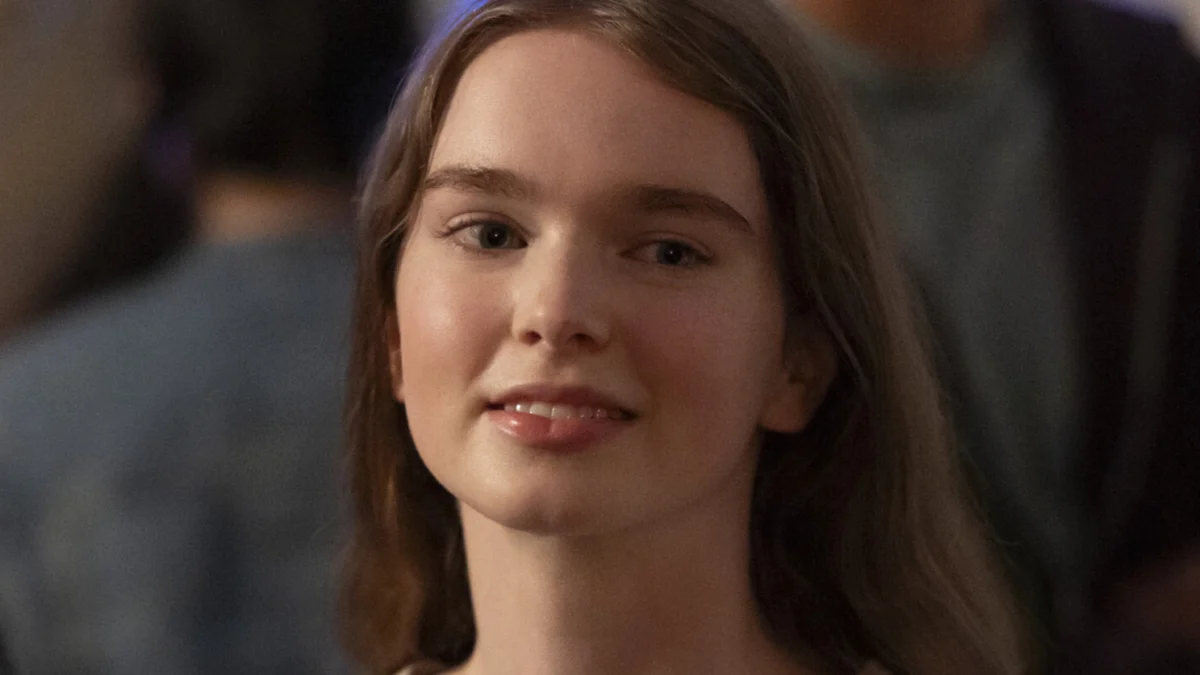
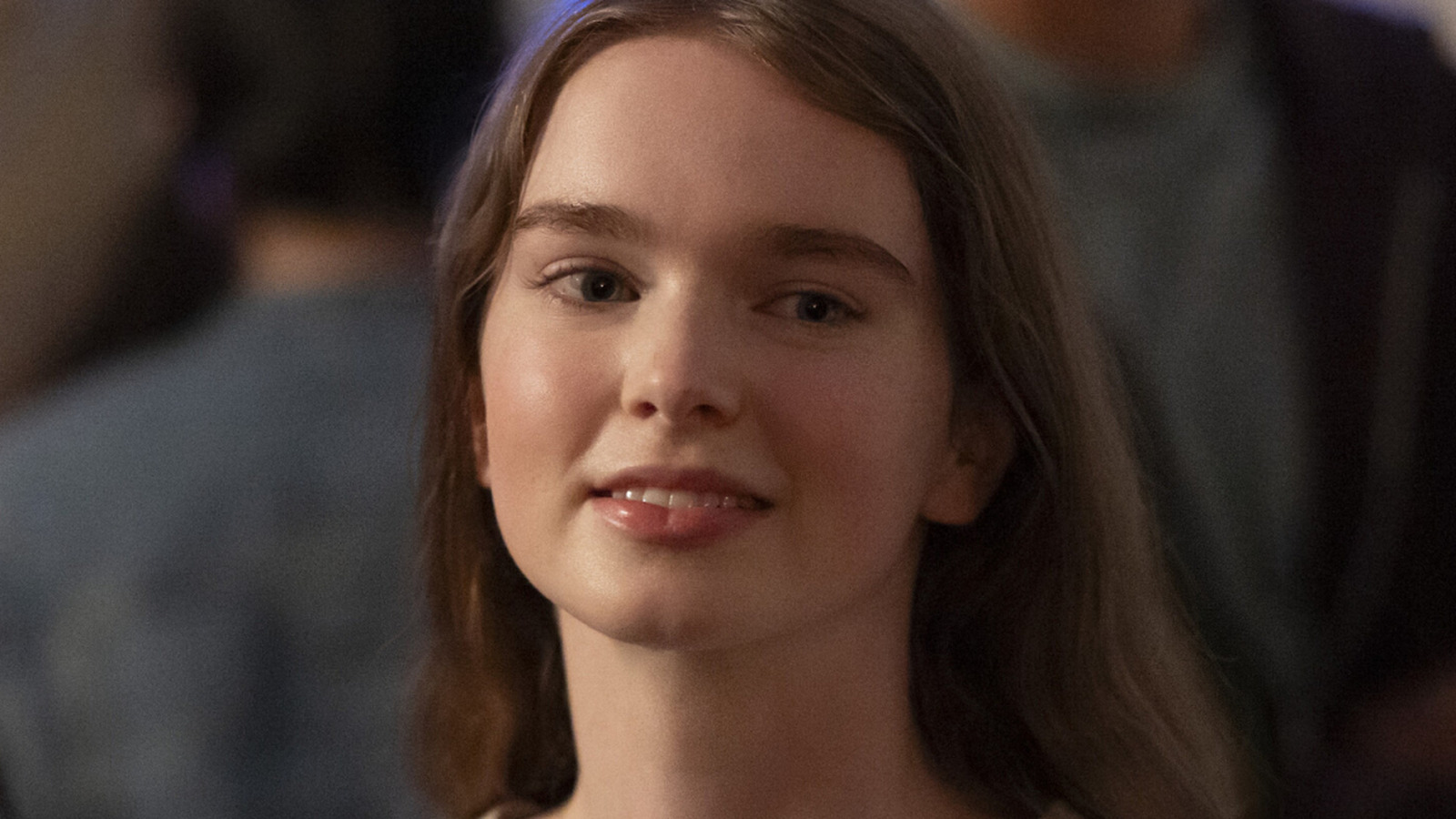
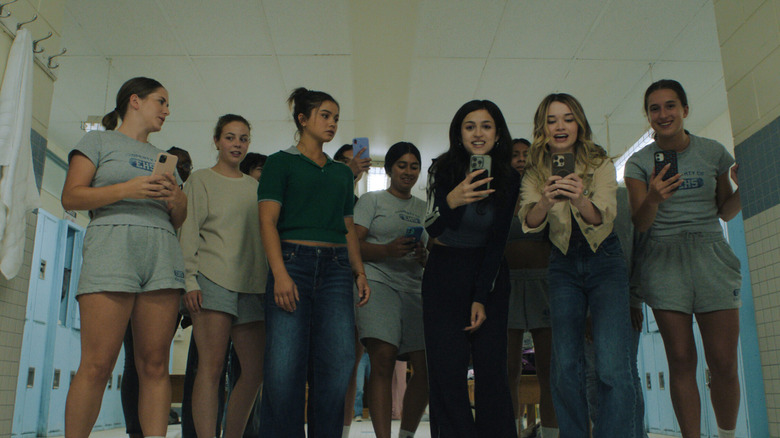
In Episode 1, titled "First Period," the infamous shower room scene unfolds with a chillingly modern update. When Carrie (played by Summer H. Howell) experiences her first period and descends into a panic, believing she is dying, the surrounding girls—led by Chris Hargensen (Alison Thornton)—do not merely laugh or throw objects. They whip out their smartphones.
The resulting video immediately floods Ewen High’s digital networks. Capitalizing on her newfound infamy and personal frustrations, Chris launches an anonymous Instagram account called "Carrie Red," designed to crowd-source humiliating rumors and expose students and faculty alike. This update highlights a terrifying truth about modern adolescence: bullying is no longer confined to school hallways or locker rooms. It is 24/7, inescapable, and permanently archived on the internet.
2. The Redefinition of Margaret White
In previous iterations, Carrie’s mother, Margaret White (played here by Samantha Sloyan), was portrayed as a classic, fire-and-brimstone 1970s evangelical extremist. Flanagan modernizes this archetype by re-envisioning Margaret as a paranoid conspiracy theorist and aggressive parents’ rights activist.
This version of Margaret streams her views online, wages war against school curriculums, and attempts to ban educational pamphlets handed out by gym teacher Miss Desjardin (Amber Midthunder)—mirroring real-world debates over book bans and public education. Furthermore, Carrie’s lifelong homeschooling is framed not just as religious isolation, but as a modern tactical withdrawal by a radicalized parent seeking to shield her child from the perceived corruption of secular society.
Official Responses and Creative Intent
Speaking exclusively to critics, Mike Flanagan opened up about the daunting task of modernizing a sacred text of horror literature. He emphasized that updating the setting was not merely an aesthetic choice, but a narrative necessity designed to reflect how normalized cruelty has become in contemporary discourse.
"Stephen King, half a century ago, could never have ever imagined the impact of the new tools of cruelty that we deploy on each other and how normalized they’ve become with social media, with the internet, with how our discourse has accepted this degree of bullying and cruelty as unavoidable," Flanagan explained.
Flanagan also pointed to the chilling reality of modern American high schools—an environment vastly different from the one King conceptualized in the shadow of the Vietnam War and the Watergate era:
"[King] never could have imagined kids walking through a metal detector and facing the specter of school shooters on the daily as a normal part of life, not an aberration. He never could have pictured that, I think, and so that — really kind of bringing it into 2026 and today’s teenage experience — I think is one thing that’s quite different [about our version]."
Implications: The Chilling Realities of Carrie in 2026
While Flanagan’s update successfully trades analog isolation for digital hyper-surveillance, it also introduces a profound thematic tension.
On Carrie’s very first day at Ewen High, she is forced to navigate daily metal detectors and an active shooter drill—a sequence that plays as dark satire regarding society’s desensitization to systemic gun violence. Yet, this creative choice uncovers a sobering implication: Carrie has always been, at its core, a school shooter narrative wrapped in supernatural horror. In the original 1974 novel, an alienated, abused child uses extraordinary means to massacre her peers.
When King wrote the book, that concept was an isolated, shocking aberration of fiction. Today, the notion of a student snapping and unleashing lethal violence upon their classmates is a grim, frequent fixture of reality. As critics have noted, a child murdering their classmates does not carry the same unimaginable, abstract shock value in 2026 as it did fifty years ago.
By leaning into this uncomfortable truth, Flanagan’s Carrie transcends standard horror television. It forces audiences to confront the reality that while Carrie White possesses impossible, telekinetic powers, the true monsters of the story—the viral cruelty, the institutional apathy, and the cycle of violence—are entirely man-made, and entirely modern.
Mike Flanagan’s "Carrie" is currently available to stream on Prime Video.
