
The Kingslayer’s Peers: Six Fighters Who Surpassed Jaime Lannister’s Prime
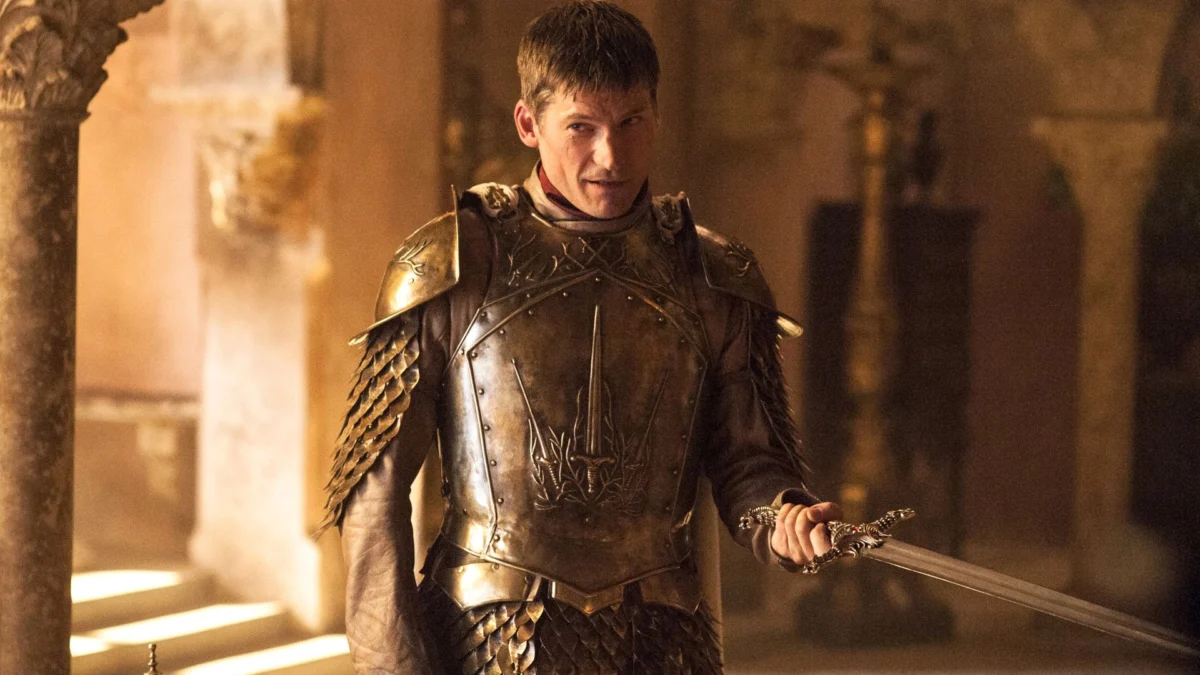
In the sprawling, blood-soaked tapestry of George R.R. Martin’s A Song of Ice and Fire universe, few figures cast a shadow as long—or as divisive—as Jaime Lannister. Before the tragic loss of his sword hand in the third season of Game of Thrones, the "Kingslayer" was widely regarded as the finest swordsman in Westeros. A prodigy of the blade, he ascended to the Kingsguard at an unprecedented age, carving through seasoned veterans with a mix of raw talent and Lannister arrogance.
Yet, even at his peak, Jaime was not untouchable. While his name is whispered with reverence in training yards from Casterly Rock to King’s Landing, the history of the Seven Kingdoms is populated by warriors whose prowess, tactical brilliance, and knightly virtue arguably eclipsed his own. To understand the true hierarchy of Westerosi combat, one must look beyond the legend of the Lannister lion and toward those few who occupied the rarefied air of the absolute elite.
The Myth of the Kingslayer: Analyzing Jaime’s Combat Baseline
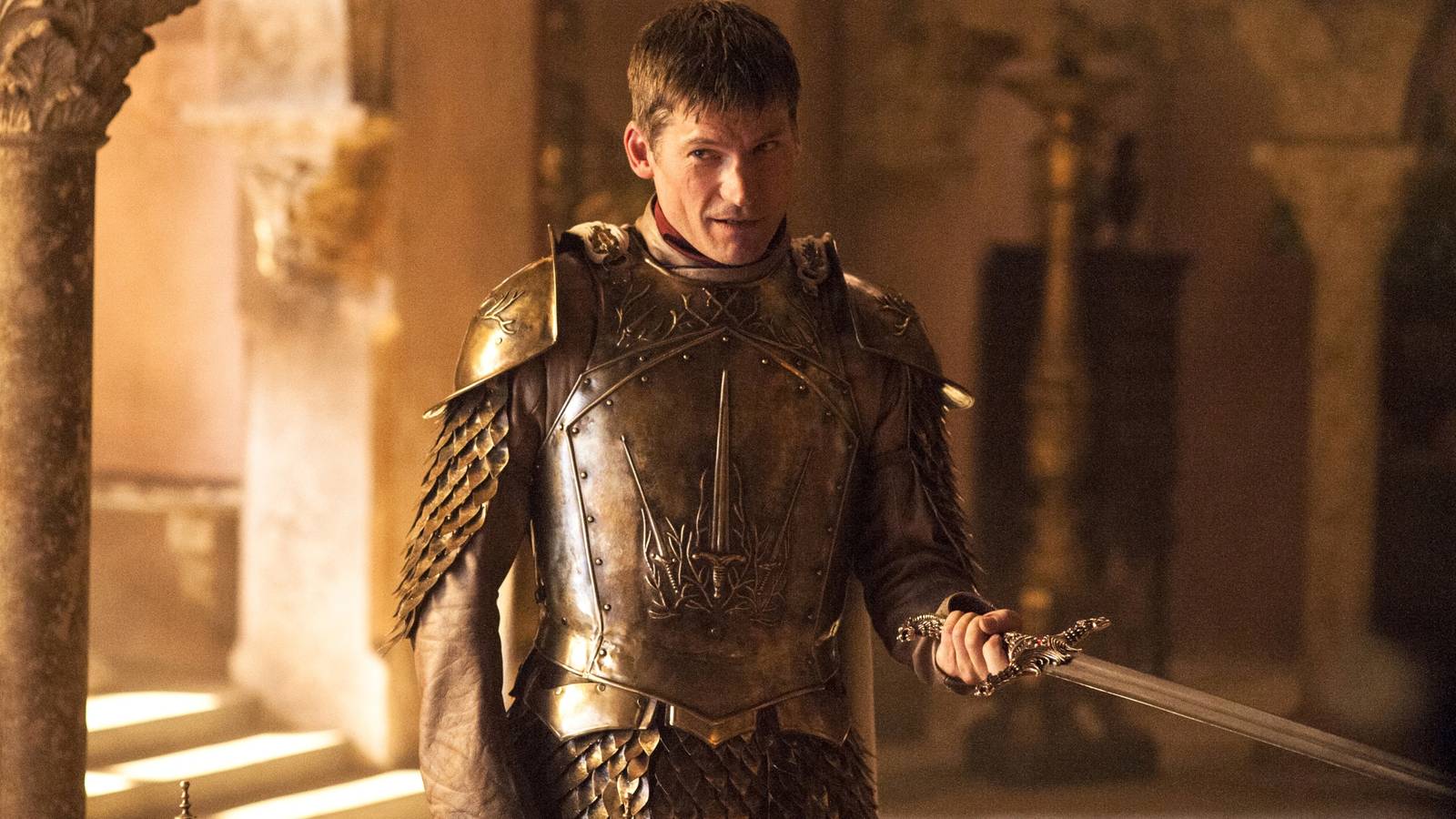
To determine who truly stands above Jaime Lannister, one must first establish the benchmark. Jaime’s reputation was built on more than mere propaganda; he possessed a rare combination of speed, strength, and reach. As the youngest member ever appointed to the Kingsguard under King Aerys II Targaryen, Jaime demonstrated an intuitive mastery of the sword that seemed almost unnatural.
However, Jaime’s career was defined by a tension between his undeniable skill and his fluctuating commitment to the ideals of knighthood. While he was a peerless duelist, his lack of focus and his reliance on natural talent often left him vulnerable to those who possessed a more disciplined, iron-willed approach to combat. When we compare him to the titans of history and his own contemporaries, the cracks in the armor of his reputation become clear.

Chronology of the Elite: A Historical Perspective
The lineage of great swordsmen in Westeros is not linear, but rather a collection of singular talents scattered across centuries. By examining these fighters, we can discern who held the mantle of the "best" in their respective eras and how they might fare against a prime, two-handed Jaime Lannister.
1. Ser Brienne of Tarth
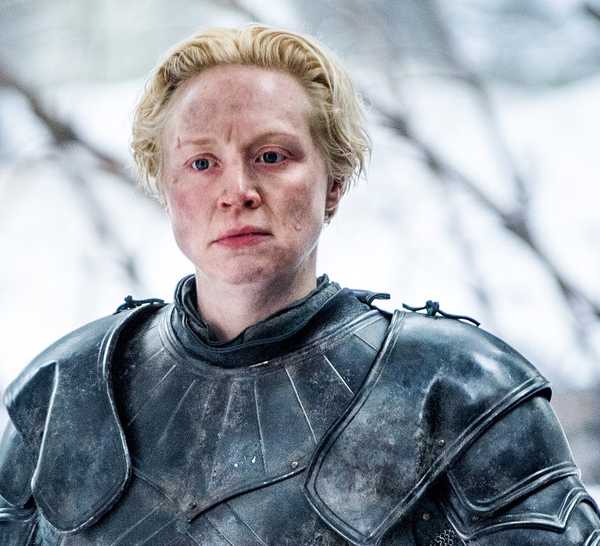
Brienne is, perhaps, the most fascinating entry on this list. Unlike the legendary figures of antiquity, Brienne of Tarth is a contemporary whose skill was forged in the fires of adversity. She is a rarity: a woman who clawed her way to the pinnacle of martial excellence in a society that denied her the formal training afforded to men.
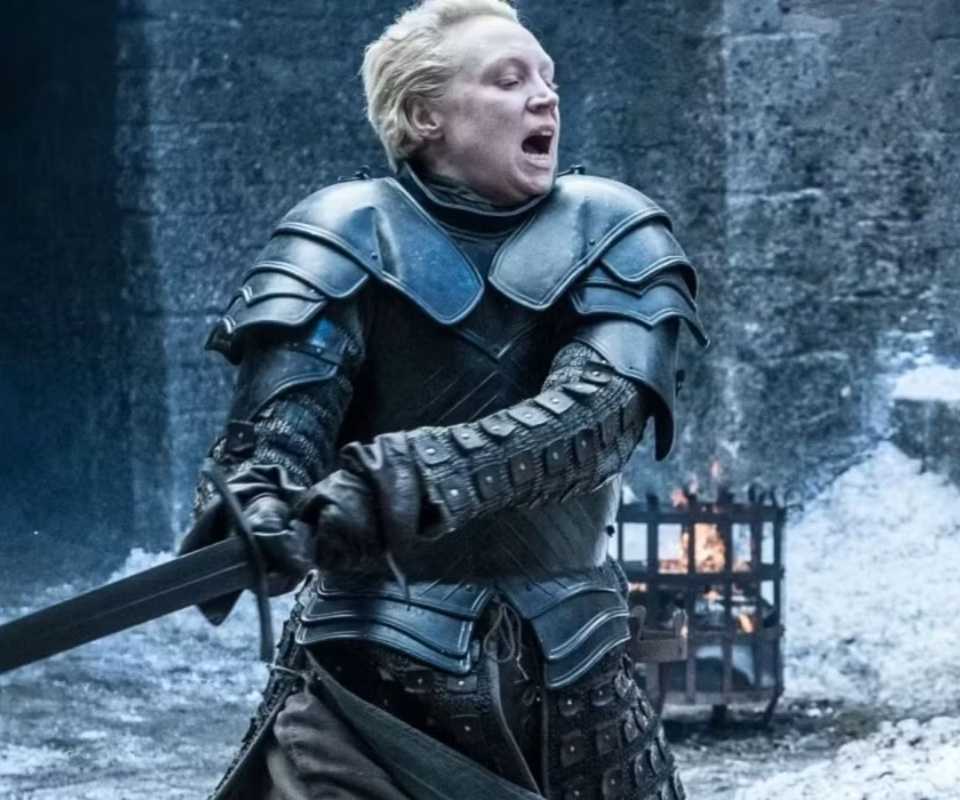
The Comparison: When Jaime and Brienne crossed swords during their journey to King’s Landing, the fight was a revelation. While Jaime was weakened by months of captivity, the sheer ferocity and technical precision displayed by Brienne forced him to take her seriously. She is not merely a brawler; she is a tactician who understands the geometry of a fight. Whether in the books or on screen, her ability to stand toe-to-toe with a man who had been training since childhood speaks to a natural talent that may, in fact, exceed Jaime’s own.
2. Ser Ryam Redwyne
A figure of mythic stature from the reign of Jaehaerys I, Ser Ryam Redwyne serves as the historical gold standard for the Kingsguard. While modern audiences may only recognize him from a fleeting appearance in House of the Dragon, the annals of Westerosi history treat his name with divine reverence.
The Comparison: Ser Ryam was the Lord Commander who defined the role for generations. His reputation for honor was equal to his reputation for steel. According to Davos Seaworth, Ryam was the finest knight of his age. In a hypothetical duel, the contrast would be one of character: Jaime fought with the erratic passion of a man seeking to define himself outside his father’s shadow, whereas Ryam fought with the calm, unwavering duty of a man who embodied the oath of his order.
3. Daemon Blackfyre
The catalyst for the First Blackfyre Rebellion, Daemon was more than a claimant to the throne; he was a warrior whose presence on the battlefield was described as the personification of the Warrior himself.
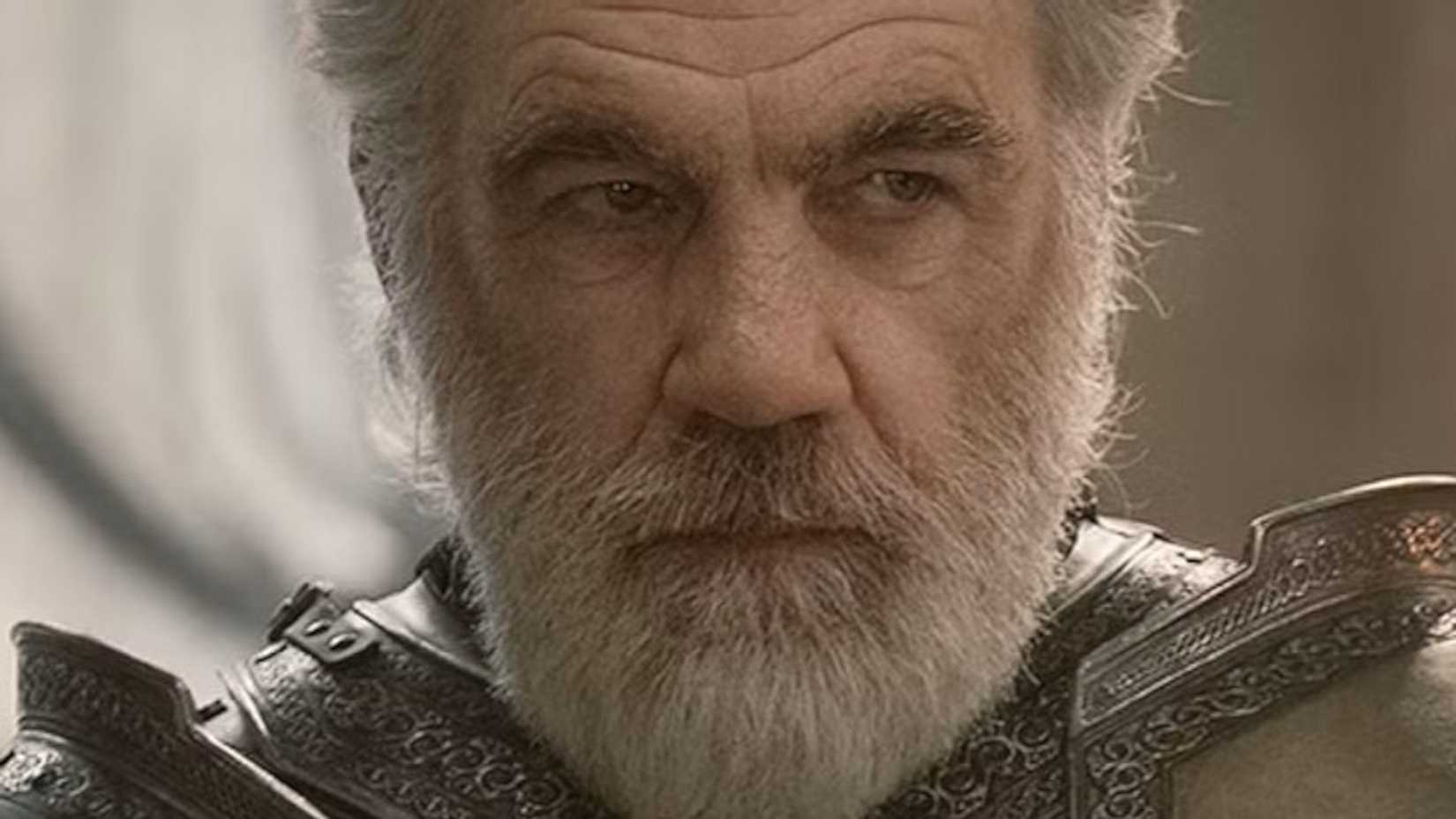
The Comparison: Daemon Blackfyre’s skill was so legendary that it inspired songs and fueled a war that nearly tore the Targaryen dynasty apart. History suggests he was a more potent battlefield commander than Jaime, possessing a charisma that elevated his followers. While Jaime fought for his own pride, Daemon fought for a vision of the realm. His ability to lead from the front, combined with his mastery of the sword, suggests a level of combat prowess that Jaime, for all his ego, never quite achieved.
4. Aemon the Dragonknight
Aemon Targaryen, the son of Viserys II, is often cited as the greatest knight to ever wear the white cloak. His life was defined by the very thing Jaime struggled with: a conflict between love and duty.
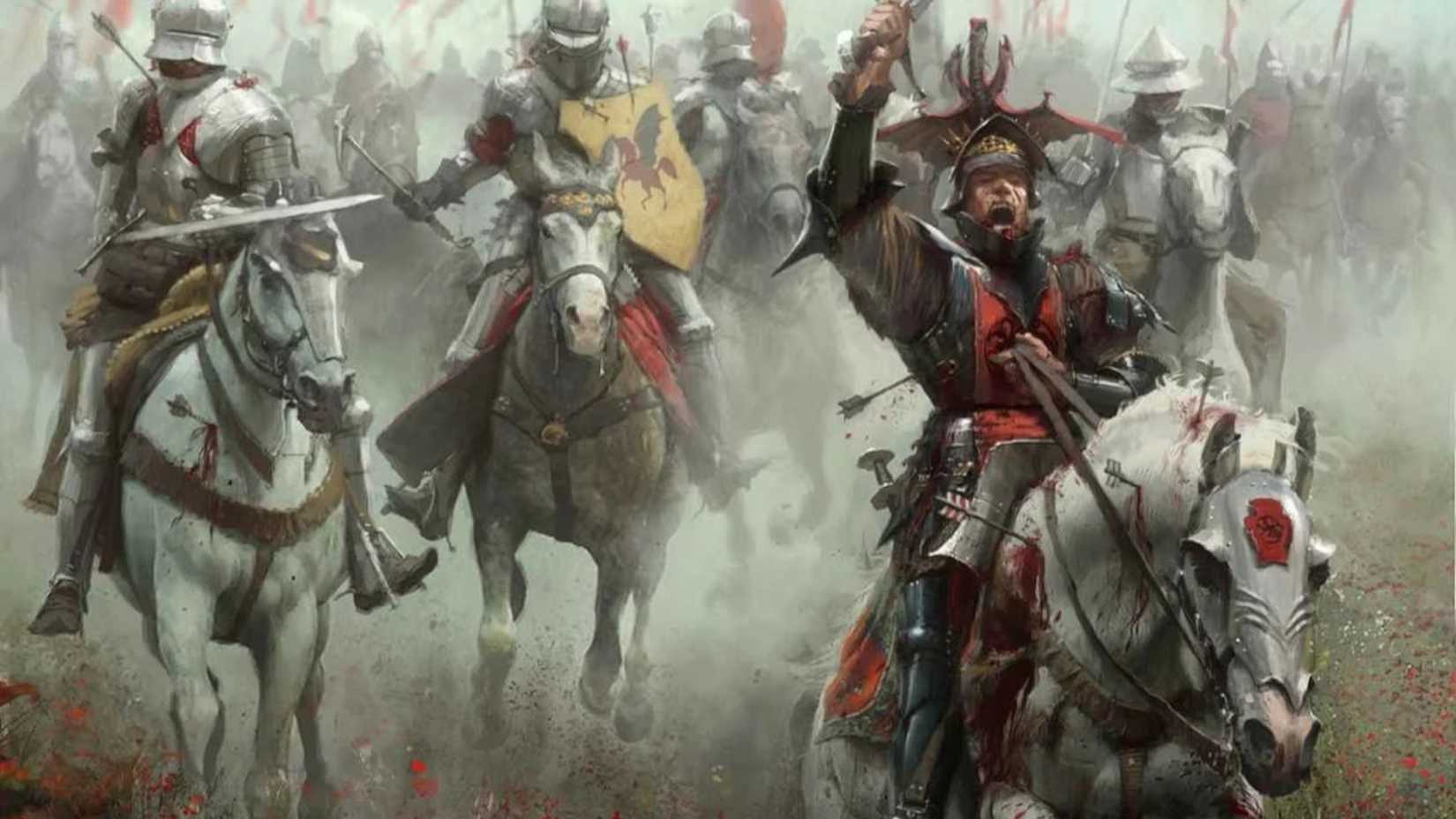
The Comparison: Aemon fought with Dark Sister, one of the few remaining Valyrian steel swords in the realm. Even without the weapon’s edge, his tactical achievements—such as the conquest of Dorne—dwarf Jaime’s military record. Where Jaime was a duelist, Aemon was a warrior-poet of the blade. The advantage of a Valyrian steel blade against a standard castle-forged sword would likely be the deciding factor in a duel, but even on equal footing, Aemon’s discipline was of a higher order.
5. Ser Barristan Selmy
Barristan "the Bold" Selmy represents the pinnacle of longevity. While Jaime’s prime was cut short by injury, Barristan remained a lethal threat well into his sixties.
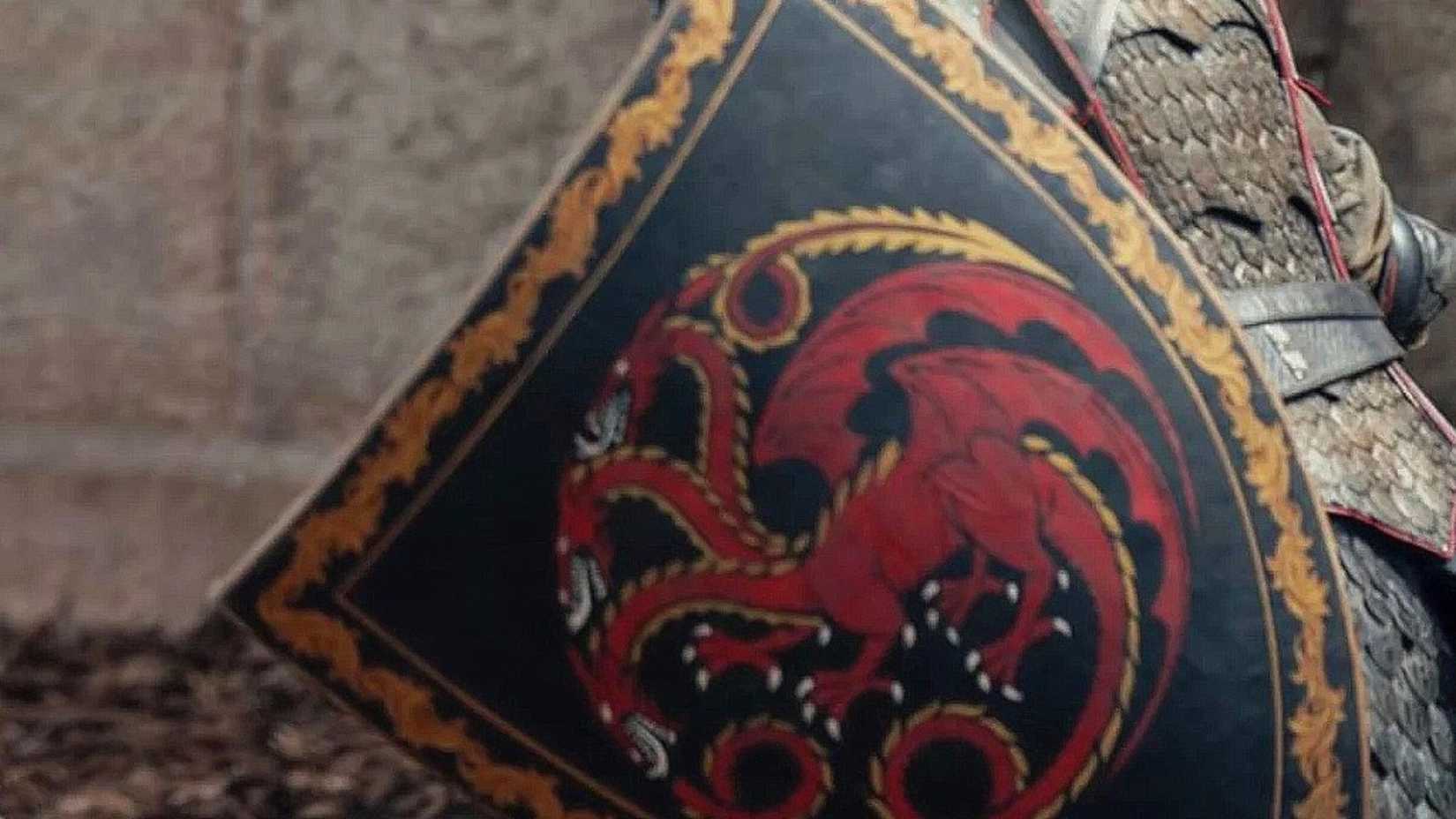
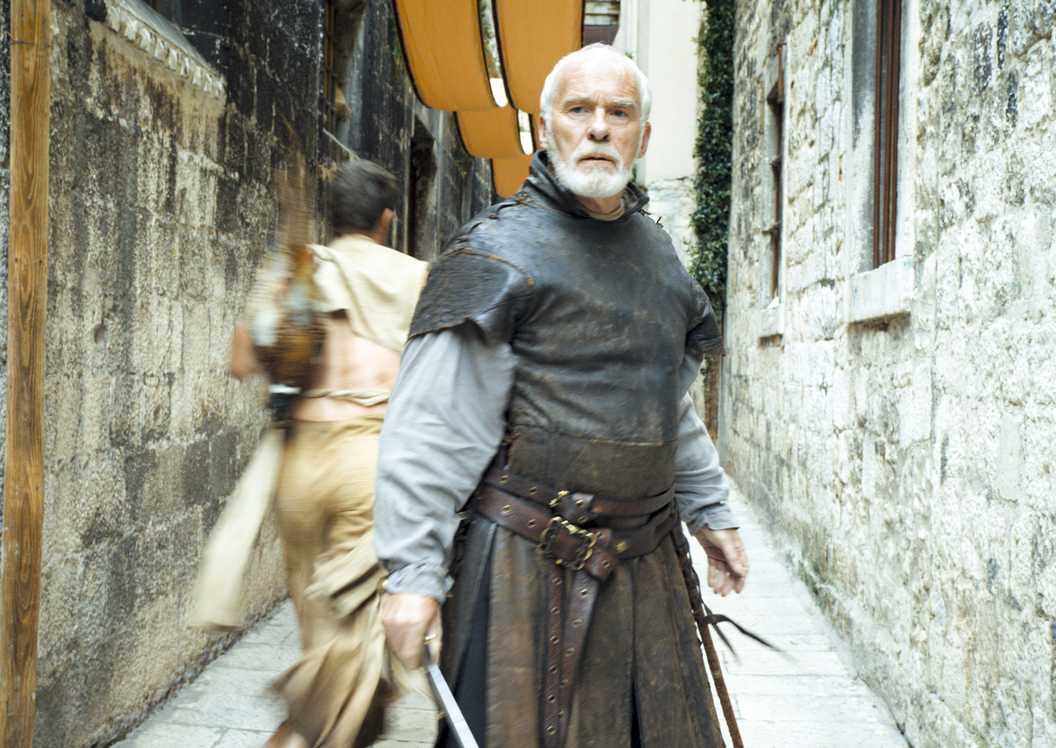
The Comparison: When Barristan was dismissed from the Kingsguard by Joffrey, his warning to the other knights—that he could cut through them like carving a cake—was not bravado; it was a statement of fact. Barristan’s resume is peerless: he defeated Maelys the Monstrous, the last of the Blackfyre line, and single-handedly infiltrated Duskendale to rescue a king. George R.R. Martin has often teased the debate between a young Barristan and a prime Jaime, but the edge almost always swings to the man who maintained his honor and his edge for decades.
6. Ser Arthur Dayne
The "Sword of the Morning" remains the final boss of any discussion regarding Westerosi combat. Wielding Dawn, the legendary blade forged from a fallen star, Arthur Dayne was the undisputed master of his time.
The Comparison: Even Jaime Lannister himself openly idolized Arthur Dayne. When they fought together, Jaime watched and learned, recognizing that he was in the presence of a superior. If Barristan Selmy is the standard for longevity, Arthur Dayne is the standard for pure, unadulterated skill. With Dawn in hand and a level of chivalry that Jaime spent his life failing to emulate, Dayne would likely dismantle a prime Jaime Lannister with the same grace he used to guard the Tower of Joy.
Supporting Data: The Role of Equipment and Honor
In analyzing these combatants, it is impossible to ignore the role of equipment. The presence of Valyrian steel, such as Dark Sister or Dawn, acts as a force multiplier. Jaime Lannister, for the vast majority of his "prime," fought with standard steel. His reliance on his physical stature and reflexive speed worked against lesser men, but against the likes of Dayne or Aemon, he was always fighting an uphill battle against superior craftsmanship.
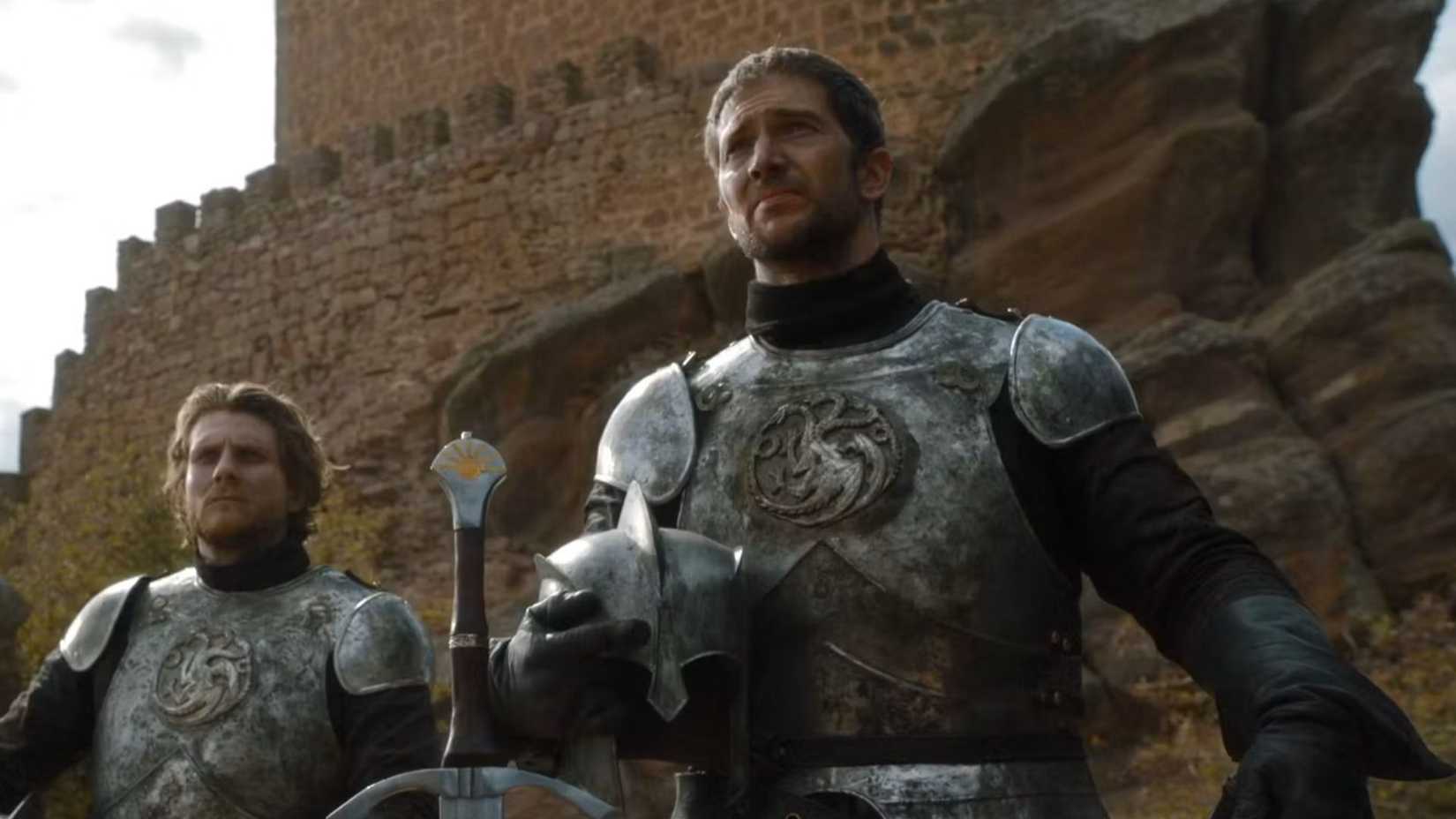
Furthermore, there is the "Honor Variable." In the world of A Song of Ice and Fire, combat is rarely just about who is faster; it is about who has the mental clarity to act without hesitation. Jaime’s internal turmoil—his obsession with his family, his guilt, and his cynicism—often acted as a weight on his blade. Conversely, knights like Barristan Selmy and Arthur Dayne fought with a clarity of purpose that made them more dangerous in high-stakes environments.
Official Commentary: Martin’s Stance
George R.R. Martin has frequently addressed these comparisons in his "So Spake Martin" archives. He has consistently noted that Jaime is among the best, but he often hedges when placed against the giants of the past. When discussing the comparison between Barristan Selmy and Arthur Dayne, Martin has stated that they are essentially equals, with Dayne gaining a slight edge only due to the nature of his sword. By placing Jaime in the same conversation, Martin acknowledges his greatness, but the lack of an outright endorsement for the "Kingslayer" suggests that Jaime’s place in history is as a great talent who never quite reached the zenith of the absolute legends.

Implications for the Legacy of the Lannisters
The implication of these findings is clear: Jaime Lannister was a product of his era—a time of relative peace where his natural talent allowed him to dominate a field of mediocrity. When compared to the true titans of the Targaryen and pre-Targaryen eras, Jaime’s legend feels somewhat inflated by the scarcity of true competition during his time in the Kingsguard.
However, this does not diminish the tragedy of his arc. Jaime’s journey was never about being the "best" swordsman; it was about the slow, agonizing process of becoming a man worthy of the white cloak he wore. While he may not be the greatest fighter in the history of the Seven Kingdoms, his story remains the most compelling. He is the reminder that in Westeros, a sword is only as good as the hand that wields it, and the hand is only as good as the heart that guides it.

Ultimately, Jaime Lannister stands as a fascinating bridge between the mythic heroes of the past and the flawed, grounded characters of the present. He is the best of his generation, but he remains a man who looked up to the true legends—and in doing so, he showed us that even the most feared warriors have someone they look up to.
