
Netflix’s ‘East of Eden’ Adaptation Climbs the Streaming Charts, Proving the Enduring Power of Steinbeck
By Rohan Naahar | Published: October 16, 2026
Despite fierce competition from newer platform releases, Netflix’s prestige literary adaptation East of Eden has firmly planted its flag on the streaming giant’s weekly charts. Demonstrating an impressive trajectory of audience growth, the seven-episode limited series has doubled its initial numbers, proving that old-fashioned, deeply atmospheric storytelling still holds immense commercial and critical weight in the modern streaming era.
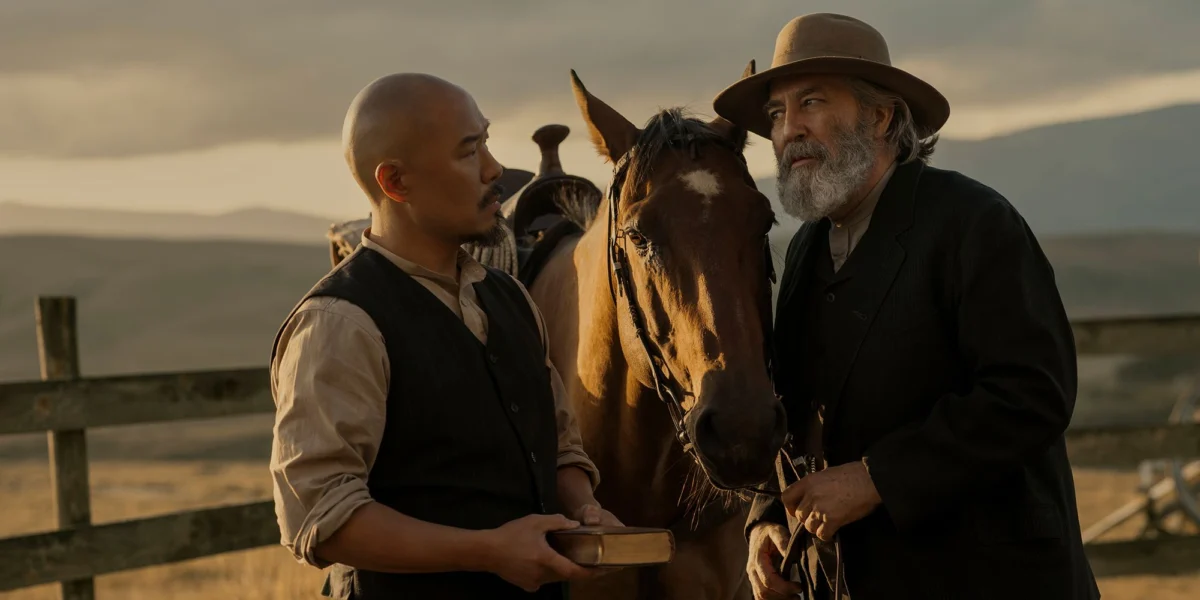
Created by Zoe Kazan and anchored by powerhouse performances from an ensemble cast that includes Florence Pugh, Christopher Abbott, Mike Faist, and Hoon Lee, the series adapts John Steinbeck’s classic 1952 American novel. As Netflix continues its strategic maneuvers to capture the lucrative prestige-drama demographic—long dominated by Taylor Sheridan’s sprawling western and regional empire on Paramount+—East of Eden stands out as a critical darling and an escalating viewership hit.
Main Facts: A Triumph of Scale and Substance
The primary takeaway from the latest Netflix viewership data is the sheer momentum behind East of Eden. After premiering on October 1, the limited series pulled in a solid 6.5 million views during its first four days of release. While that was enough to secure the number two spot on the weekly chart—trailing behind the more mainstream-leaning horror-thriller series Below, starring Josh Hartnett—the show’s trajectory quickly shifted upward.
In its second tracking window (covering October 5 through October 11), the series amassed an impressive 12.8 million views. This brought its cumulative two-week total to nearly 20 million views globally.
Beyond raw numbers, the series has earned widespread critical acclaim. It currently holds a "Certified Fresh" rating of 87% on Rotten Tomatoes. The critical consensus reads: "Zoe Kazan imbues her legacy adaptation with delicious moral quandaries and sumptuous landscapes, but it’s the expanded character work from Pugh and Lee that brings justice and dignity to this new canon of East of Eden."
Chronology of Production and Release
The journey of bringing John Steinbeck’s magnum opus to the small screen is rooted in both literary history and cinematic legacy. Steinbeck’s sprawling novel, which explores themes of depravity, benevolence, love, and the perennial struggle to choose between good and evil, was famously adapted into a 1955 feature film directed by Elia Kazan and starring James Dean.
More than half a century later, the creative lineage loops back: Zoe Kazan—granddaughter of Elia Kazan—took up the mantle to reinvent the material for contemporary audiences as a long-form limited series.

- October 1, 2026: East of Eden officially premieres on Netflix, instantly pulling in 6.5 million views over its first four days and capturing the second position on the platform’s weekly viewership report.
- October 5–11, 2026: During its first full tracking week, viewership surges to 12.8 million views, pushing its two-week cumulative audience past the 19 million mark.
- Mid-October 2026: The series officially secures its "Certified Fresh" status on Rotten Tomatoes at 87%, alongside rave reviews highlighting its visual grandeur and character depth.
Supporting Data and Streaming Landscape
The success of East of Eden does not exist in a vacuum; it is part of a calculated broader strategy by Netflix. For years, industry analysts have noted Netflix’s ambition to tap into the massive, loyal audience that devours Taylor Sheridan’s Yellowstone universe on Paramount+. Netflix famously passed on the original Yellowstone pitch years ago—a decision that has prompted the platform to aggressively commission and curate its own prestige regional, period, and frontier dramas.
Netflix’s attempts have yielded mixed results thus far:
- Ransom Canyon: A contemporary western romance series that has successfully aired two seasons.
- The Waterfront: A regional family-drama experiment that was abruptly canceled after a single installment.
- American Primeval: A gritty, old-school western limited series released late last year.
- Little House on the Prairie: A well-received reboot that premiered earlier this year and has already been greenlit for a second season.
Within this landscape, East of Eden operates as a higher-brow literary cousin to these frontier projects. By trading spurs and six-shooters for moral philosophy and generational family trauma in the Salinas Valley, Netflix has successfully diversified its prestige slate without alienating the core demographic looking for sweeping, epic storytelling.
Official Responses and Critical Reception
The creative choices behind the adaptation have been a focal point for critics and creators alike. Collider’s Therese Lacson praised the series in her official review, describing it as "a daring new perspective on the familiar story." Lacson highlighted how the series avoids falling into the trap of a beat-for-beat carbon copy of either the novel or the 1955 film, choosing instead to breathe modern psychological complexity into its ensemble.

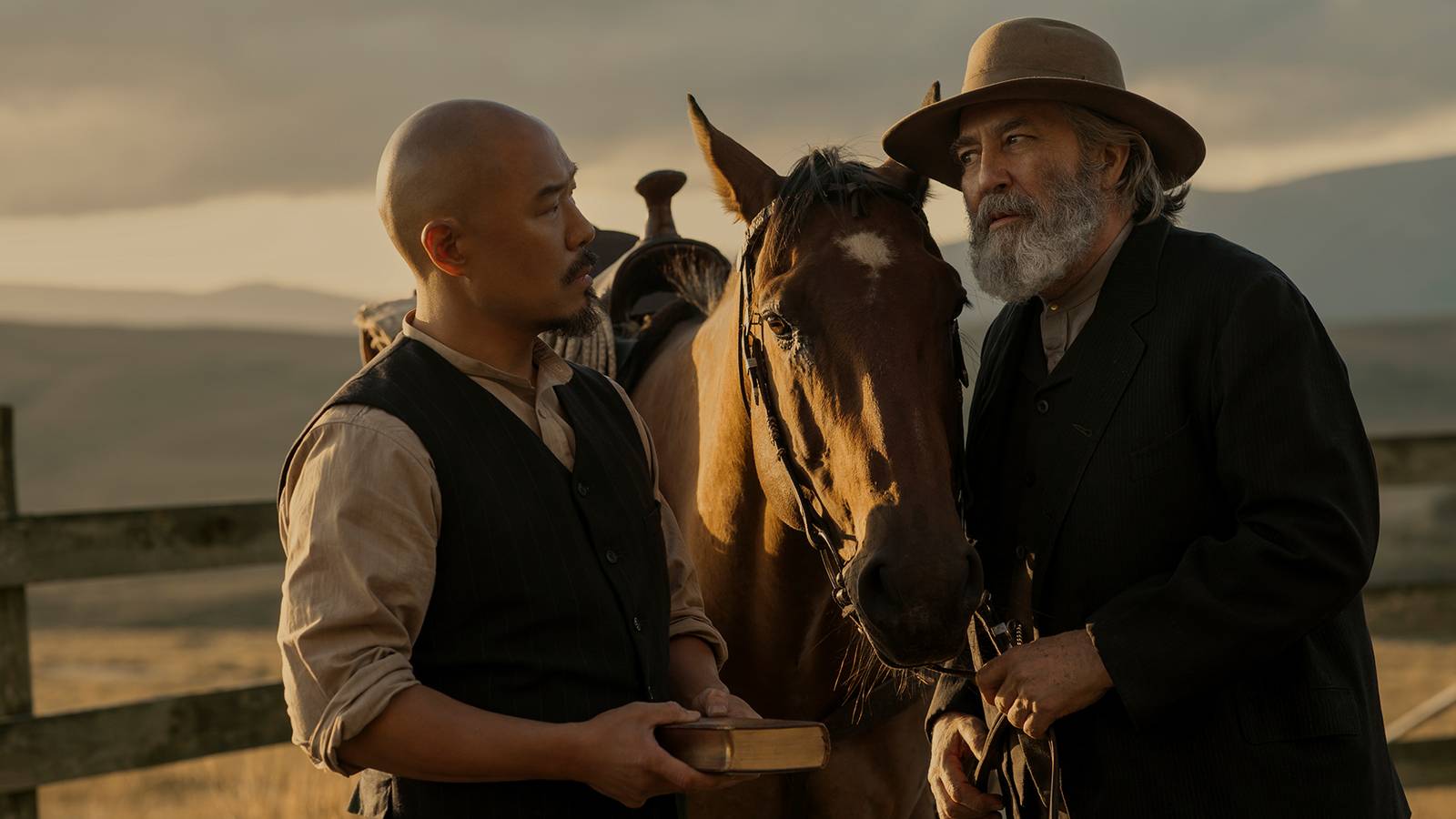
Zoe Kazan’s vision—bringing a writer’s eye to the narrative architecture—has been heavily credited for the show’s literary fidelity balanced with cinematic pacing. Furthermore, the performances of Florence Pugh and Hoon Lee (who portrays Lee, the philosophical houseman and anchor of the Trask household) have been singled out as masterclasses in breathing new life into legendary literary archetypes. Ciarán Hinds as Samuel Hamilton and Christopher Abbott round out an ensemble that critics agree elevates the material far beyond standard streaming fare.
Industry Implications: What This Means for Netflix and Literary Adaptations
The commercial and critical success of East of Eden carries several vital implications for the future of content production at Netflix:
- The Viability of Prestige Literature: In an age dominated by high-concept fantasy, true-crime docuseries, and fast-paced YA sci-fi, East of Eden proves that slow-burn, character-driven literary adaptations can still capture global audiences if executed with cinematic scale and top-tier talent.
- The "Sheridan Effect" Shift: While Netflix will undoubtedly continue chasing the robust audience metrics enjoyed by modern westerns and regional family sagas, East of Eden suggests that audiences are equally hungry for historical Americana that dives deep into philosophical and moral quandaries rather than pure action.
- Limited Series Sustainability: By pulling nearly 20 million views across its first two weeks while holding an 87% Rotten Tomatoes score, the series proves that limited-run prestige projects can serve a dual purpose: driving massive subscriber engagement while simultaneously bolstering the platform’s awards-season credibility.
As Netflix continues to flesh out its slate of historical and literary adaptations—riding high on the dual successes of Little House on the Prairie and East of Eden—audiences can expect more classic properties to receive the high-end, multi-episode treatment. For now, the dust of the Salinas Valley has settled comfortably at the top of the streaming charts.
Stay tuned to Collider for more updates, reviews, and exclusive interviews regarding the ongoing success of East of Eden.
