
A Symphony Across Eras: How The Legend of Zelda Celebrates 40 Years with Quartet of Time and a Monumental Ocarina of Time Remake
October 3, 2026
By Jared Stewart
Main Facts
As The Legend of Zelda franchise officially commemorates its monumental 40th anniversary, the cultural and emotional weight of its enduring legacy continues to resonate globally. Few elements of Nintendo’s flagship fantasy epic are as universally adored or instantly recognizable as its music—a rich, sweeping tapestry of melodies that has defined interactive storytelling for four decades.
To honor this milestone, the celebrated musical collective ZREO: Second Quest (formerly Zelda Reorchestrated) has partnered with ATLYS to produce a brand-new, string quartet-focused album titled The Legend of Zelda: Quartet of Time. Centered primarily around the timeless compositions of 1998’s The Legend of Zelda: Ocarina of Time, the project represents a profound dedication to the auditory history of the series.
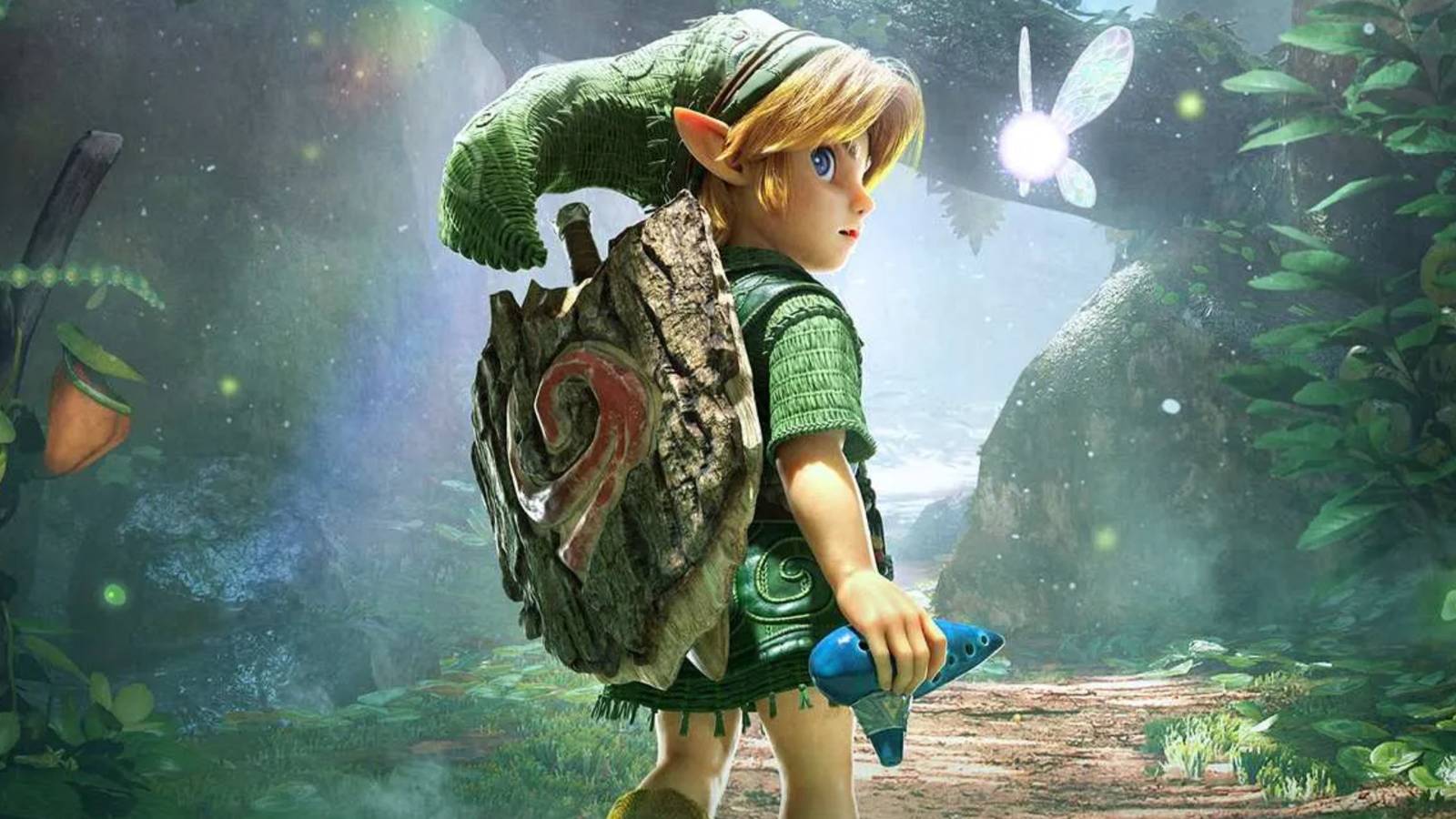
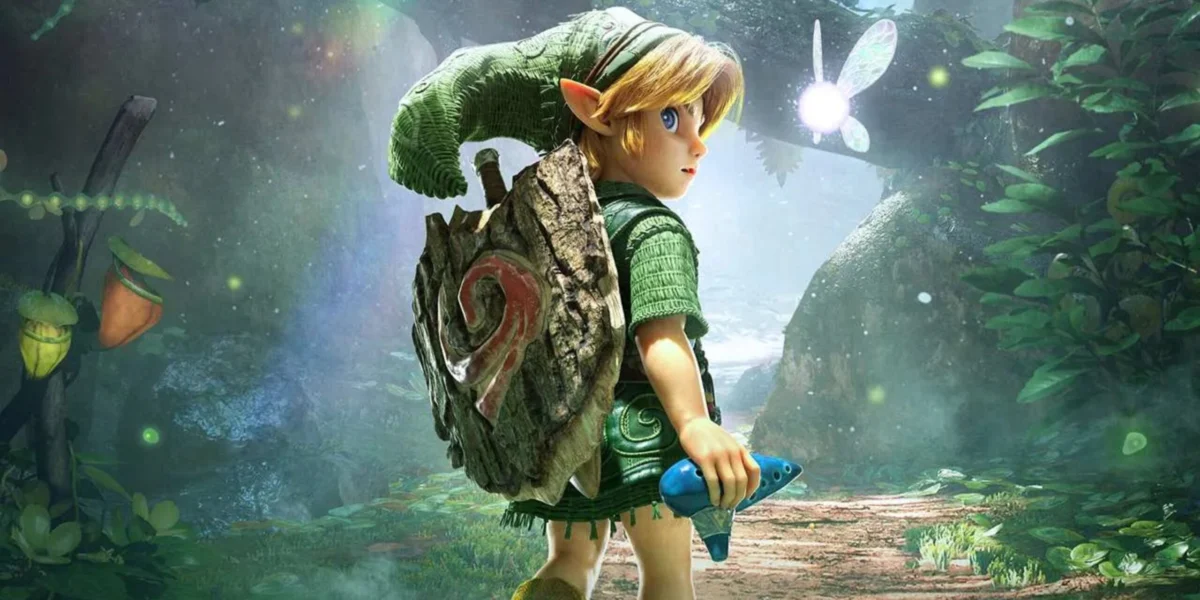
Simultaneously, the gaming world is bracing for the holiday 2026 release of the much-anticipated, ground-up remake of The Legend of Zelda: Ocarina of Time. Set to launch exclusively for the Nintendo Switch 2 on November 5, 2026, this modern visual and auditory reimagining promises to bridge the gap between nostalgic retro affections and cutting-edge next-generation hardware. Together, the new album and the impending remake serve as a grand crescendo for the franchise’s ruby anniversary.
Chronology
To understand the magnitude of 2026’s dual celebrations, one must look back at the trajectory of The Legend of Zelda and its relationship with music:
- February 1986: Nintendo releases the original The Legend of Zelda for the Famicom Disk System (and later the NES), introducing Koji Kondo’s iconic overworld theme—a foundational piece of video game history.
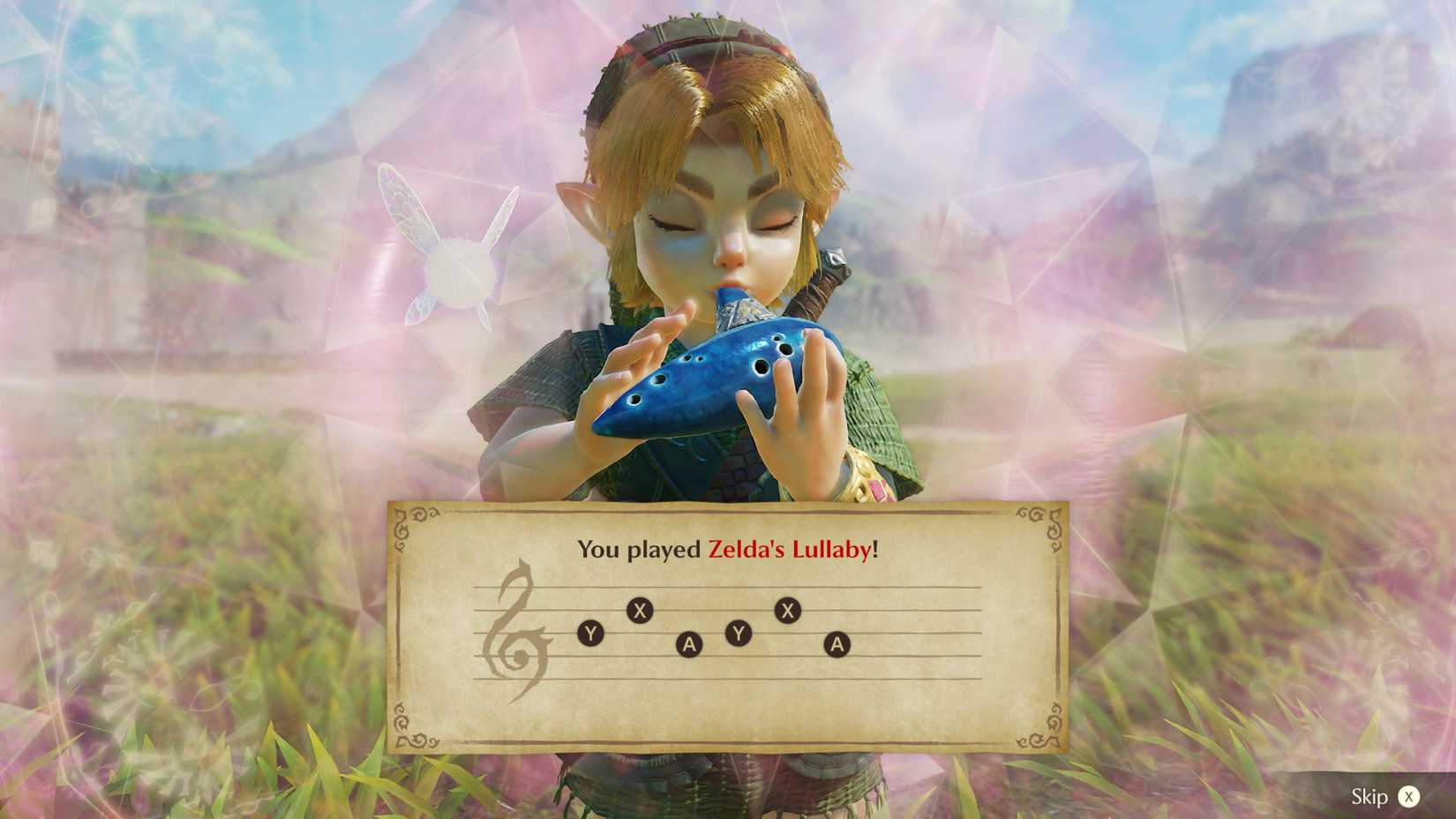
- November 1998: The Legend of Zelda: Ocarina of Time launches on the Nintendo 64. It revolutionizes 3D game design and integrates musical performance directly into core gameplay via Link’s magical ocarina, creating legendary tracks like "Song of Storms," "Zelda’s Lullaby," and "Bolero of Fire."
- The 2000s & 2010s: Franchises expand into grand orchestral arrangements. Tours like The Legend of Zelda: Symphony of the Goddesses bring symphonic versions of these chiptune and MIDI masterpieces to packed concert halls worldwide. Meanwhile, ZREO builds a dedicated fanbase by meticulously re-recording and breathing new acoustic life into classic game soundtracks.
- 2023–2025: Following the massive commercial and atmospheric success of Breath of the Wild and Tears of the Kingdom—games lauded for their minimalist, mood-driven ambient audio—fans look ahead to the franchise’s approaching 40th anniversary.
- October 2026: ZREO and ATLYS announce The Legend of Zelda: Quartet of Time, offering early access tracks to Patreon supporters and newsletter subscribers ahead of a full public rollout.
- November 5, 2026: The modernized, CGI-styled Ocarina of Time remake is scheduled to release on the Nintendo Switch 2, bringing unprecedented graphical fidelity and sonic depth to the classic Nintendo 64 adventure.
Supporting Data & Musical Legacy
The longevity of The Legend of Zelda is inextricably linked to its sonic identity. Unlike many franchises that rely on a single recurring motif, Zelda has continually reinvented its musical palette while retaining core emotional anchors.

- The Evolution of Sound: From the synthesized beeps of the 8-bit era to the sweeping orchestral arrangements of Twilight Princess and Skyward Sword, and finally to the evocative, environmental piano strokes of Breath of the Wild, Nintendo’s sound design has continually adapted to technological shifts.
- The ZREO and ATLYS Collaboration: ZREO: Second Quest has spent years preserving and elevating the franchise’s music. Their catalog spans complete orchestral interpretations of A Link to the Past, Majora’s Mask, The Wind Waker, and beyond. Quartet of Time introduces a more intimate yet deeply resonant texture by stripping the music down to a sophisticated string quartet format in partnership with ATLYS.
- Accessibility and Early Access: True to modern fan-focused distribution models, ZREO has made individual tracks from Quartet of Time available early to dedicated supporters via their Patreon and official website mailing list, fostering a tight-knit community excitement ahead of the official album launch.
Official Responses and Fan Reception
The announcement of both Quartet of Time and the Ocarina of Time remake has sparked an overwhelmingly positive wave of nostalgia and anticipation across the gaming community.
Representatives from ZREO: Second Quest have emphasized that Quartet of Time is a labor of love designed to highlight the intricate, timeless songwriting of Koji Kondo, Reo Nagahori, and Minako Hamano. The blend of classical string arrangements with beloved video game motifs has consistently proven to be a winning formula, bridging the gap between classical music enthusiasts and die-hard gamers.
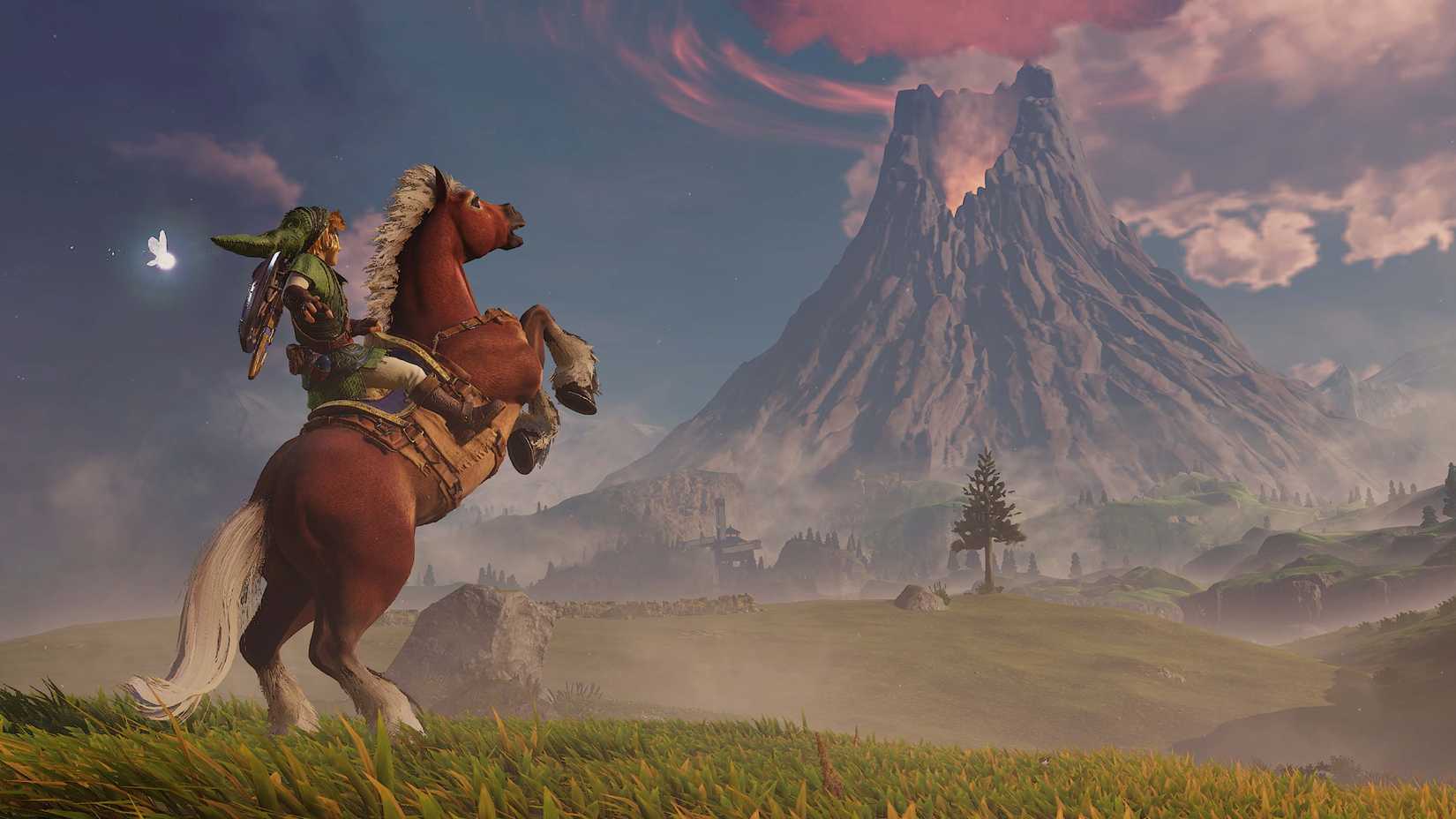
Meanwhile, fan reactions to the Ocarina of Time remake have focused heavily on its bold aesthetic choices. While past re-releases have leaned into stylized remasters or faithful handheld remakes (such as Grezzo’s work on Link’s Awakening), the upcoming Nintendo Switch 2 version breaks new ground. By adopting a modern, high-fidelity CGI art style, Nintendo is consciously stepping away from the cartoonish whimsy of the original Nintendo 64 polygons in favor of cinematic realism. Community discussions have praised this ambition, viewing it as a respectful yet daring evolution of a sacred gaming text.
Implications for the Future
The convergence of The Legend of Zelda: Quartet of Time and the Ocarina of Time remake in late 2026 carries profound implications for Nintendo and the broader video game industry:
1. A New Blueprint for Remakes
The stylistic departure seen in the upcoming Ocarina of Time remake suggests that Nintendo is willing to treat its classic catalog with cinematic, high-budget reverence. If this modern CGI aesthetic proves successful on the Nintendo Switch 2, it could open the floodgates for similar full-scale remakes of other beloved entries, such as Majora’s Mask or Twilight Princess, fundamentally altering how classic games are preserved and modernized.
2. The Commercialization of Video Game Orchestration
Projects like Quartet of Time demonstrate that the market for high-end, fan-driven and independent video game music production is stronger than ever. As video game soundtracks are increasingly recognized as legitimate, high-art masterpieces on par with traditional cinematic scores, specialized acoustic and orchestral reinterpretations will likely continue to thrive, bridging the gap between digital entertainment and the traditional concert hall.
3. Sustaining a 40-Year Legacy
Ultimately, these concurrent milestones prove that The Legend of Zelda is not merely resting on its laurels. By honoring its past through meticulous acoustic preservation while pushing technological boundaries with next-generation hardware remakes, Nintendo ensures that Hyrule remains a living, breathing world capable of captivating both veteran adventurers and entirely new generations of players for decades to come.
As 2026 draws toward its winter crescendo, the release of The Legend of Zelda: Quartet of Time and the Ocarina of Time remake will stand as a golden benchmark for how a legendary franchise can celebrate its history while marching boldly into the future.
