
The Evolution of the Portable Powerhouse: Apple Unveils the OLED iPad mini
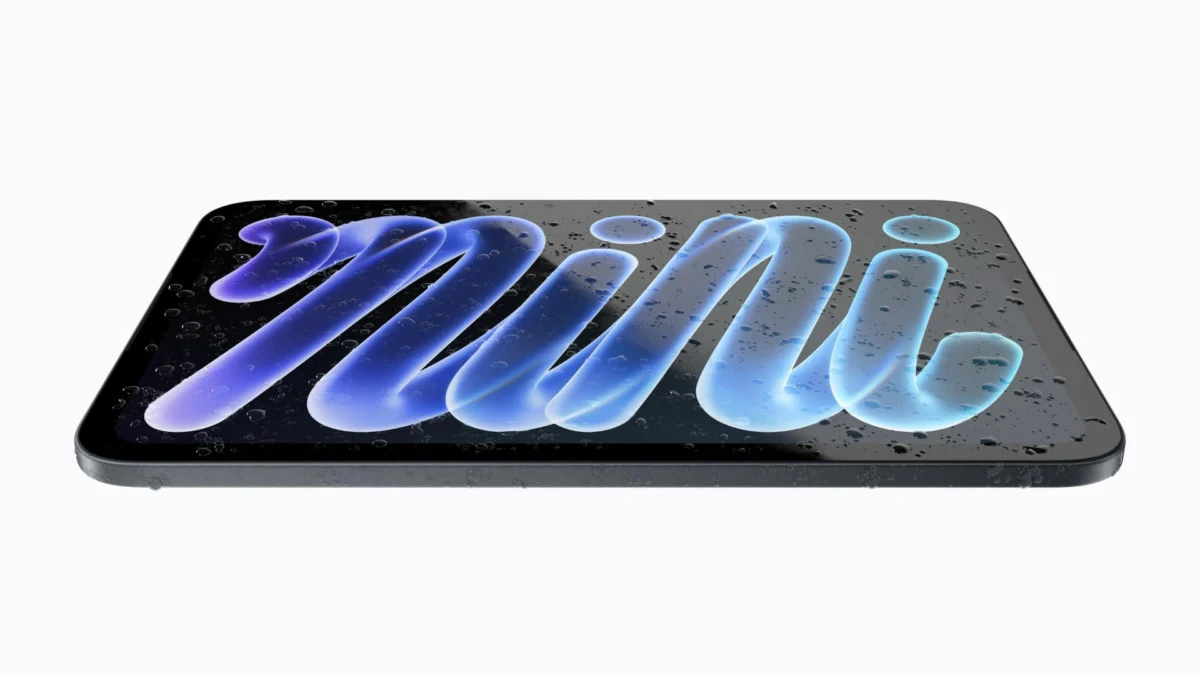
Apple has officially pulled the curtain back on the latest iteration of its smallest tablet, the iPad mini, marking a significant technological leap for the product line. Announced today, the new iPad mini represents a radical departure from its predecessors, moving to a cutting-edge OLED display architecture, integrating the ultra-efficient A20 Pro silicon, and achieving a milestone in durability with its inaugural IP67 water and dust resistance rating.
This announcement serves as the opening act in what promises to be a transformative week for Apple, with the tech giant signaling a series of daily reveals culminating in the highly anticipated unveiling of its first touchscreen-enabled MacBook Pro this coming Wednesday. For enthusiasts of the compact tablet form factor, Monday’s announcement confirms that Apple continues to view the "mini" as a premium powerhouse rather than a budget alternative.
Main Facts: A New Standard for Small-Form Tablets
The new iPad mini is defined by its synthesis of extreme portability and workstation-level performance. At its heart lies the A20 Pro chip, manufactured on a 2-nanometer process. This silicon powerhouse boasts a 6-core CPU and a 7-core GPU, with dedicated Neural Accelerators integrated into every core. The technical leap is substantial: Apple claims a 4.5x increase in AI-driven task performance, 2.7x faster graphics rendering, and a 60% boost in multithreaded CPU efficiency compared to the 2024 model.
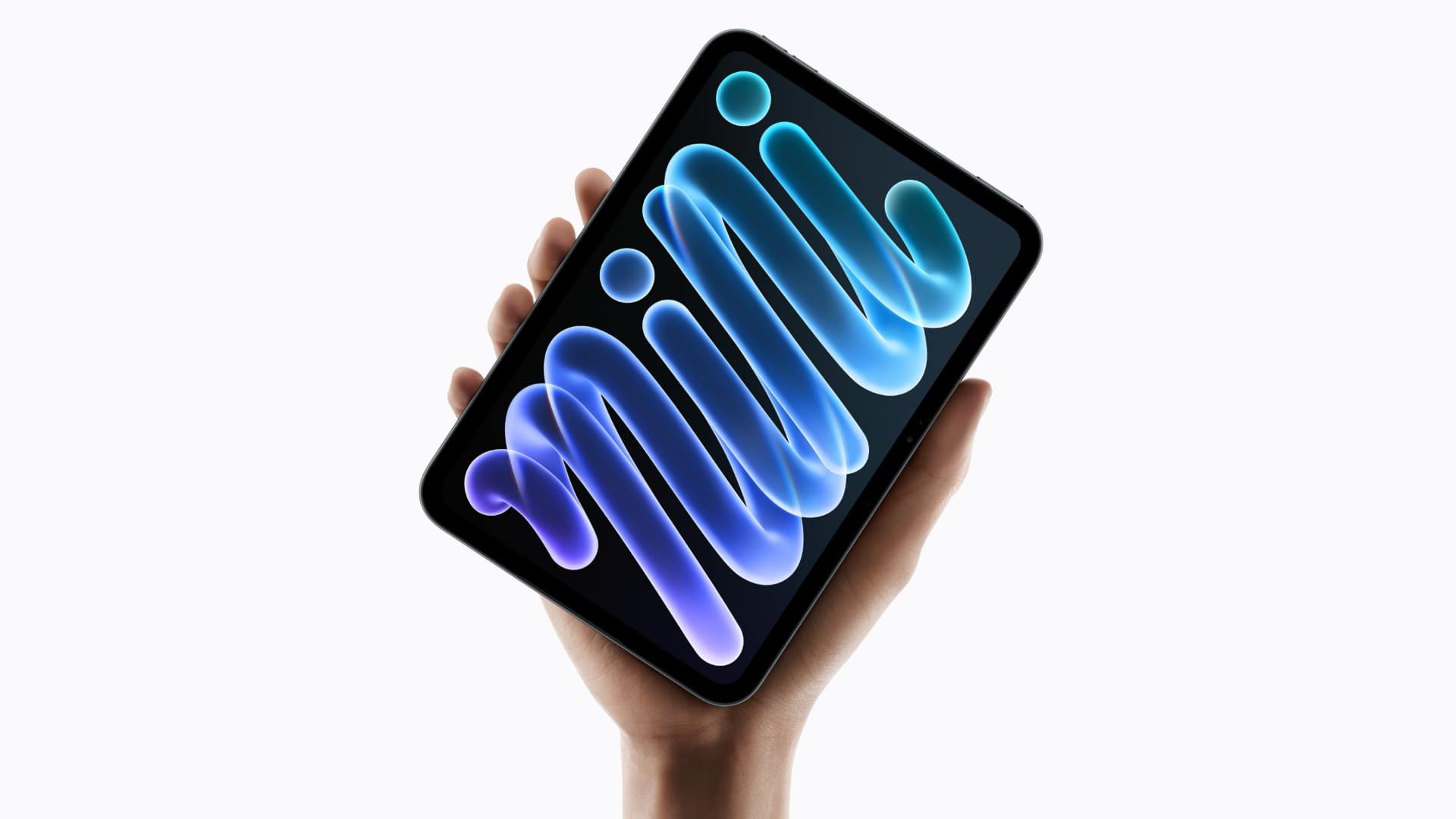
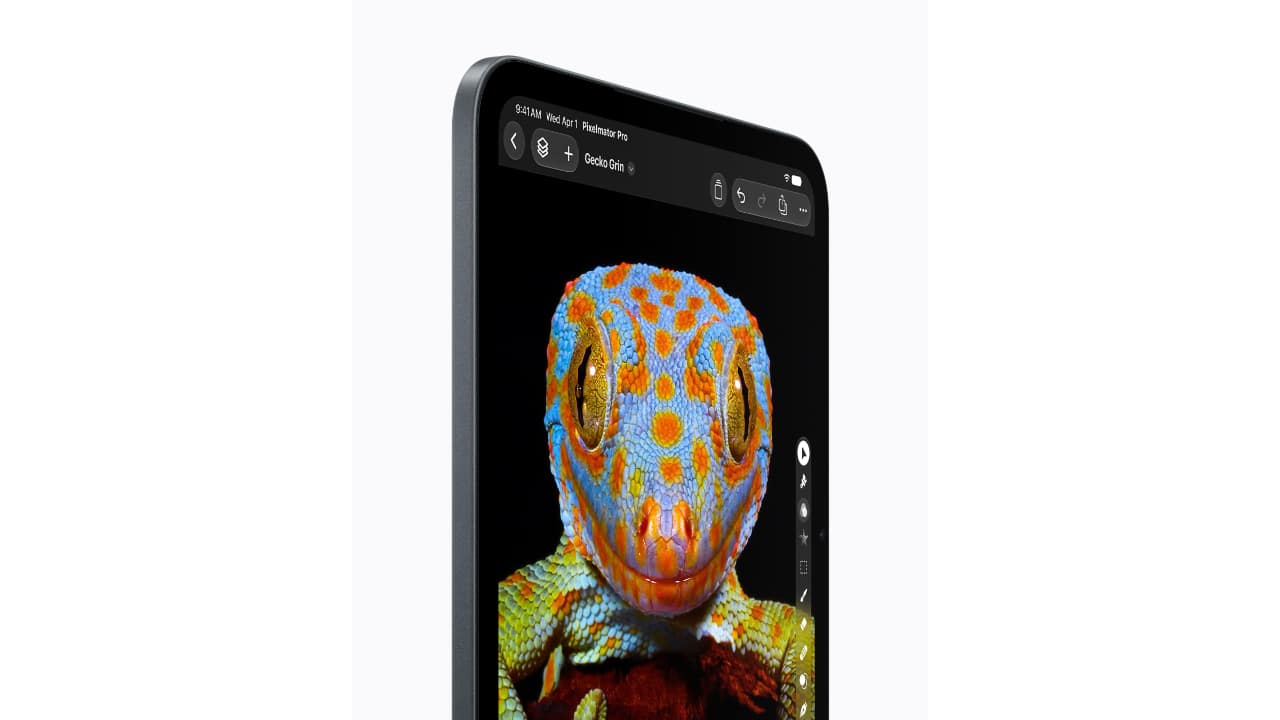
The most visually striking update is the transition to an 8.5-inch Super Retina XDR OLED display. By shaving 24% off the bezels, Apple has managed to expand the screen real estate from 8.3 inches while maintaining a remarkably similar footprint. The panel delivers a peak brightness of 1,200 nits, doubled from the previous generation, alongside a 2,000,000:1 contrast ratio and a 1-nit minimum brightness for comfortable late-night reading.
However, this luxury comes at a cost. The new iPad mini enters the market with a starting price of $699—a $200 premium over the current entry-level price point of the outgoing model. For power users, the device is available in 128 GB, 256 GB, and 512 GB configurations, with the two higher-capacity models offering an optional nano-texture display glass for reduced glare.
Chronology: The Road to the OLED Reveal
The lead-up to this announcement has been marked by a flurry of industry speculation. For months, supply chain analysts had hinted at a "major refresh" for the iPad mini, but the timing remained a closely guarded secret.
- Early October: Reports surfaced regarding Apple’s intent to reorganize its product launch schedule, moving away from singular, massive events toward a week-long series of thematic announcements.
- Late October: Tech insiders correctly identified that the week of October 28th would be dominated by hardware news, with the iPad mini acting as the precursor to the larger MacBook reveals.
- Monday Morning: Apple confirmed the launch, positioning the new mini as a bridge between the casual consumption device of the past and the professional-grade creative tool of the future.
- Wednesday, October 28: Pre-orders officially commence across 36 countries and regions.
- November 6: The official market release date, marking the day the device hits retail shelves and reaches the hands of early adopters.
Supporting Data: Engineering the "Weight Loss" Program
Apple’s engineering team has prioritized thermal efficiency and ergonomic refinement in this redesign. The 2024 model, while capable, was often criticized for its weight when held for extended reading sessions. The new chassis has undergone a significant "weight loss" program.
The WiFi-only variant now weighs in at a feather-light 255 grams (0.56 lb), while the cellular model weighs 263 grams (0.58 lb). This is a noticeable reduction from the previous 293-gram and 297-gram benchmarks, respectively. Beyond weight, the physical dimensions have been slimmed down to a depth of 5.4 mm (0.21 in)—a 14% reduction in thickness. This surgical precision in design ensures that the device feels less like a traditional tablet and more like an extension of the user’s palm.
The Connectivity and Imaging Suite
The technical specifications extend far beyond the display and processor:
- Wireless Standards: Powered by the new Apple N1 chip, the device supports WiFi 7, Bluetooth 6, and Thread networking, ensuring it is future-proofed for the next generation of smart home and low-latency peripherals.
- Imaging: The 12 MP front camera has been relocated to the landscape edge, an ergonomic improvement for video conferencing. The 12 MP rear camera now features Smart HDR 4 and an Adaptive True Tone flash, making it a surprisingly capable tool for document scanning and quick photography.
- Cellular: The inclusion of the C2 modem allows for data speeds up to 50% faster than previous iterations, with full eSIM support for seamless global roaming.
The "Acoustic Display": A New Frontier in Audio
Perhaps the most experimental feature of the new iPad mini is the "Acoustic Display." In a move to reclaim internal space previously occupied by traditional speaker grilles, Apple has integrated woofers directly into the display panel, complemented by custom tweeters tucked between the glass and the aluminum enclosure.
While Apple has historically struggled with stereo separation in compact tablets, the acoustic display technology aims to vibrate the glass in a controlled manner to produce sound. Industry analysts are waiting for the device to reach the "Pro and Tell" event on Wednesday to gauge whether this implementation provides the necessary "bottom end" and spatial width required for immersive media consumption. If successful, this could set a new standard for how mobile devices handle audio, effectively turning the entire screen into a soundboard.
Implications: A Shifting Market Strategy
The decision to price the iPad mini at $699 suggests a shift in Apple’s market strategy. By pushing the iPad mini into a higher price bracket, Apple is effectively bifurcating the iPad lineup. The standard iPad remains the entry-level consumer device, while the mini is being repositioned as a "Pro-in-miniature."
Professional Implications
For field professionals—pilots, doctors, and creative directors—the combination of an A20 Pro chip, a 512 GB storage option, and an IP67 rating makes the iPad mini a legitimate workstation. The IP67 rating, in particular, is a game changer, allowing the device to withstand accidental spills or dust exposure in harsh environments, effectively removing the need for bulky, protective "ruggedized" cases.
The AI-Integrated Ecosystem
The mention of the Dual 16-core Neural Engine on the 512 GB model highlights Apple’s aggressive push into local AI processing. By keeping the heavy lifting on-device, Apple is ensuring that the iPad mini can handle complex photo editing, real-time language translation, and generative AI tasks without relying on cloud-based latency. This creates a compelling argument for the device as a "pocket AI computer."
Official Responses and Industry Outlook
While Apple has not yet issued a formal statement beyond its press release, early feedback from the design community has been largely positive regarding the hardware refinements. Critics, however, have noted the steep price hike as a potential barrier for students and casual users who previously saw the mini as the "affordable" entry point into the tablet world.
The overarching theme of this launch is clear: Apple is no longer interested in the "cheap" tablet market. By prioritizing high-end features—OLED, 2nm silicon, and advanced acoustics—they are betting that users are willing to pay for premium performance regardless of the physical size of the device.
As the tech world looks toward Wednesday’s touchscreen MacBook Pro announcement, the iPad mini serves as a technological precursor. It demonstrates that Apple’s current design philosophy is centered on the integration of hardware and AI, blurring the lines between what is considered a "mobile device" and what is considered a "professional machine."
With availability starting on November 6, the coming weeks will determine whether the market is ready to embrace a high-end, high-cost, and high-performance miniature tablet. For now, the new iPad mini stands as a testament to Apple’s commitment to iterating on its most beloved form factor, ensuring that the "mini" moniker no longer implies a compromise in capability.
