Inside the Las Vegas Convention Center: How B2C Experiential Marketing Transformed the NACS Show Floor
LAS VEGAS — From pepperoni pizza drizzled with hot honey to Kraft Cheesy Ramen, the culinary landscape of American convenience stores is undergoing a seismic, flavor-driven shift. But the real revolution at this year’s National Association of Convenience Stores (NACS) Show wasn’t just on the plates; it was in the aisles.
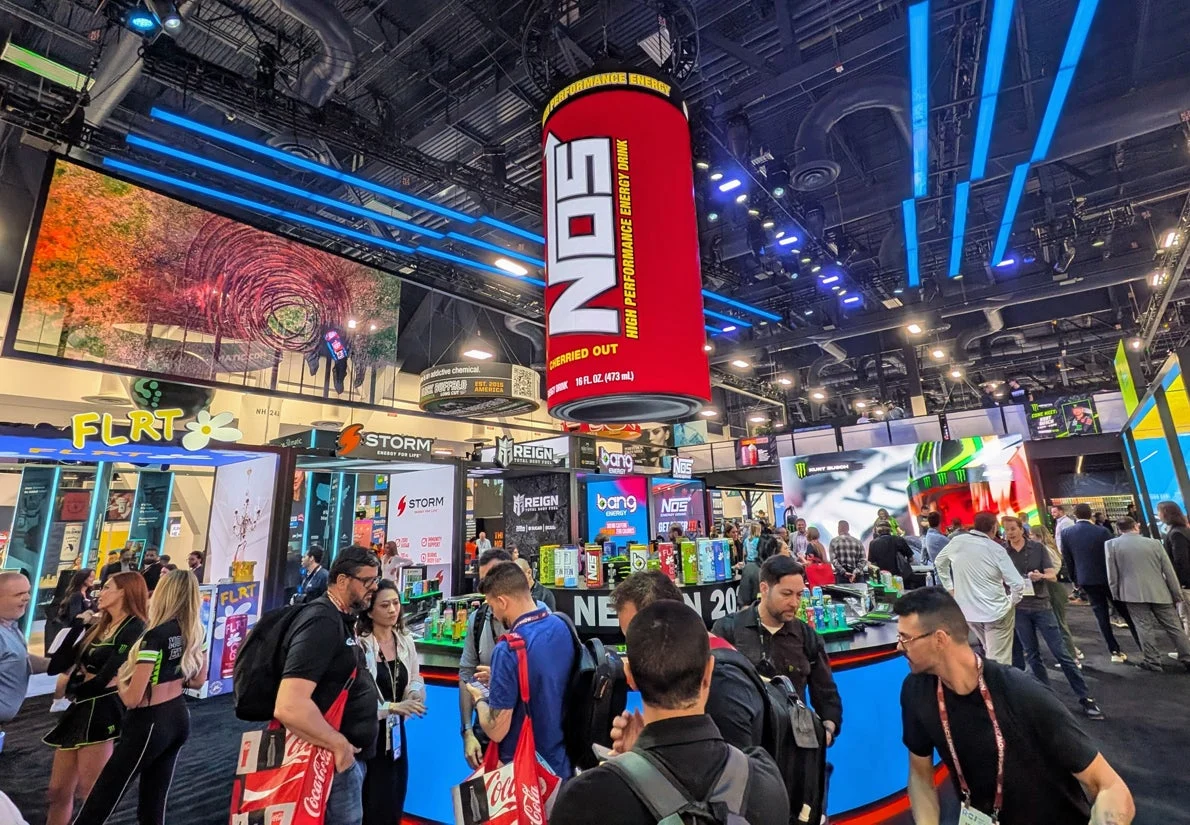
Returning to the Las Vegas ConventionCenter, the massive annual trade gathering brought together more than 1,100 exhibitors and over 24,000 convenience and fuel retailing professionals. Yet, amid the traditional rows of commercial refrigeration units, fuel pumps, and back-office software, a striking trend emerged: top-tier brands abandoned standard corporate trade show booths in favor of immersive, B2C-grade experientialmarketing.
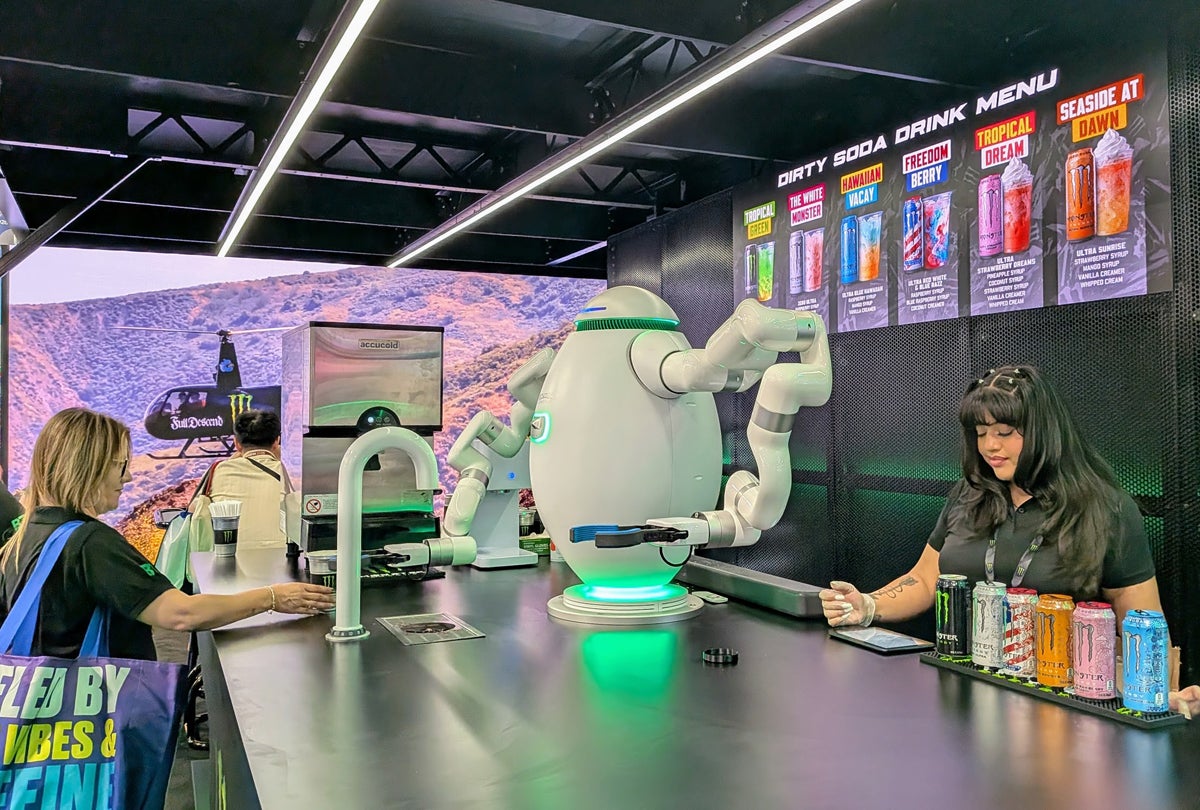
By treating B2B retail buyers like everyday consumers—wooing them with cinematic activations, miniature roadside farmstands, and robot bartenders—exhibitors proved that closing a retail deal starts with creating an unforgettable brand experience.
Main Facts: The 2026 NACS Show Experience
The NACS Show stands as the premier global event for the convenience and fuel retailing industry, serving as the central marketplace where products, technology, and services are introduced to the supply chain. However, the 2026 iteration marked a philosophical turning point for brand exhibition design.
Rather than relying on static product catalogs and dry corporate pitches, major CPG (Consumer Packaged Goods) and tech brands invested heavily in environmental storytelling. Key highlights included:
Scale and Scope: Over 24,000 retail professionals navigated 1,100+ exhibits spanning the Las Vegas Convention Center floor.
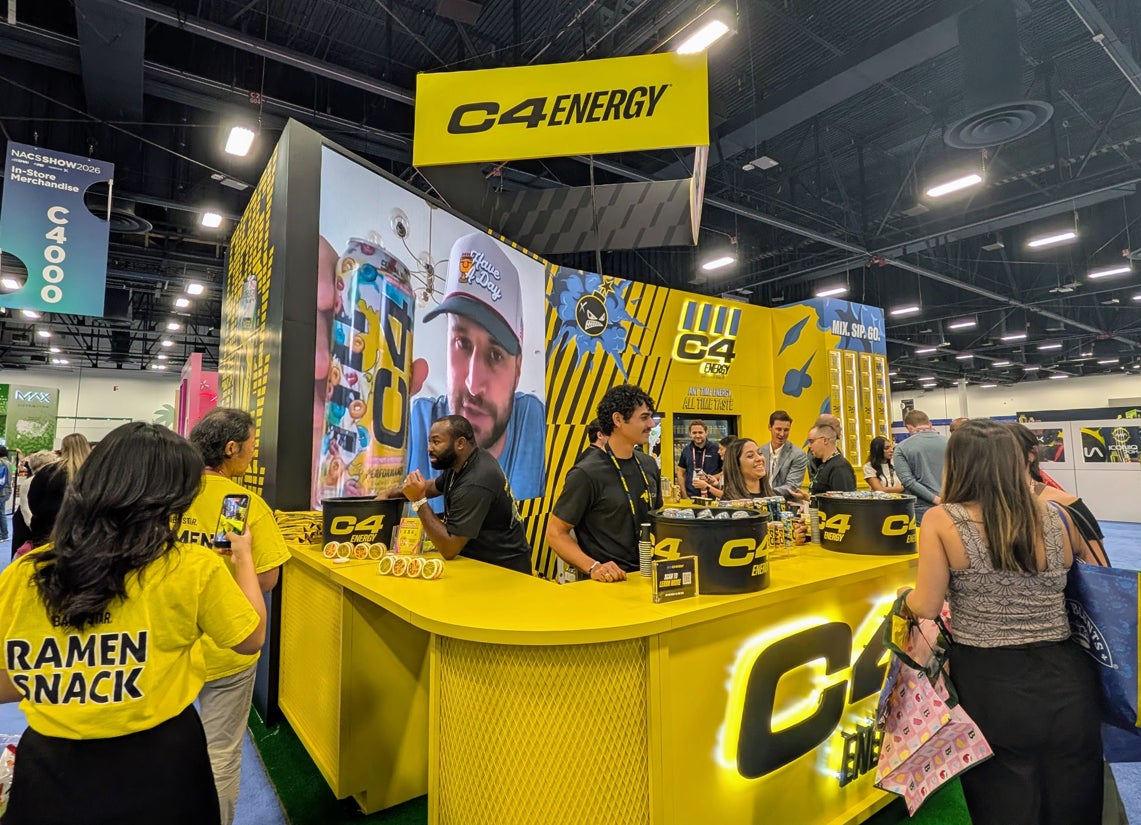
Experiential Retail Fusion: Brands like Hershey, Kraft Heinz, C4 Energy, and Barebells blurred the line between trade show booth and retail storefront.
Tech-Infused Operations: Infrastructure and payment tech giants like Electrify America and Verifone utilized interactive installations to demonstrate uptime, charging capabilities, and frictionless POS (point-of-sale) solutions.
The Flavor Frontier: High-growth flavor trends—ranging from nostalgic breakfast cereals to complex spicy-sweet flavor profiles—dominated product sampling menus.
Chronology: A Multi-Day Journey Through Retail Innovation
Days One and Two: Setting the Stage and Unveiling the Innovation
As the doors of the Las Vegas Convention Center opened, attendees were immediately met with a sensory overload. The early hours of the event saw heavy foot traffic converging on the sprawling exhibits near the center’s main thoroughfares.
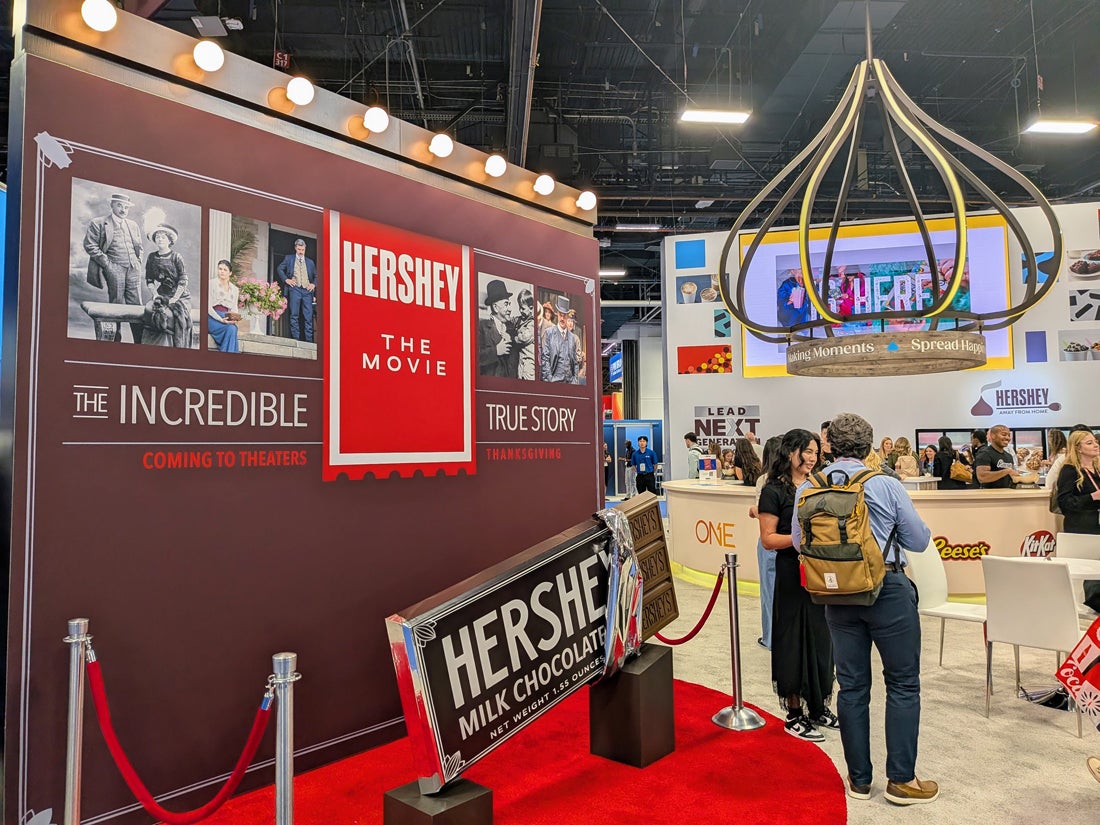
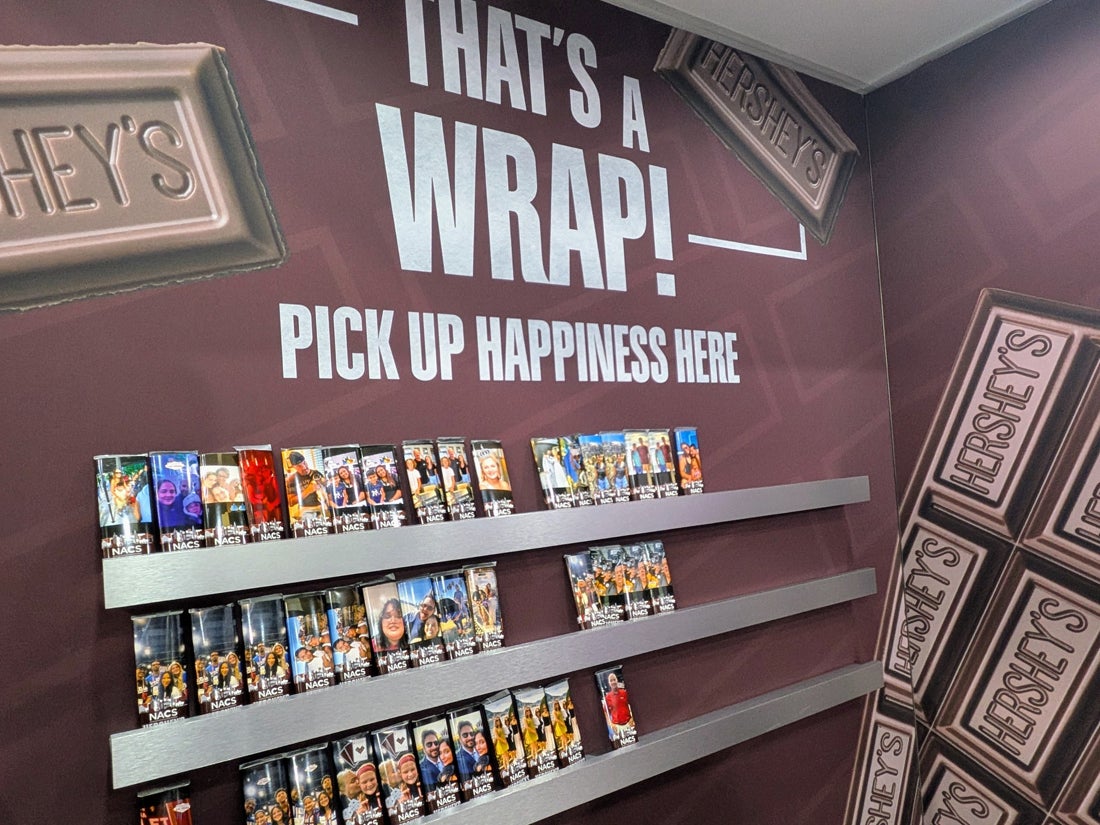
Hershey set an immediate high-water mark for entertainment marketing. Capitalizing on its upcoming feature film releasing in November, the brand constructed a cinematic exhibit that immediately drew crowds. Attendees were invited to “take a bite out” of the iconic candy bar at a dedicated photo activation or secure a personalized wrapper at the “That’s a Wrap! Pick Up Happiness Here” station, successfully pairing Hollywood buzz with tactile product interaction.
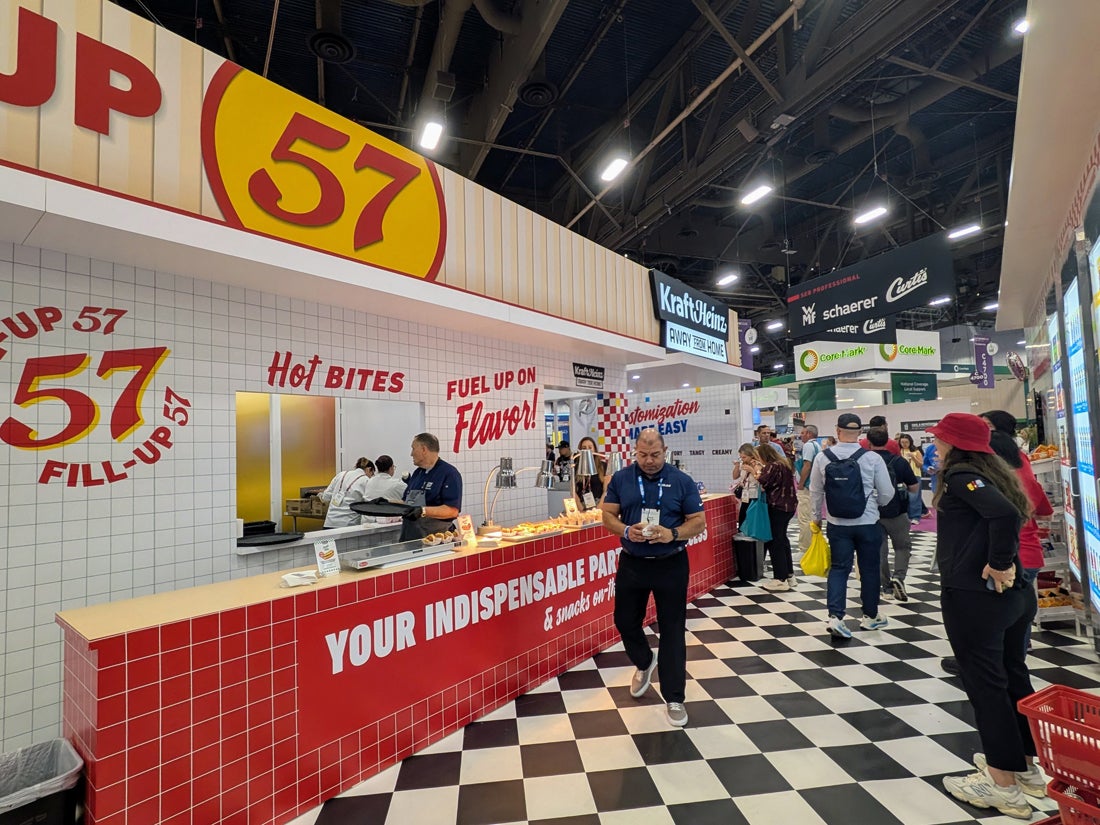
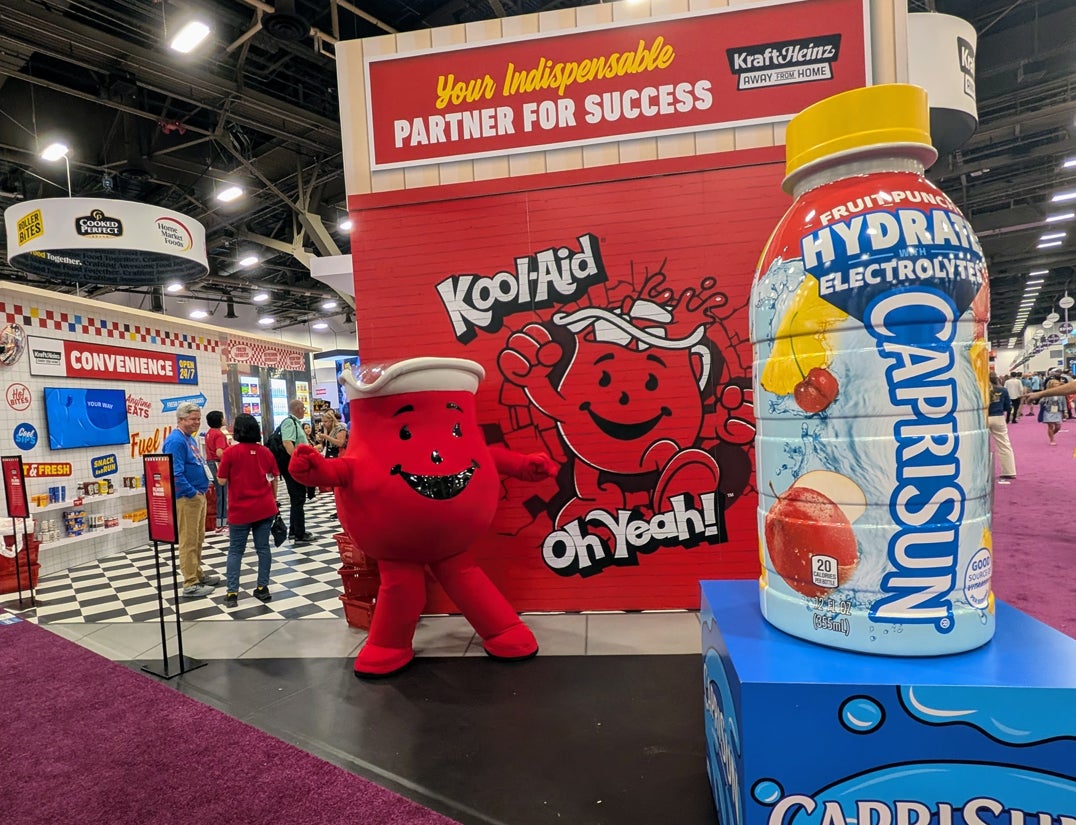
Simultaneously, the Kraft Heinz exhibit established its presence at the entrance of the hall, greeted by the iconic Kool-Aid Man and a classic Wienermobile. Inviting retailers to “Fuel Up on Flavor,” the dual-sided walkthrough allowed buyers to sample next-generation menu additions—such as hot dogs and gourmet cheesy ramen—while studying packaged product arrays lining stylized refrigerator walls.
Days Three and Four: Deep-Dive Demos, Tech Integration, and Strategic Sampling
As the convention progressed past the initial wave of discovery, the focus shifted toward operational viability, data capture, and sustained engagement.
Tech and infrastructure providers like Verifone and Electrify America capitalized on this mid-show pivot. Verifone’s illuminated, light-themed booth emphasized its “always on” core promise. Attendees utilized touch kiosks to order refreshments at a branded café while reviewing the new Commander foodservice sub-brand.
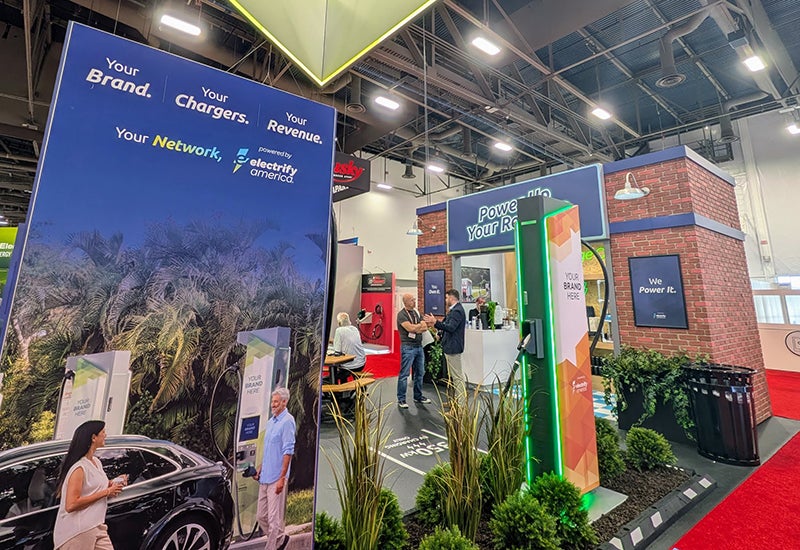
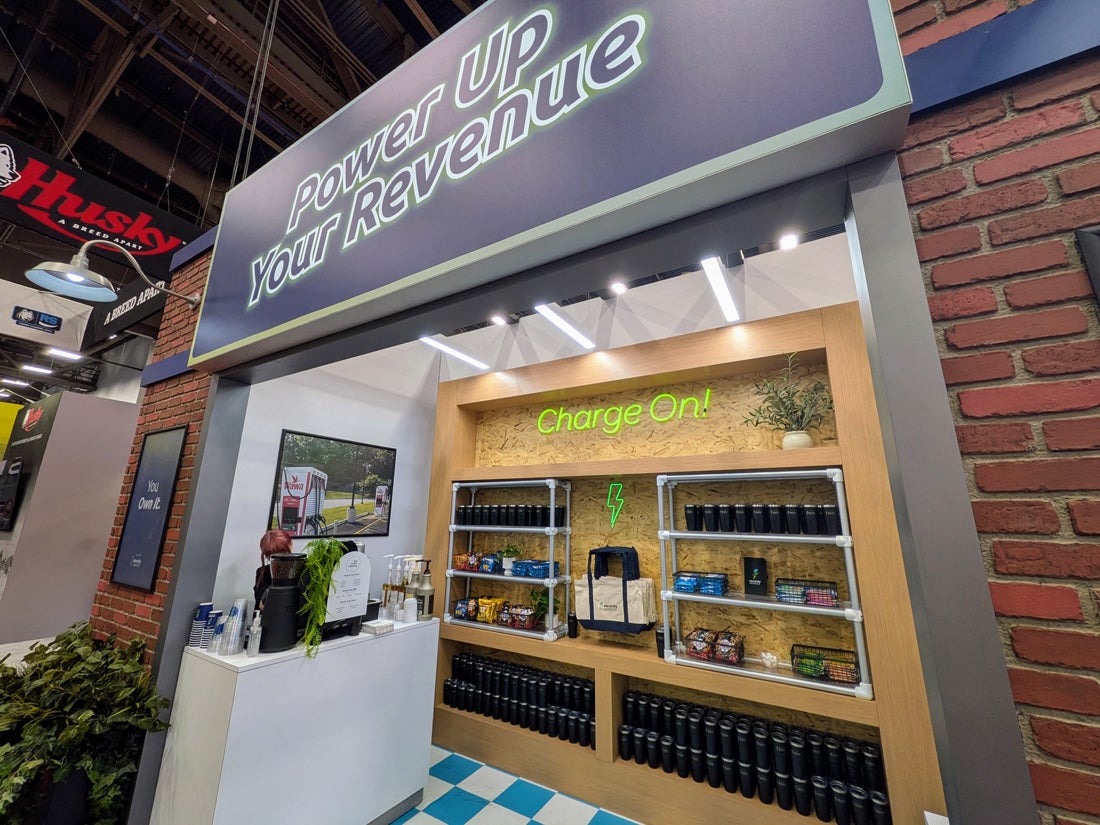
Meanwhile, Electrify America welcomed retailers into a fully realized miniature charging ecosystem. Complete with custom-wrapped chargers, professional landscaping, and the “Charge On” storefront, the exhibit allowed prospective partners to visualize how EV charging stations could seamlessly integrate into their existing retail footprints.
Supporting Data: Measuring ROI on the Exhibition Floor
In today’s hyper-competitive trade show ecosystem, creative design must be backed by rigorous performance metrics. Exhibitors at the 2026 NACS Show moved far beyond traditional "lead count" metrics, deploying sophisticated, multichannel tracking frameworks to measure the tangible impact of their physical footprints.
Digital Integration & Lead Capture: Electrify America paired its physical booth design with a robust integrated marketing campaign spanning LinkedIn ads, localized Uber advertisements in Las Vegas, and pre-booked executive meetings. Booth interactions were tracked in real-time using strategic QR code scans, allowing marketing teams to adjust their strategy on the fly to meet key performance indicators (KPIs).
Comprehensive Feedback Loops: Verifone adopted a multi-layered measurement model. The company tracked formal meetings, SMS campaign opt-ins, rebate program opt-ins, and deployed the "Your Voice Matters" Net Promoter Score (NPS) survey to gauge immediate B2B sentiment.
Massive Consumer-Facing Runways: For brands like C4 Energy, the NACS presence was the capstone of a broader summer experiential campaign that distributed over 1,000,000 cans across high-energy consumer touchpoints, including marathons, surfing competitions, and music festivals.
Official Responses: What Industry Leaders Are Saying
The shift toward B2C experiential design was driven by a deliberate strategy to humanize B2B relationships and demonstrate real-world commercial viability.
Marit Kruger, senior planning and sales manager at Kraft Heinz, highlighted the unique challenge—and opportunity—of servicing both food service and traditional retail channels.
"Our biggest goal for this show was making it relatable for C-stores," Kruger explained. "We service restaurants and grocery, so because we represent both sides of the business, we wanted to bring it together with a holistic approach."
For infrastructure providers, the goal was to demystify emerging technologies for risk-averse retailers. Misti Murphey, director of marketing at Electrify America, emphasized the importance of spatial visualization.
"We wanted the retailers to visualize exactly what it would be like to have these chargers in their parking lot and how it would be part of their customer experience," Murphey noted.
In the beverage and lifestyle categories, standing out amid sensory fatigue was paramount. Marquel Carter, vice president of local integrated marketing at C4 Energy, discussed the brand’s pivot toward a broader consumer lifestyle.
"We want to make sure we show up where our community is, moving toward the athleisure active lifestyle that takes us out of just the gym and sporting events to these other cultural moments," Carter said.
This sentiment was echoed by Sally Denapoli, senior manager of design at Spindrift, whose brand opted for a minimalist, organic approach.
"Our booth stands out because of the refreshing change of pace and aesthetics on a very loud floor," Denapoli shared. "We wanted it to be minimal and clean, like our products, and let them speak for themselves."
Finally, Verifone underscored the psychological importance of brand continuity. Amy Tennison, vice president of North America petro and partner marketing, explained the conceptual architecture behind their installation:
"Our concept is that your site is always on, which is our core promise. So with our booth, we’re playing up this idea of light. You’ll see it in the LED lights, our rebranded Café, even our giveaways—LED hats and lanyards—are about never going dark."
Implications: The Future of Convenience Store Retailing
The success of the 2026 NACS Show signals a permanent evolution in how brands pitch products to convenience and fuel retailers. Several long-term implications emerge from this year’s convention floor:
The Consumerization of B2B Trade Shows: Retail buyers are consumers first. By offering them engaging, emotional brand experiences—such as Barebells’ retro Swedish Mini Mart or Monster Energy’s robot-tended dirty soda bar—exhibitors proved that emotional resonance drives commercial buy-in faster than technical specification sheets alone.
Holistic Omnichannel Integration: Successful brands demonstrated that a physical trade show booth cannot exist in a vacuum. The most effective exhibits were anchors for comprehensive omnichannel campaigns that began with pre-show digital advertising and extended into post-show retail placement.
Elevated Expectations for Storefront Infrastructure: As showcased by Electrify America and Verifone, convenience store operators are no longer just looking for products to put on shelves; they are seeking complete, turn-key solutions for modernizing their physical locations, incorporating everything from EV charging networks to advanced POS foodservice sub-brands.
Lifestyle and Alternative Formats: The rapid expansion of functional beverages—such as C4’s high-caffeine lines and its alcohol-alternative "All Hopped Up" beer-flavored drink—demonstrates that modern convenience stores must cater to shifting wellness and lifestyle preferences among younger demographics.
As the retail sector looks ahead, the takeaway from Las Vegas is clear: whether launching hot honey-drizzled pizza, cutting-edge payment portals, or sustainable charging stations, the brands winning the future are those bold enough to bring their stories to life.