
Trend of the Week: How "Aperitivo Culture" is Redefining Brand Experiential Marketing
By Event Marketer Staff
Co-produced with the support of Pinnacle.
Introduction & Main Facts
The timeless essence of aperitivo culture—the beloved Italian social ritual centered around gathering for light, pre-dinner drinks, savory bites, and unhurried conversation—has officially cemented itself as a dominant force in modern experiential marketing. Brands across categories from spirits to snacks are weaving this relaxed social framework into high-impact sampling experiences, transforming traditional product promotions into vibrant, community-focused branded settings.
This cultural shift is fueled by a convergence of evolving consumer behaviors and appetites. Modern audiences are increasingly gravitating toward early-evening social gatherings, rejecting late-night partying in favor of balanced lifestyles. At the same time, consumers demand polished, highly shareable physical footprints that look stunning on social media channels, alongside a deeper craving for slow-paced, intentional rituals and an industry-wide uptick in consumption moderation.
Rather than pushing high-volume, late-night alcohol consumption, today’s experiential campaigns invite consumers to "grab a spritz and join us in the piazza," emphasizing connection, mindfulness, and flavor exploration. From major stateside spirits debuts to unexpected snack brand takeovers at prestigious European design festivals, major global players are proving that the Italian way of life is the ultimate blueprint for engaging modern consumers.
Chronology: How the Trend Unfolded
The rapid expansion of aperitivo-themed experiential activations has taken shape across major cultural hubs throughout the spring and early summer seasons. A chronological look at recent high-profile activations illustrates how the trend has accelerated globally:
Spring: Peroni Brings La Dolce Vita to London
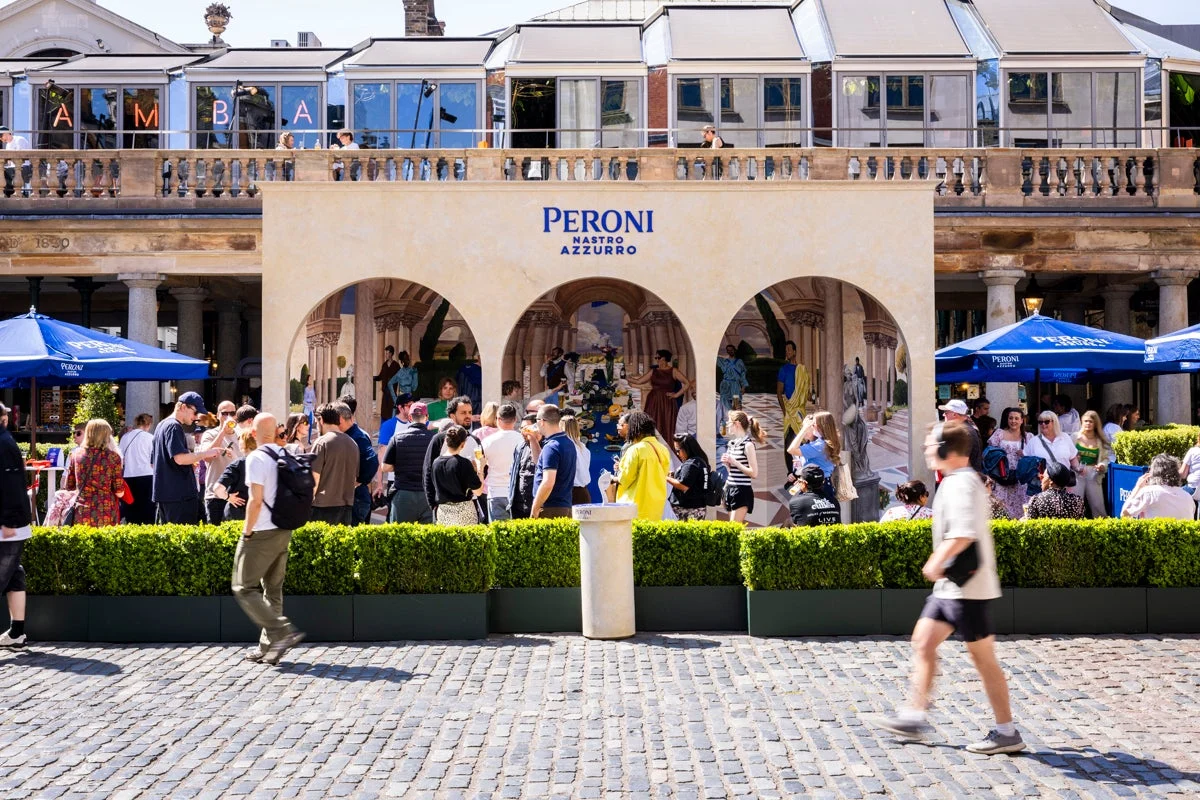
Shoppers passing through London’s bustling Covent Garden were treated to an unexpected slice of Italian lifestyle with "Il Fresco di Peroni." The Italian beer brand capitalized on rising local data showing that UK consumers were steadily shifting away from late-night outings in favor of early-evening socializing. By deploying an Italian Renaissance-inspired 3D optical illusion titled "The Creation of Aperitivo," Peroni gave commuters and shoppers a chance to literally "sit at the table" inside a hand-painted masterpiece while enjoying free half-pints of lager poured directly out of the installation.
April: Sarti’s Grand Stateside Arrival
The Campari Group made its largest-ever investment in an aperitivo launch with the U.S. debut of its Sarti brand. Kicking off the campaign with eye-catching installations—including oversized pink luggage trunks dropped in multiple boroughs and a branded pink boat sailing local waterways—Sarti hosted an official launch event in New York City’s trendy Meatpacking District. Complete with live DJ sets, a charm bar, apparel customization stations, and live podcast recordings, the event translated the core tenets of Italian connection into a vibrant American playground. A subsequent program in San Diego quickly followed, establishing Sarti as a major experiential contender.
April: Aperol Takes Over Coachella
As the quintessential global ambassador of the Italian spritz, Aperol leaned heavily into festival culture at Coachella. The branded "Aperol Day Club" featured a revolving door of interactive activities, live DJ sets, and thoughtfully designed spaces anchored by the brand’s "Be the Moment" campaign messaging. Designed to celebrate small, joyful pauses and genuine human connection, the daytime activation encouraged festival-goers to return repeatedly throughout the weekend.
April/May: Pringles’ Unconventional Milan Design Week Debut
Breaking the mold of what a snack brand activation looks like, Pringles brought a playful, modern spin to traditional Italian culture at Milan Design Week with the "Pringles Aperihouse." Operating as a dynamic hub during peak aperitivo hours (5 PM to 9 PM), the space offered interactive group challenges, DJ sets, and customized flavor-pairing stations where visitors combined classic aperitifs with unexpected snack combinations.
Supporting Data & Consumer Insights
The explosive growth of aperitivo-themed marketing is not happening in a vacuum; it is directly supported by shifting macroeconomic and lifestyle data across global consumer bases:
- The Rise of Early-Evening Socializing: Hospitality and market research data from the UK and North America indicate a double-digit decline in late-night bar attendance among Gen Z and Millennial demographics, replaced by a surge in "early-bird" social engagements that wrap up well before midnight.
- The Moderation Movement: According to global beverage industry insights, low-ABV (alcohol by volume) and non-alcoholic beverage sales have experienced unprecedented growth over the last three years. Aperitivo culture naturally aligns with this trend, prioritizing premium flavors, light pairings, and slow sipping over binge drinking.
- Shareability and Footprint Design: Experiential marketing metrics show that installations featuring optical illusions, interactive crafting stations (such as Sarti’s charm bars and patch customization), and immersive "sit-down" environments generate significantly higher user-generated content (UGC) rates on platforms like Instagram and TikTok compared to traditional product-sampling booths.
- Investment Scale: Campari Group’s record-breaking financial commitment to the U.S. rollout of Sarti underscores corporate confidence in the longevity of the aperitivo lifestyle category within North America.
Official Responses and Brand Perspectives
Industry leaders and experiential managers behind these campaigns emphasize that the success of an aperitivo activation relies heavily on emotional resonance rather than hard sales pitches.

Reflecting on Sarti’s inaugural U.S. activations in New York and San Diego, Campari Group’s experiential manager highlighted the core philosophy guiding the brand’s physical footprint in an exclusive statement:
"What was important is that we made a space that guests would be excited to come to, they would want to gather, make a memory with a friend, and of course, share a Sarti spritz. That’s really core to the culture of Italian aperitivo, this idea of connecting and enjoying time with one another, but of course with our Sarti spin."
Similarly, brand strategists behind Peroni’s Covent Garden activation noted that the integration of art and interactive hospitality was designed to validate a major lifestyle shift among British consumers. By bridging historical art concepts with modern convenience, brands are actively positioning themselves as facilitators of community and relaxation rather than mere purveyors of goods.
Aperol’s marketing team echoed this sentiment regarding their festival presence at Coachella, noting that the "Be the Moment" campaign was explicitly engineered to reward repeat engagement. By offering low-pressure, high-joy micro-interactions, the brand successfully transformed a chaotic music festival environment into a sequence of tranquil, memorable Italian-inspired interludes.
Implications for the Future of Experiential Marketing
The mainstreaming of aperitivo culture signals a broader evolution in how brands must design physical touchpoints for modern consumers. Several key takeaways emerge for brand marketers, event producers, and experiential agencies moving forward:
1. From Transactional Sampling to Relational Hospitality
Traditional sampling kiosks—where a brand representative hands out a tiny cup or snack bag in exchange for an email address—are rapidly losing consumer interest. The aperitivo trend proves that audiences want to dwell in a space. Brands that invest in comfortable seating, aesthetic environments, and unhurried programming build deeper emotional equity.
2. Capitalizing on the "Sober-Curious" and Moderation Economy
As wellness culture continues to dictate consumer spending habits, experiential marketers must design environments where alcohol is optional, secondary, or presented in lighter, sessionable formats. Aperitivo culture provides the ideal framework because the food, non-alcoholic mixers, socialization, and atmosphere are just as important as the drink itself.
3. Merging Art, Culture, and Product
Peroni’s Renaissance optical illusions and Pringles’ integration into Milan Design Week demonstrate that non-endemic cultural festivals and public art installations offer fertile ground for brand storytelling. By anchoring a product inside a larger cultural conversation—such as Italian design, art history, or lifestyle philosophy—brands can transcend traditional category boundaries.
4. Designing for Repeat Footfall
In a crowded event landscape, getting a consumer to step inside an activation once is a victory; getting them to return is the ultimate goal. Strategies utilized by Aperol and Sarti—such as rotating daily programming, collectible customization stations (charm bars and patch-making), and multi-zone layouts—encourage attendees to linger longer and visit multiple times, maximizing brand exposure and impression value.
As consumers continue to seek balance, aesthetic beauty, and authentic human connection in an increasingly digital world, the piazza-style gathering is here to stay. Grab your spritz, pull up a chair, and watch how the experiential marketing landscape continues to evolve under the warm glow of the Italian sun.
