
Stitching the Modern into Regency England: How Costume Designer Grace Snell Reinvented Sense and Sensibility
Introduction and Main Facts
Jane Austen’s beloved 1811 novel, Sense and Sensibility, has graced the screen in numerous iconic adaptations, from Ang Lee’s 1995 cinematic masterpiece to Andrew Davies’s 2008 BBC miniseries. Yet, when filmmaker Georgia Oakley set out to helm the 2026 feature film adaptation, she and newcomer period costume designer Grace Snell knew they needed to break the mold. Rather than relying solely on the sterile, museum-archive approach that defines so many historical dramas, Snell injected a distinctly contemporary sensibility into Regency England.
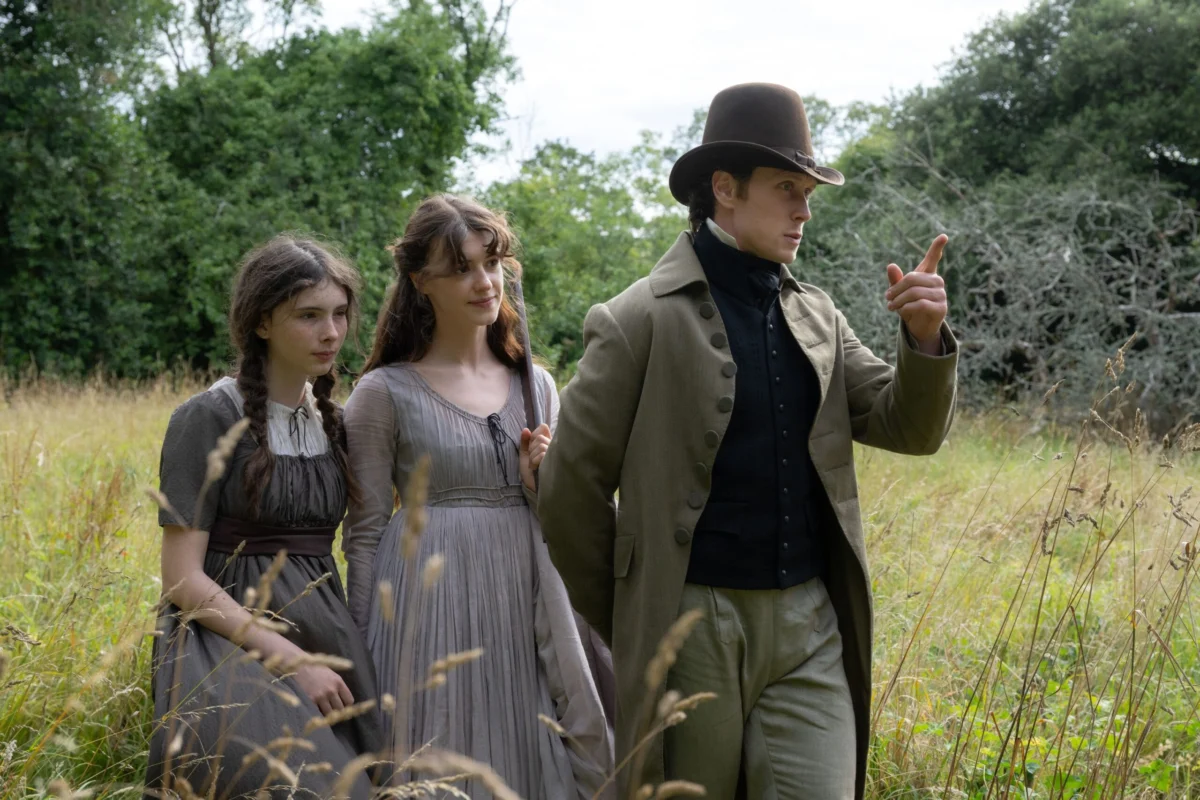
Starring Daisy Edgar-Jones as the pragmatic-to-a-fault Elinor Dashwood and Esmé Creed-Miles as her impulsive, romantic sister Marianne, the 2026 Focus Features adaptation approaches historical clothing through a thoroughly modern lens. Snell’s design philosophy balances rigorous historical research into the early 19th century with the casual, lived-in intimacy of how modern women raid their friends’ and sisters’ closets. The result is a vibrant, tactile wardrobe that strips away the ivory-tower pedestal of traditional period pieces, allowing contemporary audiences to see themselves reflected in the garments of Austen’s heroines.
Chronology of the Design Process: From Concept to Screen
The creative journey for the film’s wardrobe began with a single video call between director Georgia Oakley and Grace Snell, who was stepping into the world of period cinema for the very first time.

Phase One: Research and Parallel Eras
Snell began by immersing herself in the authentic silhouettes of Regency England, focusing on the signature empire-waist dresses, jaunty ribbons, and tailored frock coats. However, her creative vision was equally fueled by an unexpected source of inspiration: the fashion of the 1990s and early 2000s. Recognizing that the high-waisted silhouettes of the late 20th century shared a structural kinship with Regency fashion, Snell used this cross-era dialogue to bridge the gap between historical accuracy and modern wearability. She wanted the clothes to feel like they belonged to "now," mirroring how women dress today.
Phase Two: Interactive Fittings
The character dynamics established on the page immediately bled into the costume fittings. Snell engineered the fitting sessions to organically reflect the internal philosophies of the Dashwood sisters:
- Elinor Dashwood (Daisy Edgar-Jones): True to her pragmatic nature, Elinor’s fitting was systematic, structured, and formulaic. Edgar-Jones and Snell carefully categorized and labeled choices, building her wardrobe with methodical precision.
- Marianne Dashwood (Esmé Creed-Miles): In contrast, Snell surrounded Creed-Miles with boxes of loose trims, ribbons, flouncy fabrics, and eccentric hats. Snell deliberately stepped back, encouraging Creed-Miles to dress herself, embrace "mistakes," and leave garments slightly undone or improperly fastened to mirror Marianne’s rebellious disregard for societal propriety.
Phase Three: Narrative Evolution
As the narrative progressed—particularly when the Dashwood women are uprooted from their comfortable estate and forced to economize in a modest Devonshire cottage—Snell’s designs adapted. The wardrobe evolved to show the sisters sharing, borrowing, and modifying garments. By the film’s conclusion, the sartorial choices of Elinor and Marianne reflect the profound emotional lessons they have learned from one another.

Supporting Data and Production Details
Bringing this fresh aesthetic to life required meticulous craftsmanship, collaboration with elite costume houses, and creative ingenuity using both period-accurate and unexpected materials.
- Shared Patterns, Diverging Destinies: To visually demonstrate the sisters’ deep bond alongside their differing personalities, Snell utilized identical clothing patterns for Elinor and Marianne. Both characters were outfitted in jackets cut from the same template, but Elinor’s was tailored into a longer, more restrained silhouette typical of conservative Regency wear, while both were cast in matching base colors but distinct fabrics.
- The London Ball Contrast: To underscore Marianne’s vulnerability and alienation during the London sequences—where she suffers heartbreak over the dashing yet fickle Willoughby (played by Frank Dillane)—Snell intentionally designed the ball scenes to feel overwhelmingly intimidating. The rigid, unforgiving correctness of the London gowns highlighted the financial and social isolation of the down-sized Dashwood family.
- Mrs. Jennings and Age Defiance: Fiona Shaw brought the voluble, big-hearted Mrs. Jennings to life. Snell designed her wardrobe to shatter societal expectations of how older women are traditionally portrayed in period dramas. Adorning Shaw in vibrant, excitable, and unconventional attire, Snell leaned into the character’s inner romantic.
- The Willoughby Vest Innovation: One of the film’s standout technical achievements is a glittering vest worn by Willoughby in London. Sourced from the renowned London costume house CosProp, the garment features avant-garde sequins crafted from cellulose—a natural, plant-based material that bridges historical opulence with modern sustainable fabrication. Additional notable wardrobe contributions included Catriona Balfe’s slightly-too-gracious gowns as Mrs. Dashwood and Stacy Martin’s haughty, status-obsessed ensembles as sister-in-law Fanny.
Official Responses and Creative Insights
The collaborative energy on set translated into deeply personal performances, heavily influenced by Snell’s unconventional fittings.
"I often think about when I look at the Little Women that was made in the ’40s, and the Little Women that was made in the ’90s, and the Little Women that was made a few years ago," Grace Snell explained in an interview with IndieWire. "Although you are designing for period, even in the 1940s version of Little Women, you can see 1940s fashions. I love the idea of making something that feels that it is of the time now, and of where we are, particularly as women: how we’re dressing and what we see in our friends."

Snell emphasized that the primary goal was dismantling the museum-like reverence often surrounding period pieces. "This is about pulling down the pedestal of what Period Drama is and seeing ourselves in these characters contextually with clothing."
The actors themselves leaned heavily into this philosophy. Fiona Shaw found immense joy in the collaborative daily dressing process. Snell recalled Shaw’s enthusiasm on set: "Fiona would always, you know, get dressed with me and just be like, ‘What are we wearing today? This is just such a wild ride.’"
Implications for the Future of Period Drama
The costume design choices in the 2026 adaptation of Sense and Sensibility signal a broader, transformative shift in how Hollywood approaches historical IP (Intellectual Property). For decades, prestige period dramas prioritized archaeological accuracy above all else, often rendering historical figures as untouchable museum pieces trapped behind glass corsets.

By deliberately blurring the lines between Regency tailoring and modern everyday aesthetics, Snell and Oakley demonstrate that historical characters are more emotionally resonant when they look and act like real people. The concept that sisters naturally rifle through each other’s closets, make styling mistakes, and adapt ill-fitting garments out of necessity introduces a raw, domestic realism that grand scale productions frequently overlook.
Furthermore, integrating sustainable modern materials like cellulose-based sequins into period-appropriate tailoring proves that historical fidelity and contemporary environmental consciousness can coexist on screen. As Sense and Sensibility plays in theaters worldwide, Snell’s work establishes a compelling new benchmark for costume design: one where historical worlds are not preserved in amber, but brought vividly, messily, and relatably to life.
