
Beyond the Green Screen: How VFX Studios Evolved into Essential Creative Partners in Modern Filmmaking
Main Facts: The Evolving Landscape of Visual Effects
Over the past three decades, visual effects (VFX) have transitioned from being a technical afterthought—a mere band-aid applied in post-production—to a foundational pillar of modern cinema and television. As computer-generated imagery (CGI) permeates every facet of film production, visual effects studios have evolved from traditional "hired hands" into indispensable creative partners.
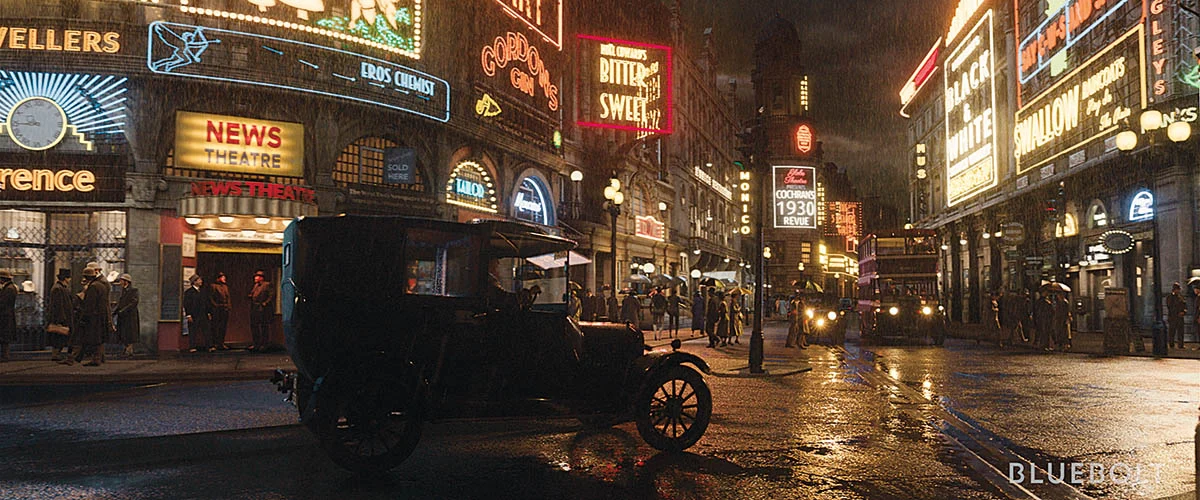
Today, top-tier VFX houses like Zoic Studios, Rocket Science VFX, CoSA VFX, and BlueBolt are integrated into productions from the earliest conceptual stages. Working across a fluid global ecosystem, these studios leverage advanced tools like Unreal Engine to co-design worlds, characters, and blocking in real time. Yet, despite their integral role in bringing complex stories to the screen, the industry still grapples with a persistent marketing taboo: studios often downplay the presence of VFX in promotional campaigns, creating a disconnect between the grueling artistic labor on screen and public acknowledgment.
Chronology: From Linear Post-Production to Vertical Integration
To understand how the visual effects industry reached its current state, one must trace the timeline of technological integration and industry restructuring over the last thirty years:
- The 1990s to Early 2000s: VFX was firmly locked at the end of a linear filmmaking pipeline. Productions shot their footage, locked the edit, and handed off a discrete set of complex shots (such as massive explosions or sci-fi environments) to external vendors. Independent films of this era typically relied on a sparse 5 to 20 visual effects shots.
- The Streaming Boom (Late 2010s to 2020): Following the rise of subscription video-on-demand (SVOD) platforms, linear networks and streaming services entered a fierce arms race for content. Production volume skyrocketed, leading to an unprecedented demand for visual effects labor.
- The Pandemic and Remote Work Revolution (2020–2022): COVID-19 disrupted traditional shooting schedules, forcing the industry to adopt remote toolsets and accelerate digitalization. Filmmaking began shifting from a linear process to a "vertical" one, with art departments and post-production teams collaborating much earlier in the pipeline.
- The Post-Pandemic Correction and Actors’ Strike (2023–2025): Financial realities caught up with the streaming boom. When the actors’ and writers’ strikes hit, studio accountants seized the opportunity to pump the brakes on unchecked spending. Rather than instantly snapping back to pre-strike production frenzies, the industry entered a prolonged period of recalibration, finally reaching a new economic equilibrium.
- The Present Day (2026): VFX studios now operate as collaborative extensions of physical production, utilizing real-time rendering engines and deep cross-departmental communication to optimize budgets and maximize creative output.
Supporting Data & Industry Insights: Changing Workloads and Budgets
The economics and physical scope of visual effects have undergone a dramatic transformation. While low-budget indie films once kept visual effects counts to a bare minimum, contemporary independent productions routinely request wide-ranging bids that influence what is shot, modified, or cut entirely.
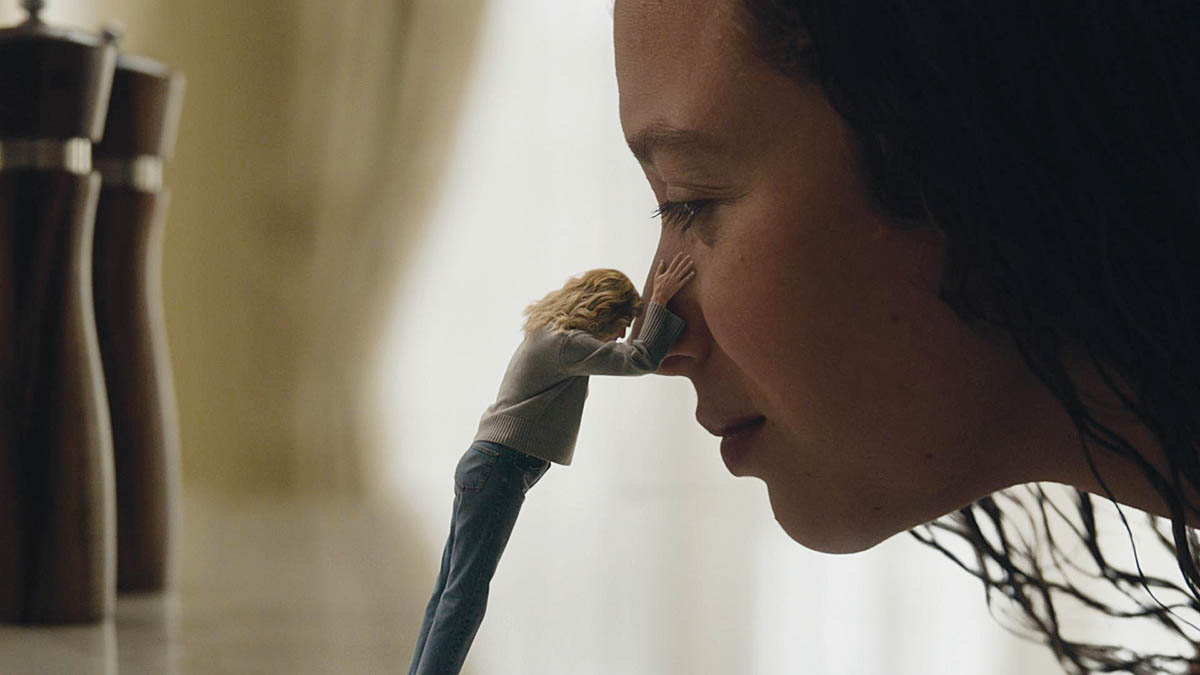
Concurrently, audience expectations have fundamentally altered the post-production workload. According to Tracy McCreary, Managing Director at BlueBolt, minor clean-up tasks that were once ignored or managed haphazardly now require dedicated post-house budgets. Modern audiences demand pristine visual standards, meaning even minor continuity fixes, wire removals, and environmental touch-ups must be executed flawlessly.
Furthermore, technological shifts have lowered the barrier to entry for previsualization while raising the ceiling for high-end execution. Rocket Science VFX utilizes Unreal Engine to bridge the gap between creative teams and clients, enabling back-and-forth real-time experimentation. According to Christa Tazzeo Morson, Vice President of Global Partnerships, this technology creates a robust foundation for production by allowing directors and cinematographers to lock down camera blocking and lighting designs months before principal photography wraps.
Official Responses: Perspectives from Industry Leaders
The modern relationship between filmmakers and visual effects studios is defined by high-level collaboration, mutual respect, and occasional frustrations regarding industry transparency. Key leaders in the VFX sector weigh in on these dynamics:
-
Chris Jones (Founder and Executive Creative Director, Zoic Studios):
"It’s an incredibly fluid world right now. Each show seems to have its own ecosystem. In some scenarios, we are the sole vendor… [which] is advantageous for a lot of reasons. The show is not being piecemealed out across a ton of different vendors, so you have a much greater view of the overall project and can contribute at a higher level."
Jones also addresses the psychological impact of public relations campaigns that erase VFX contributions:
"As far as affecting the creative, it affects the morale of the artists more than anything. We all got into this because we love creating things… When filmmakers turn around and say, ‘There were no visual effects in it,’ from a company standpoint, you understand that, [you] smile, and know deep inside that there were hundreds of visual effects in it."
-
Christa Tazzeo Morson (VP of Global Partnerships and Executive VFX Producer, Rocket Science VFX):

"If we’re creating visual effects that are needed to tell the story, then we are part of the creative braintrust and help to solve how we’re going to bring audiences to different worlds and create various characters… Everyone’s trying to push [collaboration] as early as possible, so that you’re creating a dynamic blueprint of what the finished product is going to look like."
-
Tom Mahoney (Founder and Partner, CoSA VFX):
"Visual effects is one of the few departments that needs to interact with almost every other department, including post. On a given project, there’s almost no way I’m not in close communication with the stunts supervisor, special effects supervisor, cinematographer, camera operators, wardrobe, makeup, transportation and props… If you can do it for real, do it for real. There are three places where visual effects will definitely be needed: if something can’t be done physically… if it’s not safe… [or if] it’s too expensive or logistically prohibitive."
-
Henry Badgett & Tracy McCreary (BlueBolt):
Reflecting on the collaborative spectrum, McCreary notes, "Some visionary filmmakers want to control every single aspect of the frame… It is mind-blowing how meticulous writer-director Robert Eggers is about everything." Conversely, Badgett highlights the advisory role VFX teams often play: "Other directors come in and ask, ‘What do you have that looks good? What do you have in your toolbox? What do you recommend?’ That is fun in a different way."
Implications: The Future of Collaborative Filmmaking
The maturing relationship between production crews and visual effects studios carries significant implications for the future of entertainment media.
First, the elimination of communication silos is becoming an economic necessity. As Tom Mahoney points out, miscommunication between departments can still trigger losses amounting to hundreds of thousands of dollars. By integrating VFX supervisors into pre-production, wardrobe meetings, and stunt coordination early on, modern productions are mitigating costly errors before a single camera rolls.
Second, the industry is gradually shifting past the stigma of digital manipulation. As digital tools become as normalized as cinematography or costume design, the hypocrisy of marketing campaigns claiming "no visual effects were used" is increasingly viewed by artists as a demoralizing relic of the past. Moving forward, sustainable growth in the VFX sector relies on acknowledging digital artists not as mechanical subcontractors, but as essential authors of cinematic narrative.
Finally, the post-strike economic equilibrium has forced studios to be smarter, more efficient, and more deliberate with their visual effects expenditures. By marrying advanced real-time tools like Unreal Engine with deep, trust-based partnerships, the entertainment industry is forging a streamlined future where technology serves the story, and the VFX studio stands firmly at the creative helm.
