
The Pieces Fall Into Place: A Critical Review of Slow Horses Season 6, Episode 5 (“Sayonara”)
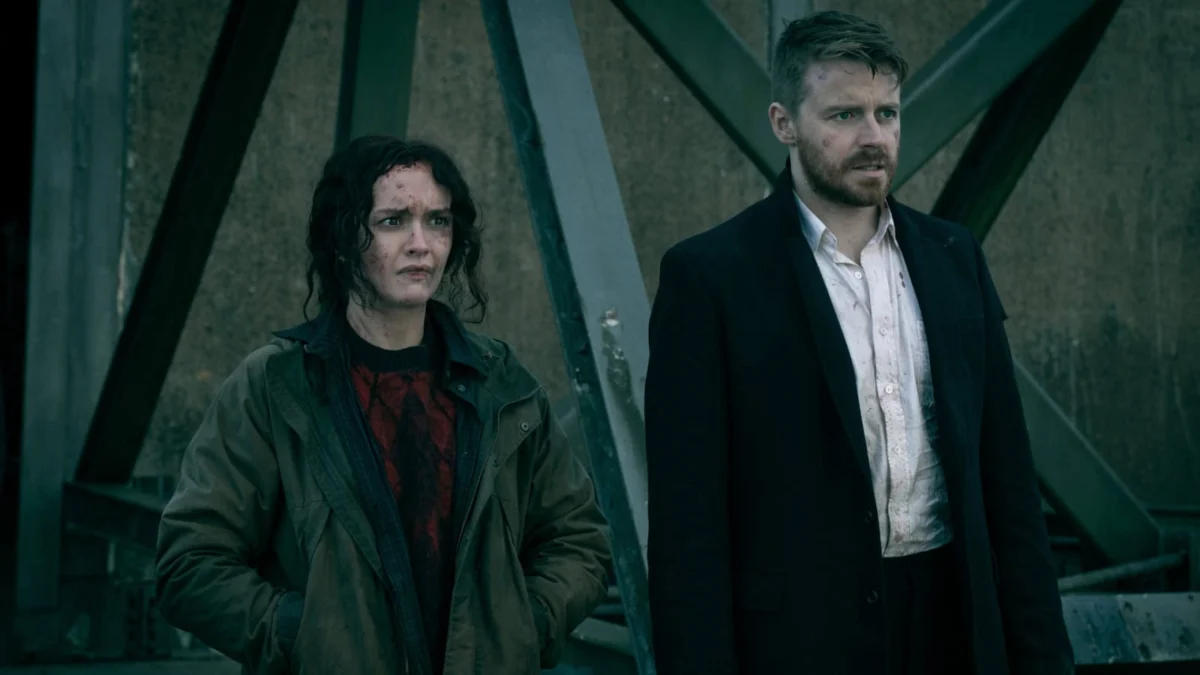
As Apple TV+’s critically acclaimed espionage thriller Slow Horses barrels toward the conclusion of its sixth outing, the penultimate episode delivers a masterclass in tension, narrative convergence, and high-stakes character friction. Adapted loosely from Mick Herron’s celebrated spy novel series, this season has not been afraid to take calculated creative liberties with its source material. Yet, as critic Chris Connor observes, the series successfully retains the cynical, razor-sharp spirit of Herron’s books, masterfully weaving moments of pitch-black levity into an escalating tapestry of chaos.
With Slough House’s misfits scattered, hunted, and cornered, "Sayonara" acts as the explosive bridge between a slow-burn conspiracy and what promises to be a devastating, high-casuality finale. Here is a comprehensive breakdown of the main facts, narrative chronology, supporting character dynamics, strategic implications, and the broader horizon for the MI5 reject squad.
1. Main Facts and Narrative Setup
The fifth episode of Season 6 operates on multiple fronts, bringing long-simmering mysteries to a rolling boil:
- The Russian Entanglement: Sid is currently in the custody of Russian operatives, prompting a desperate, high-octane rescue effort by River Cartwright.
- The Taverner Confession: Diana Taverner’s labyrinthine web of geopolitical maneuvering is finally exposed. She admits to using Sid’s identity for a clandestine hit in Kazan. In a cold calculation of statecraft, she agrees to hand Sid over to the Russians as a peace offering to stave off retribution—a betrayal that triggers explosive consequences.
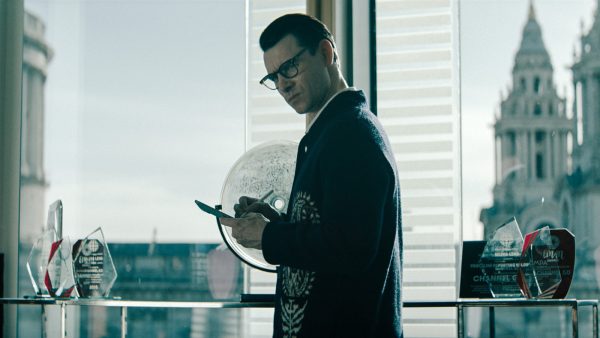
- The Media Mogul Stooge: Jackson Lamb and his cohort zero in on Damien Cantor, an ambitious public figure operating as a Russian stooge intent on expanding his media empire at any moral cost.
- The Suffolk Safehouse: The remaining members of the Slough House team are holed up in Taverner’s secluded holiday home in Suffolk, bracing for an inevitable, brutal onslaught from Harkness and his loyalists.
2. Chronology of Events: From Desperate Chases to Cold Bureaucracy
The Open-Road Pursuit
The episode kicks off with a breathless, adrenaline-pumping sequence. With Sid captured by Russian assets, River Cartwright—operating on pure, unfiltered impulse—hijacks a civilian vehicle and gives immediate chase. The pursuit pits River and Sid against a ruthless hitman who moves with a lethality that could easily rival cinematic icons like John Wick.

Both sides are pushed to absolute physical extremes. By the time the dust settles, River and Sid are battered, bruised, and emotionally frayed. True to form, however, this is River Cartwright; surviving the initial ambush means he is barely out of the woods, as deeper systemic betrayals quickly catch up to him.
The Ballet Cat-and-Mouse Game
Away from the asphalt chaos, Jackson Lamb is tracking Damien Cantor. Lamb’s investigation leads to a brilliantly stylized sequence: a first meeting and cat-and-mouse game between Lamb and Cantor’s counterpart, Natasha. Set against the backdrop of a children’s ballet recital, the scene oozes classic, old-school espionage atmosphere. The juxtaposition of innocent children practicing pirouettes while veteran intelligence officers trade thinly veiled threats highlights the cynical absurdity of the spy trade.
Furthermore, this sequence treats audiences to another masterclass in screen chemistry between Gary Oldman (Jackson Lamb) and Kristin Scott Thomas (Diana Taverner). Their interactions remain the beating heart of the series, a delicate chess match where the viewer—and occasionally the characters themselves—can never quite be sure who holds the upper hand.
The Taverner Fallout and the Denouement
In the episode’s second half, the narrative’s long-standing questions are brutally answered. Taverner’s cold confirmation that she co-opted Sid’s identity for the Kazan hit serves as the narrative detonator. When it is revealed that the Russians demanded Taverner surrender Sid as revenge, and that she agreed, all hell breaks loose.
River’s reaction is instantaneous and violently protective. The resulting confrontation leads to some of the most visceral and explosive action sequences seen across the entirety of Season 6. Amidst the gunfire and tactical maneuvers, poignant questions linger: As River and Sid exchange what may be parting words, is this the last time we will see them fighting side by side?
3. Supporting Data and Character Dynamics
While the spotlight frequently shines on River and Lamb, the ensemble cast continues to anchor the emotional weight of Slow Horses.
- The Suffolk Stand-by: The remaining Slow Horses—now marooned in Taverner’s holiday home—are preparing for a siege. While their active participation in this specific episode is more observational, it serves as crucial structural buildup.
- Levity Amidst Chaos: Moments of character work shine through the impending doom. Louis and Shirley provide much-needed comic relief through their biting, effortless banter.
- Heart and History: Conversely, Catherine Standish and Reece share quiet, heartfelt moments that remind the audience of the profound human cost of working under Lamb. These quieter beats promise that the supporting players will step into larger, more perilous roles when the narrative converges in Suffolk for the finale.
4. Critical and Official Perspectives
While official studio press releases ahead of the episode kept plot specifics tightly under wraps to preserve the mystery of Taverner’s conspiracy, critical consensus has universally praised Season 6 for its willingness to alter Mick Herron’s text while preserving its tonal DNA.
Reviewers have highlighted how the series manages a tricky balancing act:
- Adapting the Source Material: By taking liberties with the novels, the showrunners keep book-readers on their toes, ensuring that familiar character trajectories can pivot in unexpected directions.
- Directing and Pacing: The direction in the penultimate episode has been singled out for its pacing, seamlessly shifting from high-speed vehicular action in the opening minutes to theatrical, dialogue-heavy psychological chess matches in the middle act, before culminating in explosive tactical warfare.
- The Gary Oldman Factor: Critics continue to laud Gary Oldman’s portrayal of Jackson Lamb as a defining television performance of the decade. His ability to project world-weary exhaustion, razor-sharp intellect, and physical slovenliness simultaneously grounds the high-concept spy caper in a gritty, believable reality.
5. Strategic Implications for the Season Finale
As all roads definitively lead to Suffolk, the narrative implications for the Season 6 finale are immense.
- The Fate of Slough House: With Harkness and his private enforcers—and potentially rogue elements within MI5 like Jane—closing in on the safehouse, the "Slow Horses" are fighting not just for their careers, but for their very lives. Slough House has always been a dumping ground for agents who made fatal errors, but Season 6 tests whether they can transition from bureaucratic scapegoats to an effective guerrilla fighting force.
- The Integrity of MI5: Taverner’s willingness to sacrifice her own operatives to appease foreign adversaries exposes the rotten core of the Service. If her actions are fully exposed within the department, the internal power structures of Regent’s Park face total collapse.
- Casualty Projections: Given the trajectory of the series, no character—regardless of fan-favorite status—is truly safe. The penultimate episode establishes high stakes, ensuring that the finale will likely feature major casualties and irreversible consequences for the survivors.
Looking Ahead
As "Sayonara" fades to black, Slow Horses has successfully positioned its pieces on the board for a catastrophic endgame. Whether River can rescue Sid permanently, whether Lamb can outmaneuver both Moscow and Regent’s Park, and whether the residents of the Suffolk safehouse can survive the coming storm remains to be seen. What is certain, however, is that the finale will be an unmissable, high-stakes collision of bureaucracy and bloodshed.
