
Reimagining a Monster: How Mike Flanagan’s Prime Video Adaptation of Stephen King’s Carrie Rewrites Margaret White
Main Facts
Horror maestro Mike Flanagan is back at it, bringing a fresh, highly anticipated perspective to one of the most recognizable horror properties in pop culture history. In his new Prime Video series adaptation of Stephen King’s seminal 1974 debut novel, Carrie, Flanagan has taken a surgical scalpel to the narrative’s DNA. While the core elements—a socially isolated, telekinetic teenage girl pushed to the absolute brink by a cocktail of high school cruelty and religious fanaticism—remain firmly intact, Flanagan has made a massive, defining structural shift.
He has rewritten one of the most notoriously hateful and irredeemable villains in Stephen King’s extensive bibliography: Margaret White, the zealot mother of the titular protagonist.
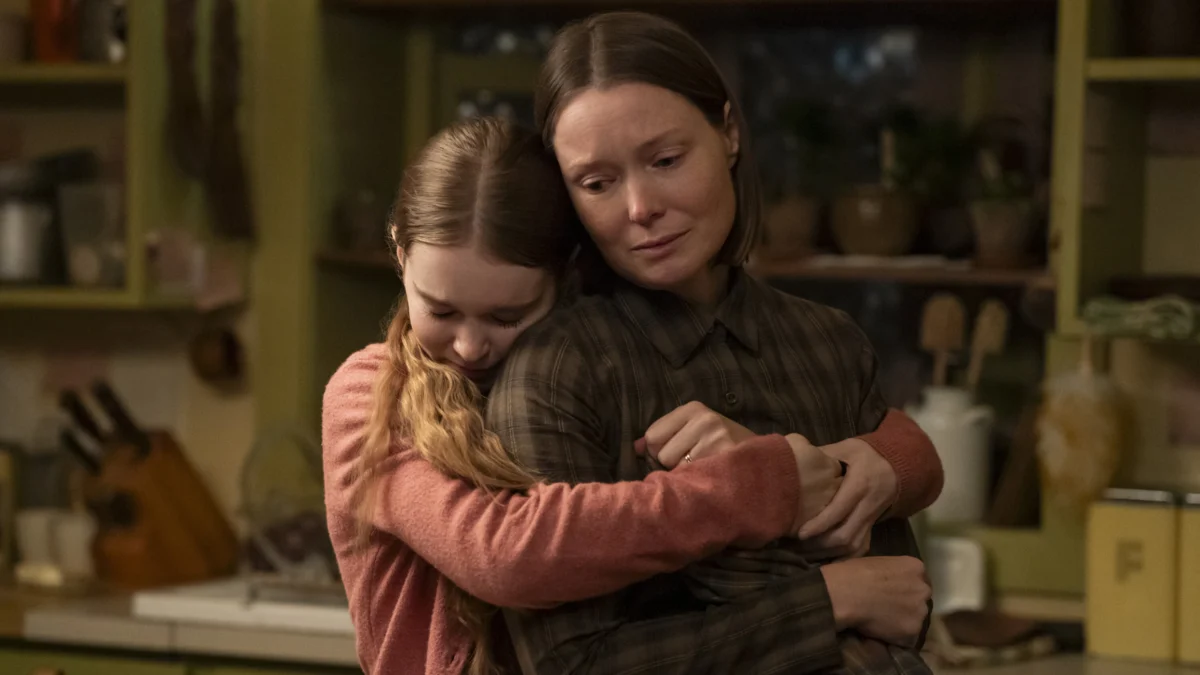
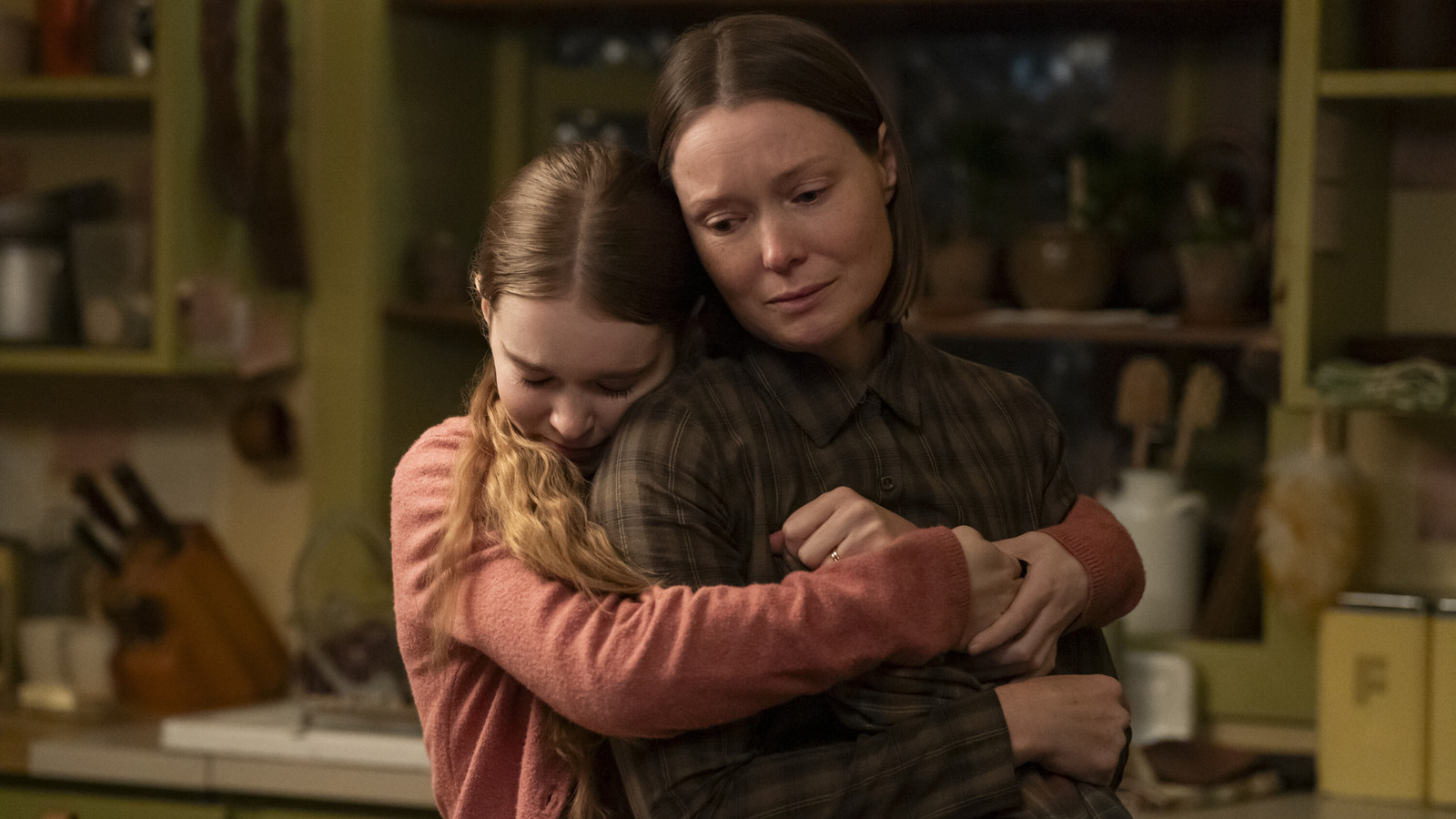
Played by frequent Flanagan collaborator Samantha Sloyan (Midnight Mass, The Fall of the House of Usher), this iteration of Margaret White steps away from the cartoonish, sadistic abuse that defined Piper Laurie’s Oscar-nominated performance in Brian De Palma’s legendary 1976 feature film. Instead of a monstrous tyrant who locks her daughter in a dark prayer closet and terrorizes her with scripture-laced physical and psychological punishment, Flanagan and Sloyan have constructed a far more complex, textured, and surprisingly sympathetic character. In this 2026 series, Margaret is still an abrasive, radically devout outcast—but she is driven by a fierce, albeit deeply misguided, maternal love.
Chronology: The Evolution of Margaret White
To understand the magnitude of Flanagan’s creative pivot, it is essential to trace how Margaret White has evolved across decades of adaptations and iterations:
- 1974 (The Original Text): Stephen King introduces Margaret White in his novel Carrie. She is written as an abusive, mentally unstable religious zealot whose extreme fanaticism and hatred of the flesh (particularly female sexuality) help push Carrie toward her destructive telekinetic explosion at the senior prom.
- 1976 (The De Palma Masterpiece): Director Brian De Palma brings King’s book to the silver screen. Piper Laurie delivers a tour-de-force performance as Margaret. Laurie’s version is terrifying, unyielding, and utterly devoid of maternal warmth, cementing the character as an iconic cinematic villain. Sissy Spacek, who played Carrie, famously noted that her performance would have been "nothing without Piper Laurie."
- 1999 & 2002 (Subsequent Adaptations): The 1999 sequel The Rage: Carrie 2 references Margaret’s shadow, while the 2002 television film starring Angela Bettis and the 2013 cinematic reboot starring Julianne Moore largely stick to the traditional blueprint. Moore’s Margaret, while adding slight nuances of self-harm and tragic delusion, remains fundamentally abusive and threatening to Carrie.
- The 2020s (Flanagan’s Reconceptualization): Mike Flanagan approaches Amazon MGM Studios with a serialized vision for Carrie. Moving away from a straightforward retread, Flanagan consciously chooses to deconstruct Margaret White’s villainy, reshaping her into a mother who desperately loves her daughter in her own distorted, dogmatic way.
Supporting Data: Examining the Character Shift
When analyzing how Flanagan’s Carrie alters the psychological landscape of the story, the dynamic between mother and daughter changes entirely.
- From Hatred to Misguided Protection: In the source material and previous films, Margaret’s actions stem from a visceral fear and hatred of Carrie’s burgeoning womanhood and supernatural abilities. In Flanagan’s version, Samantha Sloyan’s Margaret looks at Carrie (played by Summer H. Howell) not with revulsion, but with a frantic, protective instinct once her telekinetic powers manifest.
- The "Bev Keane" Trap Avoided: Samantha Sloyan is no stranger to playing religious hypocrites and zealots, having deeply traumatized audiences as the manipulative zealot Bev Keane in Flanagan’s acclaimed Netflix limited series Midnight Mass. Many critics anticipated Sloyan would simply rehash that performance. Instead, she chose a path of restraint and tragic vulnerability, ensuring that Margaret feels like a human being rather than a caricature.
- Audience Reception and Purist Backlash: Initial critical and fan responses to the series highlight a sharp divide. While psychological horror enthusiasts praise the added layers of empathy and tragedy, purists who look to King’s original text as a sacred document of pure malice argue that softening Margaret diminishes the gothic horror of Carrie’s home life.
Official Responses and Creative Intent
The decision to humanize one of literature’s most vile mothers was not made lightly. In interviews surrounding the launch of the Prime Video series, Mike Flanagan has been remarkably transparent about his creative ambitions.
"Margaret White has always been an abuser, defined by the fear and hatred she has for her daughter," Flanagan explained during an exclusive interview with SlashFilm. "In ours, she fiercely loves Carrie and just doesn’t know how to protect her."
Flanagan elaborated that sticking strictly to the 1976 film or the 1974 novel would have felt redundant. For a television series to justify its existence, it needed to offer a new thesis statement. By shifting Margaret from a one-note monster into a tragic victim of her own dogmatic worldview—someone whose love is warped by isolation and fear—Flanagan aims to make the eventual tragedy of the story hit even harder.
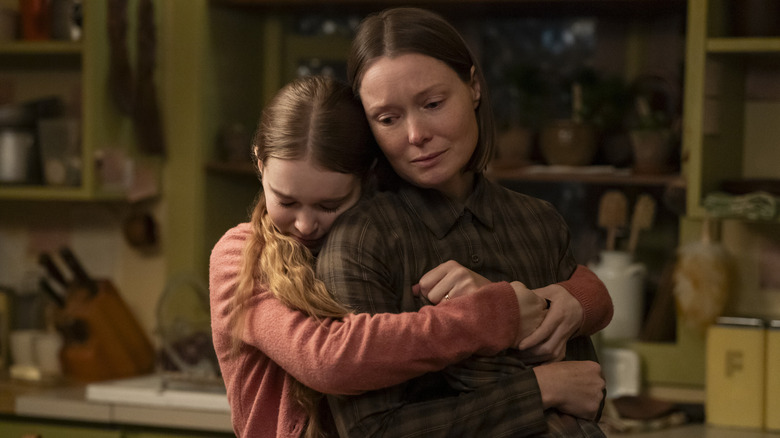
Instead of a household defined solely by hatred, the audience is forced to grapple with a mother who wants to do right by her child, yet lacks the emotional tools, societal support, or secular understanding to keep her safe from the cruel realities of the outside world.
Implications for the Horror Genre and Stephen King Adaptations
Flanagan’s bold creative choice has broader implications for how classic horror properties are adapted in the modern era. For decades, horror villains have often been coded as purely evil to make the heroes’ triumphs (or downfalls) clear-cut. However, contemporary prestige horror—a movement that Flanagan has heavily championed through works like The Haunting of Hill House and Midnight Mass—favors trauma, empathy, and psychological complexity over black-and-white morality.
By altering Margaret White, Flanagan achieves several narrative goals:
- Deepens the Tragedy: If Margaret genuinely loves Carrie, the mother-daughter dynamic transforms from a simple abuse story into a Greek tragedy. Carrie’s ultimate loss of control becomes not just an escape from tyranny, but a devastating severance from the only person who attempted to shield her, however poorly.
- Redistributes the Blame: While high school bullies like Chris Hargensen and Sue Snell still play their traditional roles, a less monstrous Margaret places a heavier thematic spotlight on systemic societal failures. The horror shifts from "the monster inside the home" to "how a harsh, unsympathetic world corrupts even the most fiercely protective familial bonds."
- Sets a Precedent for Future King Adaptations: Stephen King’s universe is vast, and many of his antagonists—from Annie Wilkes to Mrs. Carmody—are defined by absolute fanaticism. Flanagan’s willingness to subvert expectations with Margaret White proves that even the most sacred cows of horror history can be safely and innovatively butchered, provided the filmmakers have a clear psychological rationale for doing so.
As Prime Video’s Carrie streams to audiences worldwide, the conversation surrounding Margaret White’s reinvention proves that the true terror of Stephenic horror isn’t just in the blood, fire, and telekinesis—it’s in the complicated, messy, and terrifying human hearts that drive us to extremes.
