
Maximizing the Blackmagic PYXIS 12K: A Comprehensive Guide to Certified Storage Solutions
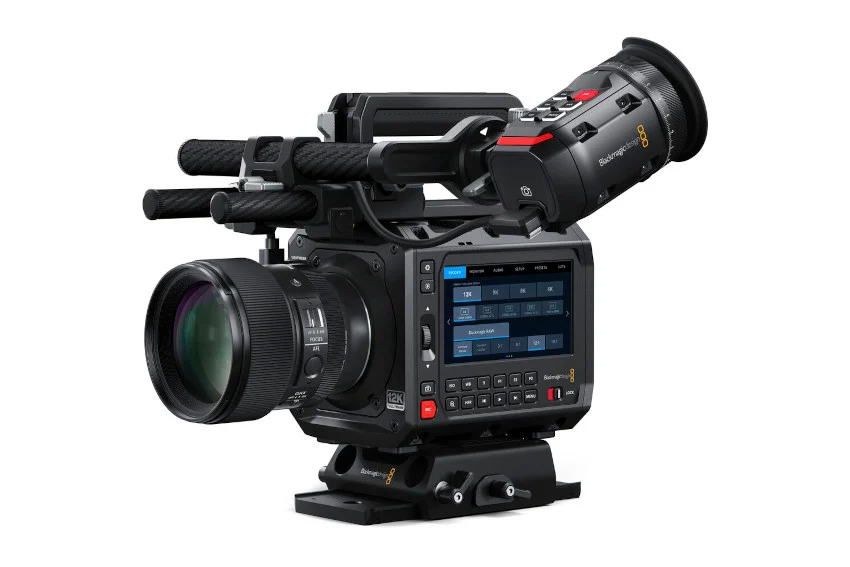
The Blackmagic PYXIS 12K has sent ripples through the cinematography world, offering an unprecedented combination of a 12,288 x 8,040 full-frame RGBW sensor and 16 stops of dynamic range in a highly modular form factor. However, the true challenge of shooting at such massive resolutions lies in the data throughput required to capture Blackmagic RAW (BRAW) footage. To ensure reliability during high-stakes productions, Blackmagic Design has released an exhaustive list of recommended storage media, encompassing both CFexpress Type B cards and high-speed USB-C external drives.
This guide explores the technical requirements, the importance of these certified lists, and how filmmakers can optimize their media workflow for the PYXIS 12K.
Main Facts: Navigating the Data Demands of 12K
Capturing raw sensor data at 12K resolution is a data-intensive endeavor. Unlike traditional compressed video, Blackmagic RAW allows for the preservation of the sensor’s full dynamic range, but it requires storage media capable of sustained, high-speed write performance to avoid dropped frames or "media too slow" errors.
The Blackmagic PYXIS 12K utilizes a dual-slot CFexpress Type B system, which provides the high-bandwidth throughput necessary for the most demanding recording modes. Additionally, the camera features a 10 Gb/s USB-C expansion port. This port serves as a versatile gateway for external SSDs, allowing productions to bypass expensive proprietary media in favor of larger, more cost-effective external storage solutions for long-form projects or multi-cam setups.
Blackmagic’s official recommendation list is not merely a suggestion; it is a validation of compatibility. These drives have been tested specifically for their ability to handle the sustained bitrates of 12K 3:2 Open Gate (up to 24 fps), 12K 16:9 (up to 45 fps), and 8K 3:2 Open Gate (up to 60 fps).
Chronology: The Evolution of High-Resolution Media
The history of digital cinema has always been a race between sensor resolution and the storage media required to capture it. In the early days of high-definition, proprietary tape or expensive SxS cards were the standards. As the industry moved into 4K and 6K, the CFast 2.0 card became the industry workhorse for Blackmagic cameras like the URSA Mini Pro.
With the introduction of the PYXIS 12K, the transition to CFexpress Type B represents a leap in technology. CFexpress 4.0, the latest iteration, offers theoretical speeds that far exceed the requirements of even the highest bitrates on the PYXIS.

- The Early Era: Cameras relied on internal SSDs or slower card formats that limited resolution and bit-depth.
- The 4K/6K Shift: CFast 2.0 became the industry standard, providing enough speed for compressed 4K but struggling with high-frame-rate raw workflows.
- The 12K Threshold: The launch of the URSA Mini Pro 12K introduced the need for faster, more durable storage, leading to the adoption of the PCIe-based CFexpress standard.
- The PYXIS Present: With the PYXIS 12K, Blackmagic has solidified the role of USB-C external recording alongside CFexpress, giving users a dual-tier approach to data management.
Supporting Data: Certified Media Breakdown
CFexpress Type B: The Performance Leaders
The list of approved cards is extensive, reflecting the wide ecosystem of manufacturers that have met Blackmagic’s stringent testing protocols.
- Angelbird: Known for their robust thermal management, the AV PRO SE MK2 (512GB to 4TB) and the AV PRO SX series are top-tier choices for sustained recording.
- Delkin Devices: The Black VPG-400 series is specifically designed for cinema applications, ensuring no frame drops at high bitrates.
- Lexar: With an expansive lineup, the Professional Diamond (4.0) and Gold series provide reliable options for both budget-conscious shooters and high-end productions.
- Nextorage & OWC: These brands offer high-capacity solutions (up to 1.33TB) that are essential for long-take interviews or documentary work.
- ProGrade Digital & Wise: These manufacturers provide specialized cards (Cobalt and PRO series) that are often favored by rental houses for their longevity under heavy usage.
USB-C External Drives: The Capacity Kings
When internal card space is at a premium, the USB-C port acts as a lifeline. The following drives have been vetted for the PYXIS 12K:
- Oyen Digital Helix Dura: A rugged 4TB option, ideal for on-location work where durability is a concern.
- Samsung T9 & T7 Shield: These are the industry standards for portable SSDs. The T9, in particular, offers the read/write speeds necessary for 12K workflows, while the T7 Shield remains the go-to for its compact size and shock resistance.
- SanDisk Extreme Pro Portable SSD V2: A staple in the professional video industry, this drive provides the consistent 10 Gb/s performance required by the camera’s USB-C interface.
Official Responses and Technical Nuance
Blackmagic Design emphasizes that these recommendations are tied to specific combinations of resolution, compression (BRAW 3:1 to 18:1), and frame rate. It is a common misconception that if a card is "fast," it will work for every resolution. However, the internal file-system overhead and the camera’s ability to maintain a constant buffer are just as important as the card’s peak read/write speed.
By maintaining these lists, Blackmagic Design aims to mitigate the risk of data loss. When a user selects a card from the list, they are choosing hardware that has been verified to maintain a consistent "floor" of performance, ensuring that the camera’s internal buffer does not overflow during a critical take.
Implications: The Future of Media Workflow
The modular nature of the PYXIS 12K combined with these storage options fundamentally changes the economics of high-resolution production.
1. Workflow Flexibility
Productions can now choose between the compact, durable nature of CFexpress cards for handheld, gimbal, or drone work, and the massive capacity of 4TB external SSDs for A-camera, tripod-mounted, or studio work. This "hybrid" storage strategy allows for a more efficient workflow, where dailies can be offloaded from an external SSD while the camera remains ready for the next setup.
2. The Cost of 12K
While 12K sensors are becoming more accessible, the cost of storage remains the "hidden" expense. Users must factor in the cost of high-speed CFexpress cards when budgeting for the camera body. However, the inclusion of USB-C external recording significantly lowers the barrier to entry, as external SSDs are generally cheaper per gigabyte than CFexpress media.

3. Reliability and Peace of Mind
The most significant implication of these recommendations is the reduction of on-set anxiety. By adhering to the official list, cinematographers can focus on lighting, composition, and performance, secure in the knowledge that their storage media will not become the bottleneck of their creative process.
4. Future-Proofing
As Blackmagic continues to push firmware updates, the ability to utilize high-speed CFexpress 4.0 cards ensures that the camera remains relevant. Even if future updates enable higher bitrates or new codecs, the current certified list provides a baseline that guarantees performance for the camera’s current capabilities.
Conclusion: A Strategic Approach to Media
The Blackmagic PYXIS 12K is a powerhouse, but its performance is only as good as the media feeding it. Whether you are choosing an Angelbird card for a high-intensity action sequence or a Samsung T9 for a long-form interview, referring to the official Blackmagic Design compatibility list is the most strategic step a filmmaker can take.
As the industry continues to gravitate toward higher resolutions and larger raw files, the relationship between camera and storage will only grow more critical. By providing these comprehensive recommendations, Blackmagic Design has empowered users to build workflows that are not only efficient and cost-effective but, most importantly, reliable.
For those planning their next project, take the time to audit your storage needs against the camera’s resolution and frame rate settings. Investing in certified, high-quality media is the best insurance policy for any production, ensuring that every frame of that 12K footage is captured perfectly, ready for the grade, and safe for the edit suite.
Disclaimer: As an Amazon Associate and a participant in other affiliate programs, we may earn a small commission from qualifying purchases made through some of the links on this page – at no additional cost to you. Always verify the latest compatibility updates on the official Blackmagic Design support website before making significant hardware investments.
