
Robert the Doll Set for Terrifying Reboot: A New Chapter in Cult British Horror Unfolds
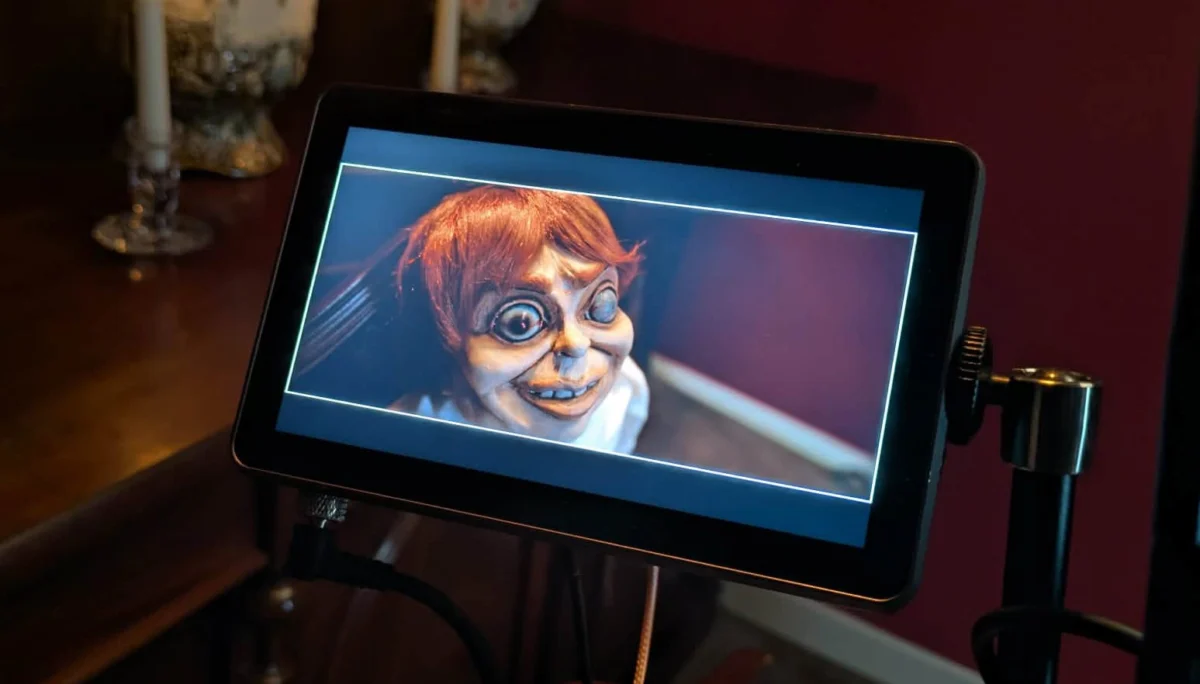
LONDON, UK – The chilling allure of possessed playthings is set to once again grip audiences as Flickering Myth, in a significant reunion with Shepka Productions, announces the highly anticipated reboot of the cult British horror franchise, Robert the Doll. This ambitious project, undertaken on behalf of IMP Studios and distributor 4Digital Media, promises a fresh, terrifying reimagining of the infamous killer doll, with production already underway in the atmospheric landscapes of Scotland. Slated for a 2027 release, this reboot aims to inject new life and scares into a series that has captivated a dedicated fanbase since its inception.
The announcement marks a pivotal moment for all parties involved, signifying not only a deepening of creative partnerships but also a strategic move to capitalize on the enduring global appeal of the killer doll subgenre. With a commitment to practical effects, genuine gore, and "gnarly death sequences," the creative team is poised to deliver a visceral horror experience that both honors the franchise’s roots and pushes its boundaries for a new generation of horror enthusiasts.
Main Facts: Unpacking the "Robert the Doll" Reboot
The reboot of Robert the Doll is more than just another horror film; it represents a concerted effort by a proven team to elevate a cult classic into a mainstream terrifying entity. The core announcement outlines a clear vision and a robust production framework designed to ensure both creative integrity and commercial viability.
A Collaborative Endeavor Forged in Fear
At the heart of this reboot lies a powerful quadrilateral partnership. Flickering Myth, a prominent voice in film journalism and now an active producer, is joining forces once again with Shepka Productions, known for its agile and effective independent filmmaking. They are collaborating under the banner of IMP Studios, a production entity facilitating the project, with 4Digital Media taking on the crucial role of distributor. This synergy suggests a well-rounded approach, combining creative development, production expertise, and strategic market reach.
Flickering Myth’s involvement transcends mere reporting; their transition into active production with this project underscores a growing trend of media outlets leveraging their industry insights and community connections to shape the content they cover. For Shepka Productions, this marks a continuation of a fruitful relationship, building on previous successes and demonstrating a shared creative ethos. The backing of IMP Studios provides the necessary infrastructural support, while 4Digital Media’s distribution prowess is key to ensuring Robert the Doll reaches its intended audience across various platforms. This collaborative model is particularly potent within the independent horror landscape, allowing for greater creative control and direct engagement with the target demographic.
The Reimagining of an Icon: A Fresh Take on Terror
The new film is explicitly touted as a "reimagining" of the infamous killer doll. This term carries significant weight in the context of horror franchises, often implying a departure from previous narrative constraints or stylistic choices, while retaining the core essence of the character. The original Robert the Doll, which made its screen debut in 2015, quickly carved out a niche for itself within the low-budget horror circuit. This reboot, however, appears poised to offer a fresh perspective, potentially delving deeper into the doll’s sinister origins, enhancing its supernatural capabilities, or placing it within a more sophisticated narrative framework.
The term "reimagine" suggests a conscious effort to differentiate this new installment from the five previous films in the original series. This could manifest through updated visual effects, a more nuanced character arc for the doll, or a darker, more psychological tone. For fans of the original, the question will be how much of the cult charm remains while embracing a potentially higher production value and a broader appeal. For newcomers, this reboot offers an accessible entry point into the lore of Robert, free from the burden of catching up on an extensive back catalog.
Production Details and a Glimpse into 2027
Currently deep in production, the film is being shot in Scotland, a location renowned for its dramatic landscapes and rich, often haunting, historical backdrop. This strategic choice of filming location is not merely logistical; it has the potential to imbue the film with a unique atmospheric quality, contrasting sharply with the more generic settings often seen in independent horror. The rugged Scottish terrain, ancient castles, and misty moors could serve as an evocative canvas for Robert’s malevolent escapades, adding a layer of gothic dread or folk horror elements to the narrative.
The projected 2027 release window provides ample time for post-production, including the meticulous crafting of the promised practical effects and gore. This timeline also allows for a carefully planned marketing campaign, building anticipation over the next few years. In the fast-paced world of horror releases, a well-timed and well-executed rollout can be crucial for a film’s success, especially for an independent production looking to make a significant impact.
Creative Leadership: A Foundation of Experience
The production team behind the Robert the Doll reboot boasts a compelling mix of seasoned professionals and passionate genre enthusiasts. Robert Graham of IMP Studios, Nathan Shepka of Shepka Productions, and Gary Collinson of Flickering Myth are collectively producing the film. This trio brings together a wealth of experience in film development, independent production, and genre journalism, ensuring a comprehensive approach to the project.
Adding further weight to the production are the executive producers: Tony Taglienti and Sally Wood for 4Digital Media, and Emmy Award-winner Kira Reed. Reed’s involvement is particularly noteworthy, bringing an acclaimed pedigree to the team. Her experience, particularly in serialized drama like The Bay, suggests an understanding of character development and sustained narrative engagement, elements that could significantly enrich the Robert the Doll universe. The combined expertise of this leadership team indicates a commitment to delivering a high-quality, impactful horror film that resonates with audiences.
Chronology: The Evolution of a Cult Phenomenon
To truly appreciate the significance of this reboot, it is essential to understand the journey of Robert the Doll from its humble beginnings to its current status as a cult horror entity. The franchise’s history is a testament to the power of independent filmmaking and the enduring appeal of certain horror archetypes.
The Origins: Andrew Jones and the 2015 Debut
The Robert the Doll saga began in 2015 with the release of Robert, a film directed by the late UK genre filmmaker Andrew Jones. Jones was a prolific figure in the independent horror scene, known for his ability to produce numerous films on modest budgets, often tapping into recognizable horror tropes and characters. His original Robert film introduced audiences to a malevolent doll, loosely inspired by the real-life haunted doll Robert, which resides in a museum in Key West, Florida.
Jones’s film, while operating within the confines of independent, low-budget production, managed to tap into a primal fear: the corruption of innocence embodied by a possessed toy. It resonated with a segment of the horror audience that appreciates direct, often campy, scares and a straightforward narrative. The film, much like many of Jones’s other works, cultivated a dedicated following, showcasing how a compelling concept can transcend budgetary limitations to find its audience. It established the core elements of the franchise: a sinister doll, unsuspecting victims, and an escalating body count.
The Franchise’s Growth: Four Subsequent Installments
Following the unexpected success of the initial film, the Robert the Doll franchise expanded rapidly, spawning four further installments in the original series. This rapid proliferation is a clear indicator of the film’s cult status and its ability to generate enough interest to sustain a multi-film narrative arc. While details of each sequel might vary, the consistent return to the character of Robert suggests a successful formula that resonated with a specific demographic of horror fans.

The rapid expansion of the series also highlights a common trajectory in independent horror: when a concept proves popular, filmmakers often move quickly to produce sequels, building on the established lore and character. This strategy allows for iterative improvements, deeper dives into the mythology, and the cultivation of a loyal fanbase. The successive films likely explored different scenarios, introduced new victims, and perhaps even delved into the doll’s backstory or the mechanics of its possession, solidifying its place within the pantheon of cinematic killer dolls. This continuous output ensured Robert remained a relevant, albeit niche, figure in the horror landscape.
Flickering Myth & Shepka Productions: A History of Collaborative Terror
The Robert reboot is not the first foray into collaborative filmmaking for Flickering Myth and Shepka Productions; it marks their third joint venture, building on a foundation of shared creative success in the horror and thriller genres. This established working relationship is a significant asset, suggesting a cohesive creative process and a mutual understanding of artistic goals.
Their previous collaborations include the gothic horror The Baby in the Basket and the suspense thriller Death Among the Pines. The Baby in the Basket showcased their ability to craft atmospheric, period-set horror, often relying on psychological tension and classic tropes. Death Among the Pines, conversely, demonstrated their capacity for modern suspense, focusing on intricate plots and character-driven thrills. The experience gained from these diverse projects will undoubtedly inform their approach to Robert the Doll.
The fact that these prior films have garnered enough success and experience to lead to a third collaboration speaks volumes about the synergy between the two entities. It suggests a shared vision for storytelling, an efficient production methodology, and a mutual respect for each other’s creative contributions. This history also implies a certain level of trust and established communication channels, which are invaluable assets when undertaking a demanding project like a franchise reboot. The return of several cast and crew members from these previous films further reinforces this sense of a creative family, bringing a familiar dynamic and proven talent to the Robert project.
Supporting Data: The Talent Behind the Terror
A successful horror film, especially a reboot, relies heavily on the strength of its cast and crew. The Robert the Doll reboot brings together a compelling ensemble, blending seasoned performers with exciting new talent, all under the guidance of a dedicated production team.
The Ensemble Cast: A Blend of Experience and Fresh Blood
The casting for the Robert the Doll reboot reflects a thoughtful approach, combining familiar faces from previous collaborations with fresh talent, ensuring a dynamic and engaging on-screen presence.
-
Elle O’Hara leads the cast, bringing her experience from The Baby in the Basket. Her previous role in a gothic horror film suggests an ability to convey vulnerability, fear, and resilience, all crucial attributes for a protagonist facing a supernatural threat. Her leading role indicates she will be the primary focal point for audience empathy and terror.
-
Iona McGill, a 10-year-old newcomer, takes on a significant role. The inclusion of a child actor in horror often amplifies the sense of dread and helplessness, particularly when facing a malevolent doll. McGill’s fresh perspective could bring a genuine innocence that makes the unfolding horror all the more disturbing. The dynamic between a child and a killer doll is a classic horror trope, promising an unsettling narrative.
-
Stephen Kerr and Nathan Shepka, both veterans of Death Among the Pines, also star. Their involvement underscores the continuity of the creative team, suggesting they are trusted collaborators who understand the filmmaking style and thematic inclinations of Shepka Productions. Their versatility in suspense thrillers will likely serve them well in a horror setting.
-
Annabelle Lanyon, known for her work in Legend and Baby in the Basket, adds further depth to the cast. Her experience in diverse projects, including a major feature film like Legend, speaks to her range and professionalism. Her return from Baby in the Basket reinforces the "creative family" aspect of the production.
-
Lee Bane, a true veteran of the original Robert series, is a particularly interesting addition. His presence provides a crucial link to the franchise’s past, offering a potential bridge for long-time fans. His return could signal a respectful nod to the original films, perhaps even allowing for a meta-commentary or a deeper exploration of established lore from a fresh perspective within the reboot’s narrative. His experience with the character and the genre will be invaluable.
-
The supporting cast is rounded out by Ian Plunkett, Nico Palmieri, Gary Collinson, David McCallum, John Walker-Gray, David Rogerson, and Zinny Udala. This ensemble suggests a diverse group of talents, likely filling various roles crucial to the film’s unfolding narrative, from secondary characters to potential victims, each contributing to the atmosphere and escalating tension. Gary Collinson’s dual role as producer and actor also highlights the integrated nature of the production.
Technical & Creative Crew Synergy
While the full crew list is not detailed in the initial announcement, the mention of returning cast and crew members from The Baby in the Basket and Death Among the Pines is highly significant. This suggests a pre-existing synergy and a well-oiled machine behind the camera. In independent filmmaking, where resources can be tighter, a cohesive team that understands each other’s working styles and creative vision can be a tremendous advantage.
This continuity can lead to more efficient production, a stronger shared understanding of the film’s aesthetic and thematic goals, and ultimately, a more polished final product. The shared history means less time is spent on establishing rapport and more time can be dedicated to executing the creative vision, particularly important when aiming for specific practical effects and atmospheric scares.
Official Responses: Voices from the Production
The announcement from Flickering Myth carries a distinct personal touch, offering insight into the motivations and aspirations driving this reboot. This direct communication with their audience, the "Flickering Myth Family," underscores the collaborative and community-driven spirit of the project.
Flickering Myth’s Vision: Embracing an Existing IP
The statement, likely from Gary Collinson or the editorial team, expresses profound excitement: "On a personal note, we’re very excited to get the opportunity to tackle an existing horror IP…" This sentiment reveals a strategic ambition for Flickering Myth. As a media outlet primarily focused on reporting on film, moving into production, especially with an existing Intellectual Property (IP), represents a significant step. It allows them to apply their extensive knowledge of genre trends, audience expectations, and critical analysis directly to the creative process.
Tackling an existing IP like Robert the Doll offers both opportunities and challenges. The opportunity lies in leveraging an established fanbase and a recognizable character, which can provide a built-in audience. The challenge, however, is to innovate while respecting the original, a balance that requires careful consideration. Flickering Myth’s direct involvement suggests a desire to shape the narrative and aesthetic in a way they believe will resonate most effectively with horror aficionados. This move signifies a maturation of their brand, transitioning from observers to active creators within the industry.
The Promise of Practical Effects and Gore: A Fan-Centric Approach
Crucially, the statement promises to "deliver a fun and entertaining film with more than a smidgen of practical effects, gore, and gnarly death sequences." This commitment is a direct address to a significant segment of the horror community. In an era often dominated by CGI, a focus on practical effects is frequently lauded by genre purists for its tangible, visceral impact. Practical effects often lend a greater sense of realism and weight to violence and creature work, enhancing the suspension of disbelief and delivering more genuine scares.
The explicit mention of "gore" and "gnarly death sequences" further solidifies the film’s intent to cater to the tastes of hardcore horror fans who crave explicit, unsettling on-screen violence. This isn’t just about jump scares; it’s about delivering a memorable, impactful horror experience that leaves a lasting impression. This promise sets a clear expectation for the film’s tone and visual style, differentiating it from more subtle or psychological horror offerings. It positions the reboot as a potentially more aggressive, unapologetic entry into the killer doll subgenre.
A Nod to the Fans: The "Flickering Myth Family"
The concluding remark, "Thanks as ever to the Flickering Myth Family for your ongoing support," is a direct acknowledgment of their community. This is not just a polite closing; it highlights the symbiotic relationship between Flickering Myth as a media platform and its readership. The "family" concept emphasizes loyalty and shared passion, suggesting that this production is, in part, a response to and a celebration of their community’s love for genre cinema.
This direct appeal to their fanbase also implies a degree of transparency and accountability. By involving their audience in the journey, even through such an announcement, Flickering Myth is inviting them to be part of the excitement and anticipation. This community-centric approach can foster a strong sense of ownership and engagement among potential viewers, building buzz and goodwill long before the film’s release.
Implications: What This Reboot Means for Horror and Beyond
The Robert the Doll reboot arrives in a vibrant and ever-evolving horror landscape, carrying implications not just for the franchise itself, but for independent filmmaking and the broader genre.
The Enduring Appeal of Killer Doll Horror
The decision to reboot Robert the Doll speaks volumes about the enduring and often terrifying appeal of killer doll horror. From the iconic Child’s Play franchise featuring Chucky, to the more recent successes of Annabelle within The Conjuring universe, and the breakout hit M3GAN, possessed dolls continue to tap into a primal human fear: the corruption of innocence and the uncanny valley. These seemingly harmless objects, symbols of childhood and comfort, transform into agents of malevolence, creating a deeply unsettling paradox.
What makes these dolls so consistently terrifying? It’s often their inanimate nature, their fixed stares, and the notion that something so small and seemingly powerless can harbor such immense evil. They represent a loss of control, a violation of trust, and the eerie idea that even our most cherished possessions can turn against us. The Robert the Doll reboot will undoubtedly aim to tap into these universal fears, seeking to carve its own unique niche alongside these established titans of terror. The success of M3GAN in particular demonstrated that there is still a massive appetite for innovative and well-executed killer doll narratives.
Indie Horror’s Vitality: A Testament to Passion and Creativity
This project is a shining example of the vitality and ambition within the independent horror scene. Operating outside the confines of major studios, Flickering Myth, Shepka Productions, IMP Studios, and 4Digital Media are demonstrating that compelling, high-quality horror can be produced with passion, ingenuity, and strategic collaboration. Independent horror often serves as a crucible for new talent, fresh ideas, and experimental approaches that might be deemed too risky for mainstream productions.
The challenges of indie filmmaking are numerous, from securing financing to navigating distribution, but the rewards can be substantial: creative freedom, a direct connection with the audience, and the ability to tell stories that resonate authentically with genre fans. The Robert the Doll reboot, with its commitment to practical effects and a clear vision, reinforces the idea that independent cinema is not merely a stepping stone but a powerful force in its own right, consistently delivering some of the most innovative and terrifying films in the genre.
The Reboot Trend in Horror: Navigating Expectations
The horror genre has a long and often contentious relationship with reboots and remakes. For every successful revitalization (like Evil Dead 2013 or Halloween 2018), there are numerous attempts that fail to capture the magic of the original or alienate long-time fans. The Robert the Doll reboot will inevitably face scrutiny from both existing fans of the cult series and newcomers.
The key to success for this reboot will lie in its ability to strike a delicate balance: honoring the spirit and core concept of Andrew Jones’s original vision while simultaneously injecting fresh ideas, improved production values, and a contemporary sensibility. The term "reimagining" suggests a conscious effort to avoid a simple retread, instead aiming for a fresh interpretation. If the team can deliver on their promise of practical effects, gore, and a truly terrifying narrative, the Robert the Doll reboot has the potential to stand out as a worthy addition to the killer doll canon and a successful example of how to thoughtfully revive a beloved horror IP.
Anticipation for 2027: A New Dawn of Dread
As production continues in Scotland, the horror community will undoubtedly watch with keen interest for further updates on the Robert the Doll reboot. The 2027 release date positions the film to become a significant event in the independent horror calendar. With an experienced team, a clear creative vision focused on delivering visceral scares, and the backing of a committed distribution partner, the stage is set for Robert the Doll to once again unleash his particular brand of terror upon the unsuspecting.
The implications are clear: this reboot is not just an attempt to capitalize on a recognizable name; it is an ambitious endeavor to redefine a cult classic for a new era. For Flickering Myth, it’s a bold step into active filmmaking. For Shepka Productions, it’s a testament to their growing influence. And for horror fans, it promises a return to the chilling, tangible dread that only a truly malevolent doll can inspire. The wait for 2027 will be filled with anticipation, as audiences prepare to once again confront the unsettling stare of Robert the Doll.
