
Debunking the Myths: Unpacking 10 Enduring Misconceptions in the Harry Potter Universe
Published Jun 6, 2026, 5:00 PM EDT
By Daniel Bibby
Daniel is an avid science-fiction fan, but passionate about TV and film in general. Daniel has written for ScreenRant before joining MovieWeb. His work can also be found on Winter is Coming and Talknerdy.uk. Coming from a musical background, he fronts a rock band, where he also serves as their lead songwriter. When not participating in creative endeavors, he enjoys reading, music, podcasts, and video games. Also a sports fan, Daniel follows Everton FC and the Green Bay Packers. Traveling is never far from his agenda, an unquenchable wanderlust always tugging at him from within. He lives in the UK, where he can often be found exploring the craft beer scene and befriending the local dogs.
Introduction: The Enduring Magic and Persistent Misinformation
The Wizarding World, a creation of J.K. Rowling, has captivated generations since Harry Potter and the Philosopher’s Stone first graced bookshelves in 1997. What began as a children’s book series blossomed into a global phenomenon, encompassing seven core novels, eight blockbuster films, a sprawling stage play, video games, and a wealth of supplementary material on platforms like Pottermore and WizardingWorld.com. Its intricate lore, richly drawn characters, and deeply explored themes have fostered a passionate, global fandom. For many, like myself, an initial casual interest gradually deepens into an encyclopedic knowledge, absorbed almost passively over years of engagement across various media.
Yet, despite the vastness and accessibility of this canon, numerous misconceptions have taken root within the collective consciousness of the fandom. These inaccuracies, often perpetuated through casual conversation, simplified film adaptations, or incomplete recollections, have become so widespread that they often masquerade as established fact. As someone who has immersed myself in every facet of the Harry Potter narrative – reading all the books, watching all the movies, enjoying Hogwarts Legacy, and even experiencing Harry Potter and the Cursed Child live – I frequently encounter these persistent myths. The impulse to correct them is strong, driven by a desire to preserve the integrity of a beloved story. This article aims to clarify some of the most pervasive pieces of Harry Potter misinformation, offering a deeper, more accurate understanding of the magical world we cherish.
Main Facts: Core Misconceptions Clarified
Let’s delve into the ten most common misconceptions about the Harry Potter universe, addressing them directly with canonical evidence.

Misconception 1: Voldemort’s Singular Demise
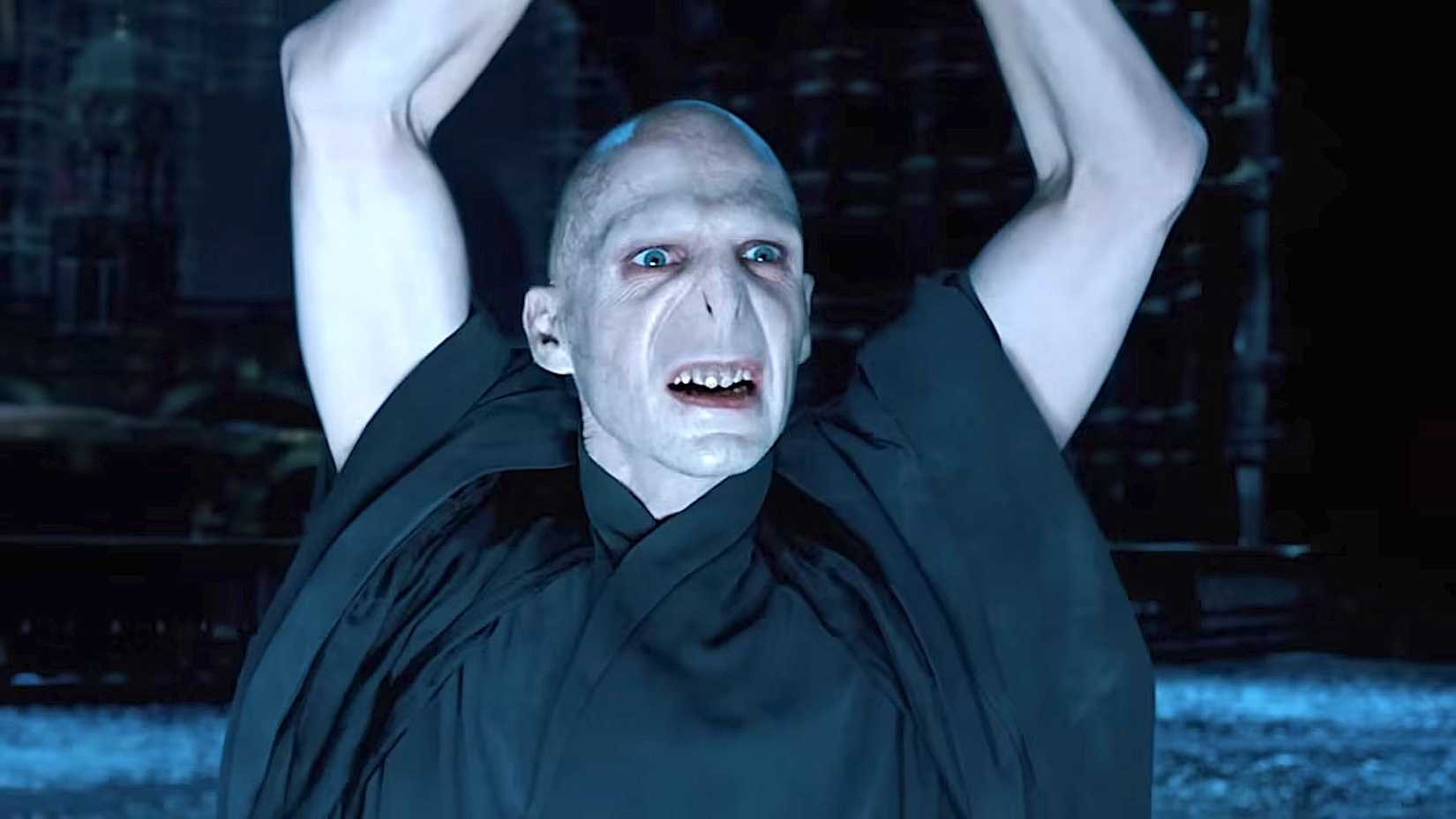
A widely held belief, even within the Wizarding World itself, is that Lord Voldemort met his end when his Killing Curse rebounded against Harry Potter in Godric’s Hollow. This is incorrect. While the curse did shatter his physical body and strip him of his powers, it did not kill him. Voldemort, having split his soul into Horcruxes, was tethered to life. His subsequent appearances – as a parasitic entity attached to Quirinus Quirrell in Harry’s first year, and his eventual "resurrection" in The Goblet of Fire – were not instances of him returning from the dead, but rather him regaining physical form from a state of disembodied existence. His true, final death occurred only at the conclusion of the Battle of Hogwarts, when Harry’s Disarming Charm, combined with the Elder Wand’s allegiance, caused his own curse to backfire for the last time.
Misconception 2: Unwavering Dursley Hostility
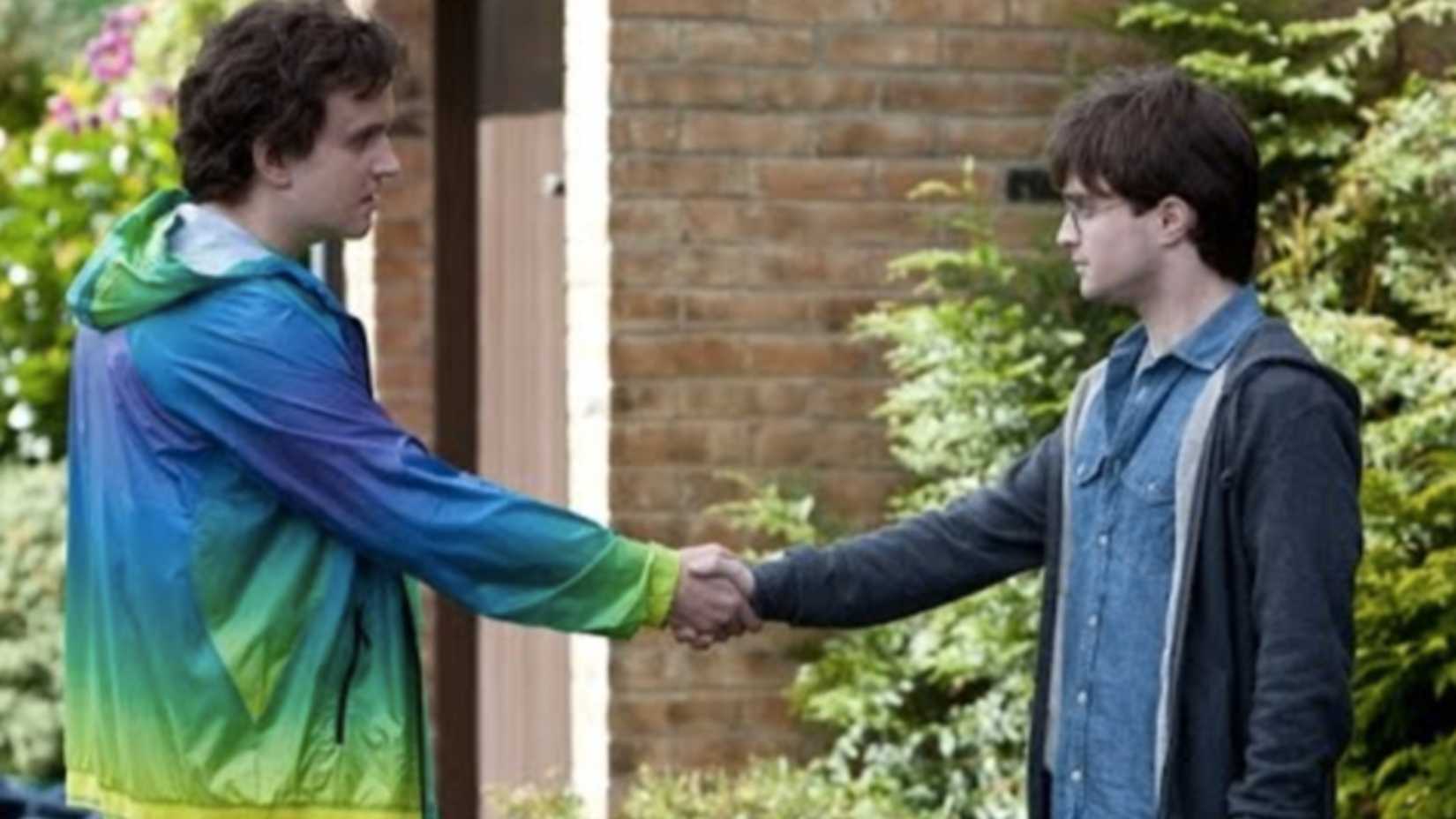
For the vast majority of Harry’s upbringing and the duration of the saga, his aunt, uncle, and cousin – the Dursleys – are depicted as cruel, dismissive, and utterly disdainful of anything magical, including Harry himself. This portrayal is largely accurate. However, the blanket statement that "all Dursleys hate Harry" overlooks a crucial moment of development for one character: Dudley Dursley. In Harry Potter and the Deathly Hallows, as the Dursleys prepare to go into hiding to escape Voldemort’s forces, Dudley extends a hand of friendship to Harry, expressing genuine gratitude and acknowledging Harry’s value with the memorable line, "I don’t think you’re a waste of space." This poignant moment, while regrettably cut from the film adaptation, signifies a significant shift in Dudley’s character, indicating a capacity for growth and affection that belies the family’s earlier, uniform hatred.
Misconception 3: Rigid House Allegiance at Hogwarts
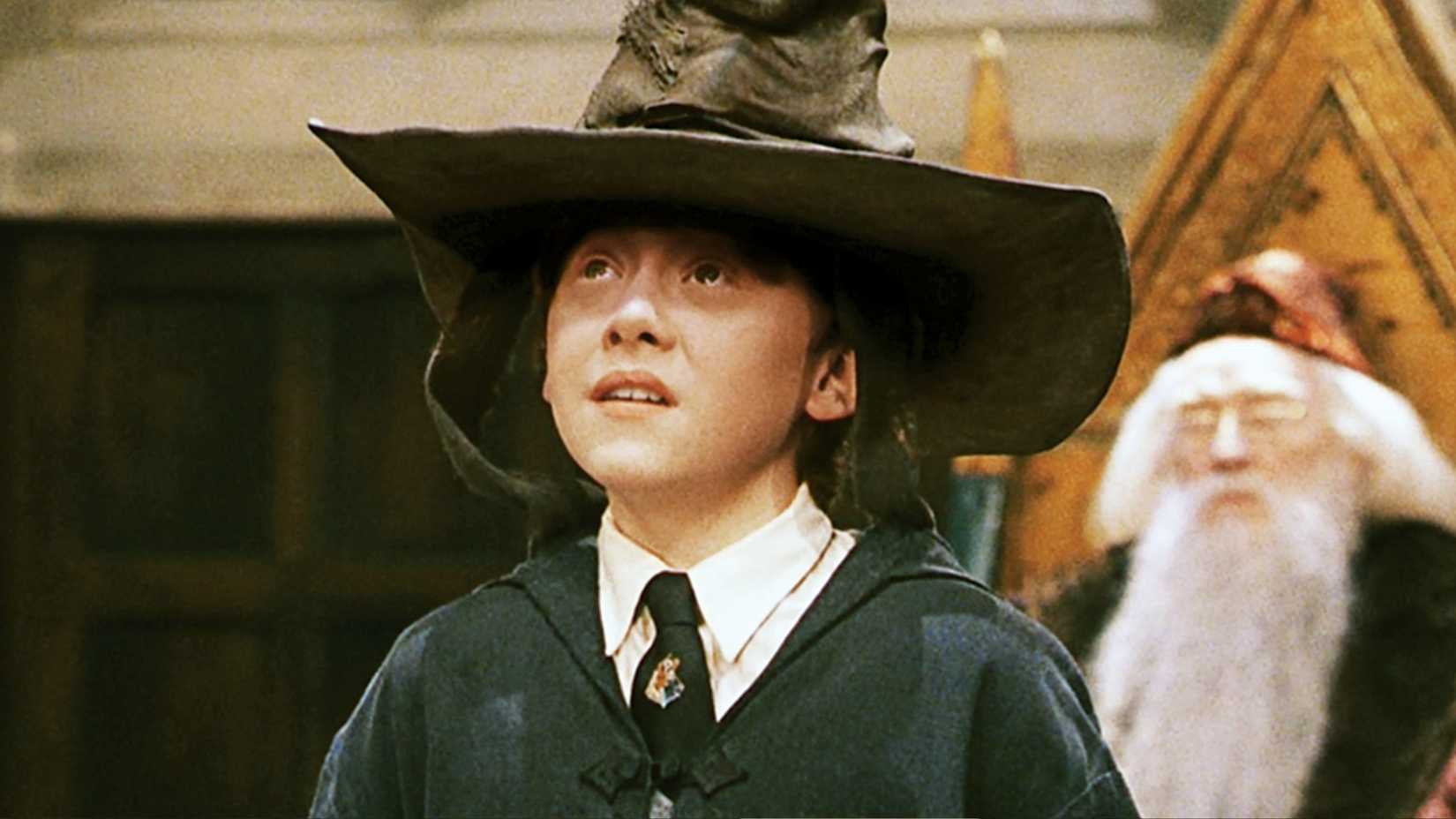
The Sorting Hat’s decision on which of the four Hogwarts houses a student belongs to is often seen as definitive and absolute, implying a singular, undeniable fit. While the Hat’s judgment is typically accurate, it’s not always a straightforward process. The Hat considers a student’s dominant traits, but many individuals possess qualities that could align them with multiple houses. A prime example is Hermione Granger, whose prodigious intelligence and love for learning are textbook Ravenclaw traits. However, her unwavering courage, loyalty, and willingness to stand up for what is right ultimately led the Hat to place her in Gryffindor. This phenomenon, where the Hat deliberates for an extended period, is known as a "Hatstall." It underscores that a student’s placement often reflects their deepest desires or the qualities they value most, rather than a monolithic personality profile. Gilderoy Lockhart, for instance, was nearly a Slytherin due to his ambition and cunning, but ultimately sorted into Ravenclaw.
Misconception 4: The Canon Status of ‘Harry Potter and the Cursed Child’
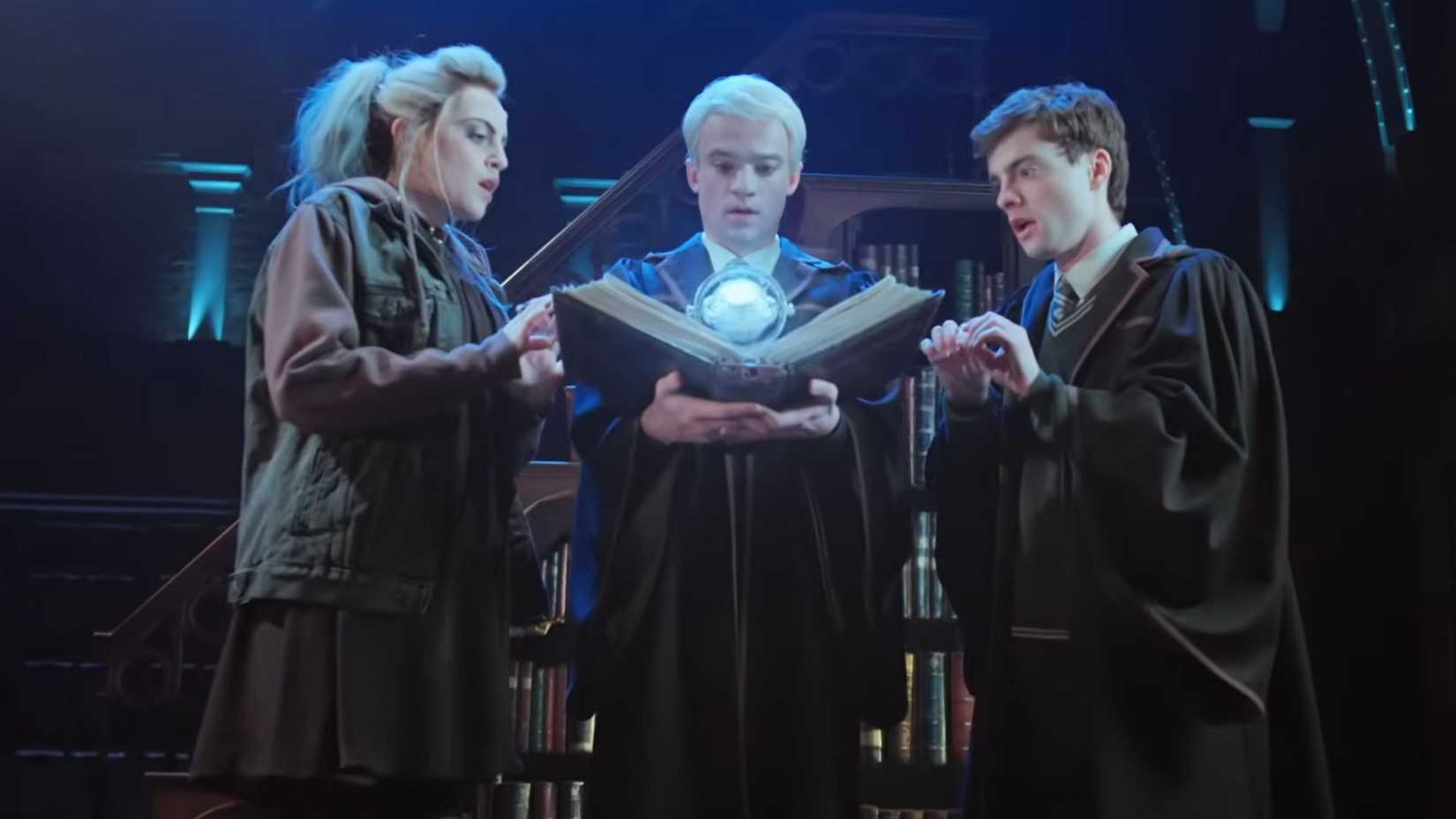
This is a hotly debated point within the fandom, with many fans wishing to disassociate the stage play Harry Potter and the Cursed Child from the official Harry Potter narrative due to its perceived plot inconsistencies and character deviations. However, despite fan sentiment, J.K. Rowling herself has confirmed that The Cursed Child is canonical, serving as an official continuation of the book series. While it exists in a separate continuity from the films and introduces significant temporal complexities and plot holes (a common side effect of time travel narratives), its story is officially endorsed as part of the Wizarding World lore. The closest the film continuity has come to acknowledging it was when Tom Felton reprised his role as Draco Malfoy in the Broadway production, a nod to the enduring impact of the original cast on the characters.
Misconception 5: Muggles’ Universal Ignorance of the Wizarding World
The foundational premise of the Harry Potter universe dictates a strict separation between the Wizarding and Muggle worlds, enforced by charms, secrecy, and the general disbelief of non-magical folk. While the vast majority of Muggles are indeed oblivious to magic, it is a fallacy to assume this ignorance is universal. Several "cracks in the system" reveal a more nuanced reality. Firstly, Muggle-born witches and wizards exist, meaning their families are undeniably aware of magic, and this knowledge surely extends to wider family circles and close acquaintances, despite the Statute of Secrecy. Secondly, high-ranking Muggle officials, such as the British Prime Minister, are regularly briefed by the Minister for Magic on events that could impact the Muggle world, particularly in times of crisis like Voldemort’s resurgence or the escape of dangerous magical creatures. Therefore, while widespread belief in magic is suppressed, a significant, albeit hidden, network of Muggles possesses knowledge of the magical world.
Misconception 6: The Simplicity of Polyjuice Potion
The Polyjuice Potion, first introduced in Harry Potter and the Chamber of Secrets, allows a drinker to temporarily assume the physical form of another person. Its frequent, almost casual, use by characters like Barty Crouch Jr. and even Hermione Granger, often leads to the misconception that it’s a relatively easy or common brew. This is far from the truth. Polyjuice Potion is an incredibly complex and advanced concoction, requiring rare ingredients (like lacewing flies steeped for 21 days and boomslang skin) and meticulous preparation, often taking a month or more to brew. Hermione’s ability to successfully brew it in her second year at Hogwarts is not an indication of its simplicity, but rather a testament to her extraordinary intellect and prodigious magical talent, highlighting her as a witch of exceptional skill even at a young age. Its power is precisely why it is not widely available or constantly employed as a "get-out-of-jail-free" card.
Misconception 7: Guaranteed Magical Offspring from Magical Parents
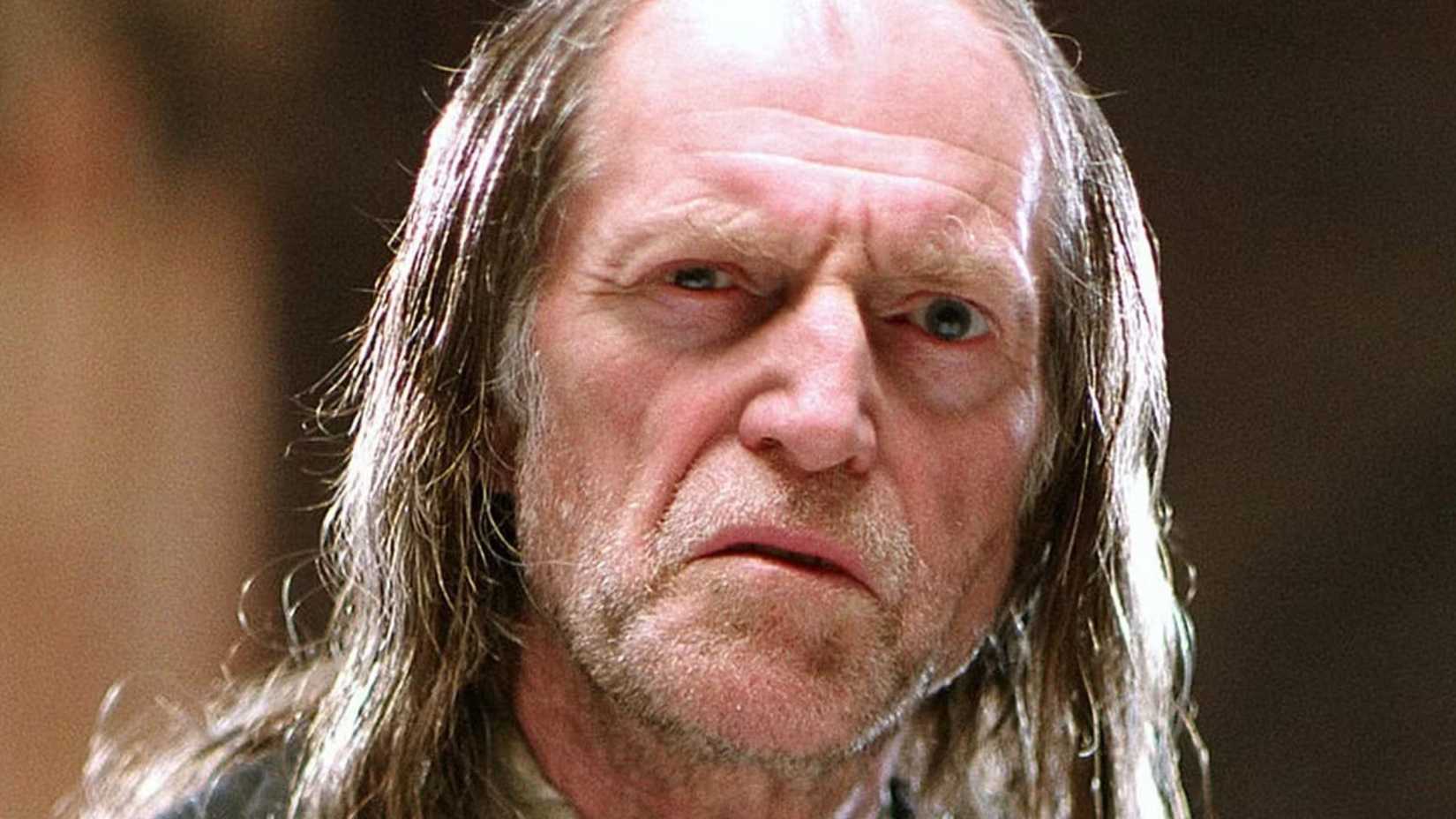
The idea that magic is genetic and passed down through families is a core tenet of the Harry Potter universe, often leading to the assumption that children born to magical parents will always inherit magical abilities. While the "magic gene" is indeed often dominant, this is not an absolute rule. Just as witches and wizards can be born to Muggle parents (Muggle-borns), children born into fully magical families can occasionally lack any magical powers. These individuals are known as Squibs. The most prominent example in the series is Argus Filch, Hogwarts’ caretaker. Filch, born to magical parents, is unable to perform magic, a source of profound bitterness and self-loathing for him. This distinction is crucial: Squibs are not Muggles; they are aware of the Wizarding World, can see magical creatures and locations hidden from Muggles, but simply cannot wield magic themselves.
Misconception 8: Time-Turners’ Widespread Availability
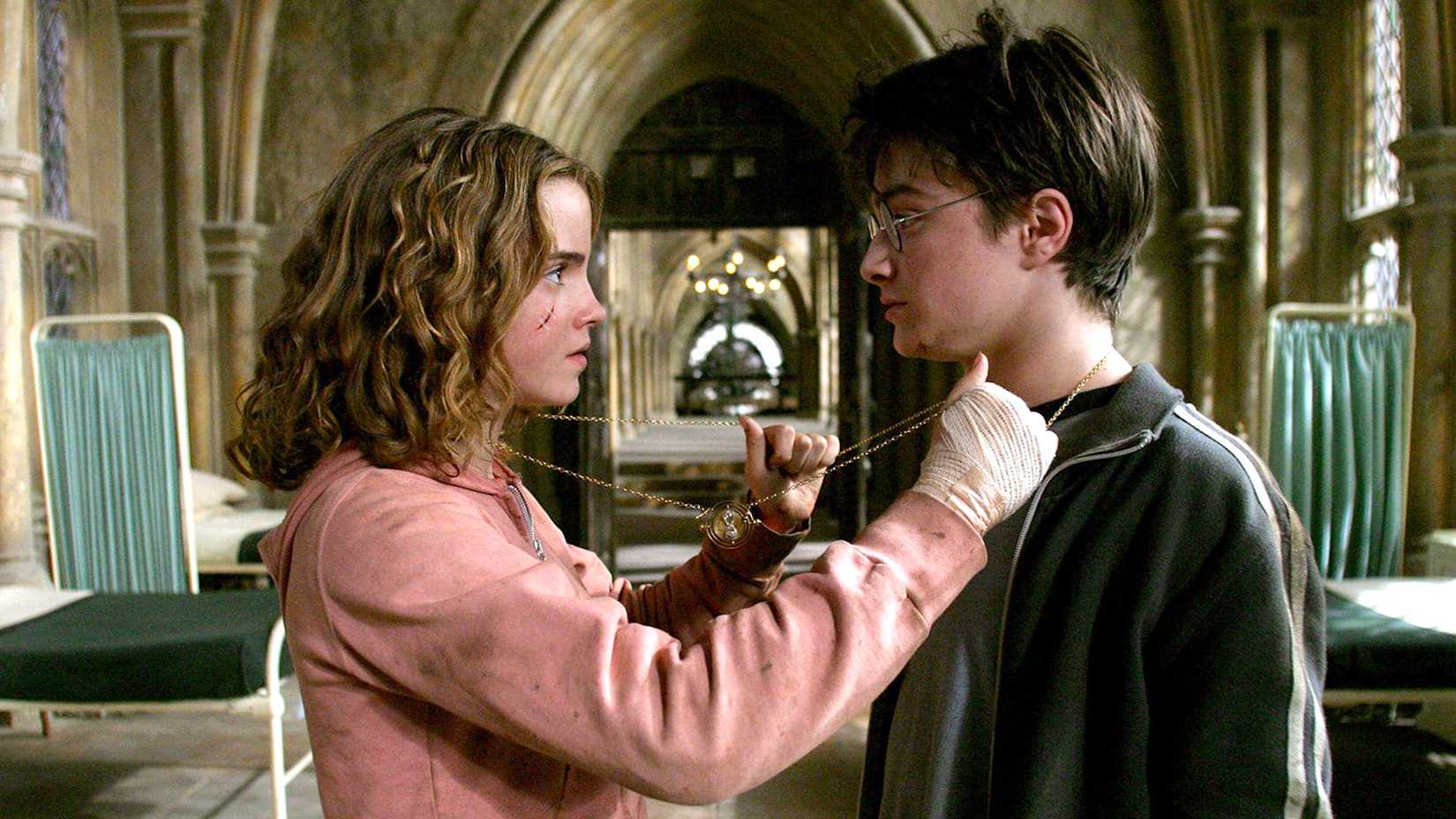
Time-Turners, devices capable of temporal displacement, are famously used by Hermione Granger in Harry Potter and the Prisoner of Azkaban to manage an impossibly demanding class schedule and, crucially, to save Sirius Black and Buckbeak. Their powerful, reality-bending capabilities often lead to questions about why they aren’t more widely used to solve problems or avert tragedies. The misconception is that they are readily available. In reality, Time-Turners are exceedingly rare and heavily policed by the Ministry of Magic. Their use is restricted to highly specific, authorized circumstances, and their existence is a closely guarded secret. Furthermore, the entire stock of Time-Turners held by the Ministry was destroyed during the Battle of the Department of Mysteries in Order of the Phoenix. This scarcity and ultimate destruction reinforce their status as exceptionally dangerous and controlled artifacts, not tools for casual temporal alteration.
Misconception 9: Hagrid Can (and Does) Use Magic
Rubeus Hagrid, the half-giant gamekeeper of Hogwarts, is known for his expulsion from the school in his third year, a consequence of being framed by Tom Riddle for opening the Chamber of Secrets. His wand was snapped, and he was officially forbidden from performing magic. This often leads to the belief that Hagrid is entirely magic-less. However, Hagrid secretly retained the broken pieces of his wand, concealing them within his signature pink umbrella. While his magical abilities are undoubtedly hampered by his stunted education and the damaged state of his wand, he is demonstrably capable of performing basic spells, albeit often clumsily and with unpredictable results. From igniting a fire in the Dursleys’ fireplace to attempting to transform Dudley into a pig, Hagrid does indeed use magic, albeit discreetly and often with less finesse than fully trained wizards. He is a wizard, albeit an untrained and officially banned one.
Misconception 10: Not All Slytherins Become Dark Wizards
Perhaps one of the most ingrained and unfair misconceptions within the Harry Potter fandom is the idea that all Slytherins are inherently evil or destined to become dark wizards. While the house has undeniably produced a disproportionate number of antagonists, including Lord Voldemort himself, this is a dangerous oversimplification. Slytherin House values ambition, cunning, resourcefulness, leadership, and self-preservation – traits that, while capable of being twisted for nefarious purposes, are not inherently evil. Notable examples of Slytherins who were not villains or underwent significant redemption include Severus Snape, whose complex loyalty ultimately aided Harry; Draco Malfoy, who struggled with the dark path laid out for him and ultimately failed to fully embrace it; and even the legendary Merlin, canonically a Slytherin, renowned for his wisdom and benevolent magic. Moreover, dark wizards have emerged from other houses, such as Peter Pettigrew (Gryffindor) and Professor Quirrell (Ravenclaw). The house’s reputation, while rooted in history, often becomes a self-fulfilling prophecy, pressuring students to conform to a perceived archetype.
Chronology: Evolution of Misunderstandings Across the Saga
The prevalence of these misconceptions is often a product of how the Harry Potter story unfolded and was adapted across different media.
Early Impressions and Film Adaptations
Many initial misconceptions stem from the early books, where certain aspects of the lore were still being established, and from the film adaptations, which, by necessity, had to condense or simplify the intricate narratives. For instance, the first book and film heavily emphasize Voldemort’s "death" at Godric’s Hollow, making his subsequent appearances seem like true resurrections rather than transformations from a disembodied state. Similarly, the Dursleys’ relentless cruelty in the early books and films sets a strong impression of uniform hatred, making Dudley’s later moment of empathy easy to overlook or dismiss. The films, in particular, often prioritize visual storytelling and pacing over minute canonical details, leading to omissions like Dudley’s apology or the destruction of all Time-Turners in the Ministry, which in turn fuels these popular but inaccurate beliefs among viewers who may not have read the books or recall them less clearly.
Deepening Lore and Fan Interpretations
As the book series progressed, J.K. Rowling steadily expanded and enriched the Wizarding World’s lore, adding layers of complexity that often nuanced earlier, simpler understandings. The later books introduced concepts like Hatstalls, detailed the specific challenges of advanced potions like Polyjuice, and provided deeper insights into the Dursleys’ motivations and Hagrid’s magical capabilities. However, by this point, many initial impressions had already solidified in the minds of early fans. The ongoing dialogue within the fandom, fueled by discussions on forums, fan fiction, and online communities, also played a significant role. While these platforms can be excellent for clarifying lore, they can also inadvertently reinforce misconceptions through repetition, especially if discussions are based on incomplete information or interpretations of the films rather than the full book canon.
Post-Series Expansions and Canon Debates
The release of Harry Potter and the Cursed Child and supplementary materials on Pottermore/WizardingWorld.com further complicated the landscape of canon and contributed to new debates. The Cursed Child‘s status as canon, particularly with its drastic alteration of Time-Turner mechanics, sparked considerable controversy and led to a desire among many fans to disregard it entirely, even though Rowling herself affirmed its place. This period also saw J.K. Rowling herself providing numerous post-series clarifications via interviews and social media, addressing various fan questions and elaborating on details not fully explored in the books, such as the full implications of Squibs or the Ministry’s strict control over powerful magical artifacts. These clarifications, while invaluable, sometimes arrived years after the initial narrative, requiring a re-evaluation of long-held beliefs.
Supporting Data: Canonical Evidence and Authorial Intent
The corrections to these misconceptions are not based on speculation but are firmly rooted in the established canon of the Harry Potter books and validated by supplementary information from J.K. Rowling.
Textual Evidence from the Books
- Voldemort’s Survival: In Harry Potter and the Philosopher’s Stone, Quirrell explicitly states that Voldemort "was not dead… he was left a crippled, wretched thing." Dumbledore later explains the Horcruxes in Half-Blood Prince, confirming his soul’s tether to life. His "resurrection" in Goblet of Fire is described as the restoration of his body, not his revival from death.
- Dudley’s Change: The crucial scene where Dudley shakes Harry’s hand and says, "I don’t think you’re a waste of space," is found in Harry Potter and the Deathly Hallows, Chapter 3, "The Dursleys Departing."
- House Nuance: Hermione’s internal struggle and the Sorting Hat’s deliberation are implied in Philosopher’s Stone. The concept of "Hatstalls" and the Sorting Hat’s consideration of a student’s choice is explicitly discussed in Pottermore and confirmed by Rowling, with examples like Hermione choosing Gryffindor over Ravenclaw (due to valuing bravery over intellect) and Minerva McGonagall being a Hatstall between Gryffindor and Ravenclaw.
- Polyjuice Potion Difficulty: The elaborate and time-consuming brewing process for Polyjuice Potion is detailed in Harry Potter and the Chamber of Secrets, Chapter 10, "The Polyjuice Potion," emphasizing the rare ingredients and lengthy steeping times.
- Squibs: Argus Filch’s status as a Squib is revealed in Harry Potter and the Chamber of Secrets when Harry and Ron find a "Kwikspell" correspondence course for him. His ability to perceive Hogwarts’ hidden magical elements, unlike Muggles, is consistently shown throughout the series.
- Time-Turners: Hermione’s use and Professor McGonagall’s strict warnings about Time-Turners are central to Harry Potter and the Prisoner of Azkaban. Their destruction is explicitly mentioned in Harry Potter and the Order of the Phoenix, Chapter 35, "Beyond the Veil," during the battle in the Department of Mysteries.
- Hagrid’s Magic: Hagrid’s "broken wand" in the pink umbrella is revealed in Harry Potter and the Philosopher’s Stone (he lights a fire and attempts to transfigure Dudley) and further confirmed in Chamber of Secrets with the revelation of his expulsion.
- Slytherin’s Complexity: Snape’s ultimate loyalty is revealed in Deathly Hallows. Draco Malfoy’s moral struggle is a central arc from Half-Blood Prince onwards. Merlin’s canonical Slytherin status is a long-standing piece of supplementary lore from J.K. Rowling.
J.K. Rowling’s Supplementary Information
Beyond the books, J.K. Rowling has frequently expanded on the lore through interviews, her website, and Pottermore/WizardingWorld.com. These sources have clarified details such as the official canon status of The Cursed Child, the precise nature of Squibs and their distinction from Muggles, the Ministry’s stringent regulations regarding Time-Turners, and the nuanced decision-making process of the Sorting Hat, including the existence of Hatstalls. Her explicit confirmation of Merlin’s Slytherin affiliation is another example of authorial intent shaping the understanding of house stereotypes. This wealth of external information serves as critical "supporting data" for debunking common myths.
Official Responses: J.K. Rowling and Warner Bros. Perspectives
The creators and rights holders of the Harry Potter franchise have, at various points, addressed these lore points, sometimes directly clarifying, and other times inadvertently contributing to, the misconceptions.
Authorial Clarifications
J.K. Rowling has been quite vocal in clarifying aspects of her world. Her steadfast assertion of Harry Potter and the Cursed Child‘s canonical status, despite fan backlash, is a clear example of authorial intent overriding popular opinion. She has consistently maintained that it is the "eighth story," a direct continuation of the books. Similarly, through interviews and Pottermore, she has delved into the complexities of Squibs, explaining their unique position within the magical world and distinguishing them from Muggles. Her clarifications on the Ministry’s extreme control over Time-Turners, and their eventual destruction, directly respond to the logical questions fans posed about their infrequent use. These authorial statements are the ultimate authority in establishing canon.
Adaptational Choices and Their Impact
Warner Bros.’s film adaptations, while visually stunning and wildly successful, inevitably made creative choices that simplified or omitted elements from the books. The decision to cut Dudley’s apology scene from Deathly Hallows – Part 1, for instance, removed a crucial moment of character development that could have softened the audience’s perception of the Dursleys. The films also often streamlined complex magical elements; the nuance of the Sorting Hat’s decision-making or the intricate process of brewing Polyjuice Potion was often condensed. The cinematic portrayal of Time-Turners, while visually engaging, didn’t always fully convey their rarity or the strict Ministry regulations, and their destruction was not as explicitly detailed as in the books. These adaptational necessities, while understandable for the medium, undoubtedly contributed to the propagation of misconceptions among film-only fans or those whose memories of the books were overshadowed by the movies.
Implications: Reshaping Understanding of the Wizarding World
Correcting these long-held misconceptions has profound implications, enriching our understanding of the Harry Potter universe, its characters, its magic system, and its overarching themes.
Deeper Character Nuances
Understanding that not all Dursleys remained uniformly hateful, particularly Dudley’s moment of grace, adds a layer of complexity to the characters often dismissed as purely villainous. It suggests a potential for growth, even in the most prejudiced, and offers a more nuanced view of Harry’s strained familial ties. Similarly, acknowledging that Slytherin is not inherently evil allows for a richer appreciation of characters like Snape and Draco, whose moral ambiguities and complex motivations are central to their arcs. It moves beyond a simplistic good-vs-evil dichotomy, highlighting the internal struggles and choices that define individuals, regardless of their initial house placement. The tragic figure of Argus Filch as a Squib gains added poignancy when one understands his inherent connection to a world he can never truly be part of, making his bitterness more understandable, if not excusable.
Refined Understanding of Magic and its Limitations
Debunking the idea of easily accessible Polyjuice Potion or readily available Time-Turners emphasizes the true power and inherent dangers of high-level magic. It reinforces that magic in the Wizarding World is not a series of convenient plot devices but a complex system with strict rules, severe limitations, and profound consequences. This understanding enhances the stakes of the narrative and the ingenuity of characters like Hermione, whose ability to master such challenging magic is rightly celebrated as exceptional. It also underscores the Ministry of Magic’s role in maintaining order and secrecy, showcasing the immense power they wield in regulating magical artifacts and practices.
Enhancing Fandom Engagement
Ultimately, clarifying these misconceptions encourages a deeper, more critical engagement with the Harry Potter lore. It invites fans to revisit the books, pay closer attention to textual details, and appreciate the intricate world-building J.K. Rowling created. It fosters a more informed dialogue within the fandom, moving beyond superficial interpretations to a richer, more accurate appreciation of the story’s complexities. By dispelling myths, we honor the depth and consistency of the Wizarding World, ensuring that future generations of fans can engage with its magic on a more profound level.
Conclusion: The Ever-Evolving Tapestry of Harry Potter Lore
The Harry Potter series, with its expansive universe and deeply woven narrative, continues to enchant and inspire. Its longevity and cultural impact are a testament to the richness of its world. However, like any vast and beloved fictional universe, it is susceptible to the propagation of myths and misunderstandings. By meticulously examining the canon and distinguishing fact from popular belief, we gain a clearer, more nuanced appreciation of J.K. Rowling’s masterful creation.
From Voldemort’s multi-stage journey to his ultimate demise, to Dudley’s unexpected olive branch, the intricate nuances of house sorting, the officially sanctioned yet controversial continuation of The Cursed Child, the subtle awareness of the Wizarding World by some Muggles, the formidable challenge of advanced potions, the existence of non-magical children in magical families, the stringent control over powerful time-altering artifacts, Hagrid’s hidden magical capabilities, and the complex morality of Slytherin House – each clarified point adds another thread to the vibrant tapestry of the Wizarding World. Engaging with these details not only deepens our knowledge but also enhances our admiration for the foresight and consistency woven into this magical saga, reminding us that even in a world of wonders, the truth is often more compelling than the myth.
