
A Dark Fairy Tale Reimagined: The 20th Anniversary 3D Restoration of ‘Pan’s Labyrinth’
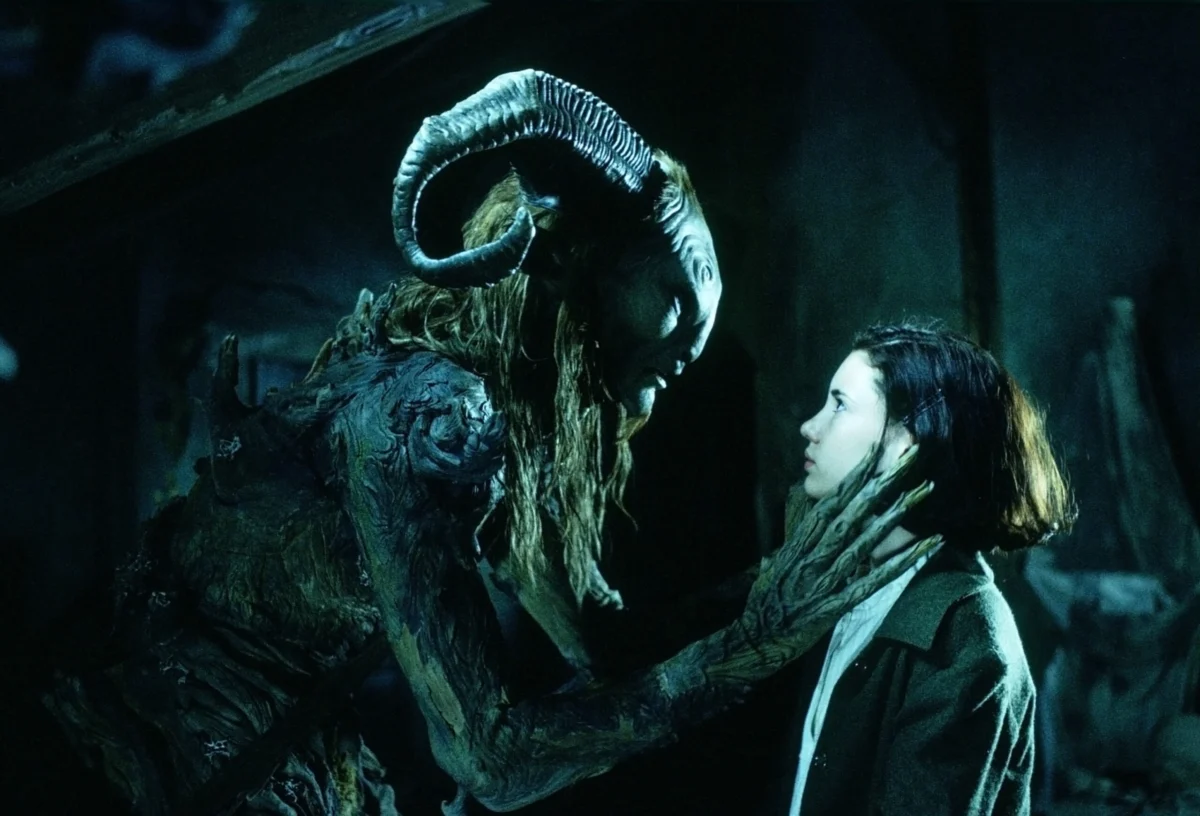
Two decades after it first captivated audiences and haunted the collective imagination, Guillermo del Toro’s dark, indelible masterpiece Pan’s Labyrinth is returning to the big screen. The film, a harrowing and beautiful synthesis of Spanish historical trauma and surrealist dark fantasy, is set for a North American theatrical re-release on October 9, 2026—coinciding with the director’s birthday. However, this is not merely a standard archival screening; it is a meticulously crafted, technologically advanced 3D immersion that aims to bring viewers deeper into the Labyrinth than ever before.
The Genesis of a Modern Classic
Released in 2006, Pan’s Labyrinth arrived as a cinematic anomaly. Set in the immediate, brutal aftermath of the Spanish Civil War in 1944, the story follows young Ofelia (Ivana Baquero), a girl who escapes the suffocating tyranny of her sadistic stepfather by retreating into a cryptic, mythical world of her own making.
The film remains an unclassifiable triumph. It effectively bridges the gap between high-concept fantasy and grounded political commentary, never shying away from the visceral, unblinking horror of fascist reality. Through its lush, vivid imagery and a delicate balance of beauty and brutality, the film became an instant hit with critics and audiences alike, eventually securing three Academy Awards and cementing del Toro’s reputation as a visionary auteur.
A New Dimension: The Technological Leap
For twenty years, the visual and sonic landscape of Pan’s Labyrinth has been considered near-perfect. The idea of "improving" it might have seemed like a fool’s errand to some, but for del Toro, the passage of two decades offered an opportunity to revisit the work with a more powerful toolkit.
Collaborating with a trusted team of industry veterans, del Toro has overseen a comprehensive 3D conversion, accompanied by a new color grade and a state-of-the-art sound mix. The goal was never to replace the original, but to provide an even more immersive experience—one that utilizes modern advancements while remaining strictly faithful to the director’s original, uncompromising vision.
The Sonic Landscape: Modernizing the Audio
Sound designer and editor Scott Gershin, tasked with re-mixing the film, faced a unique challenge: how to update a film’s sound without stripping it of its 2006 soul. Gershin describes his guiding philosophy as that of a classic car restorer. "If you’re restoring a Model T, you get Model T parts," Gershin explained. "You don’t modernize it with parts that don’t belong."

Gershin accessed the original stems and elements, noting that, by 2026 standards, the original digital technology felt slightly dated. His mission was to make the film sound the way audiences remember it sounding, rather than creating an entirely new sonic identity. However, the introduction of 3D depth necessitated a wider, more expansive soundscape.
"When Guillermo first contacted me, I didn’t even know it was going to be in 3D," Gershin noted. "He just said, ‘Listen, would you be willing to go back into the film and modernize it, make it a little more theatrical?’ Then I saw the 3D, and it looked amazing. I realized we needed to increase the level of the audio to match the picture."
Gershin supervised a new pass in Dolby Atmos, adding intricate foley and atmospheric backgrounds. He was careful to ensure the audio retained a degree of "rawness," particularly in the film’s opening scenes. "The cars at the beginning didn’t really play before; now, the cars come in, and they’re a little rusty; they’re like cars of their time," he said. By building on the original foundation, the new sound mix breathes new life into the film’s most intense sequences.
Preserving the Grain: The 3D Conversion Strategy
Aaron Parry of SDFX Studios, who spearheaded the 3D conversion, understood that the aesthetic of Pan’s Labyrinth is inextricably linked to its original film grain. Unlike many 3D conversions that prioritize smoothness to accommodate high-end television displays, Parry and del Toro remained committed to a non-destructive process.
"He wanted to really say, this is the film, but playing it in 3D is going to add so many more layers of fear and anxiety and mystery," Parry said. Having worked with del Toro previously on Pacific Rim, Parry knew that the director valued depth as a narrative tool, not just a gimmick. In Pan’s Labyrinth, the 3D becomes a means of visually segregating the real world from the fantasy realm, enhancing the audience’s perception of Ofelia’s psychological displacement.
The Color Palette: Refining the Visuals
Colorist Stefan Sonnenfeld, another long-term collaborator, was tasked with the delicate balance of cleaning up the image while honoring the original color timing. Some scenes in the original film were hampered by the limitations of the technology available in 2006, leading to what del Toro identified as "hotspots"—areas of the frame where visual effects or lighting didn’t quite mesh as intended.

"Guillermo had a few hotspots in the film that he never really got to address," Sonnenfeld explained. "Part of that had to do with technology, in terms of crude visual effects. We massaged some of those scenes with the tools we have now."
This "massage" involved subtle color grading and blending techniques that fix minor visual inconsistencies. Sonnenfeld emphasized that the intention was never to "contemporize" the film, but rather to remove the rough edges that hindered immersion. The result is a sharper, more nuanced viewing experience that preserves the original cinematic texture while benefiting from modern high-fidelity mastering.
The Human Element: Why Now?
Beyond the technical achievements, the project served as a creative homecoming for the team. For collaborators like Sonnenfeld, the value of the project extended well beyond the technical specs of the DCP.
"Guillermo is one of the most kind, generous, intellectual, enjoyable people that ever sits in my room," Sonnenfeld said. "That’s what’s important to me these days. I really want to spend time with somebody I care about who appreciates filmmaking, who appreciates the art and empowers all of us to do what we do."
This sense of collaborative respect is the heartbeat of the restoration. The team spent months meticulously debating every frame, every sound effect, and every layer of depth, all under the watchful eye of the director who first brought this story to life.
Implications for the Future of Restoration
The 2026 re-release of Pan’s Labyrinth raises an interesting question about the future of film preservation and re-presentation. While traditional restorations usually focus on archival accuracy—removing scratches and stabilizing images—this project represents a more "active" form of restoration.

By utilizing 3D conversion as a tool to enhance the director’s original thematic intent, the team has created a "Director’s Cut" that relies on technological advancement rather than scene deletion or addition. It suggests that, as 3D and immersive audio technologies continue to evolve, there is a viable path for older films to be "re-imagined" for modern theatrical experiences, provided they remain grounded in the original creative vision.
Conclusion: A Timeless Descent
For those who have not seen Pan’s Labyrinth in years, or for the generation of viewers who have only experienced it on home media, the October 9 theatrical release offers a chance to engage with a modern classic in its most elevated form. It is a testament to the fact that great storytelling—and great monsters—only gain power with time.
The film continues to serve as a mirror to our own history and our own fears. By opening up the space of the Labyrinth and refining the grit of the Spanish countryside, this 20th-anniversary restoration invites us to fall back into the darkness, deeper and more completely than we ever have before.
The 4K 3D restoration of Pan’s Labyrinth opens in theaters nationwide on October 9, 2026.
