
The Legal Architects of Modern Music: Behind the Industry’s Defining Deals of 2026
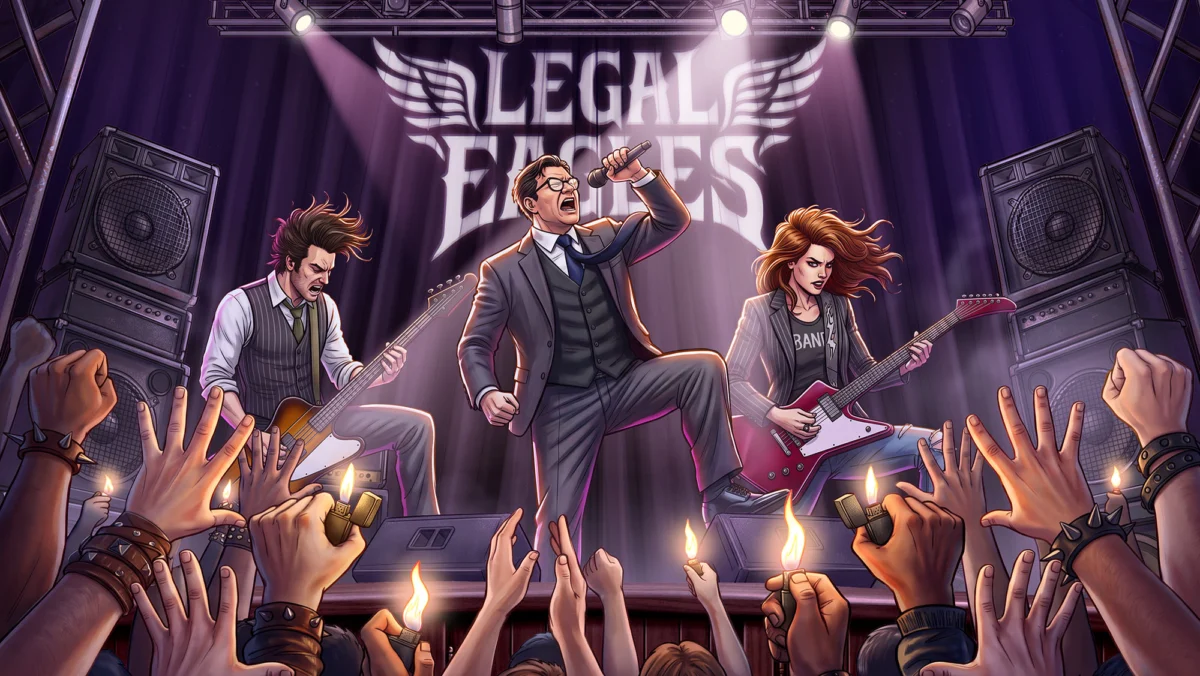
The music industry in 2026 is defined by a paradoxical landscape: record-breaking catalog valuations and massive live-touring windfalls existing alongside existential questions regarding artificial intelligence and copyright integrity. While superstars like Billie Eilish, Bad Bunny, and Rihanna command the headlines, the true architects of these cultural moments operate behind the scenes.

From the high-stakes environment of Las Vegas Sphere residencies to the complex, multibillion-dollar acquisition of legacy publishing portfolios, the industry’s top attorneys are no longer just closing deals—they are setting the regulatory agenda for the digital age. This year’s roster of premier music lawyers reflects a shift toward strategic, cross-platform litigation and complex corporate restructuring.

The Architecture of the Deal: 2026’s Defining Moves
The past twelve months have been defined by a consolidation of intellectual property. The scale of these transactions is staggering. Firms like Kirkland & Ellis orchestrated the sale of Recognition Music Group to Sony Music Publishing—a behemoth deal valued between $3.5 billion and $4 billion. This single transaction secured the rights to over 45,000 legendary tracks, including Mariah Carey’s "All I Want for Christmas Is You" and Fleetwood Mac’s "Go Your Own Way."

Simultaneously, Reed Smith’s Josh Love, Eric Marder, Steve Sessa, and Ed Shapiro navigated a staggering $20 billion in transactions, including the acquisition of master recordings from The Weeknd, marking what is widely considered the largest deal ever for a contemporary artist.

A Chronology of Legal Transformation
- Early 2026: The industry witnesses a pivot toward "AI-harmonious" deals, with Gabe Fleet of Latham & Watkins negotiating a landmark collaboration between Suno and Warner Music Group, transforming a previous adversarial relationship into a next-gen licensing ecosystem.
- Mid-2026: Peter Anderson scores a significant summary judgment for Cher in her ongoing copyright battle regarding Sonny Bono’s estate, reaffirming the rights of legacy artists to future royalty streams.
- Late 2026: The legal industry intensifies its focus on the "No Fakes Act," with attorneys like Lisa Alter and Katie Baron emphasizing the necessity of collective action to bolster copyright protection against unauthorized AI-generated content.
Supporting Data: The Magnitude of Legal Influence
The sheer volume of assets currently moving through legal channels is unprecedented. Sid Fohrman of Paul Hastings alone steered over $25 billion in deals over the last year, a figure that underscores the commodification of music catalogs as a high-yield asset class.

The live sector has similarly evolved into a specialized legal field. Brian Schall of Barnes & Thornburg turned the Las Vegas Sphere into a goldmine for electronic dance music, negotiating Illenium’s residency, which generated $58 million in ticket sales. These figures demonstrate that legal expertise is now a primary driver of venue profitability and artist revenue expansion.

The AI Frontier: Official Responses and Strategic Shifts
Perhaps the most pressing concern for the legal community is the integration of generative AI. The industry is currently divided between those seeking to litigate and those seeking to innovate.

"The most pressing issue will be how much of a human contribution to a piece of music is required for protection under the Copyright Act," says Charles J. Biederman of Greenberg Traurig. His colleague, Charmaine D. Smith, has taken a proactive role, serving as strategic music counsel to OpenAI and Meta, effectively acting as the bridge between Silicon Valley developers and music rights holders.

Conversely, the litigation front is equally aggressive. David A. Munkittrick of Proskauer is leading Warner Music Group’s charge against generative AI training models, arguing that the practice violates the Sound Recording Labor Agreement. "The industry has recovered more than $100 million for labels and publishers to date regarding unlicensed use," Munkittrick notes, framing the legal battle as a necessary crackdown on intellectual property theft.

Perspectives from the Frontlines
- On Authenticity: Tony Oncidi (Proskauer) identifies "authenticity" as the core battleground for the next five years. He questions: "Who has the right to create, authorize, and monetize a digital version of an artist, and how will audiences know what is real?"
- On Innovation vs. Regulation: Paul M. Robinson (Warner Music) warns against over-regulation: "We need strong guardrails, but if those guardrails become roadblocks, all of us lose."
- On Artist Identity: Dina LaPolt (LaPolt Law) remains focused on the individual: "Ensuring that innovation doesn’t outpace artists’ ability to control how their identities and creative work are used."
Broader Implications for the Music Industry
The implications of these legal maneuvers extend far beyond the courtroom. The rise of artist-led brand launches—such as the Gin & Juice collaboration between Dr. Dre and Snoop Dogg, guided by Sarah Graham of Gibson Dunn—signals that the "music lawyer" of 2026 must be an expert in consumer packaged goods, international licensing, and high-stakes venture capital.

Furthermore, the legal work surrounding estate management has reached a new level of complexity. The stewardship of the Michael Jackson estate by John Branca—which has seen the estate transition from $500 million in debt to generating $3.5 billion in revenue—sets a gold standard for posthumous brand management. Similarly, Derek Crownover (Loeb & Loeb) has managed Dolly Parton’s multifaceted portfolio, proving that legal strategy is now inseparable from philanthropic and cultural impact.

Protecting the Future
The consensus among these legal luminaries is that the next five years will be defined by the "clarification of copyright." Sarah Moses of Manatt notes that the industry expects greater clarity regarding the fair use and First Amendment implications of AI.

However, there is a cautionary note from the transactional side. Beau Stapleton of Willkie Farr & Gallagher offers a poignant reflection on the current state of the industry: "The business is built to monetize established catalogs. We need to be equally serious about letting emerging artists experiment, fail, and spend years finding their voice before the economics have to ‘work.’"

Conclusion: A New Era of Counsel
As the industry moves toward 2027, the role of the music lawyer has transformed into that of a high-level corporate strategist. Whether it is Jeffrey Harleston of Universal Music Group negotiating industry-first agreements with Nvidia and Stability AI, or Jordan Gutglass and Daniel Shulman of Eisner LLP guiding breakout groups like Katseye through the modern influencer-to-popstar pipeline, these attorneys are the true architects of the contemporary music landscape.

The legal work of 2026 has established the boundaries of the digital ecosystem. As these experts continue to negotiate at the intersection of law, technology, and art, their ability to balance the protection of legacy catalogs with the necessity of technological progress will determine the survival and success of the global music business for decades to come.

The industry is currently in a state of rapid evolution, and as these leaders prove, the future of music is being written not just in recording studios, but in the dense, complex clauses of the contracts that make the music possible.
