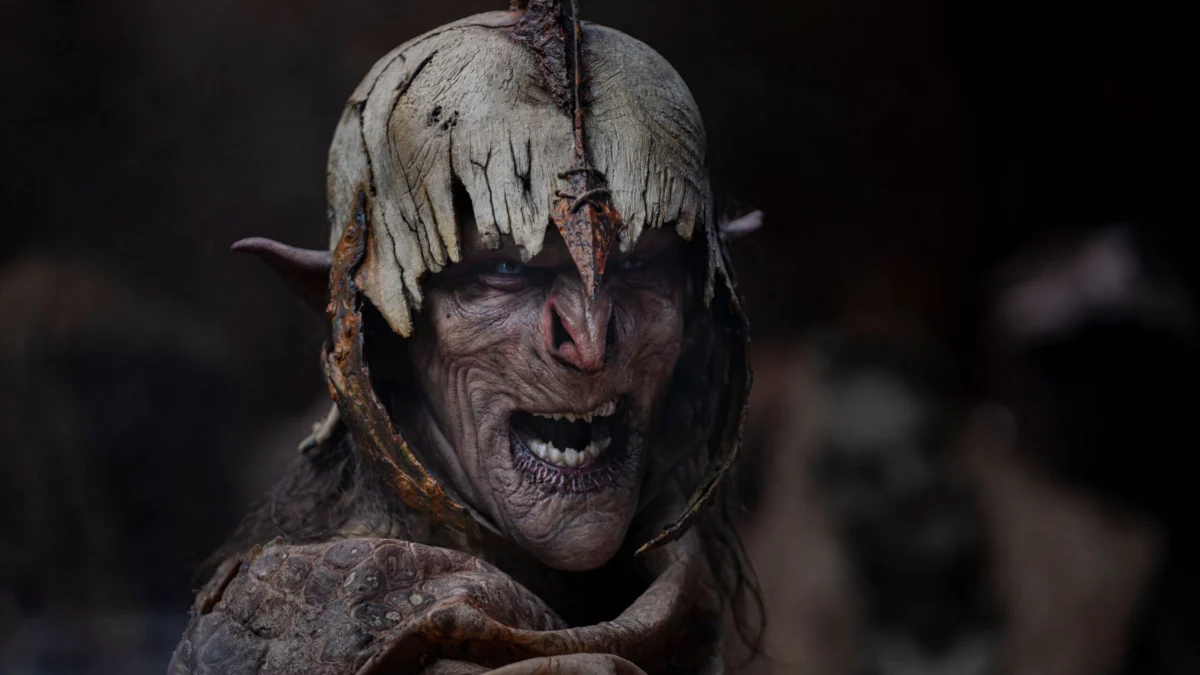
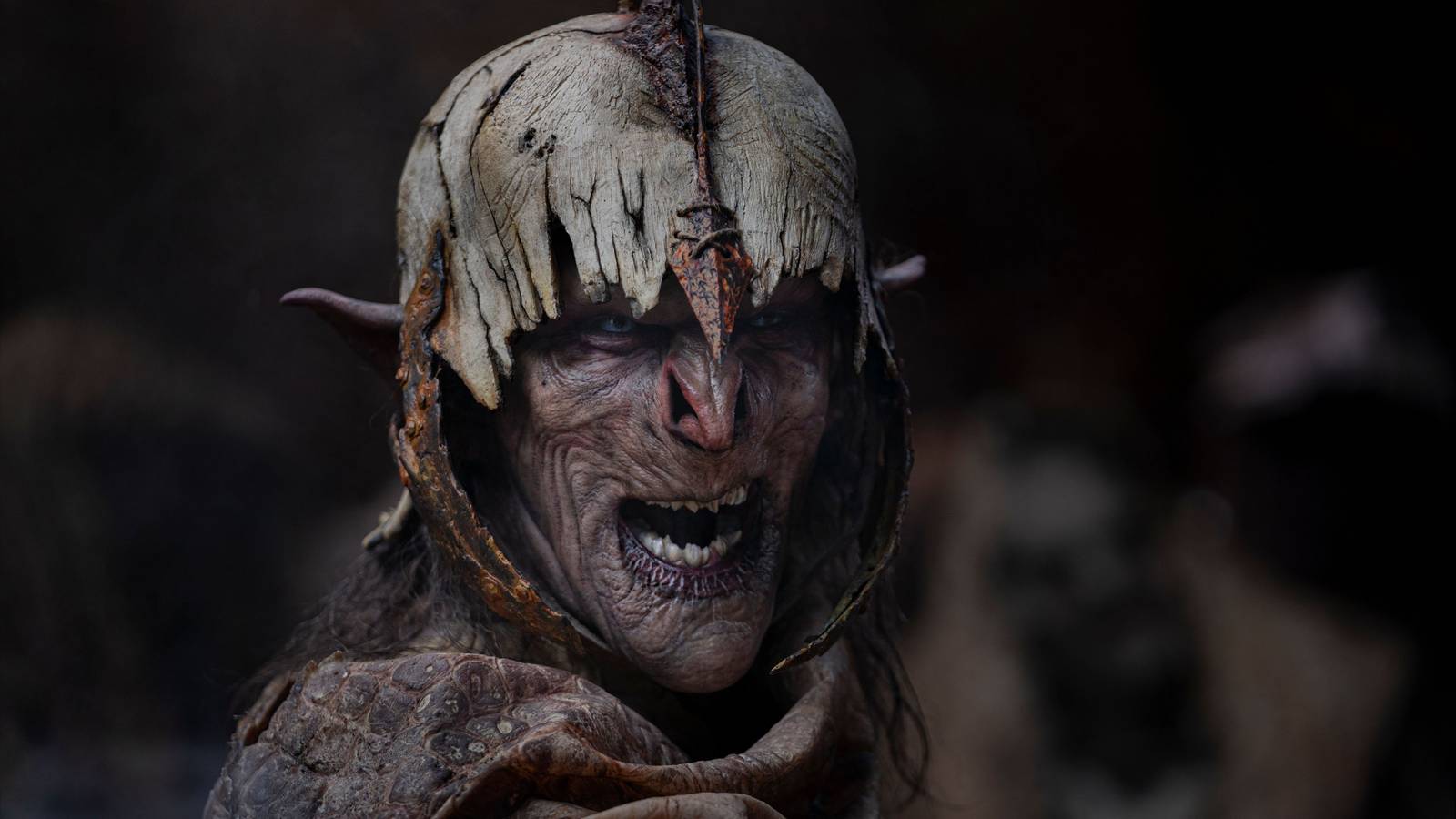
In the modern landscape of prestige television, networks and streaming giants routinely pour unprecedented fortunes into building sprawling fantasy universes. With Amazon Prime Video staking its claim on J.R.R. Tolkien’s legendary legendarium via the billion-dollar epic The Lord of the Rings: The Rings of Power, and Netflix eagerly expanding its literary footprint—most notably with Greta Gerwig’s upcoming feature film adaptation of The Chronicles of Narnia: The Magician’s Nephew—the appetite for high-stakes, mythic storytelling has never been more voracious.
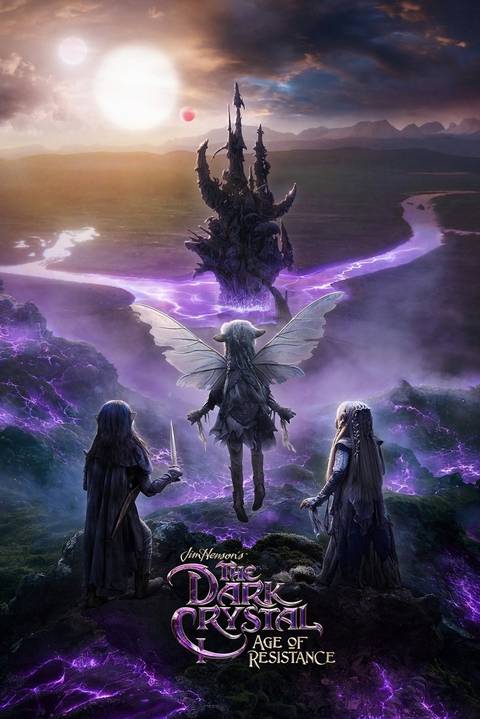
Yet, long before the streaming wars reached their current fever pitch, Netflix quietly released a 10-episode masterwork that captured the very essence of what makes classic high fantasy endure. The DarkCrystal: Age of Resistance, which debuted to widespread critical acclaim in August 2019, stands as an extraordinary achievement in world-building. Though ultimately cut short by a premature cancellation, this ambitious prequel to Jim Henson’s 1982 cult-classic film offers a masterclass in imagination, narrative courage, and tactile artistry that every fan of J.R.R. Tolkien should experience.
Main Facts: Deconstructing The Dark Crystal: Age of Resistance
At its core, The Dark Crystal: Age of Resistance is an epic high-fantasy narrative set on the vibrant, endangered alien world of Thra. The series serves as a prequel to the original feature film, exploring the deep history of the planet centuries before the events that befell the lonely Gelfling hero, Jen.
The primary narrative framework focuses on a rigid caste system upheld by the Gelflings—small, elf-like humanoids native to Thra—who live in subjugation to the Skeksis, a race of grotesque, bird-like tyrants who have usurped control of the magical Crystal of Truth.
Platform: Netflix
Episode Count: 10 episodes (Season 1)
Release Date: August 2019
Director: Louis Leterrier
Creators: Jeffrey Addiss and Will Matthews
Starring Voice Cast: Taron Egerton (Rian), Anya Taylor-Joy (Brea), Nathalie Emmanuel (Deet), Simon Pegg, Mark Hamill, Awkwafina, Helena Bonham Carter, and Jason Isaacs.
Critical Reception: 89% Certified Fresh rating on Rotten Tomatoes.
The plot ignites when three young Gelflings from different clans—Rian of the Stonewood clan, Princess Brea of the Vada clan, and Deet of the Grotan clan—independently discover a horrifying truth: the Skeksis are not the benevolent protectors they claim to be. Instead, they are draining the life essence of living creatures, powered by the dark corruption of the crystal, to sustain their own immortal existence. Sparked by this revelation, the trio sets out across the diverse regions of Thra to unite the disparate Gelfling clans and ignite a desperate rebellion.
Chronology: The Journey from Henson’s Vision to Streaming Prestige
To understand the magnitude of Age of Resistance, one must trace the lineage of the Dark Crystal franchise through a decades-long chronology of cinematic innovation and creative perseverance.
1982: The Birth of Thra
Jim Henson, legendary creator of The Muppets, joined forces with conceptual designer Brian Froud to direct The Dark Crystal. Eschewing traditional human actors and standard animation, Henson utilized groundbreaking animatronics, advanced puppetry, and mechanical suit-acting to bring a totally alien ecosystem to life. While initially meeting a mixed box-office reception and baffling mainstream audiences with its eerie, dark tone, the film achieved legendary status over the decades, developing a passionate cult following that praised its uncompromising weirdness and mythological depth.
2010s: Development Hell and the Netflix Pivot
For years, a sequel titled The Power of the Dark Crystal lingered in development hell. Eventually, realizing that a direct sequel carried too many narrative hurdles, producers shifted gears toward a prequel television series. In May 2017, Netflix officially greenlit the project, enlisting French filmmaker Louis Leterrier (The Incredible Hulk, Now You See Me) to direct and executive produce all ten episodes. The production rejected modern computer-generated imagery shortcuts wherever possible, choosing instead to lean heavily into practical puppetry executed by the Jim Henson Company’s Creature Shop.
August 2019: Critical Triumph
The Dark Crystal: Age of Resistance premiered to rapturous reviews. Critics lauded its breathtaking practical effects, complex socio-political world-building, and surprisingly mature thematic underpinnings. The series went on to win the Primetime Emmy Award for Outstanding Children’s Program in 2020, cementing its status as an artistic triumph.
September 2020: The Controversial Cancellation
Despite its critical success and Emmy win, Netflix announced in September 2020 that Age of Resistance would not be renewed for a second season. Citing the staggering production costs and the logistical nightmare of mounting a puppet-driven epic during the onset of the global pandemic, the streaming service pulled the plug, leaving the narrative unresolved and sparking immense disappointment among fantasy enthusiasts worldwide.
Supporting Data: Critical Reception and Fan Resonance
The cultural footprint of Age of Resistance far outstrips its single-season run. Quantifiable data highlights why the series continues to be discussed years after its cancellation:
Rotten Tomatoes Metrics: Holding an 89% Tomatometer score alongside a stellar 94% Audience Score, the series proved to be a rare title that resonated equally with professional television critics and hardcore fantasy devotees.
The Emmy Validation: Securing the Primetime Emmy for Outstanding Children’s Program validated the production quality, proving that the artistry of the Creature Shop matched the highest tiers of prestige television design.
Budgetary Scale: While exact figures were kept confidential, industry analysts noted that the combination of practical effects, massive physical set designs, and a Hollywood A-list voice cast placed Age of Resistance among the most expensive fantasy series produced prior to Amazon’s Rings of Power boom.
Official Responses and Industry Reflections
Following the cancellation announcement, creators Jeffrey Addiss and Will Matthews expressed their heartbreak, noting that they had mapped out a multi-season arc designed to bridge the gap directly into the events of the 1982 film.
In subsequent interviews, members of the creative team reflected on the unique challenges of maintaining a purely practical fantasy world in an era dominated by CGI spectacles. Louis Leterrier emphasized that the tactile nature of the puppets was vital to capturing the authentic textures of J.R.R. Tolkien-esque high fantasy:
"When you look at a puppet on screen, your brain registers physical weight, grit, and reality in a way that CGI often struggles to replicate. The dirt under the fingernails of these characters is real dirt; the sweat is real water. That physical grounding translates directly into the emotional stakes of the story."
Implications: Why Tolkien Fans Should Embrace Age of Resistance
At a glance, a fantasy series featuring puppets might seem detached from the grand historical gravity of Middle-earth. However, structurally and thematically, The Dark Crystal: Age of Resistance shares the exact DNA that makes The Lord of the Rings timeless.
1. Mythic Scale and Lore
Like Tolkien’s legendarium, Age of Resistance treats its universe with absolute sincerity. Thra is not merely a backdrop; it is a living, breathing realm with distinct languages, ancient prophecies, deep-seated political divisions, and an apocalyptic threat. The Gelfling clans mirror the splintered races of Middle-earth—men, elves, and dwarves—who must overcome mutual distrust to face an existential evil.
2. The Nature of Corruption
The Skeksis function similarly to the dark forces of Sauron. Their relentless extraction of Thra’s life energy mirrors the industrialized destruction of Isengard and Mordor. Meanwhile, the Crystal of Truth serves as a thematic counterpart to the One Ring: an artifact of ultimate power that corrupts those who seek to dominate it, demanding sacrifice and purity of heart from those who wish to heal it.
3. Unapologetic Imaginative Commitment
Too many modern fantasy adaptations fall into the trap of self-awareness, frequently undercutting their dramatic tension with cynical winks at the audience. Age of Resistance completely rejects this posture. It asks its viewers to invest deeply in a world populated by multi-limbed creatures, mystic trees, and puppet heroes. By taking its own mythology entirely seriously, it earns the audience’s emotional investment, proving that true fantasy is bound not by the medium of its execution, but by the strength of its story, imagination, and character development.
Conclusion
Though its journey was cut tragically short, The Dark Crystal: Age of Resistanceremains a towering achievement in modern fantasy television. For fans of J.R.R. Tolkien who appreciate intricate world-building, high-stakes moral struggles, and epic quests against insurmountable darkness, Netflix’s forgotten puppet epic is a hidden treasure well worth discovering—or revisiting. It stands as a powerful reminder that when a fantasy story is fueled by genuine imagination and uncompromised heart, magic truly comes alive on the screen.