
The End of Serenity: Why Netflix Pulled the Plug on ‘Sweet Magnolias’
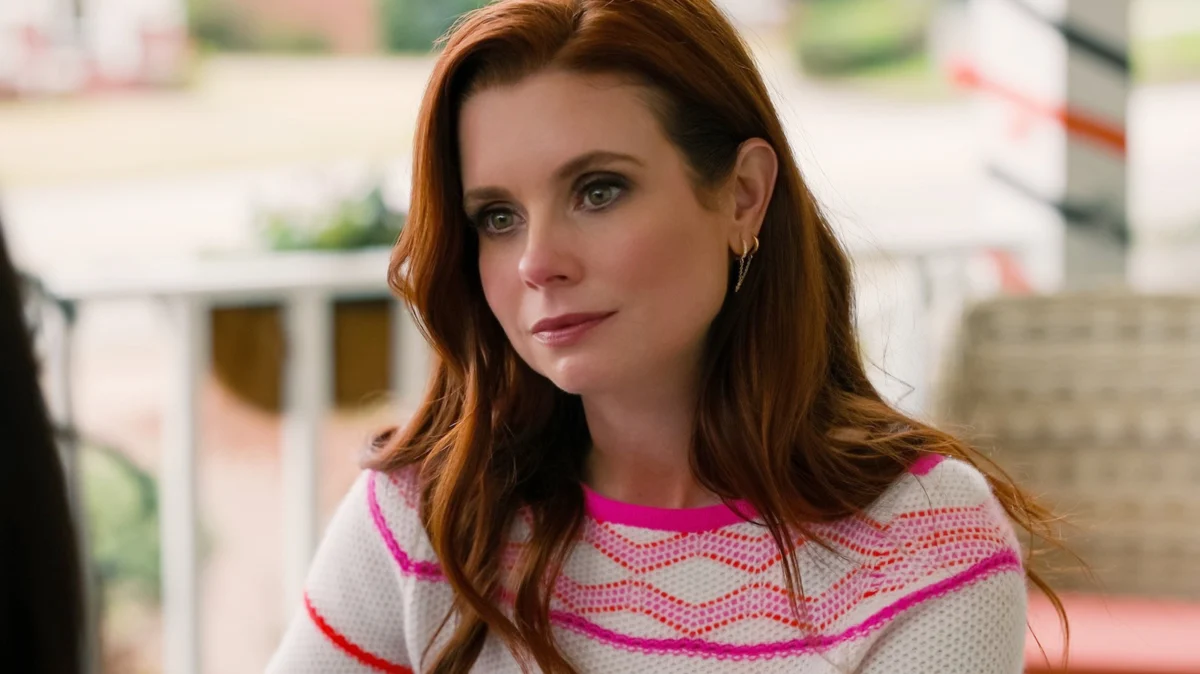
For five seasons, Netflix viewers were invited to the small town of Serenity, South Carolina, to share margaritas and life’s heavy burdens with the titular trio of Sweet Magnolias. Based on the beloved book series by Sherryll Woods—who has been a staple of the romance and mystery genre since the 1980s—the show carved out a cozy, comforting niche in the streaming landscape. However, following the conclusion of its fifth season in June 2026, the streamer officially announced that the curtains would close on the series.
While a five-season run is a significant achievement in an industry increasingly defined by "one-and-done" cancellations, the end of Sweet Magnolias serves as a sobering case study of Netflix’s current algorithmic approach to content management. The decision was not merely a matter of creative exhaustion, but a calculated business pivot that saw the fan-favorite drama sacrificed to make room for a new, potentially more cost-efficient endeavor.
A Chronology of Success and Stagnation
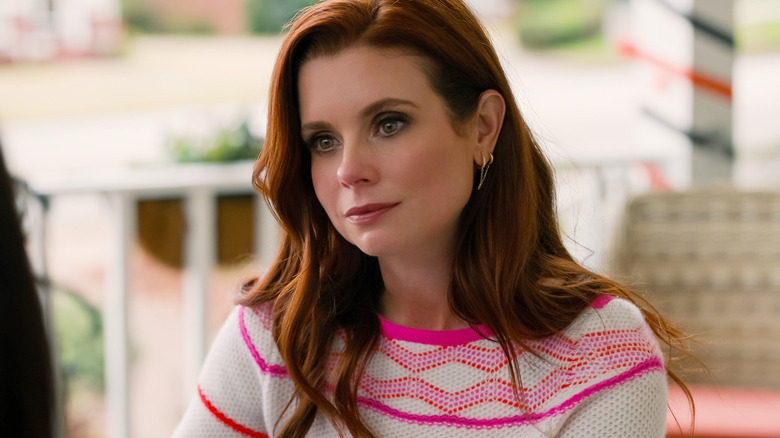
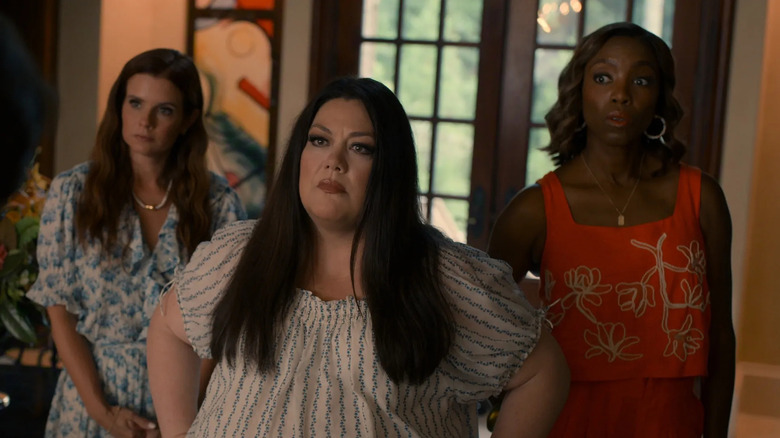
To understand the cancellation, one must look at the show’s trajectory. Since its premiere in 2020, Sweet Magnolias operated as a modern-day, gentler take on the primetime soap opera. Starring JoAnna Garcia Swisher (Maddie), Brooke Elliott (Dana), and Heather Headley (Helen), the series focused on the lifelong bond of three friends navigating the complications of divorce, entrepreneurship, and high-society expectations.
The show’s structure—10 episodes per season—adhered to the standard Netflix production model, yet it maintained a loyal audience that felt reminiscent of the “comfort TV” era of Gilmore Girls. For years, the show enjoyed steady engagement. During its peak, specifically following the release of its second season, the show logged an impressive 161.3 million viewing hours in its first 30 days.
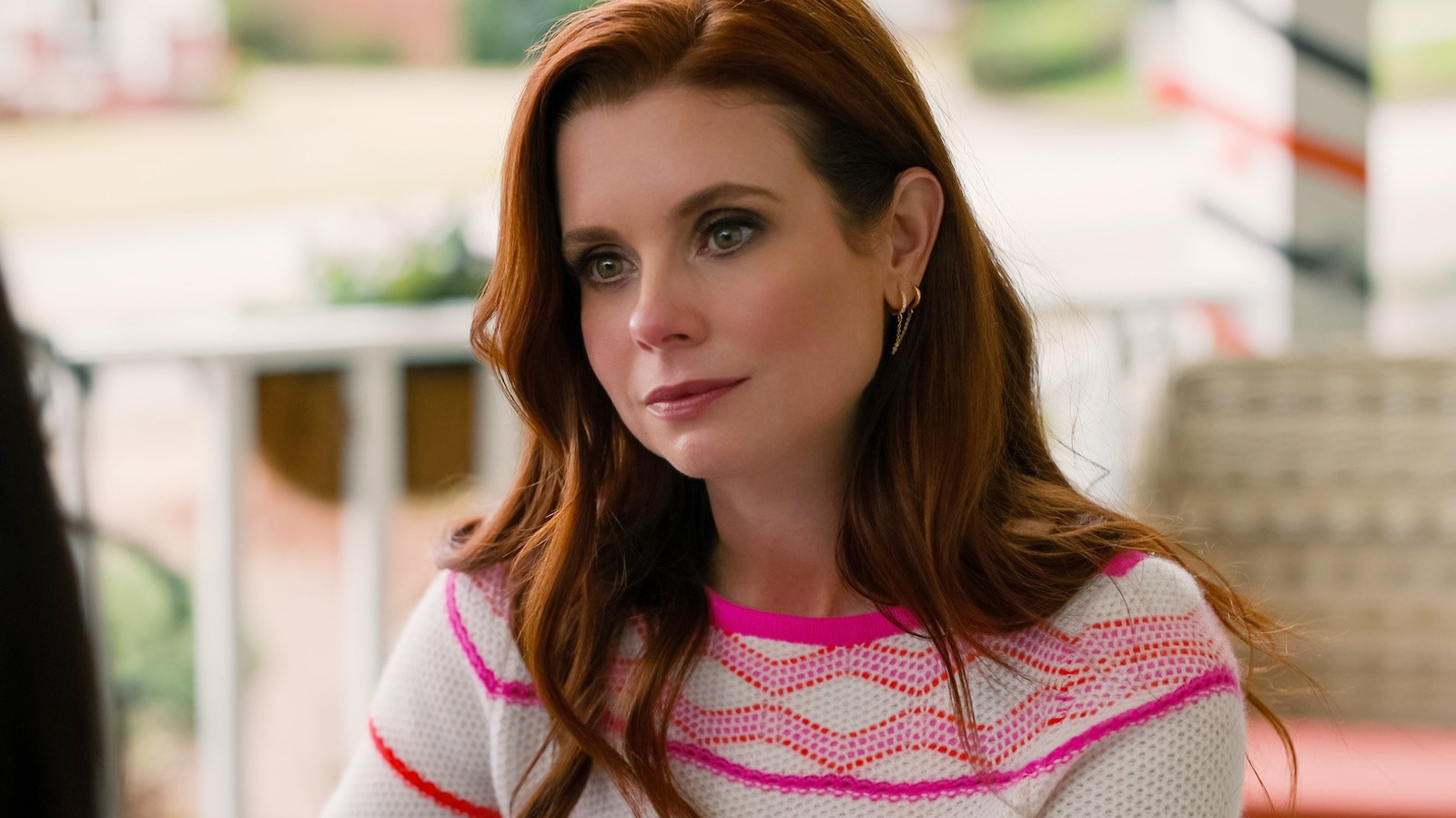
However, the landscape of streaming shifted. By the time Season 5 arrived in June 2026, the viewership numbers told a different story. The premiere week for the final season drew 2.8 million views, marking a 30% decline compared to the debut of Season 4. In the high-stakes environment of modern streaming, where executive decisions are increasingly data-driven, a 30% drop is often interpreted as a "downward trend" that signals a diminishing return on investment.
The Trade-off: Making Room for ‘Ladies of the House’
The primary catalyst for the cancellation was not necessarily a lack of quality, but a competition for resources. According to reports from Deadline, Netflix found itself at a crossroads. The platform had to decide between renewing Sweet Magnolias for a sixth season or greenlighting Ladies of the House, a new project developed by series creator Sheryl J. Anderson and star JoAnna Garcia Swisher.
From a business perspective, the logic was cold but clear. Ladies of the House represents a fresh intellectual property—a loose adaptation of Lauren Edmondson’s 2021 novel, which serves as a modern, witty retelling of Jane Austen’s Sense and Sensibility. By backing a new series with an existing literary pedigree and a proven creative team, Netflix opted for the potential to capture a new audience rather than continuing to invest in a show that had already plateaued in viewership.
JoAnna Garcia Swisher herself expressed her enthusiasm for the new project in a recent interview with Netflix’s Tudum. “From the moment I read Lauren Edmondson’s Ladies of the House, I fell completely in love with [the lead characters] Daisy, Cricket, and Wallis: their relationships, their messiness, their strength, and most of all, their heart,” she remarked. While fans of Sweet Magnolias may feel jilted, the industry trend shows that streamers rarely run two similar "cozy, character-driven" dramas simultaneously when they can swap an aging show for a fresh one.
The Human Element: Cast and Crew Reactions
Despite the business logic, the impact on the cast and the audience was palpable. For the actors, Sweet Magnolias was more than a paycheck; it was a sanctuary. In a poignant Instagram post following the final season’s release, JoAnna Garcia Swisher reflected on the seven-year journey of the show.
“How do you say goodbye to something that became so much more than a job?” she wrote. “I lost both of my parents during those early seasons, and in a time when I wasn’t always sure how to keep moving forward, Serenity gave me somewhere to go. These people gave me somewhere to belong.”
This emotional resonance is what helped the show sustain a five-season run, a rarity in an era where many shows are axed after just one or two seasons. The cast, having grown together over half a decade, experienced the end of the show not as a business transaction, but as the conclusion of a life chapter. The fans, too, were left with a sense of unfinished business; while the finale was not laden with massive cliffhangers, it lacked the definitive, sweeping sense of closure that long-time viewers might have expected for their favorite characters.
The ‘Netflix Model’ and its Discontents
The cancellation of Sweet Magnolias highlights the ongoing tension between "binge-culture" metrics and long-form narrative sustainability. Netflix’s business model typically involves testing a series for a single season, gauging its commercial viability, and only then committing to further growth. If a show does not experience explosive, immediate success, it is often relegated to a status where it must constantly justify its own existence against the cost of new productions.
Critics argue that this model prevents shows from entering the public consciousness in the way that traditional broadcast television did. Shows like Cheers or Seinfeld took years to find their footing; in the current Netflix ecosystem, they likely would have been canceled before their second or third seasons. Sweet Magnolias managed to beat the odds for 50 episodes, but the inability to slowly cultivate a growing audience—or to let a show naturally conclude on its own terms—remains a point of contention for many subscribers.
Implications for Future Programming
What does this mean for the future of "cozy" dramas on the platform? The shift toward Ladies of the House suggests that Netflix is prioritizing "fresh" over "faithful." By cycling out established hits that have hit a viewership ceiling, the platform ensures that its content library remains constantly refreshed with new titles that can be marketed as "must-watch" limited series or new, untapped franchises.
Furthermore, the Sweet Magnolias case confirms that even if a show is considered "low-budget" and "loyal," it is not immune to the pressures of the platform’s bottom line. The "toast over margaritas" that defined the friendship in Serenity has officially been retired, but the legacy of the show remains. It leaves behind 50 episodes of Southern charm and continues to be cited by critics as a quintessential example of the "Gilmore Girls-adjacent" subgenre.
As the industry continues to evolve, the end of Sweet Magnolias will likely be remembered as a turning point—a moment where a popular, steady, and beloved series was swapped out by an algorithm in favor of the "next big thing." For the residents of Serenity, the story has ended. For the executives at Netflix, the focus has already shifted to the next chapter. For the viewers, the search for the next comfort watch continues, though perhaps with a slightly more cynical understanding of how their favorite shows are kept—or cut—from the lineup.
