
FilmConvert Rolls Out Dedicated Sony FX5 Profiles for Nitrate and CineMatch Amid Ongoing Hardware Rollout Delays
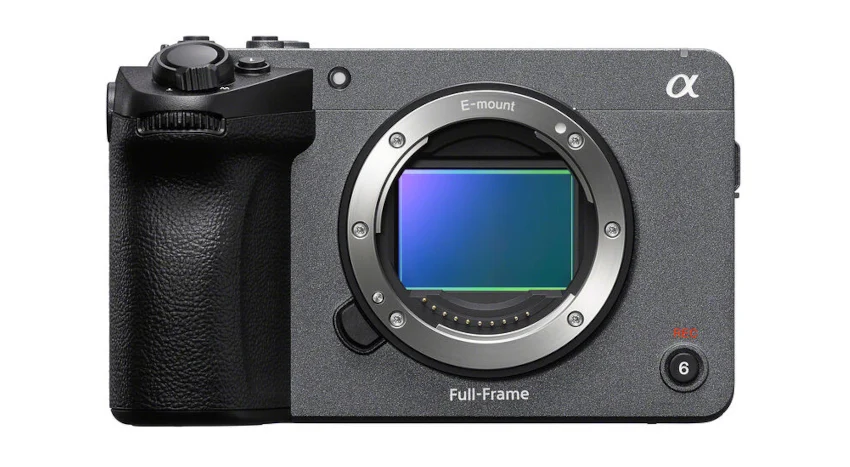
By 4KS Editorial
Published: October 12, 2026
Category: Post-Production / Color Grading / Camera Technology
Introduction: Post-Production Ecosystem Prepares for Sony’s Newest Cinema Line Contender
In the fast-evolving landscape of digital cinematography, post-production software developers often race to keep pace with cutting-edge hardware releases. FilmConvert, a trusted name among independent filmmakers, colorists, and high-end commercial production houses, has officially announced comprehensive updates to its premier post-production plugins: FilmConvert Nitrate and CineMatch.
This latest update introduces dedicated camera profiles specifically tailored for the Sony FX5, the newest addition to Sony’s celebrated Cinema Line. By integrating these precise camera models into their software suites, FilmConvert aims to streamline color-grading pipelines, ensuring that cinematographers working with the FX5 can seamlessly bridge raw sensor data into sophisticated emulation looks or match its footage effortlessly with a multi-camera array.
However, this software rollout unfolds against an unusual backdrop. While colorists and editors can now download and integrate the FX5 profiles into their editing systems, the camera hardware itself continues to experience persistent regional availability hurdles and shipping delays. Originally unveiled by Sony in July 2026, the FX5 has faced a staggered and postponed rollout due to localized production bottlenecks.
Consequently, filmmakers find themselves in a unique position: the digital ecosystem—from third-party color science tools to editing presets—is fully prepared for the camera, even as many creators await their pre-ordered units to arrive on set.
Main Facts: What the FilmConvert Update Delivers
The inclusion of the Sony FX5 profiles within FilmConvert Nitrate and CineMatch marks a vital milestone for post-production continuity. Understanding the specific roles these two plugins play highlights why this update is significant for modern digital workflows:
1. FilmConvert Nitrate: Marrying Sensor Science with Film Emulation
FilmConvert Nitrate is widely recognized for its ability to bridge the gap between hyper-clean digital sensor data and the organic, textural qualities of traditional celluloid film stocks. Instead of applying a generic "LUT" (Look-Up Table) that can inadvertently crush shadows or clip highlights, Nitrate utilizes camera-specific sensor profiles.
By understanding the exact mathematical color response of the sensor—in this case, the Sony FX5—Nitrate custom-fits its proprietary film stock emulations (such as 35mm motion picture stocks like Kodak Vision3 or Fuji equivalents) directly to the native color science of the camera. This ensures that the grain structure, tonal roll-off, and color saturation behave naturally, reacting organically to exposure adjustments made during grading.
2. CineMatch: Solving the Multi-Camera Puzzle
For modern video productions—ranging from corporate interviews and documentary filmmaking to high-end music videos and indie narratives—shooting with a multi-camera setup is standard practice. However, matching color science across different manufacturers (or even different generations of sensors from the same manufacturer) has historically been a notorious headache for colorists.

CineMatch solves this by providing a standardized matching platform. It translates footage from a source camera to a target camera using proprietary sensor calibration data. With the new Sony FX5 profile integrated into CineMatch, DPs and colorists can effortlessly match FX5 footage with older Sony Cinema Line cameras (like the FX3, FX6, or FX9), broadcast cameras, or mirrorless bodies like the Sony a7S III and a7 IV. This drastically reduces the time spent balancing mismatched skin tones and exposure curves in post-production.
3. Streamlined Installation Process
FilmConvert has designed the deployment of these new profiles to be frictionless. Users do not need to download standalone patches or manually install complex directory files.
- Open either FilmConvert Nitrate or CineMatch inside your chosen Non-Linear Editing (NLE) system (such as Adobe Premiere Pro, DaVinci Resolve, or Apple Final Cut Pro).
- Navigate to the camera selection dropdown menu within the plugin interface.
- Select the Sony FX5 from the manufacturer list, prompting the plugin to automatically download the corresponding profile package.
- Troubleshooting Tip: If the camera profile does not immediately populate within the user interface, editors are advised to completely restart their editing application to flush the cache and refresh the profile library.
Chronology of Events: From Hardware Announcement to Software Integration
To fully understand the current state of the Sony FX5 ecosystem, it is helpful to trace the timeline of events leading up to this software release:
- July 2026: Sony officially announces the FX5, sending ripples through the cinematography community. Positioned strategically within the Cinema Line, the camera promises a compelling blend of ergonomic versatility, advanced autofocus systems, and high-end cinema-grade capture formats.
- Late Summer 2026: Initial anticipation turns to frustration for some early adopters as reports emerge of regional shipping postponements. Industry insiders point to various production-related circumstances, though Sony remains tight-lipped regarding the exact manufacturing hurdles.
- Early October 2026: As select regions begin receiving trickle shipments of the hardware, post-production developers step up. FilmConvert assesses the technical specifications and color science of the FX5 sensor.
- October 12, 2026: FilmConvert officially releases the Nitrate and CineMatch updates, introducing native Sony FX5 camera profiles to the public and ensuring that post-production infrastructure is primed and ready for wide-scale adoption.
Supporting Data and Technical Considerations
Integrating a new camera profile into an established color workflow is not a magic bullet; optimal results depend heavily on foundational on-set practices. FilmConvert and industry colorists emphasize that the performance of both Nitrate and CineMatch relies heavily on proper data hygiene during acquisition.
Key Factors Impacting Color Fidelity:
- Recording Settings: Whether shooting in raw formats (via external recorders) or internal compressed codecs (such as XAVC-I), maintaining a clean, high-bitrate recording profile ensures that the FilmConvert sensor algorithms have maximal color depth to manipulate.
- Exposure Discipline: While Nitrate handles wide dynamic ranges gracefully, underexposing digital sensors aggressively can introduce noise that gets exacerbated by film grain emulations. Proper exposureing—often utilizing waveform monitors and false color—remains paramount.
- White Balance Accuracy: While CineMatch and Nitrate can correct minor color casts, establishing an accurate white balance on set prevents color-temperature shifts from compounding when applying complex film emulation looks.
- Lighting Conditions: The quality of the light hitting the FX5 sensor dictates the ultimate success of the grade. Mixed color temperatures or low-CRI fixtures can create unpredictable skin tone responses that even camera-specific profiles must work overtime to correct.
Official Responses and Industry Context
The staggered rollout of both the Sony FX5 hardware and its supporting software ecosystem highlights a broader trend in the modern media production industry: the increasing interdependence of hardware manufacturers and third-party software developers.
Sony’s silence regarding the precise causes of the FX5 shipping delays has done little to dampen enthusiasm for the camera. Industry analysts note that supply chain adjustments, specialized component sourcing, and stringent quality control protocols often accompany the launch of high-tier cinema tools. Sony’s official statements have consistently pointed toward "production-related circumstances," assuring pre-order holders that regional fulfillment schedules are being aggressively updated as units clear manufacturing checkpoints.
Meanwhile, software companies like FilmConvert cannot afford to wait for hardware to be ubiquitous in every filmmaker’s hands before building support. By releasing profiles ahead of mass hardware availability, companies like FilmConvert demonstrate a proactive approach to ecosystem development.
“For filmmakers who are eagerly waiting to take delivery of their FX5 units, this update ensures that software compatibility will never be the bottleneck,” notes industry observers. “Once the hardware lands in studios and on production trucks, the post-production pipeline is already fully unlocked and optimized.”
Implications for Filmmakers and Post-Production Workflows
What does this mean for the day-to-day operations of filmmakers, DPs, and post-production facilities?

1. Future-Proofing Productions
For production companies currently utilizing mixed-camera fleets—perhaps pairing an FX6 as an A-camera with an FX5 as a B-camera or crash-cam—the immediate availability of CineMatch profiles means that switching between bodies in the field will not result in agonizingly disparate color matching during the edit. Colorists can establish a unified grade baseline within minutes.
2. Creative Readiness
Directors of Photography who manage to secure early FX5 units can immediately experiment with FilmConvert Nitrate’s extensive library of film stocks. Instead of spending hours building custom print emulation curves from scratch, creators can instantly evaluate how the FX5’s native color science responds to classic celluloid looks—ranging from clean, commercial aesthetics to gritty, high-contrast cinematic tones.
3. Easing the Pain of Hardware Delays
While waiting for pre-ordered gear is notoriously frustrating for creative professionals, proactive software updates offer a psychological and practical buffer. Knowing that plugins, editing templates, and transcoding presets are fully updated removes the anxiety of technological lag. When the hardware finally arrives, it can be deployed immediately onto active sets without halting post-production workflows for software updates.
Conclusion and Next Steps
The release of the Sony FX5 camera profiles for FilmConvert Nitrate and CineMatch marks a significant step forward in synchronizing post-production software with next-generation cinema hardware. Even as regional shipping delays continue to affect the physical distribution of Sony’s latest Cinema Line camera, the digital foundation required to grade, match, and stylize its footage is now fully established.
Filmmakers and colorists who currently utilize FilmConvert products are encouraged to open their editing applications, check for plugin updates, and download the newly integrated Sony FX5 profiles.
For further details, technical specifications, and to verify full compatibility lists for other camera manufacturers, users can visit the official FilmConvert website. As the Sony FX5 gradually overcomes its manufacturing hurdles and finds its way into the hands of creators worldwide, these profiles will undoubtedly become an indispensable tool in the modern digital toolkit.
Disclaimer: As an Amazon Associate and a participant in various affiliate marketing programs, 4KShooters and its editorial partners may earn a small commission from qualifying purchases made through outbound product links on this page—at absolutely no additional cost to the consumer. This financial support helps fund our ongoing commitment to independent technology journalism.
