
The Silicon Age on Screen: Luca Guadagnino’s ‘Artificial’ Sparks Major Awards Buzz and Early Critical Acclaim
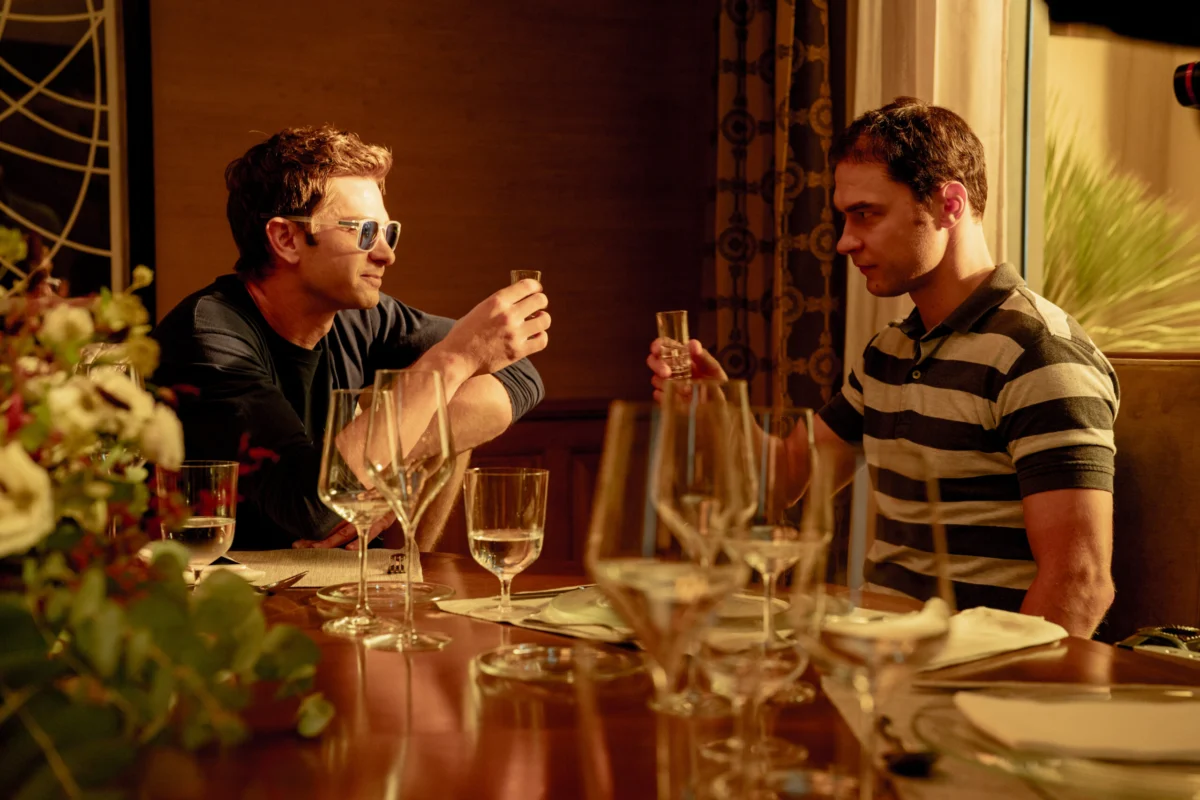
LOS ANGELES — Following its high-profile premiere at the 64th New York Film Festival at Alice Tully Hall, Luca Guadagnino’s razor-sharp tech drama Artificial has emerged as one of the most talked-about cinematic events of the year. Chronicling the frantic origin story, boardroom coups, and ideological fractures behind artificial intelligence titan OpenAI, the film has captured the cultural zeitgeist, drawing immediate comparisons to modern classics while staking an aggressive early claim in the upcoming awards season.
With a scheduled theatrical release on Christmas Day courtesy of its studio backers, Artificial has already built a formidable critical foundation. The film currently boasts a stellar 92% approval rating on Rotten Tomatoes alongside a strong 76 score on Metacritic. Anchored by a transformative lead performance from Andrew Garfield as OpenAI chief executive Sam Altman, the picture has ignited serious Oscar speculation, positioning itself as both a thrilling boardroom drama and a chilling cautionary tale about the dawn of the silicon age.
Main Facts: Inside the Boardroom and Behind the Camera
At its core, Artificial dramatizes the meteoric rise of generative AI and the complex human egos steering a technology that threatens to reshape humanity. Directed with visual flair and psychological acuity by Guadagnino—who continues to stretch his range following a string of diverse cinematic hits—the film operates as a meticulous docudrama detailing the foundational years of OpenAI.
The film’s ensemble cast reads like a who’s who of contemporary tech figures brought to life by top-tier acting talent:
- Andrew Garfield stars as Sam Altman, capturing the enigmatic, hyper-ambitious, and unsettlingly nonchalant tech leader steering the company toward artificial general intelligence.
- Ike Barinholtz takes on the role of early investor and unpredictable billionaire Elon Musk, injecting swagger and chaotic energy into the narrative.
- Yura Borisov, fresh off his breakout, critically acclaimed turn in Anora, delivers a poignant performance as masterminding data scientist Ilya Sutskever, serving as the moral and intellectual conscience of the early development team.
Written by Simon Rich, the screenplay dives headfirst into the ethical tightrope walks, corporate power plays, and philosophical debates that characterized the startup’s transition from a non-profit research laboratory to a commercial powerhouse.
Chronology and Production Background: From Silicon Valley to the Silver Screen
The journey of Artificial from concept to screen mirrors the breakneck speed of the tech industry it depicts. Development on the project moved rapidly as public fascination—and anxiety—surrounding generative AI exploded across global markets throughout the early 2020s.

- October 2024–2025: Behind-the-scenes development and casting negotiations solidified, with Guadagnino boarding the project to bring his distinct visual style and knack for intense character studies to the corporate thriller genre.
- Spring–Summer 2026: Principal photography took place across New York City and various Silicon Valley tech hubs, keeping a tight lid on plot specifics while rumors swirled about its thinly veiled real-world counterparts.
- October 5, 2026: Artificial held its world premiere at the 64th New York Film Festival at Lincoln Center’s Alice Tully Hall, drawing rave red-carpet attendance from Guadagnino, Garfield, Barinholtz, and Borisov.
- December 25, 2026: The film is slated for a wide theatrical Christmas Day release, positioning it squarely in the middle of the competitive Academy Awards qualification window.
Supporting Data: Critical Reception and Box Office Projections
The critical consensus emerging from the festival circuit highlights a film that is largely successful, even if it occasionally invites passionate debates about its tonal ambitions.
Positive Praise
Major publication critics have praised the film’s propulsive pacing and acting masterclasses. David Rooney of The Hollywood Reporter lauded the central dynamic, writing that the cast "shine as ethical opposites." Rooney specifically highlighted Yura Borisov’s contribution, noting that his "brainy, tender, deeply contemplative performance lends an anchoring humanity to a film that might otherwise have curdled into sourness and despair."
Owen Gleiberman of Variety championed the film as a "sprawling, enthralling, brain-spinning drama about the creation of artificial intelligence," calling it "a brilliant but playful docudrama, meticulously true to history."
Many reviewers have naturally drawn comparisons to David Fincher’s landmark 2010 film The Social Network. Nick Schager of The Daily Beast declared, "With all due respect to Aaron Sorkin, filmmaker Luca Guadagnino has delivered the true sequel to The Social Network with Artificial, an AI origin story that’s at once a cautionary tale, horror show, and tragedy."
Mixed and Skeptical Voices
Not all reviews were unreservedly enthusiastic. In a B-minus review for IndieWire, David Ehrlich praised Garfield’s "machiavellian queen bee" persona, but argued that the screenplay occasionally oversimplifies complex historical events, making the third-act dramatization of Altman’s corporate ouster lack the "ice-blooded intrigue that runs in Fincher’s veins."
Meanwhile, Tim Grierson of Screen International offered a more muted "meh" assessment, finding the film somewhat derivative. Grierson argued that Simon Rich’s script "fails to offer any real insight into the deeply flawed humans who have gotten obscenely rich foisting this volatile technology upon the world," pointing out that characters like Barinholtz’s Musk occasionally drift into caricature.

Official Responses and Industry Buzz
While representatives for OpenAI, Sam Altman, and Elon Musk have not issued formal corporate statements regarding their cinematic depictions, the film has already triggered widespread discourse across Silicon Valley and Hollywood alike. Industry insiders suggest that the timing of the release could not be more potent, capitalizing on public fatigue, awe, and dread surrounding automation and large language models.
Garfield’s performance, in particular, has instantly vaulted him to the forefront of Best Actor conversations for the upcoming 2027 awards season. Critics have noted that his portrayal avoids simple villainy or hagiography, instead presenting Altman as a chillingly calm accelerationist who views humanity’s technological replacement as an inevitable, mathematical necessity.
Implications: What Artificial Means for Cinema and the Tech Era
The arrival of Artificial marks a significant cultural milestone: Hollywood has officially entered the era of processing the tech revolution in real-time. Just as Wall Street dramas defined the post-financial crisis era and dot-com satires followed the turn of the millennium, AI-centric cinema is poised to dominate the cultural landscape for the foreseeable future.
By framing the genesis of generative AI not as a sterile science-fiction fantasy, but as a messy, high-stakes human drama fueled by ego, utopian idealism, and unchecked capital, Guadagnino has crafted a mirror for modern anxieties. Whether audiences view Artificial as a prophetic warning or an entertaining dramatization of recent history, the film ensures that the conversation surrounding who controls our technological future will remain front and center as awards season heats up.
