
From Office Cubicle to Cockpit: An Exclusive Look at the ‘Space Isekai’ Phenomenon and Makoto Furukawa’s Latest Role
In the literary tradition of Mark Twain’s A Connecticut Yankee in King Arthur’s Court, the "fish-out-of-water" trope has long served as a vessel for exploring human ingenuity. When 19th-century engineer Hank Morgan was transported to A.D. 528, his mastery of modern technology turned him into a legend. In the contemporary Japanese storytelling landscape, this narrative DNA has evolved into the isekai genre—tales of protagonists transported to new worlds where their past-life knowledge grants them unparalleled advantages.
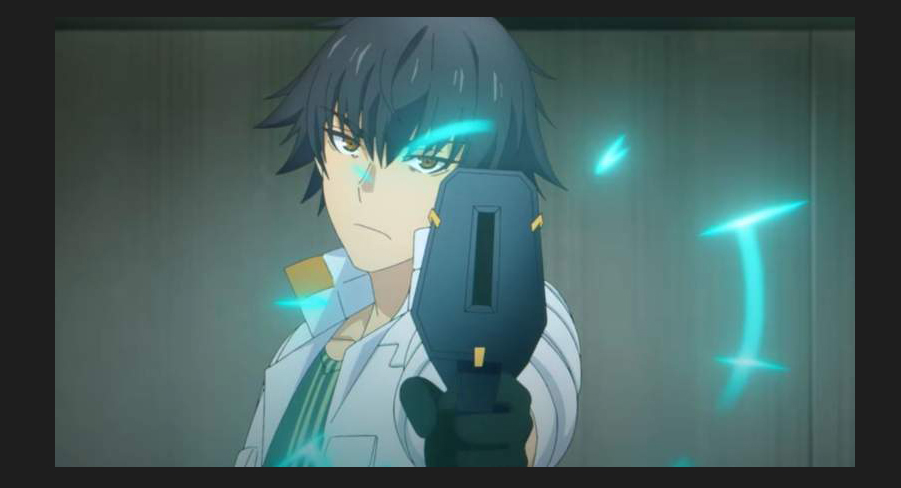
The latest evolution of this genre is taking to the stars. Reborn as a Space Mercenary: I Woke Up Piloting the Strongest Starship! shifts the fantasy tropes of swords and sorcery into the cold, high-stakes vacuum of space. As the series premieres this October 2026, it promises to redefine the "space isekai" sub-genre, blending hard science-fiction aesthetics with the wish-fulfillment power fantasies that have made series like Sword Art Online and Re:Zero global phenomena. At the heart of this galactic adventure is voice acting veteran Makoto Furukawa, who brings the protagonist, Hiro, to life.
The Genesis of a Space Odyssey: Chronology and Development
The journey of Reborn as a Space Mercenary began long before it reached the animation stage. The story originated as a digital-first success, written by Ryōto and serialized on the popular platform Shōsetsuka ni Narō starting in February 2019. Its rapid rise in popularity signaled a clear audience demand for science-fiction takes on the isekai format.
Recognizing the potential of this narrative, publisher Fujimi Shobo picked up the series for a formal light novel release under the Kadokawa Books imprint in July 2019, featuring evocative character illustrations by Tetsuhiro Nabeshima. The success was compounded by a manga adaptation launched in November 2019. As of March 2026, the manga has reached eleven tankōbon volumes, consistently performing well in the competitive Japanese market.
The transition to the screen is being handled by Studio A-CAT. Under the direction of Norihiko Nagahama, the project aims to translate the sprawling, mechanical depth of the source material into a high-octane visual experience. With Takamitsu Kono overseeing series composition and Masami Sueoka tasked with character design, the production has been meticulously crafted to satisfy both die-hard fans of the light novels and newcomers to the genre.

The Protagonist: Makoto Furukawa on Playing ‘Hiro’
To anchor such an ambitious series, the production team tapped Makoto Furukawa, an actor whose range is as expansive as the setting of the show itself. Furukawa is a household name in the industry, having voiced iconic characters such as Saitama in One Punch Man, Benimaru in That Time I Got Reincarnated as a Slime, and Shaddiq Zenelli in Mobile Suit Gundam: The Witch from Mercury.
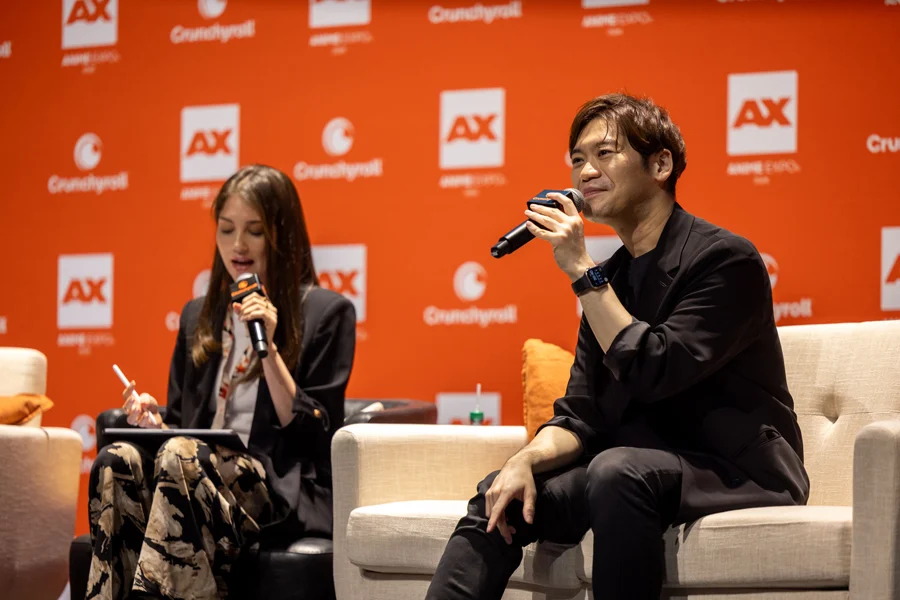
Speaking at Anime Expo 2026 on July 4, in an interview facilitated by Crunchyroll, Furukawa discussed the intricacies of embodying Hiro, a man who discovers he is essentially living inside his favorite video game.
"As the title suggests, it begins with a very popular premise," Furukawa noted. "Hiro finds himself in another world and chooses to make his living as a mercenary. Because he was such an extraordinarily skilled player in his former life, those abilities carry over directly. He is capable, and he accomplishes one great thing after another. That contributes to his heroic quality."
However, Furukawa is quick to point out that Hiro is not a flawless demigod. "He can be somewhat undisciplined or sloppy. Rather than making him unlikable, I think that quality makes him much easier to relate to. That’s a large part of his character, and it makes me think, ‘This guy is interesting. I like him.’"
Method and Craft: The Reality of Voice Acting
The transition from a character’s internal monologue to a performance requires a deep understanding of the source material. For Furukawa, the audition process was grounded in a thorough engagement with the manga.
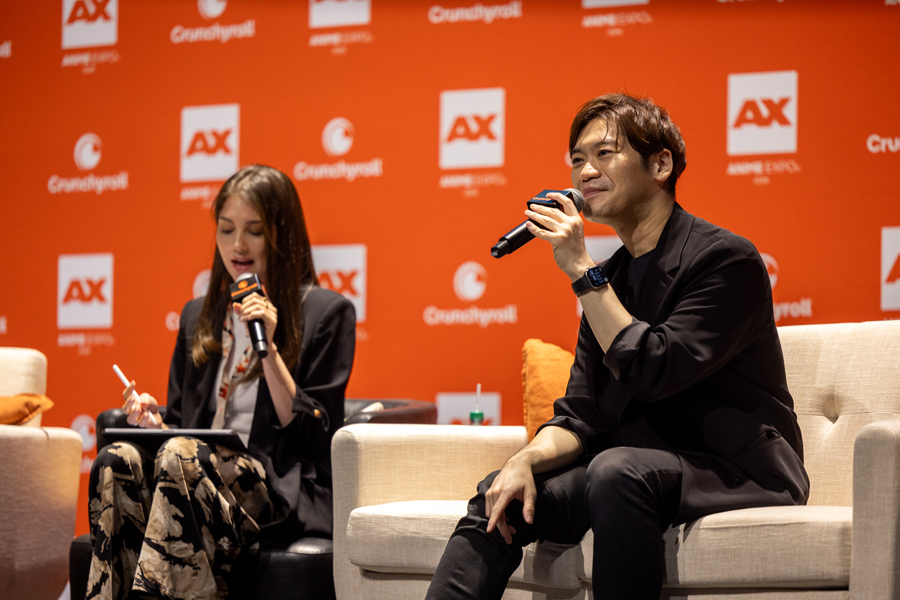
"I was able to properly read the original work before doing the audition," Furukawa explained, contrasting this with the often grueling, blind-audition processes sometimes found in Western animation production. "For this project, I was able to audition after gaining a certain understanding of the general direction of the story and of Hiro’s personality."
Regarding the technical aspects of production, Furukawa highlighted a rare luxury afforded to the cast of Reborn as a Space Mercenary. While Japanese animation usually employs post-recording sessions where voice actors work to finalized or semi-finalized footage, the standard is often less polished. For this production, however, the team was provided with high-fidelity footage for the first several episodes.
"We were able to record while watching footage that was very close to the finished product," Furukawa said. "That made it much easier to use my imagination and to understand what was physically happening in the scenes. I was very grateful that production on this series progressed so smoothly."
Humanizing the Hero: Nuance in Performance
When asked what he knows now that he wishes he had understood when he first took the role, Furukawa pointed to the complex social dynamics of the show. Hiro’s interactions with the women in his life—which occasionally involve shared living quarters—initially led Furukawa to perform with a "conventional" or neutral tone.
"I was surprised when I received direction telling me that he should be gentler and more tender with them," he recalled. "I thought, ‘Okay, that’s new information for me.’ It changed my perspective on how to play those scenes."
This anecdote underscores the depth of the character-driven narrative beneath the science-fiction spectacle. While the show features high-stakes space combat, the quiet moments of character development remain the backbone of the series.
Implications for the Isekai Genre
The rise of Reborn as a Space Mercenary signifies a maturation of the isekai genre. By moving away from the crowded field of medieval fantasy and into the domain of starships and space piracy, the show challenges the conventions of the genre while keeping the core appeal—the "what if" scenario of mastering a new world through unique personal knowledge.
As the series continues its run on Crunchyroll, it serves as a testament to the enduring appeal of the "transmigrated protagonist." Whether it is the tactical brilliance of a veteran gamer turned mercenary or the charm of a hero who is as flawed as he is powerful, Hiro is poised to become one of the most memorable leads of the 2026 anime season.
Through the lens of Studio A-CAT and the vocal performance of Makoto Furukawa, Reborn as a Space Mercenary isn’t just about a man in a starship; it is about the intersection of humanity, technology, and the universal desire to transcend our own limitations—even if that means waking up in a cockpit a million light-years from home.
Special thanks to Stephanie Wong and the entire Crunchyroll team—Blake Shuster, Pamela Abeka, Kaitlin Hargrove, Taylor Cocke, and Cameron Winston—for their assistance in coordinating this interview.
