
The Haunting of Braddock: Jason McNamara’s The Estranged Explores the Scars of Small-Town Trauma
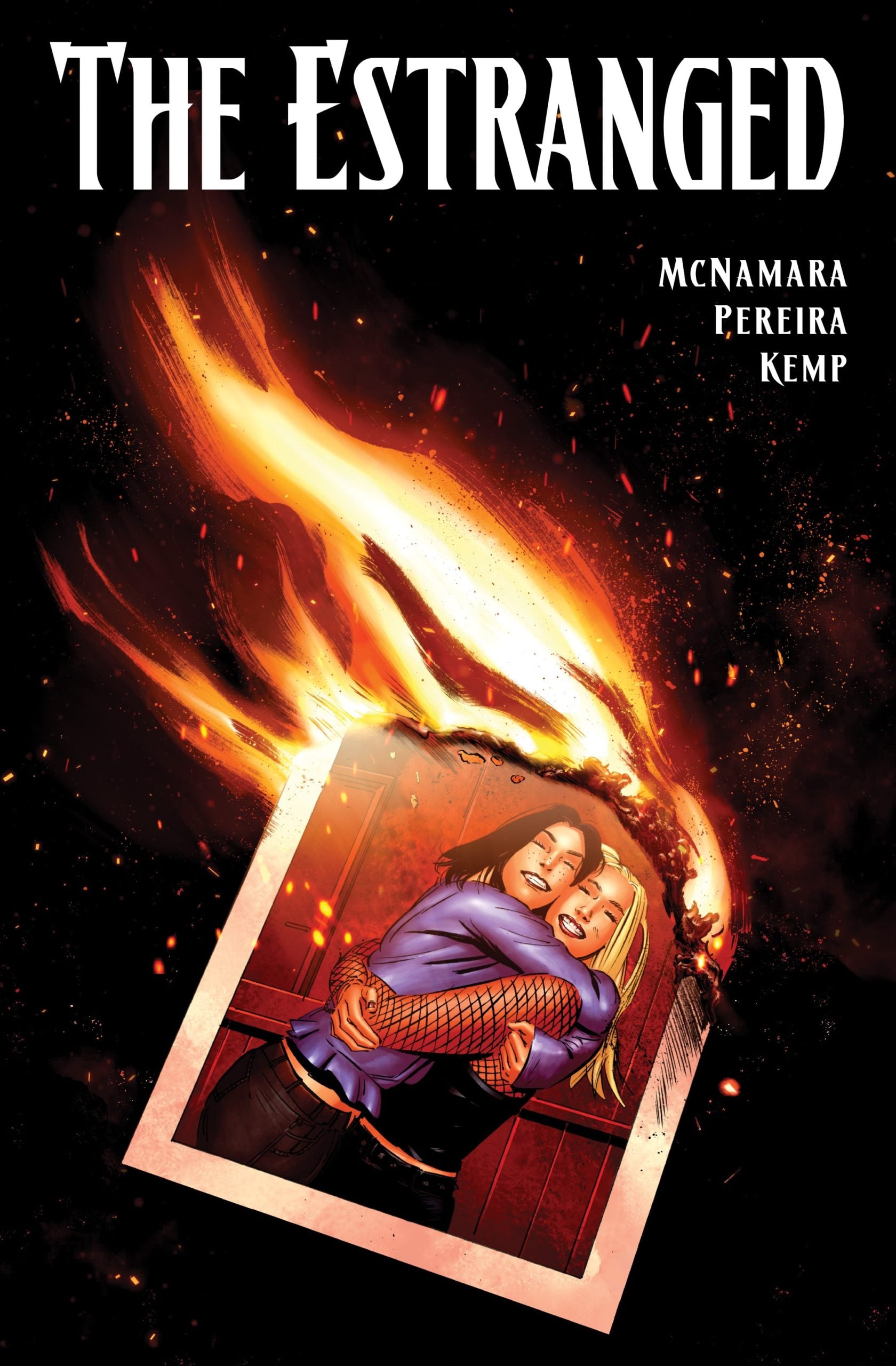
In the landscape of modern independent comics, few creators manage to bridge the gap between visceral horror and character-driven drama as effectively as Jason McNamara. Known for his work on Phantom Limbs and The Rattler, McNamara has returned to the medium with a harrowing new five-issue supernatural horror series, The Estranged.
The project, which launched its crowdfunding campaign on Kickstarter this October, marks a return to the themes of isolation and public perception that have defined McNamara’s career. By blending the atmospheric dread associated with works like Twin Peaks and Salem’s Lot with a deeply personal narrative about the long-term effects of trauma, The Estranged promises to be one of the most anticipated horror releases of the coming year.
The Core Narrative: A Cycle of Violence
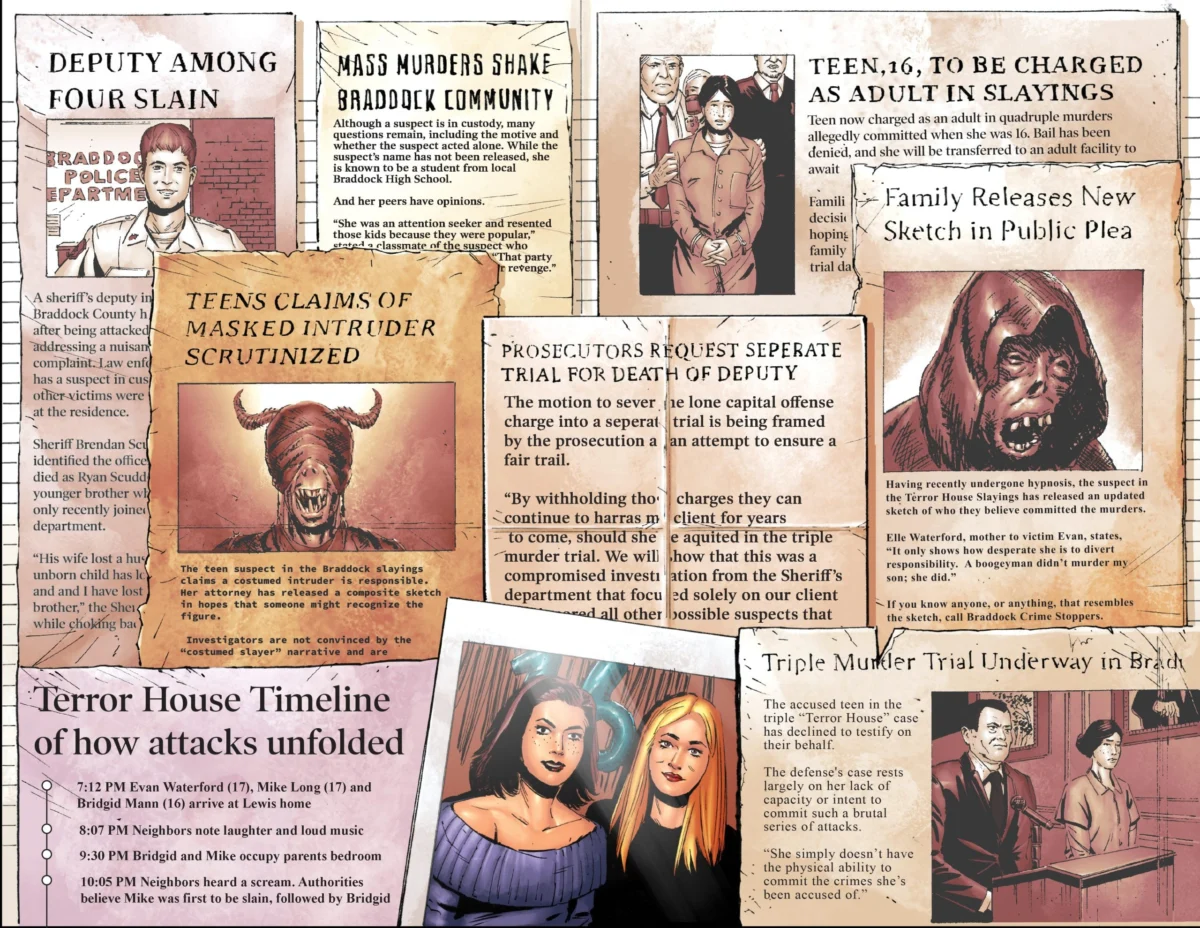
The story of The Estranged centers on Heather, a woman whose life was irrevocably altered thirteen years ago in the small, insular town of Braddock, Texas. As a teenager, Heather was the sole survivor of a gruesome series of attacks that claimed the life of her closest friend and confidant, Albion.
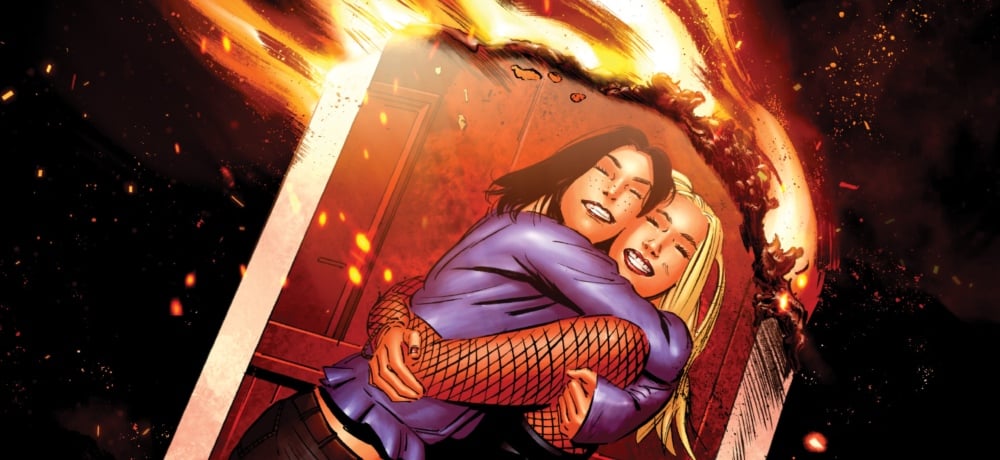
However, the tragedy did not end with the violence. In a chilling subversion of the "final girl" trope, the townsfolk of Braddock turned their grief and suspicion toward Heather. Ostracized by a community desperate to assign blame for the carnage, she was forced to flee, leaving behind the only life—and the only person—she had ever truly loved.
Thirteen years later, Heather returns to Braddock in an attempt to reconcile with her past and reclaim her identity. Yet, the town has not changed. As she attempts to reconnect with an adult Albion, a new wave of disappearances begins to plague the region. Once again, the shadow of suspicion falls upon Heather. The narrative forces a confrontation with the question: Can a person ever truly escape the reputation imposed upon them by a town that refuses to forget?
Chronology of a Nightmare: From 2006 to the Present
The narrative structure of The Estranged operates on a dual-timeline system, creating a sense of mounting unease for the reader.
The Fateful Night (2006)
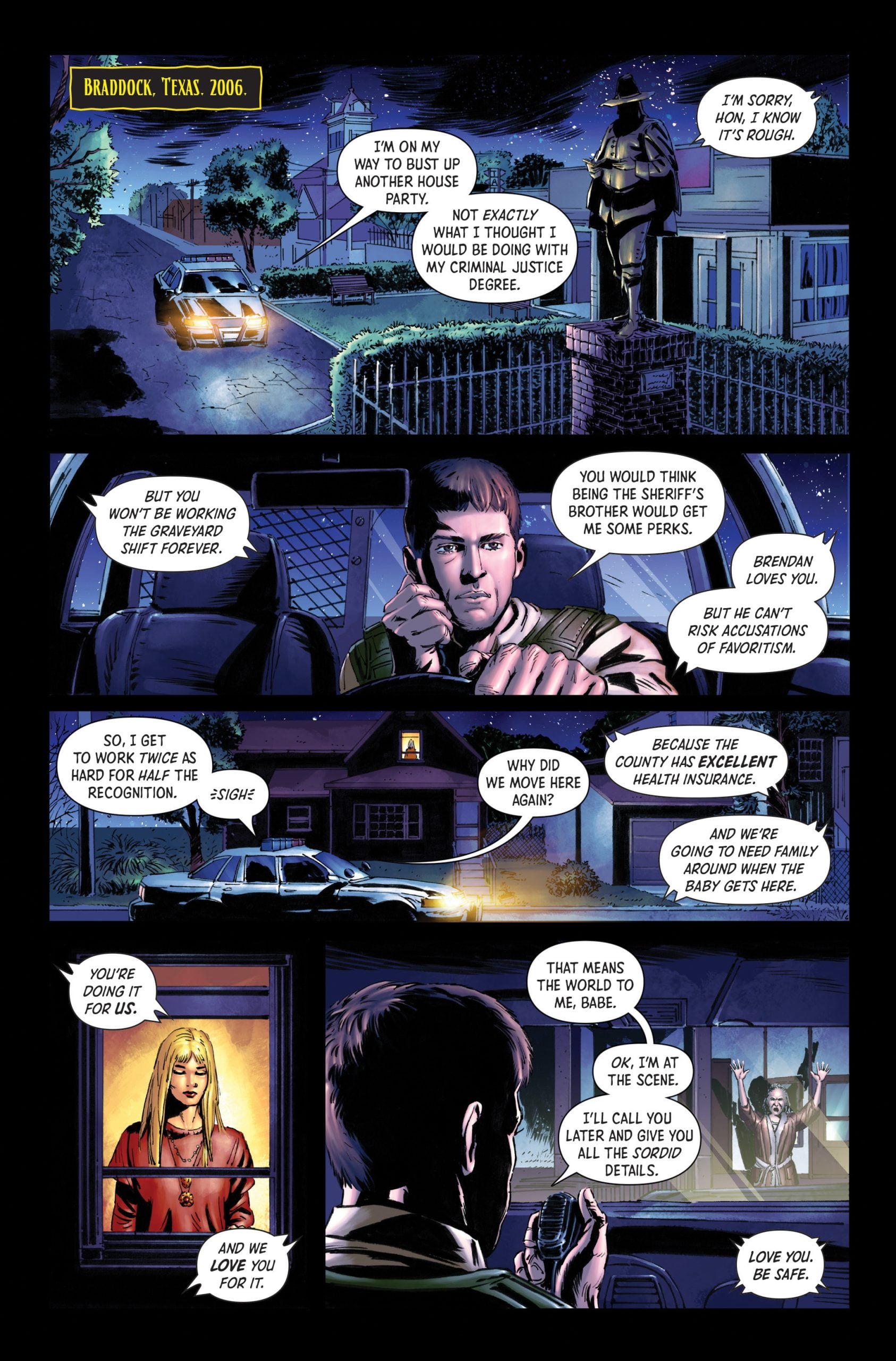
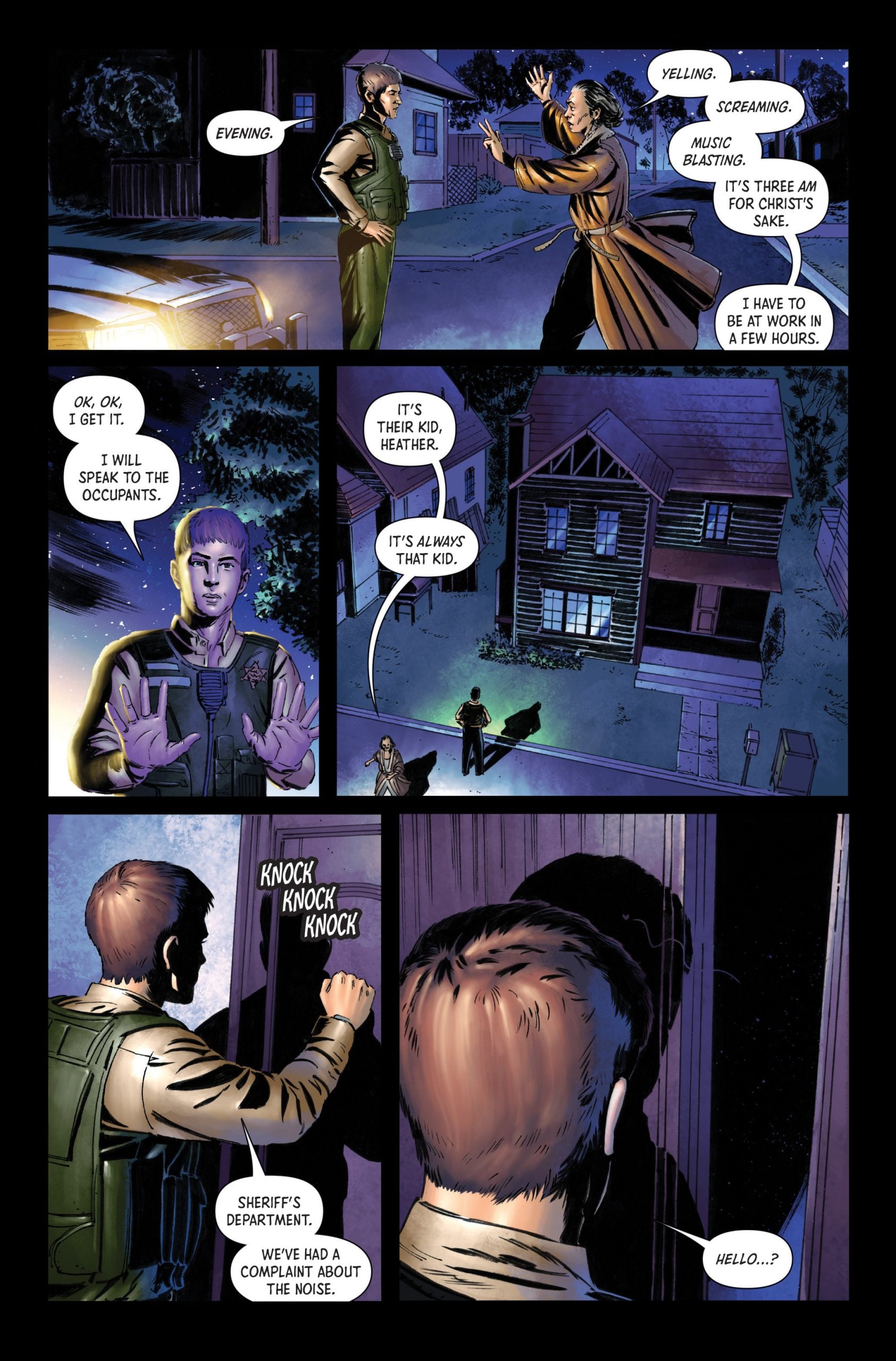
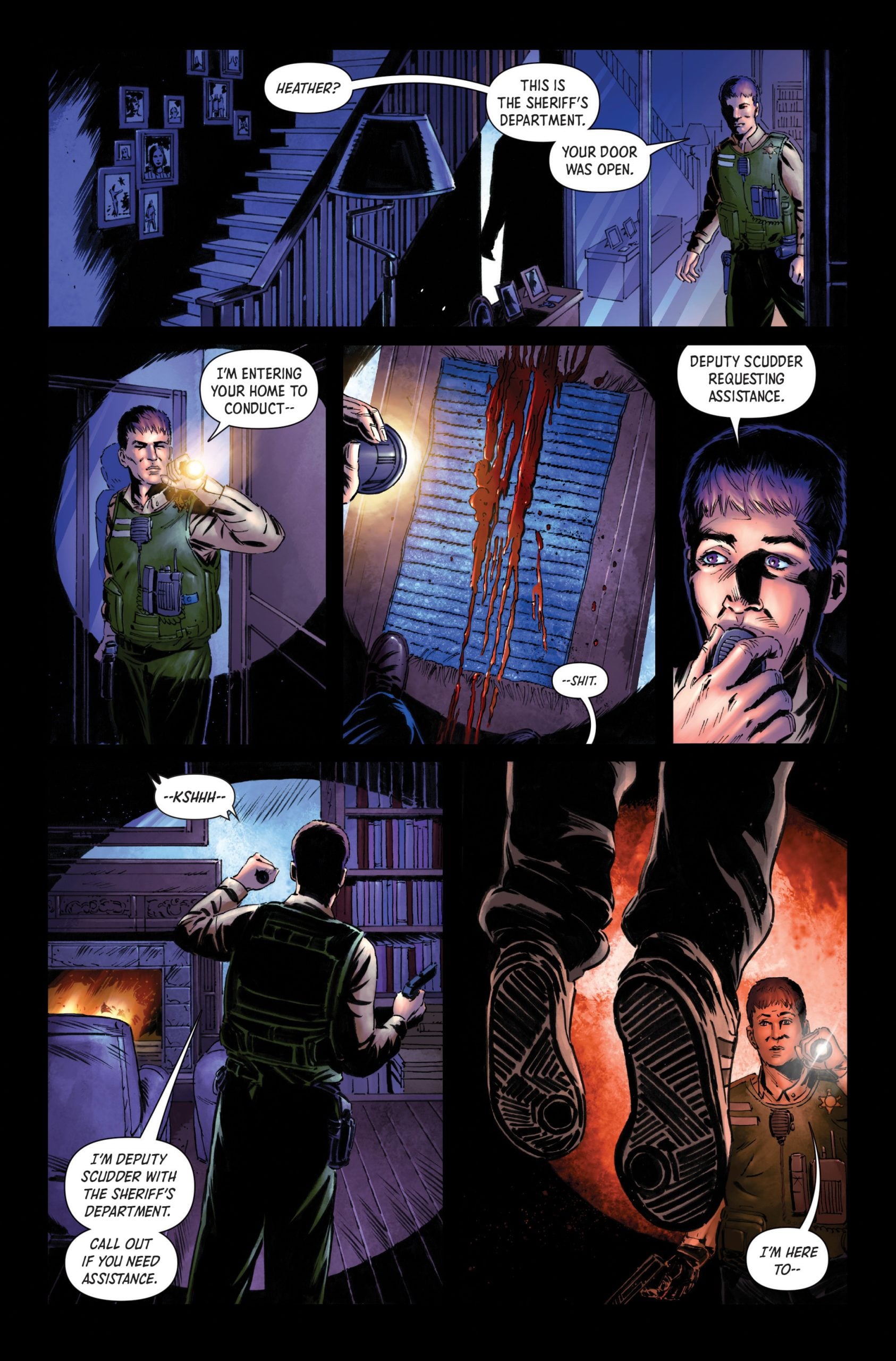
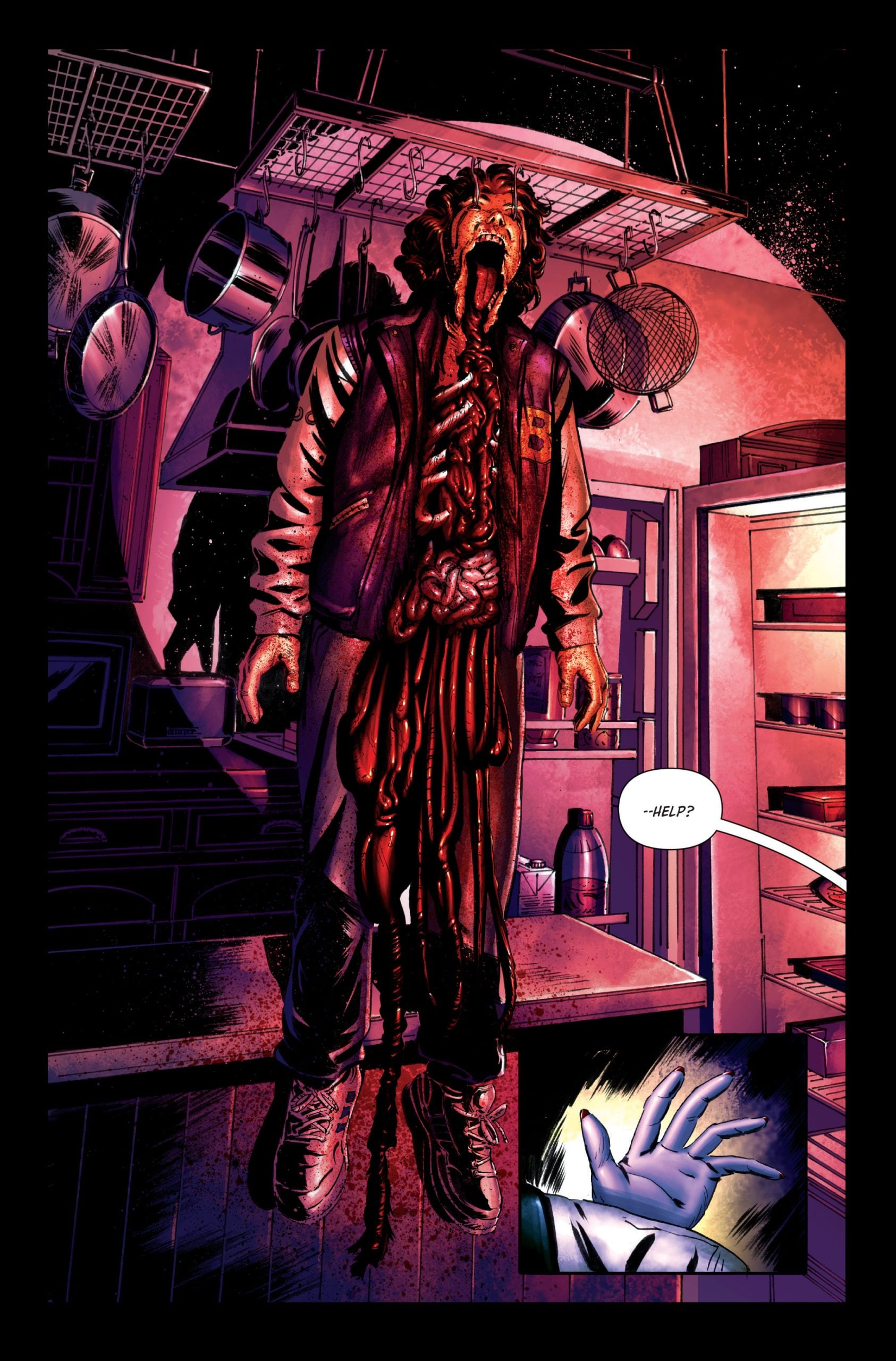
The series opens in the visceral past of 2006. Readers are thrust into a bloody, chaotic night in Braddock. Through exclusive preview pages shared by the creative team, we see a young Heather desperately attempting to warn a skeptical, dismissive local deputy. She insists that the entity responsible for the mutilation of her friend is not a person, but something far more malevolent—something lurking "in the walls" of her home. This early trauma serves as the anchor for the series, establishing the supernatural threat that has laid dormant for over a decade.
The Return (2026)
Thirteen years later, the present-day timeline follows Heather’s homecoming. The tension here is psychological rather than merely physical; as she tries to rebuild her life, the re-emergence of the "dark presence" forces her to navigate the toxic politics of a small town that still views her as a pariah. The synergy between these two timelines is designed to heighten the reader’s anxiety, as the consequences of the 2006 incidents ripple forward into the current disappearances.
The Creative Team: A Synergy of Horror
The Estranged is a collaborative effort featuring some of the most consistent talents in the independent comic scene:
- Jason McNamara (Writer): A veteran of self-published comics since 2003, McNamara brings a wealth of experience from his time working with publishers like Image Comics and Dark Horse. His background as an educator at the Pacific Northwest College of Art lends a scholarly precision to his scripts.
- Matthieu Pereira (Artist): Known for his work on The Warden, Pereira’s illustrative style is perfectly suited for the claustrophobic atmosphere of The Estranged. His ability to render small-town mundanity and supernatural horror in the same frame is a standout feature of the series.
- Dave Kemp (Colorist): Having previously contributed to Thor, Kemp utilizes a palette that emphasizes the "atmospheric dread" of the setting, moving between the stifling heat of a Texas summer and the cold, encroaching darkness of the supernatural.
- Konner Knudsen (Editor): As the editorial voice guiding the project, Knudsen ensures that the narrative flow between the dual timelines remains tight and consistent.
Official Commentary: The "Small Town" Philosophy
In a recent statement regarding the project’s inspiration, Jason McNamara provided insight into why he chose to focus on the suffocating nature of small-town memory.
"I was inspired to write The Estranged after returning to my small hometown on Long Island and attending my high school reunion," McNamara explained. "My former classmates didn’t seem interested in my adult accomplishments, so much as they wanted to remind me what a foul-mouthed teenage delinquent I was. We’ve all made mistakes in love and in life, and we should have the opportunity to evolve. But small towns have a long memory, and living in the shadow of your worst mistake felt like a compelling conflict for the story. That and adding a demon."
This personal touch is what sets The Estranged apart from generic slasher fare. It is, at its heart, an exploration of how public perception—and the cruelty of those we grew up with—can be just as damaging as any supernatural force.
Implications for the Horror Genre
The Estranged arrives at a time when audiences are increasingly drawn to "elevated horror" that functions as an allegory for real-world trauma. By invoking comparisons to James Tynion IV’s The Deviant and Tim Daniel’s The Plot, the series positions itself as a cerebral entry in the genre.
The Role of Community
The town of Braddock acts as a secondary antagonist. The "ripple effects" of pain mentioned in the press release suggest that the story will examine how collective trauma manifests in a community. When a town decides someone is a monster, that decision becomes a self-fulfilling prophecy. This sociopolitical commentary is a hallmark of McNamara’s writing and provides a depth that justifies the series’ five-issue structure.
Crowdfunding and Artistic Independence
By choosing to launch The Estranged via Kickstarter, the team is bypassing traditional editorial gatekeeping to ensure the integrity of their vision. This move is significant; for a project that deals with such nuanced themes of identity and personal history, the direct connection to the readership provided by crowdfunding allows the creators to maintain total control over the tone and pacing of the story. The campaign, which remains active through November 11th, serves not just as a financial mechanism, but as a proof-of-concept for the audience’s appetite for independent, author-driven horror.
Conclusion: A Must-Watch for Horror Enthusiasts
As the campaign progresses, the anticipation surrounding The Estranged continues to grow. With its combination of a compelling "wronged survivor" narrative, a slow-burn supernatural mystery, and a clear, focused creative vision, the series stands out as a high-water mark for indie horror in 2026.
Whether you are a fan of McNamara’s previous bibliography or simply looking for a new supernatural thriller that challenges the tropes of the genre, The Estranged offers something rare: a story that is as invested in its characters’ emotional wounds as it is in the monsters lurking in their walls.
For those looking to support the project, the Kickstarter campaign provides an opportunity to back the creation of the first chapter, with the hope that the full five-issue saga will be realized in the coming months. As Heather returns to face the horrors of Braddock, readers are invited to witness a tale of heartbreak, redemption, and the inescapable nature of the past.
Project Details Summary:
- The Estranged
- Format: Five-issue comic book series
- Creative Team: Jason McNamara, Matthieu Pereira, Dave Kemp, Konner Knudsen
- Platform: Kickstarter (Campaign ends Nov. 11, 2026)
- Themes: Small-town isolation, trauma, supernatural horror, identity politics
