
The Return of the Legend: Deconstructing ‘Crystal Lake’ and the Resurgence of a Slasher Icon
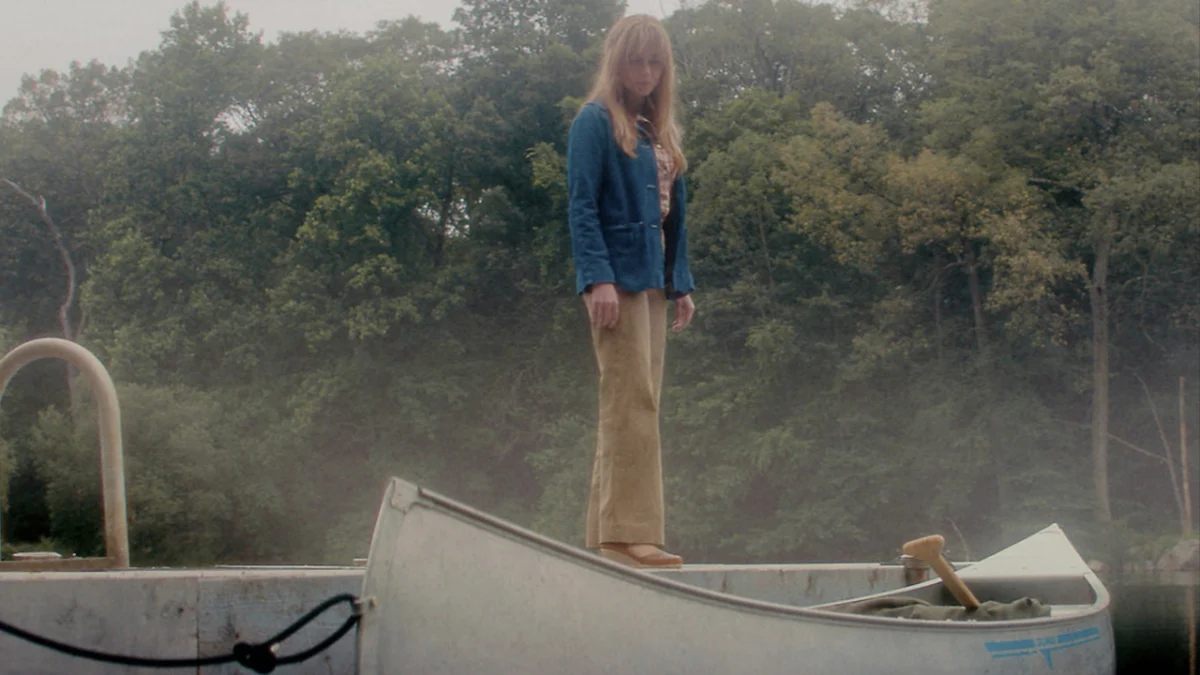
"Some of us are meant to wear masks."
This haunting sentiment serves as the thematic backbone for Crystal Lake, the highly anticipated television event that marks the long-awaited return of one of cinema’s most enduring boogeymen. For over four decades, Jason Voorhees has stood as a monolith of the slasher subgenre, a pop-culture titan whose silent, machete-wielding presence defined the 1980s horror boom. Now, after a 15-year cinematic hiatus, the Friday the 13th franchise is stepping out of the shadows—not on the silver screen, but via an expansive, eight-part series on Peacock that seeks to redefine the Voorhees legacy.
Main Facts: A New Chapter in Horror History
The Friday the 13th franchise is a titan of commerce and cult status, boasting a total revenue exceeding $1 billion when accounting for theatrical releases, home video, video games, and merchandising. Despite this immense cultural footprint, the property had been locked in a legal and creative purgatory since the 2009 reboot.
Crystal Lake arrives as the first television series in the franchise’s history. Rather than a standard retread of "teens at a camp," the show opts for a complex, character-driven prequel structure. At its heart is Linda Cardellini, who delivers a harrowing performance as Pamela Voorhees. By shifting the perspective to the mother-son dynamic, the series transforms the myth of Jason from a mindless killing machine into a tragic, humanized figure. It is a bold, risky, and undeniably fresh approach that balances the kitschy, blood-splattered nostalgia of 1980s slasher cinema with the prestige-drama sensibilities of modern television.
The Chronology of a Franchise: From 1980 to the Streaming Age
To understand the weight of Crystal Lake, one must look at the timeline of the Voorhees legacy. The original Friday the 13th (1980) introduced the world to the curse of the lake, establishing the foundation for a franchise that would span twelve films. Throughout the 80s, Jason evolved from a mythic figure into a pop-culture icon, arguably reaching his zenith in the mid-to-late decade before entering a period of decline and intermittent revivals in the 90s and early 2000s.

The 2009 reboot attempted to consolidate the lore, but it was met with mixed critical reception and ultimately stalled momentum. For 17 years, the franchise existed primarily in the realm of video game expansions and fan-made tributes. The arrival of Crystal Lake in 2026 marks the end of this "silence," serving as a bridge between the foundational terror of the original films and a new, more psychological exploration of the Voorhees bloodline. By focusing on the origin—the life of Pamela and the childhood of Jason—the series effectively clears the deck of stale tropes, allowing the franchise to build a new, more robust mythology for the next generation of horror fans.
Supporting Data: Why ‘Crystal Lake’ Breaks the Mold
The success of Crystal Lake is rooted in its ability to manage two disparate needs: the demand for gore and the demand for narrative depth. Data-driven analysis of modern horror trends suggests that audiences are increasingly drawn to "elevated horror"—stories that prioritize emotional stakes and character arcs alongside traditional scares.
The Humanization of a Monster
The series makes the controversial but effective choice to present Jason first as an innocent, frightened child. By grounding the character in his humanity, the show makes the eventual "curse" of the lake feel like a visceral tragedy rather than just a plot device. This is not a rewrite of Jason’s history, but an expansion of it. It posits that the supernatural horror of the later films is a manifestation of the grief and psychic trauma experienced by Pamela.
The Gore Factor
Despite the move to a streaming platform, the production team has made it clear that the violence will remain faithful to the franchise’s roots. The series features practical effects and high-impact gore—including a standout, wince-inducing bear trap scene—that remind viewers exactly why Friday the 13th became the gold standard for 80s slasher excess. The series manages to emulate the "sex and violence" energy of the original films without feeling like a hollow recreation of past successes.
Official Responses and Creative Vision
The creative team behind Crystal Lake—led by showrunner Brad Caleb Kane—has described the project as a "love letter" to the source material. In interviews, the producers have emphasized that the primary goal was to treat the Voorhees family with the same gravity one might apply to a Shakespearian tragedy.

Linda Cardellini’s involvement has been cited as a primary reason for the show’s emotional resonance. By portraying Pamela as a woman pushed to the brink by societal pressures and personal loss, the series explores the "masks" we wear in our daily lives—a clever meta-commentary on the iconic hockey mask that would later define her son.
The studio, Peacock, has granted the production significant creative latitude. This "room to experiment" has allowed the show to lean into themes of destiny, karmic retribution, and the unbreakable, if toxic, bond between mother and child. It is a rare instance of a major IP allowing for a departure from the "slasher-by-numbers" format to explore the internal life of its antagonist.
Implications: The Future of the Slasher Genre
The arrival of Crystal Lake signals a broader shift in how major studios are treating their legacy horror properties. No longer satisfied with mere sequels or "legacy-quels," studios are now leveraging the long-form potential of television to deep-dive into the lore of their most famous killers.
Risk vs. Reward
The final act of Crystal Lake is perhaps its most polarizing element. By introducing elements of "Project Argonaut" and moving toward a more surreal, "gonzo" conclusion, the series risks alienating purists who prefer the straightforward, machete-swinging Jason of the late 80s. However, this risk is exactly what the franchise needed. Without innovation, the property faced the threat of total irrelevance. By daring to alienate the base, the series ensures that it is not just "another" Friday the 13th installment, but a distinct entity that demands attention.
A New Standard for Horror TV
If Crystal Lake succeeds, it will likely serve as a blueprint for other horror franchises looking to transition to the small screen. The implication is clear: audiences are hungry for "lore-building" that respects the past while refusing to be held hostage by it. The series proves that you can retain the aesthetic of a classic slasher—the camp, the practical gore, the isolation of the setting—while providing an emotional payoff that makes the audience actually care about the outcome of the kills.

Conclusion: A Malformed but Essential Step Forward
Crystal Lake is not a perfect show. At times, it is overwrought, and its melodrama can occasionally feel a bit too on-the-nose. Like the character of Jason himself, the series is "malformed and neglected" in parts, yet it possesses a raw, terrifying, and unexpectedly touching heart.
It succeeds because it is an earnest effort to treat the Voorhees story as a genuine tragedy. It is a show about how to live with death, how to process grief, and how trauma can metastasize into something supernatural. Whether the audience is a lifelong Friday the 13th expert who has memorized every kill or a newcomer encountering the legend of Crystal Lake for the first time, the series offers a compelling, visceral experience.
Ultimately, Crystal Lake is a success because it understands that the true power of a slasher icon isn’t just the weapon they carry or the mask they wear—it’s the story behind the eyes looking out from behind that mask. By giving Pamela and Jason a voice, the franchise has found a new, terrifying, and emotionally resonant way to ensure that the legend of Camp Crystal Lake will continue to haunt our screens for years to come. The mask may be old, but in the hands of this creative team, it has never looked more alive.
