
Acclaimed Biographical Drama Emily Set for Netflix Streaming Debut, Bridging Literary History and Modern Cinema

By News and Features Desk
Published October 12, 2026
Main Facts: The Arrival of Emily on Netflix
Four years after its initial theatrical run captured the imaginations of film critics and literary enthusiasts alike, Frances O’Connor’s critically acclaimed directorial debut, Emily, is officially making its way to Netflix. Scheduled to drop on October 21, 2026, the biographical drama offers a deeply atmospheric, highly imaginative look into the turbulent inner life of one of English literature’s most enigmatic figures: Emily Brontë, the brilliant mind behind the timeless 1847 masterpiece Wuthering Heights.

Led by a powerhouse performance from Emma Mackey (Sex Education, Barbie), the film bridges the gap between historical fact and psychological fiction. Often described by critics as a cross between Greta Gerwig’s Little Women and Darren Aronofsky’s Black Swan, Emily trades the safety of a conventional, chronological biopic for a moodier, more feverish exploration of artistic genius. As Netflix subscribers prepare to dive into the windswept moors of 19th-century Yorkshire, the timing of the release could not be more poignant, arriving on the heels of renewed global interest in the Brontë literary canon driven by modern adaptations.
Chronology: From Festival Circuit to Streaming Platform
The journey of Emily to mainstream streaming audiences has been a deliberate, multi-year voyage across international territories and distribution networks:

- September 2022: Emily holds its world premiere as the opening film of the Platform Prize program at the 2022 Toronto International Film Festival (TIFF). Frances O’Connor’s bold vision for the material immediately commands the attention of critics, establishing the project as a major directorial debut.
- October 2022: Warner Bros. Pictures releases the film theatrically across the United Kingdom and Ireland, where it resonates strongly with audiences drawn to British period dramas that subvert traditional formulas.
- Late 2022: Emma Mackey earns widespread critical validation for her transformative performance, capturing the Best Performance Award at the Dinard British Film Festival and securing a nomination for Best Lead Performance at the British Independent Film Awards (BIFA).
- February 2023: Independent distributor Bleecker Street brings Emily to North American theaters, expanding its reach and solidifying its status as a critical darling with a Certified Fresh Rotten Tomatoes score.
- October 2026: Netflix officially adds Emily to its global streaming library, making the film accessible to millions of households just as a wave of fresh interest surges around cinematic treatments of Wuthering Heights.
Supporting Data: Critical Reception and Box Office Footprint
While Emily operates outside the traditional blockbuster ecosystem, its critical metrics and awards-season footprint reflect a modern classic in the making.
On Rotten Tomatoes, the film holds a Certified Fresh 87% approval rating based on 135 professional critical reviews, alongside a robust 83% audience score. Reviewers universally lauded the film’s refusal to sanitize Brontë’s eccentricities, choosing instead to lean into the psychological weight and isolation required to forge a work as disruptive as Wuthering Heights.

The film’s financial and critical footprint is supported by a stellar ensemble cast:
- Emma Mackey as Emily Brontë
- Amelia Gething as Anne Brontë (Emily’s younger sister)
- Alexandra Dowling as Charlotte Brontë (Emily’s older sister)
- Fionn Whitehead as Branwell Brontë (their troubled, deeply idolized brother)
- Oliver Jackson-Cohen as William Weightman (the curate who serves as Emily’s complex romantic interest)
Official Responses and Creative Vision
Speaking about her transition from acting to directing, Frances O’Connor has frequently emphasized that Emily was never intended to be a dry, Wikipedia-style biographical entry. Instead, the filmmaker sought to construct an emotional truth about what it felt like to be a fiercely independent woman trapped within the rigid, suffocating social architectures of Victorian England.
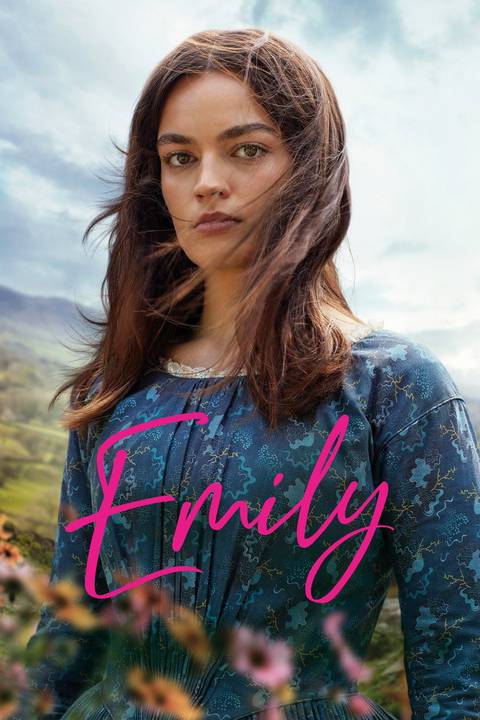
"I wanted to make a movie about a young woman who is fundamentally misunderstood by her contemporaries, yet possesses a universe of feeling inside her," O’Connor noted during the film’s initial festival run. By imagining Brontë as a rebel who chafed against expectations—experimenting with opium, engaging in passionate secret romances, and conversing with the supernatural winds of the moors—O’Connor built a cinematic vessel that mirrors the gothic intensity of Wuthering Heights itself.
Emma Mackey’s performance has been singled out as the anchor of this ambitious creative gamble. Critics noted that Mackey brought a raw, jittery vulnerability to the screen, capturing the precise moment an artist’s internal chaos begins to bleed permanently into their creative output.

Implications: A Timely Streaming Renaissance for Gothic Classics
The arrival of Emily on Netflix on October 21, 2026, carries significant cultural and strategic implications for both the streaming giant and the broader entertainment landscape.
1. Capitalizing on the "Wuthering Heights" Phenomenon
The late-2026 streaming window is hardly accidental. With the high-profile 2026 film adaptation of Wuthering Heights—starring Hollywood heavyweights Margot Robbie and Jacob Elordi—capturing public discourse, audiences are experiencing a renewed appetite for Brontë-adjacent storytelling. Emily serves as a perfect companion piece, offering viewers a speculative, deeply intimate prequel of sorts that contextualizes the psychological fractures from which Wuthering Heights was born.

2. The Resurgence of "Fictionalized Biopics"
Emily sits at the vanguard of a shifting trend in biographical cinema. Traditional biopics have increasingly faced criticism for feeling formulaic or overly beholden to historical checklists. By contrast, films like Emily—which prioritize emotional authenticity and thematic resonance over strict historical accuracy—demonstrate that audiences are hungry for artistic interpretations of historical figures. O’Connor’s success paves the way for future filmmakers to treat literary icons not as untouchable marble statues, but as flawed, living, breathing human beings shaped by their environments and inner demons.
3. Expanding Netflix’s Prestigious Period Drama Library
For Netflix, acquiring Emily reinforces the platform’s ongoing strategy of securing critically acclaimed independent and studio titles that cater to discerning, prestige-seeking demographics. As subscribers increasingly seek out substantive, character-driven dramas to balance out high-octane genre fare, Emily is poised to find a second wind, turning what was once a modest theatrical indie into a widespread streaming phenomenon.

As the release date approaches, fans of literary history, prestige drama, and transformative acting performances have every reason to mark their calendars. Emily proves that while the Brontë sisters lived nearly two centuries ago, their struggles with identity, genius, and societal confinement remain timelessly modern.
