
Embracing the Shadow: How Aaron Pierre’s John Stewart Redefines the Green Lantern Legacy
Warning: This article contains major spoilers for the season one finale of HBO’s Lanterns.
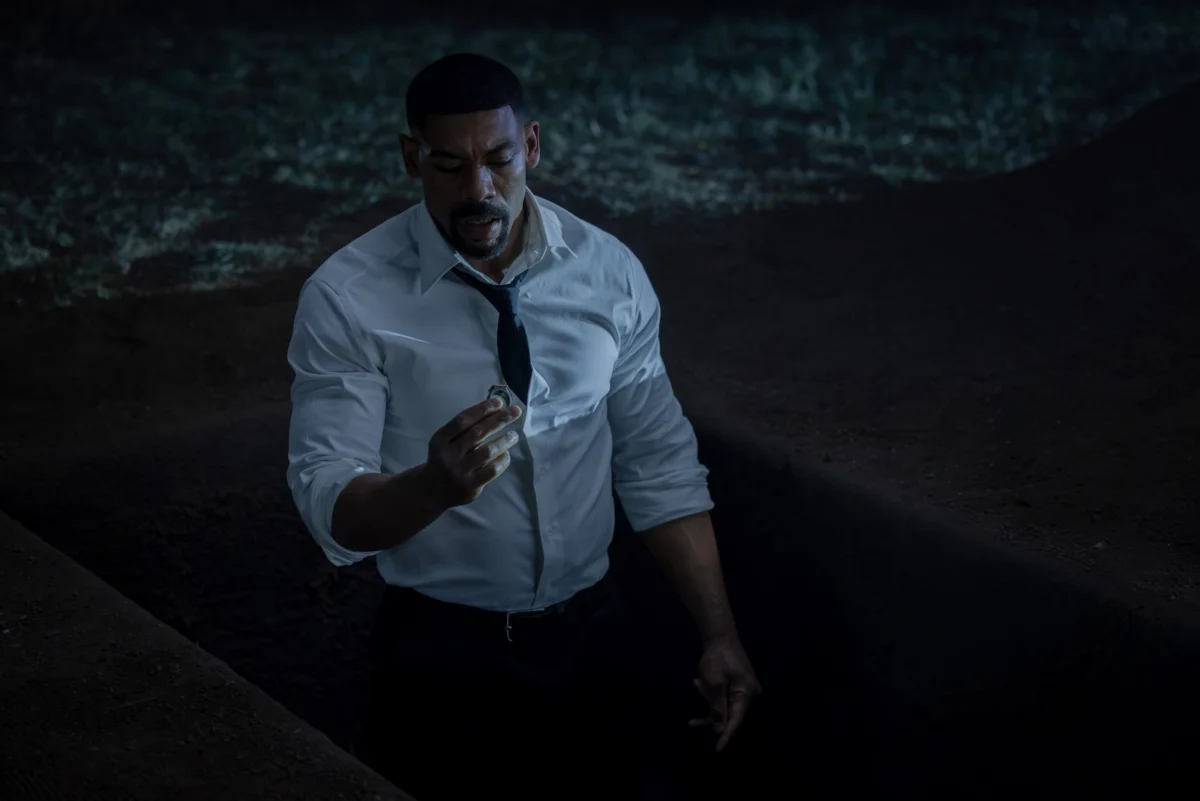
The landscape of the DC Universe on television has undergone a radical transformation with the arrival of HBO’s Lanterns. While the franchise is steeped in decades of comic book lore—specifically the rigid, stoic tradition of the Green Lantern Corps—the series finale delivered a moment that sent shockwaves through the fandom. In a climactic sequence, John Stewart, portrayed with haunting gravitas by Aaron Pierre, charged his ring not with the familiar mantra of fearlessness, but with a deeply personal, altered oath that fundamentally shifted the psychological foundation of the character.
By choosing to embrace his fear rather than negate it, Stewart signaled a departure from the "fearless" archetype that has defined the Corps since its inception. This pivot has sparked a massive conversation regarding what it means to be a hero in a modern narrative context, moving away from the unattainable ideal of invulnerability toward a more relatable, humanized portrayal of courage.
The Chronology of a Transformation
To understand the weight of this decision, one must look at the trajectory of John Stewart throughout the inaugural season of Lanterns. The series did not begin with Stewart as an established galactic guardian; instead, it presented a man haunted by his past and hesitant to step into the light.
In 2016, the audience was introduced to a younger, more cautious Stewart. It was a period defined by rejection—not of the heroism itself, but of the ring. At that stage, Stewart possessed a profound level of self-awareness. He recognized that the power of the Green Lantern ring was a burden he was not yet equipped to carry. He viewed the mantle not as a prize, but as a responsibility that would crush him if his internal house was not in order.
As the series progressed, the narrative followed a ten-year arc of personal development. While the audience saw flashes of the hero he would become, the core of the show was an intimate study of a man learning to navigate his own psyche. The finale served as the culmination of this decade-long journey. When Stewart finally spoke the words, "I embrace my fear," it was not a sign of weakness or corruption; it was the ultimate act of integration. He had stopped running from the shadows of his past and the anxieties of his present, choosing instead to wield them as tools for clarity and focus.
The Philosophy of Fear: A Hero’s True Superpower
In the aftermath of the season finale, lead actor Aaron Pierre provided critical insight into the creative intent behind this character shift. During a press conference attended by Reactor, Pierre articulated a perspective that challenges the traditional superhero trope of the "fearless warrior."
"John’s superpower, in my opinion, subjectively, is not being fearless," Pierre explained. "It’s the ability to acknowledge fear and overcome it."
This distinction is essential to the show’s thematic depth. Historically, the Green Lantern oath has served as a psychological shield, a way for the ring-bearer to suppress doubt. By altering the oath, Stewart strips away the delusion of total control. Pierre notes that Stewart’s self-awareness is his greatest asset. He does not approach his duties with the arrogance of a man who thinks he is untouchable; rather, he approaches them as a student who recognizes the limits of his own understanding.
"He doesn’t lean away from [his fear] with arrogance or with this delusion," Pierre continued. "He leans into it and actively searches for ways to become everything he knows he can become if he just makes himself the student that absorbs versus deflecting when he doesn’t know something."
This methodology is quintessentially "Marine" in its discipline. By acknowledging the fear of inadequacy—the fear of not being ready—Stewart addresses his weaknesses head-on. He refuses to get defensive, choosing instead to study, adapt, and grow. This makes the character more than a space-faring enforcer; it makes him a tragic yet aspirational figure who finds strength in the very things that would break a lesser person.
The Burden of the Ring: Supporting Data and Context
The decision to change the Green Lantern oath is not merely a stylistic flourish; it is a narrative correction that addresses the limitations of the classic DC lore. In the source material, the Green Lanterns are often characterized by their willpower, which is described as the ability to overcome great fear. However, the show takes this concept a step further by suggesting that "overcoming" fear does not mean the absence of it.
Data from the show’s narrative arc shows a clear correlation between Stewart’s acceptance of his vulnerability and his effectiveness in combat. In earlier episodes, when Stewart attempted to force his will upon the ring, his constructs were brittle, reflecting his internal lack of cohesion. In the finale, as he reconciled with his fear, his constructs became fluid, powerful, and precise.
The psychological profile of this iteration of John Stewart draws heavily from the "Hero’s Journey" archetype, specifically the stage of the "Abyss." In this stage, the hero must undergo a symbolic death and rebirth. For Stewart, the "death" was the death of his desire to be perfect. The "rebirth" was the acceptance of his flawed, fearful self. This shift has been lauded by critics for humanizing a character who, in previous iterations, was often criticized for being too cold or overly rigid.
Implications for the Future of the Lanterns Franchise
The ramifications of this change are profound for the future of the Lanterns series. If the Green Lantern Corps is no longer a collection of fearless soldiers, but a group of individuals who manage and transform their fear, the entire power dynamic of the universe changes.
1. Reimagining the Corps
If Stewart’s approach is adopted by other members of the Corps, the organization shifts from a military-style hierarchy to something more akin to a fellowship of guardians who practice radical self-honesty. This provides a rich vein for future seasons to explore the differing philosophies of various Lanterns.
2. The Nature of the Threat
By internalizing fear, the Green Lanterns are better equipped to deal with enemies who exploit psychological warfare. The villains in the Lanterns universe often rely on the insecurity of their targets. If the heroes have already confronted their own demons, the manipulative power of their enemies is significantly diminished.
3. A New Standard for DC Heroes
The success of this characterization sets a new benchmark for how legacy characters can be updated for modern audiences. By leaning into the psychological realism of the character, the show avoids the "Superman syndrome"—where the hero is so powerful and emotionally distant that the audience loses the ability to relate to them.
A Legacy Reimagined
The transition of John Stewart from the reluctant, fearful man of 2016 to the empowered, self-aware hero of the finale is a masterclass in character development. Aaron Pierre’s performance has successfully bridged the gap between the stoic, immovable object of the comics and the complex, emotive lead required for modern prestige television.
As fans continue to analyze the finale and the implications of the altered oath, the consensus remains clear: Lanterns has successfully carved out a unique space within the DC landscape. It is a show that values the internal battle just as much as the external conflict.
For those who have yet to experience the full scope of this journey, all eight episodes of the first season of Lanterns are currently available for streaming on HBO. Whether you are a long-time devotee of the Green Lantern Corps or a newcomer to the mythology, the series offers a compelling look at what it actually means to wear the ring. It is a story about the light, yes, but it is equally a story about the shadows we all carry—and the strength required to step into them, own them, and eventually, shine through them.
In the end, John Stewart has taught us that the greatest victory is not found in the absence of fear, but in the courage to acknowledge it, live with it, and rise above it. This is not just a superhero show; it is a profound meditation on the human condition, wrapped in the vibrant, emerald glow of a galaxy that has never seemed more dangerous, or more promising.
