
The Touch, The Glow: How the Traumatizing ’80s Classic The Transformers: The Movie Conquered the Box Office All Over Again
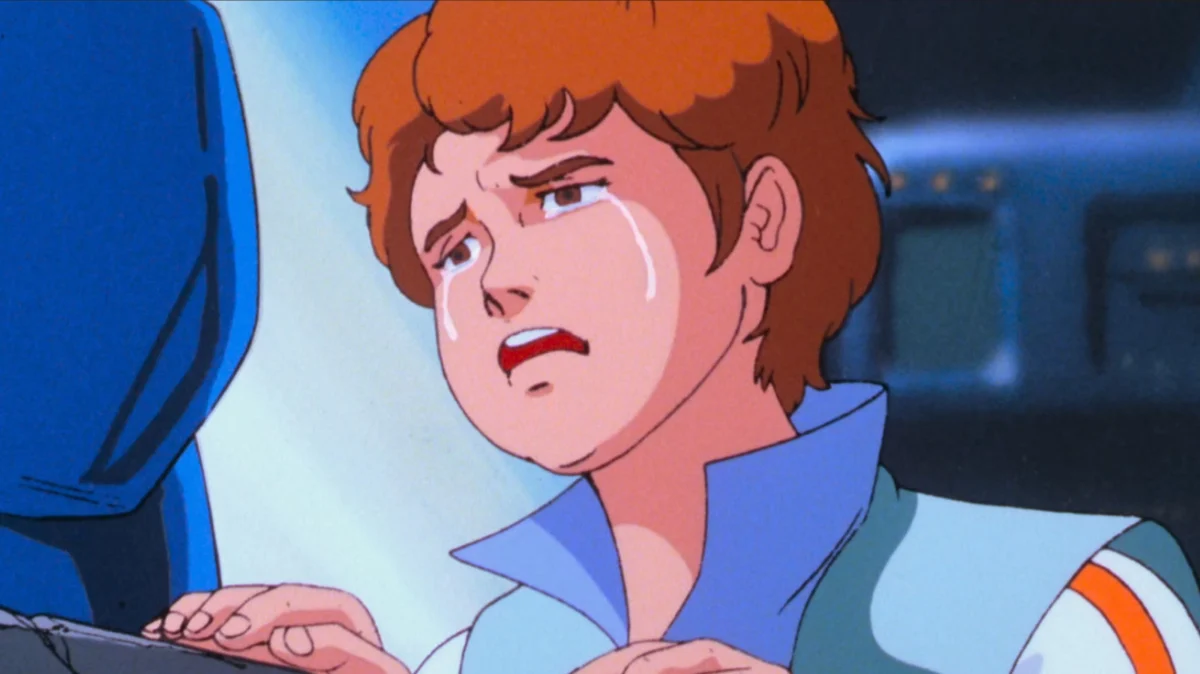
Forty years after it first taught a generation of unsuspecting children about the unforgiving nature of mortality, The Transformers: The Movie has rolled out once more—and proved that its enduring legacy is more than just nostalgic metal.
In a weekend box office landscape dominated by modern studio juggernauts, a limited-engagement theatrical re-release of the 1986 animated classic managed to pull in an impressive $3.1 million. The milestone secured the film a notable seventh-place finish on the domestic charts. For a hand-drawn piece of animation that originally limped away from its 1986 theatrical run with less than $6 million total, this anniversary triumph represents a stunning victory. It is a testament to a passionate fandom, a masterclass in counterprogramming, and proof that some pop culture wounds truly never heal.
Main Facts: A Triumphant Return to the Big Screen
To celebrate the 40th anniversary of the franchise’s cinematic debut, Hasbro and Fathom Events teamed up to bring director Nelson Shin’s legendary animated feature back to movie theaters nationwide. Billed playfully by organizers as "The Apology Tour"—a tongue-in-cheek nod to the emotional distress inflicted upon young audiences four decades ago—the special event far exceeded financial and cultural expectations.
While Zach Cregger’s horror feature Resident Evil commanded the weekend throne with a robust $60 million debut, The Transformers: The Movie carved out a lucrative, nostalgia-fueled niche of its own. Pulling in $3.1 million over a single weekend demonstrates that the theatrical appetite for classic, high-octane animation remains surprisingly robust.
More importantly, the box office performance highlights a stark contrast with the modern cinematic state of the Transformers brand. While recent live-action entries and animated prequels have stumbled at the box office, the 1986 original continues to command the loyalty and wallets of fans who first saw it on VHS, cathode-ray tube televisions, or inside aging neighborhood cinemas.
Chronology: From 1986 Trauma to 2026 Triumph
To understand why a four-decade-old cartoon commands this level of devotion, it is necessary to retrace the timeline of the Transformers phenomenon:
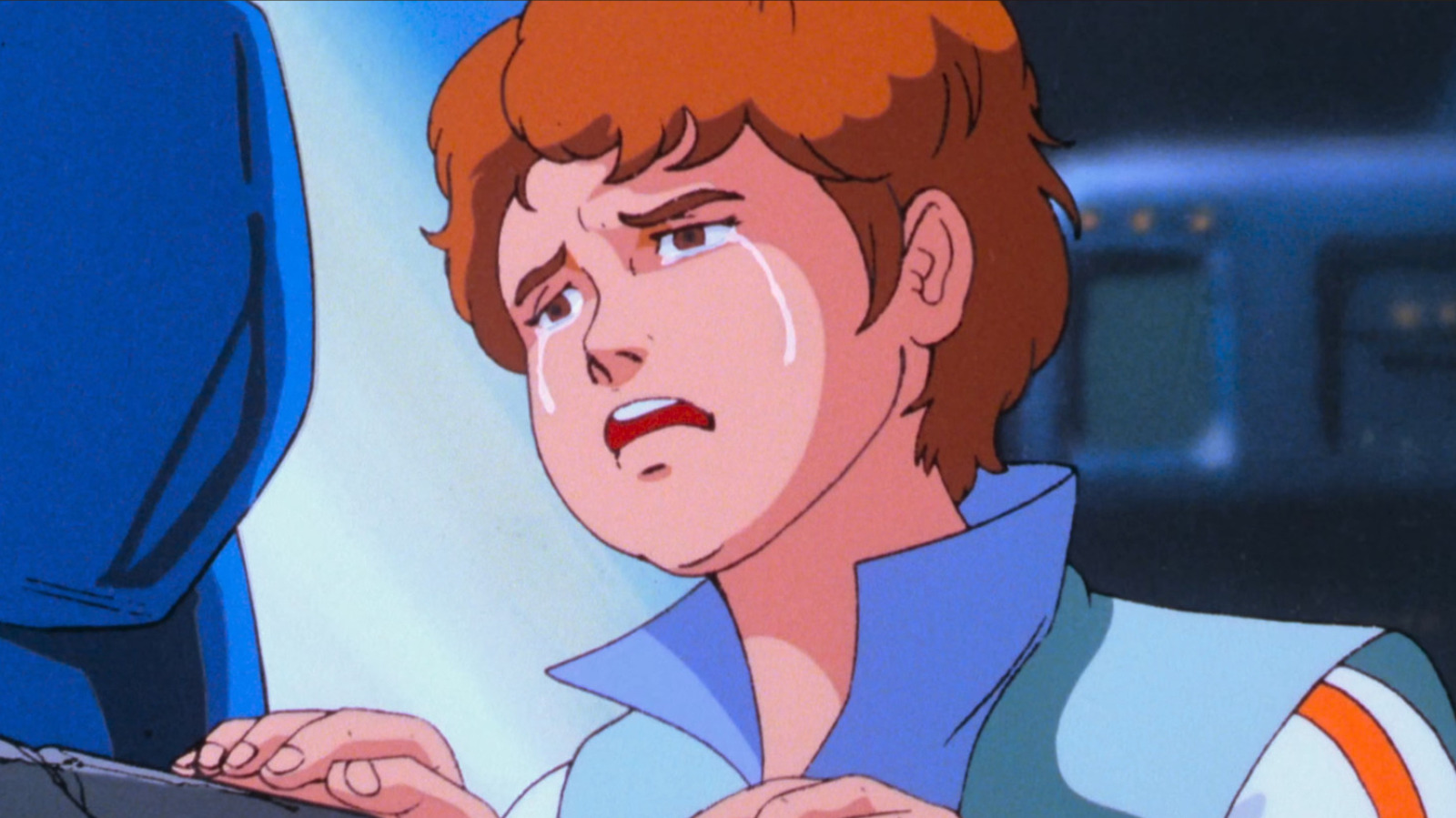
- September 1986: The Transformers: The Movie hits North American theaters. Produced during the height of the Saturday morning cartoon boom, the film is designed to aggressively clear out retail shelves of old toys to make room for a new wave of Hasbro products. Instead, it shocks children by ruthlessly slaughtering iconic characters—most notably Optimus Prime.
- Late 1980s – 1990s: Traumatized kids grow up. The film achieves legendary status on home video, cultivating a fiercely loyal cult following that treasures its heavier tone, rocking soundtrack, and radical departure from episodic television.
- 2007: Director Michael Bay reinvents the franchise as a live-action, billion-dollar CGI blockbuster universe, introducing the Robots in Disguise to a brand-new generation of mainstream moviegoers.
- 2023–2024: The modern film franchise hits turbulent waters. 2023’s Rise of the Beasts becomes the lowest-grossing live-action Transformers movie, while 2024’s critically acclaimed animated feature Transformers One underperforms at the box office despite rave reviews.
- September 2026: Marking its 40th anniversary, Hasbro and Fathom Events orchestrate a triumphant theatrical re-release. The film captures $3.1 million, landing comfortably in the weekend box office top ten and proving its timeless appeal.
Supporting Data: By the Numbers
The financial and cultural footprint of The Transformers: The Movie is best understood through the hard data surrounding its theatrical runs and franchise positioning:
- $3.1 Million: The weekend box office gross for the 40th-anniversary theatrical re-release, landing the film in seventh place overall.
- $6 Million: The approximate total domestic gross of the film’s original theatrical run back in the fall of 1986—meaning this weekend’s limited engagement earned roughly half of the movie’s entire initial box office haul.
- 40 Years: The span of time between the film’s original premiere and its modern celebratory return to the silver screen.
- $0 (Relative to Live-Action): While Michael Bay’s live-action entries routinely hauled in hundreds of millions, the foundational animated film operates on a different plane of cultural currency, proving that box office longevity is driven as much by emotional resonance as pure scale.
- 1 Star-Studded Cast: The film featured legendary acting talent that elevated the Saturday-morning cartoon premise into high sci-fi drama, starring Leonard Nimoy as Galvatron, Eric Idle as Wreck-Gar, Judd Nelson as Hot Rod, and the legendary Orson Welles in his final film role as the planet-devouring Unicron.
Official Responses and Behind-the-Scenes Realities
The decision by Hasbro and Fathom Events to frame the re-release as "The Apology Tour" acknowledges a historical truth: the creators genuinely did not realize how devastating Optimus Prime’s death would be to children in the theater.
In retrospective interviews, writers and producers have admitted that the character purges were mandated primarily by the toy line. Hasbro needed to clear out the inventory of older action figures to introduce the "Series 3" lineup, which featured modern characters like Rodimus Prime. They viewed the script decisions through a purely corporate lens.
However, the voice cast and crew were caught entirely off-guard by the final product. Voice actors recorded their lines in isolation, often unaware of just how bleak and body-count-heavy the overarching narrative would become. When the film finally premiered, the reaction was immediate and visceral. Children wept openly in movie theaters across the country. Mailboxes flooded with letters of protest, and parents expressed genuine shock at the uncompromising violence meted out to plastic heroes.
The backlash was so intense that it ultimately forced Hasbro’s hand. In the subsequent television series episodes, public pressure and dwindling toy sales for replacement characters forced the studio to resurrect Optimus Prime. Yet, despite his eventual return, the psychological stamp left by the 1986 film remained indelible.
Implications: What This Means for the Future of Transformers
The unexpected box office success of The Transformers: The Movie carries major implications for Paramount and Hasbro as they attempt to chart a course for the franchise’s cinematic future.
The Identity Crisis of Modern Transformers
Over the last few years, the cinematic arm of the Transformers universe has struggled to find a consistent identity. The live-action films drifted from gritty military science fiction to bloated CGI spectacles, culminating in the box office fatigue that greeted Rise of the Beasts. Meanwhile, attempts to pivot back to animation with Transformers One proved that stellar critical reception does not automatically translate into ticket sales in a crowded marketplace.
The Power of Core Fandom and Authenticity
The triumph of the 40th-anniversary re-release demonstrates that the core fanbase is not only still alive and well, but hungry for authentic, uncompromised storytelling. Fans who grew up in the 1980s are now adults with disposable income, eager to share their childhood touchstones with their own children—or simply experience the theatrical magic the way it was meant to be seen.
Furthermore, the film’s enduring appeal stems from elements modern blockbusters often lack: a distinct, hand-drawn visual style, a phenomenal heavy-metal soundtrack featuring Stan Bush’s iconic track "The Touch," and a willingness to embrace stakes that genuinely matter.
A Blueprint Forward
As Paramount weighs its next steps for the franchise, the lesson of "The Apology Tour" is clear. Audiences do not necessarily need bigger budgets or more hyper-realistic transformations; they need emotional weight, bold creative choices, and respect for the lore that built the empire in the first place.
Whether the Robots in Disguise can permanently reclaim their former glory on the modern cinematic stage remains to be seen. But for one weekend in September, forty years after his tragic fall, Optimus Prime proved that legends never truly die—they just wait for the right encore.
