
End of an Era: Nintendo and LEGO Confirm Major Wave of Retirements Alongside Fresh 2027 Wave
By Yuliya Geikhman
Published October 4, 2026
Introduction: The Brick-Built Partnership Reaches a Milestone
For over half a decade, the unexpected yet harmonious collision of two behemoths of family entertainment—Nintendo and the LEGO Group—has yielded some of the most creative, interactive, and nostalgic toy sets on the market. Both companies have built their corporate identities on multigenerational appeal, championing imaginative play experiences that cross demographic boundaries. When the two brands officially joined forces in 2020 with the launch of the Super Mario Bros. interactive starter courses, it felt less like a standard corporate crossover and more like an inevitability.
However, all good things must eventually cycle out. As the calendar moves toward the close of 2026, collectors, builders, and gaming enthusiasts are facing a bittersweet reality. A massive wave of beloved Nintendo-themed LEGO sets is officially reaching the end of its commercial lifecycle. With shelf space at a premium and the LEGO Group’s manufacturing philosophy relying heavily on continuous product rotation, several pillar sets from both the Super Mario and Animal Crossing lineups are scheduled to vanish from official retail channels by December 31, 2026.
At the same time, the horizon remains bright. The LEGO Group has already teased an upcoming slate of Super Mario releases slated to debut in early 2027, ensuring that while old memories are packed away into storage bins, new brick-building adventures are waiting just around the corner.
Main Facts: What Is Leaving and When?
The core piece of news impacting consumers right now is the imminent retirement date. As of December 31, 2026, manufacturing and official retail distribution will cease for a significant portion of Nintendo-themed inventory currently sitting on shelves at the LEGO Store, LEGO.com, and partner retail locations.
Once these dates pass, acquiring these particular sets directly from the manufacturer will no longer be possible. While remaining stock may linger on clearance shelves into early next year, primary supply chains are winding down.
Retiring Nintendo LEGO Sets (Leaving Dec. 31, 2026)
| Set Name | Franchise |
|---|---|
| Tom Nook and Flying Present | Animal Crossing |
| Stargazing with Celeste | Animal Crossing |
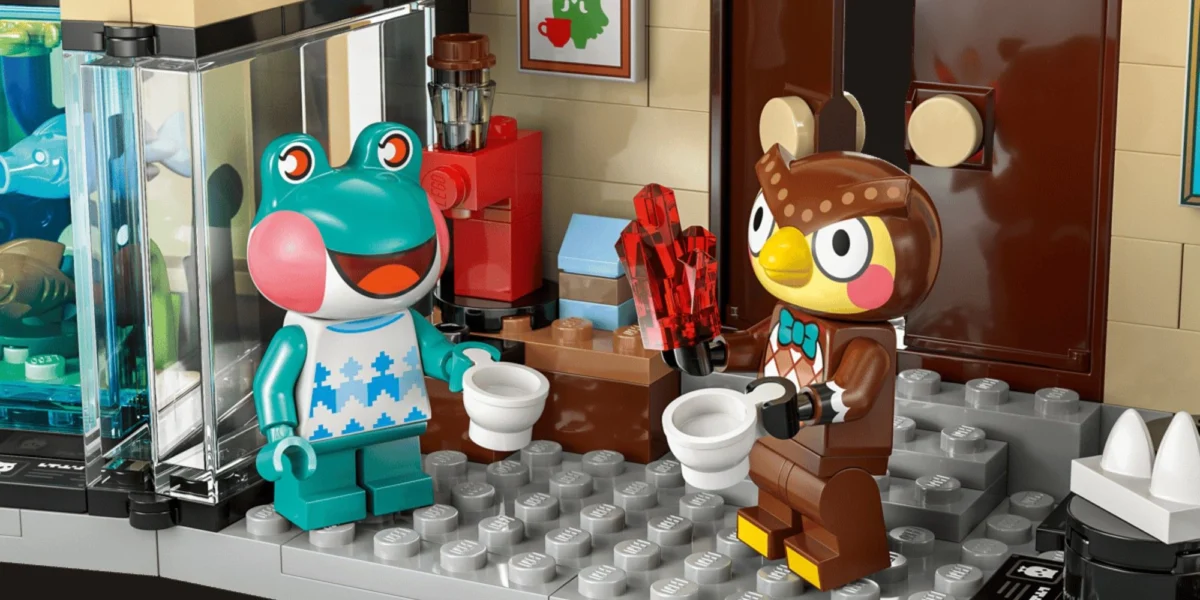
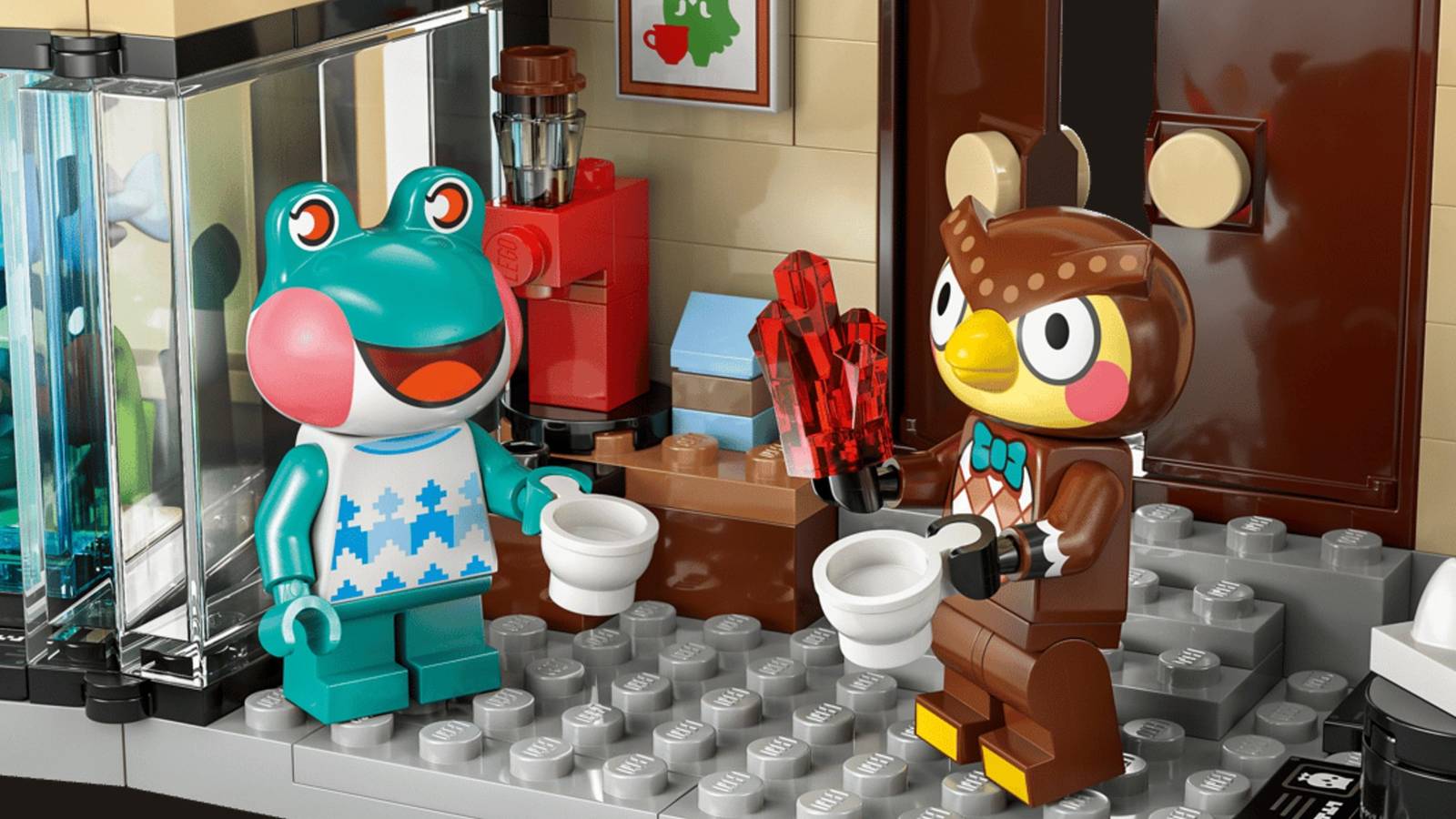
| Blathers’s Museum Collection | Animal Crossing |
| Goldie’s Cosy House | Animal Crossing |
| Adventures with Interactive LEGO Luigi | Mario Bros. |
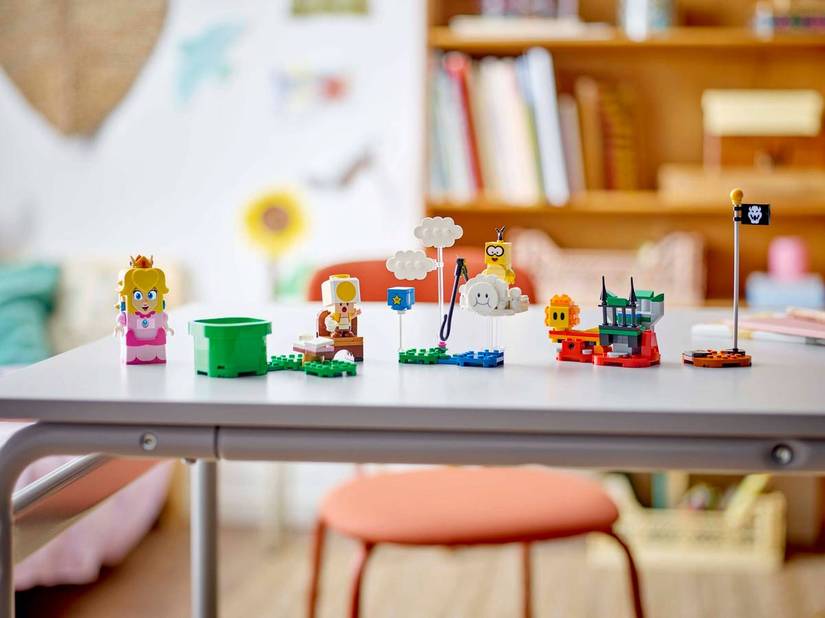
| Adventures with Interactive LEGO Peach | Mario Bros. |
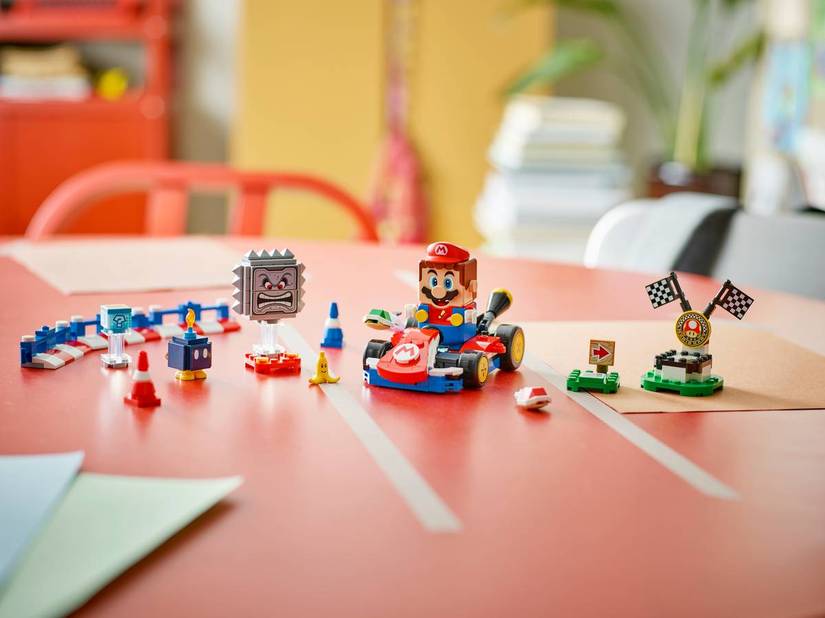
| Interactive LEGO Mario & Standard Kart | Mario Bros. |
| Shy Guy & P-Wing | Mario Bros. |
While these specific kits are heading out the door, LEGO’s product pipeline is already pivoting toward the future. Set to debut in the opening weeks of 2027, a brand-new wave focusing heavily on Mario and his extended universe will replace the outgoing inventory.
Upcoming Nintendo LEGO Sets (Releasing Early 2027)
| Set Name | Franchise |
|---|---|
| Mario’s Pipe Jump | Mario Bros. |
| Mario’s Beach Adventures | Mario Bros. |
| Fire Luigi vs. Koopa Troopa Battle | Mario Bros. |
| Yoshi at Mario’s House | Mario Bros. |
| Bowser’s Rumbling Race | Mario Bros. |
| Luigi & Bowser Jr.’s Race | Mario Bros. |
| Fire Mario & Bowser’s Castle | Mario Bros. |
| Racing with Mario | Mario Bros. |
Chronology: Six Years of Plastic Bricks and Video Game Icons
To fully understand the weight of this impending retirement wave, it is helpful to look back at how the Nintendo x LEGO partnership evolved from a speculative partnership into one of the most successful toy-video game crossovers in modern history.
2020: The Genesis of Interactive Blocks
The collaboration kicked off in the summer of 2020 with the launch of the Super Mario Adventures with Mario Starter Course. Rather than sticking to traditional, static display models, the partnership introduced a digital element. An interactive Mario figure featuring an LCD screen in his eyes, mouth, and belly, coupled with a color sensor and speaker, allowed users to physically play through custom-built digital levels, collecting coins and defeating enemies by stamping on barcodes embedded in the bricks.
2021–2023: Expanding the Mushroom Kingdom and Beyond
Building on the initial financial success of the Super Mario line, the partnership quickly expanded its scope. LEGO and Nintendo introduced expansions featuring Luigi and Princess Peach, adding multiplayer capabilities to the brick-built courses.

Beyond standard playsets, the companies began targeting adult collectors and nostalgic fans. This era saw the introduction of the stunning, brick-built 1:1 scale Nintendo Entertainment System (NES) console, complete with a retro CRT television displaying a scrolling Mario level. Soon after, standalone icon builds like the Mighty Bowser and expansions into other Nintendo properties—such as the whimsical Donkey Kong jungle waves—proved that the collaboration had legs far beyond simple starter boxes.
2024–2025: Island Living and High-End Displays
The partnership branched out horizontally in 2024 with the launch of the highly anticipated Animal Crossing collection. Translating the pastel, customizable aesthetic of Nintendo’s cozy life-simulator into molded plastic blocks charmed a brand-new demographic of casual builders. Sets like Tom Nook’s Nook’s Cranny & Rosie’s House and modular island setups became immediate hits. Simultaneously, high-end builds continued to capture headlines, cementing the collaboration as a permanent fixture in both the gaming and toy industries.
2026: The Great Lifecycle Cleansing
Now, deep into 2026, the ecosystem has reached an inflection point. The early-generation interactive starter sets featuring Luigi and Peach, alongside the entire recent wave of modular Animal Crossing micro-builds, have reached the end of their commercially viable production windows.
Supporting Data & Market Analysis: The Economics of LEGO Retirements
For the uninitiated, LEGO’s retirement schedule can come as a harsh surprise. Unlike video game software, which can remain available indefinitely via digital storefronts, physical toys operate on finite supply chains.
Why Does LEGO Retire Sets?
The LEGO Group manages thousands of active components and sets at any given time. Factory production lines have a finite capacity, meaning that to introduce fresh molds, concepts, and themes—such as the upcoming 2027 Mario Kart and platforming expansions—older inventory must be phased out to clear warehouse and retail shelf space.
The Secondary Market Phenomenon
When a popular LEGO set officially goes out of production, it enters what economists and toy collectors refer to as the "aftermarket window." Historical data across major licenses like Star Wars, Harry Potter, and now Nintendo indicates that once a licensed set is marked as "Retired Product," its market value often appreciates rapidly.
- Retail Value vs. Resale: Sets featuring iconic characters like Celeste, Blathers, and unique variants of Mario characters traditionally command high premiums on platforms like BrickLink, eBay, and secondary hobby marketplaces.
- The Urgency Factor: With the December 31 deadline looming, hobbyists are currently experiencing a rush to purchase these items at standard MSRP before speculative collectors buy up remaining retail stock to flip later at inflated prices.
Official Responses and Industry Context
Neither Nintendo nor the LEGO Group has issued a dramatic press release regarding the retirement wave, as cyclical product turnover is standard operating procedure for both multinationals. However, representatives from both companies have repeatedly emphasized in past statements how vital the collaboration has been for bridging digital entertainment with tactile creativity.
In promotional materials for the upcoming 2027 line, the companies hint at a renewed focus on dynamic motion and racing mechanics, pulling heavy inspiration from the enduring popularity of the Mario Kart sub-franchise and classic side-scrolling platforming elements.
Industry analysts point out that this systematic rotation keeps the brand relevant to younger generations who are just aging into toy-building, ensuring that the shelf presence of Nintendo properties remains fresh, dynamic, and closely tied to whatever software Nintendo happens to be pushing at the time.
Implications for Collectors and Fans
The retirement of these specific sets carries several distinct implications for different segments of the fan base:
- For the Casual Buyer: If you have been eyeing Goldie’s Cosy House, Blathers’s Museum Collection, or the interactive Luigi and Peach starter packs as holiday gifts or personal projects, the window to acquire them without paying an aftermarket markup is closing rapidly. Waiting until January 2027 will likely mean turning to third-party sellers.
- For the Dedicated Collector: The departure of the Animal Crossing wave marks the end of the first major push into Nintendo’s cozy simulation space. While new sets are on the way, completists who missed out on secondary figures like Celeste or Tom Nook’s flying present face a race against time.
- For the Future of the Partnership: The immediate transition into the 2027 wave—heavy on pipe jumps, beach adventures, and racing challenges—demonstrates that the LEGO x Nintendo alliance is in no danger of slowing down. While old chapters close, new builds are already on the assembly line.
Final Takeaway
As 2026 draws to a close, fans of both brick and button should take stock of their collection wish lists. Whether you choose to panic-buy the retiring Animal Crossing and Mario sets before the clock strikes midnight on New Year’s Eve, or save your pennies for the high-octane racing sets arriving in early 2027, the intersection of Nintendo and LEGO remains one of the most magical crossovers in modern pop culture history.
