
"Lanterns" Episode 6 Directly Confronts the DCEU’s Biggest Collateral Damage Mistake
In brightest day, in blackest night, no spoilers shall escape my sight. This article discusses major plot details from "Lanterns" Episode 6, "Bad Optics."
Main Facts
The HBO Max series Lanterns has officially reached a critical narrative turning point with its sixth episode, "Bad Optics." Moving past the intricate mysteries of Rushville and the hidden Manhunter threat that dominated the first half of the season, the series leaps forward into a modern-day timeline while remaining shackled—by choice—to the traumas of the past.
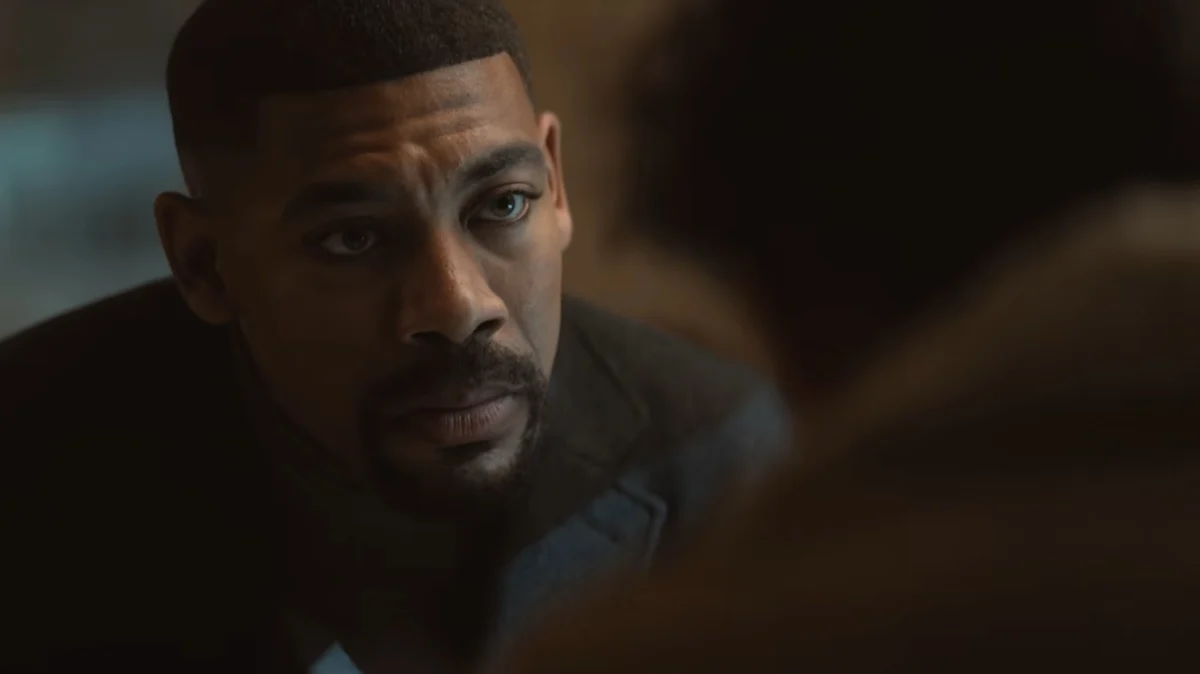
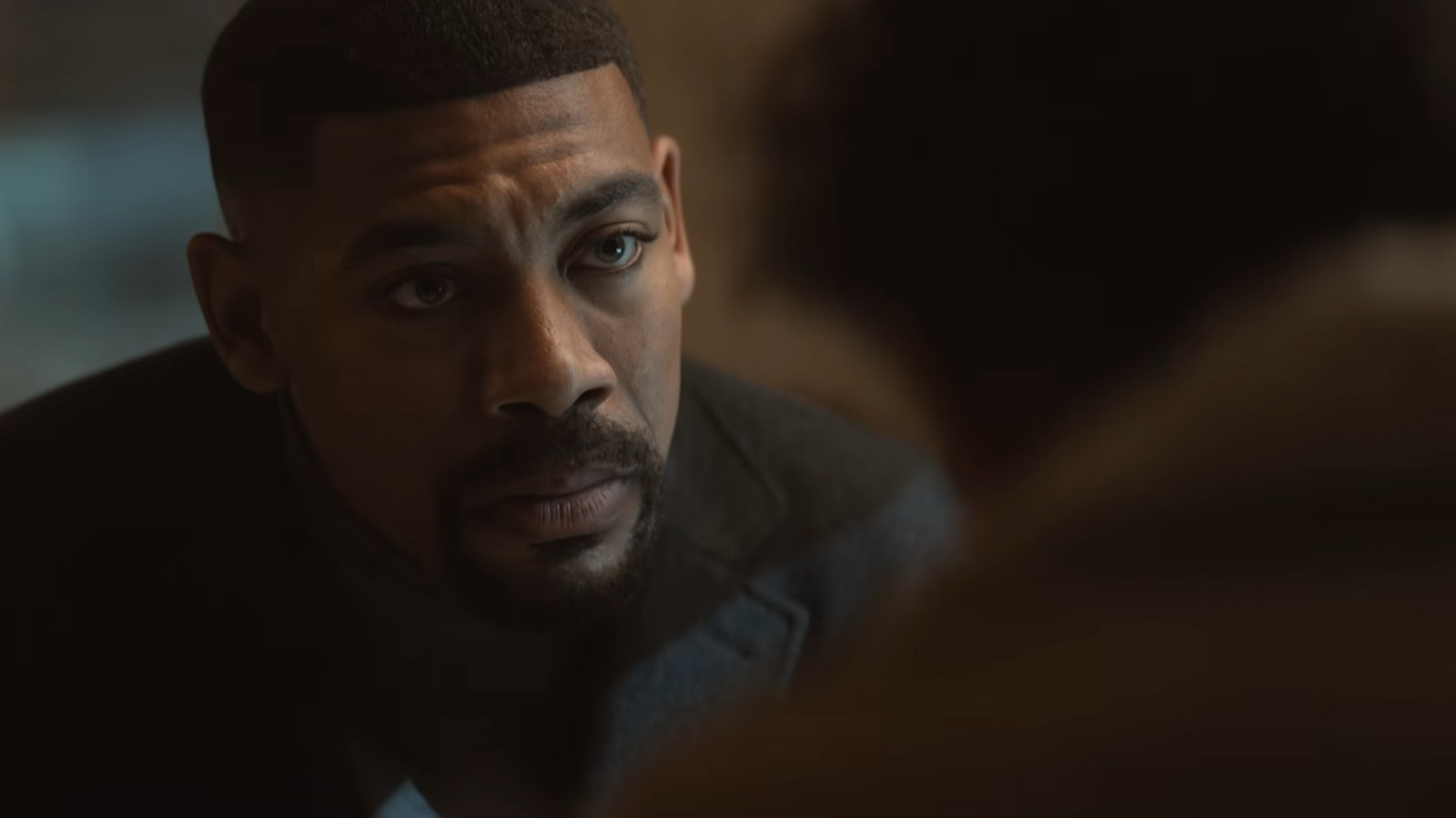
The episode’s opening sequence reintroduces Aaron Pierre as a goatee-sporting John Stewart, navigating a world altered by a catastrophic event a decade prior. The event saw the small town of Rushville decimated, leaving scores of innocent civilians injured or dead. Rather than using this destruction as fleeting background spectacle, Lanterns pivots its entire narrative architecture around accountability, guilt, and the devastating human cost of cosmic warfare.
This thematic focus stands in stark contrast to the handling of collateral damage in Zack Snyder’s Man of Steel (2013) and the broader DC Extended Universe (DCEU). By forcing its heroes to confront the dead bodies, ruined infrastructure, and broken lives left in their wake, Lanterns actively corrects a foundational misstep that plagued previous iterations of live-action DC adaptations.
Chronology: From Rushville’s Fall to the 2026 Reckoning
To understand the emotional gravity of "Bad Optics," one must trace the timeline of destruction established across the series:
- The 2016 Tragedy: A decade before the present-day events of the series, Rushville becomes a war zone. Cosmic forces clash, leaving the town flattened. Innocent lives are lost, and children—such as a nine-year-old local waitress named Maggie—are left permanently scarred, both physically and psychologically. John Stewart offers a hollow, paralyzed apology amidst the ash.
- The Intervening Years: The trauma hardens John Stewart. He redirects his life and career toward preventative measures, heavily focusing on building structural panic shelters capable of protecting entire cities from sudden extraterrestrial assaults. Meanwhile, Hal Jordan carries a crushing, unyielding weight of guilt over his failure to stop the villainous Zoe (Poorna Jagannathan).
- The Boiling Point (Episode 5): The sins of the past catch up to the present. Zoe and Paul Ben-Victor’s extraterrestrial avenger, Antaan, unleash hell once more upon Rushville. More civilians are caught in the crossfire, proving that Hal’s reckless ring usage has gone unchecked for too long.
- The 2026 Present (Episode 6): Following Hal’s death, John returns to the scene of the crime. He encounters a grown-up Maggie, now holding him accountable and blackmailing the former Green Lantern for financial "reparations." Memorial walls, Guy Gardner’s (Nathan Fillion) lingering Lantern signal, and an atmosphere of unforgiving grief define a town permanently frozen in its darkest hour.
Supporting Data: The Lindelof Touch and the Anatomy of Super-Heroic Failure
The creative fingerprint of executive producer Damon Lindelof is unmistakable throughout Lanterns. Much like his previous deconstructionist masterworks—most notably HBO’s Watchmen—the series refuses to let characters hide behind capes, rings, or moral righteousness.
In earlier episodes, the series systematically dismantled the "Chosen One" trope. In Episode 6, it targets the untouchability of the superhero archetype. Key supporting indicators of this theme include:
- The Weaponization of Regret: John Stewart’s transition from an active combatant to an architect of civic survival shelters illustrates a psychological toll rarely seen in modern comic book adaptations.
- The Human Face of Collateral Damage: By turning the unnamed background victims of 2016 into an active antagonist in 2026—via Maggie’s extortion plot—the series gives voice to the collateral damage statistics that usually vanish after the credits roll.
- The Presence of Guy Gardner: Nathan Fillion’s Guy Gardner serves as a friction point, reminding viewers that the Green Lantern Corps operates with institutional arrogance, often leaving local populations to clean up the mess.
Official Responses and Creative Intent
While direct commentary from showrunners regarding the intentional subversion of Zack Snyder’s aesthetic has been measured, the thematic lineage is undeniable. James Gunn’s oversight of the new DC Universe (DCU) has repeatedly emphasized human grounding, narrative consequences, and emotional authenticity as core differentiators from the Snyderverse era.
When Zack Snyder released Man of Steel in 2013, the leveling of Metropolis and the staggering civilian death toll drew sharp criticism from fans and critics alike. Snyder defended the creative choice at the time, arguing that depicting such monumental devastation enhanced a sense of cinematic myth and realism. However, the emotional fallout of those deaths was largely bypassed in the film’s climax, forcing the subsequent sequel, Batman v Superman: Dawn of Justice, to spend its entire runtime attempting to retroactively justify and apologize for the carnage.
Lanterns adopts the exact opposite philosophy. It operates on the premise that if gods and cosmic cops battle in densely populated areas, the people living there will neither forget nor forgive. The creators are leaning into the messiness of superhero accountability, signaling to audiences that the new DC Universe takes civilian casualties seriously.
Implications for the New DC Universe
The narrative choices made in "Bad Optics" carry significant weight for the trajectory of the broader DCU being built under James Gunn and Peter Safran.
- A Shift in Tone: By anchoring cosmic stakes to localized, grounded trauma, Lanterns proves that television within the DCU can tackle heavy, mature themes without relying on cynical grimdark aesthetics. It offers consequences instead of nihilism.
- Character Vulnerability: Neither John Stewart nor the late Hal Jordan are portrayed as infallible protectors. Their mistakes have permanent scars, raising the stakes for whatever cosmic threats loom in the final two episodes of the season.
- Building Trust with Audiences: For viewers fatigued by decades of CGI-heavy third-act destructions where cities crumble with zero emotional resonance, Lanterns provides a cathartic corrective.
As Lanterns races toward its season finale, the bar has been set high. It is no longer just a detective story about alien threats; it is a profound exploration of whether heroes can ever truly pay back the debts they rack up in the sky. It is up to the final two episodes to make those lessons stick and solidify this new cinematic era on unshakeable ground.
