
Pedal to the Metal: How the Cast of ‘Matchbox’ Revived High-Octane Practical Action
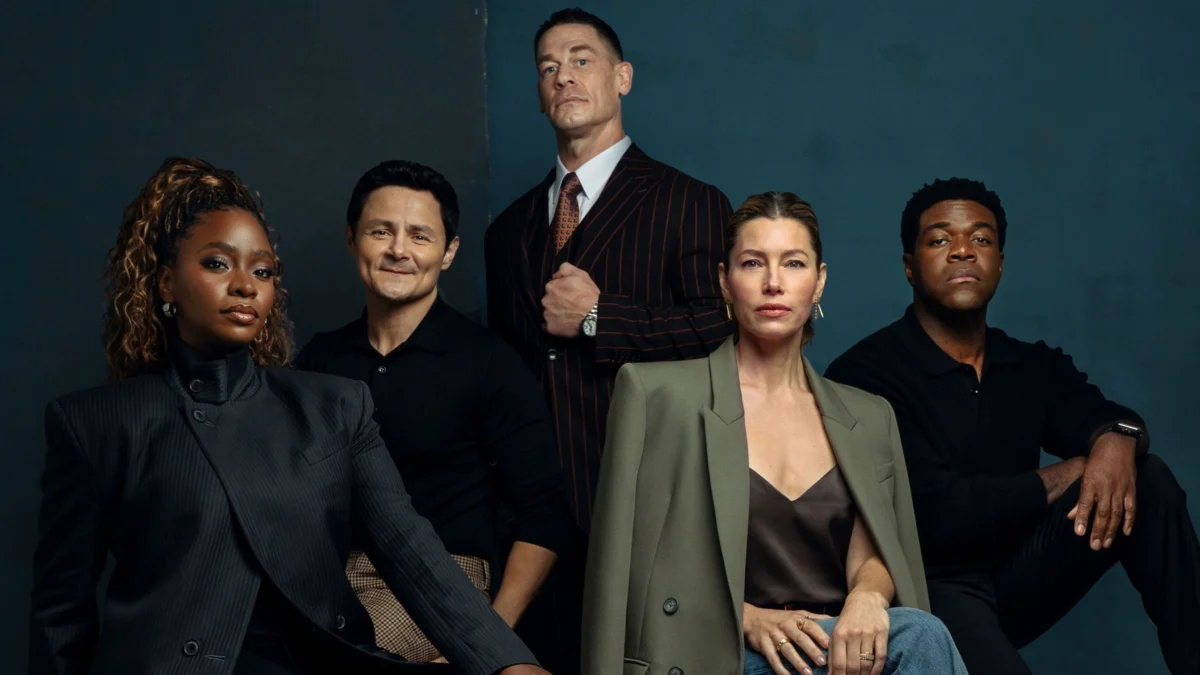
In the rapidly evolving landscape of 2026 cinema, where the lines between reality and digital artifice often blur, the upcoming Apple TV feature Matchbox: The Movie stands as a defiant throwback to a more visceral era of filmmaking. Based on the iconic Mattel toy line, the film tells the story of five childhood friends who find themselves thrust into an international criminal conspiracy. While the premise may sound like a standard studio tentpole, the production process tells a different story—one defined by physical endurance, genuine camaraderie, and a commitment to practical stunts that haven’t been seen in years.
At a recent promotional event held at the Waldorf Astoria in New York, the film’s ensemble cast—John Cena, Jessica Biel, Sam Richardson, Arturo Castro, and Teyonah Parris—sat down to discuss the grueling, exhilarating, and occasionally terrifying journey of bringing the beloved toy brand to life on the silver screen.
The Core Concept: Childhood Nostalgia Meets Modern Action
At its heart, Matchbox is an ensemble piece that leans heavily into the "average-person-in-extraordinary-circumstances" trope. It is a cinematic love letter to the action films of the 1980s and 90s, where high stakes were grounded by characters you could actually relate to.
John Cena, playing a seasoned CIA super-spy, admits that the project was initially met with a healthy dose of professional skepticism. "Working with a nostalgic property is cool and burdensome at the same time," Cena explained. "You want to do right by the audience’s childhood memories, but you also have to write a compelling, original film. It’s a gift and a curse. I think we cracked the code by using the cars as a conduit for a simpler time."
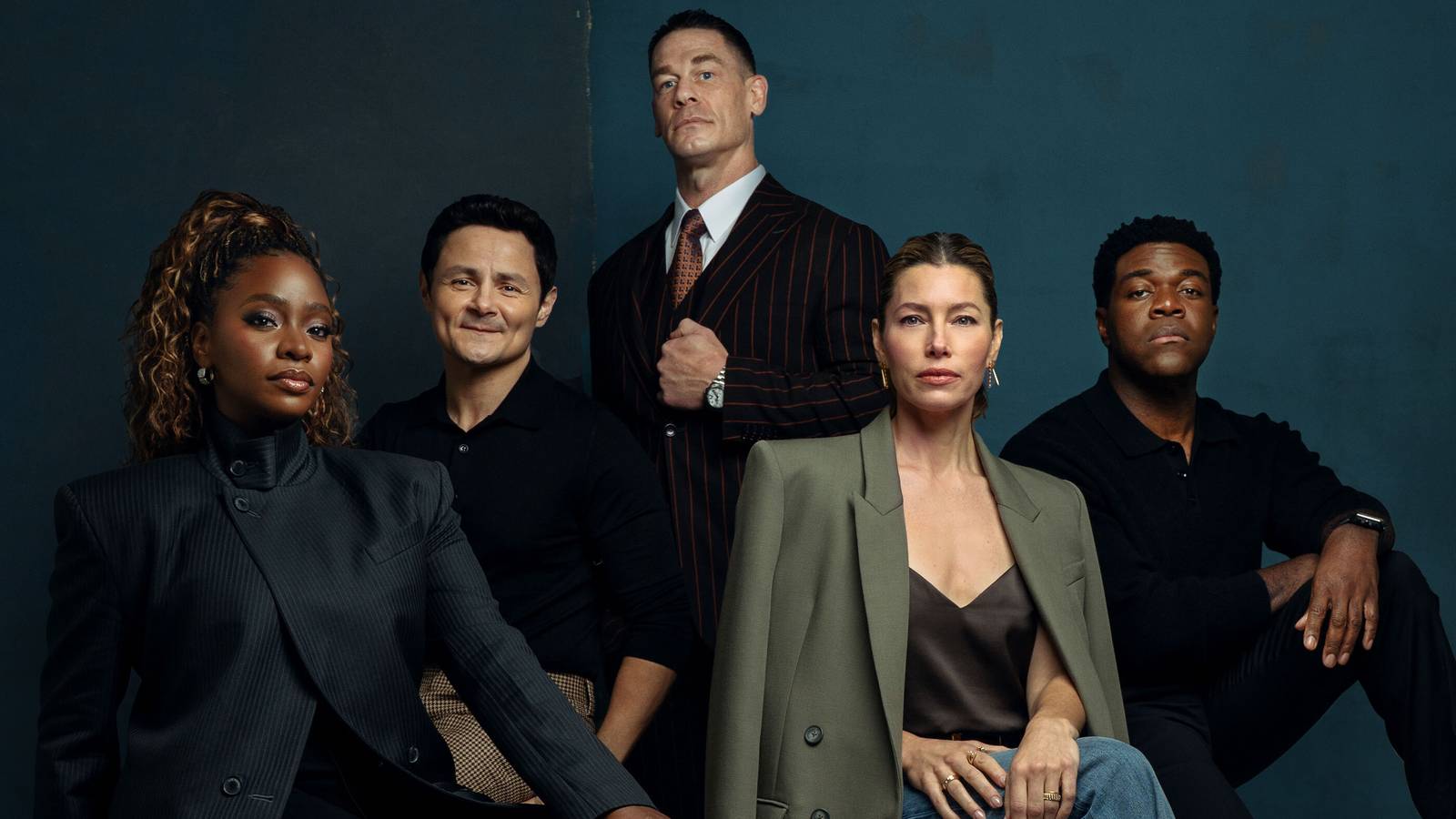
For Teyonah Parris, the film’s strength lies in its balance. "There’s a lot of action, but there is also a lot of heart," she noted. "The relationships and friendships are the driving force for every explosion and car chase. Director Sam Hargrave did a masterful job of keeping that human element at the forefront."
A Chronology of Chaos: From Rehearsals to the Sahara
The production was anything but a standard studio shoot. Spanning global locations, including the dunes of the Sahara and the bustling streets of Budapest, the 95-day filming schedule was designed to push the cast to their physical limits.
- Early Days: The cast hit the ground running with intense rehearsals. Despite the pressure, they bonded almost immediately. Sam Richardson remarked that the level of trust established in the first few days was unlike anything he had experienced in his career.
- The Sahara Sequence: The production began by utilizing the expansive landscapes of the Sahara. It was here that Cena was finally allowed to get behind the wheel, albeit in a way that left the vehicle worse for wear. "They let me beat the hell out of those Land Rovers in the desert," Cena recalled.
- The Budapest Climax: The film’s final act, shot in Hungary, saw the cast tackling the most dangerous sequences. This included the infamous "bus wheelie" incident, where a mix of physics and bad timing resulted in a vintage VW bus catching air, much to the alarm of co-star Teyonah Parris.
- The Building Jump: Perhaps the most discussed day on set was the stunt that involved jumping off a multi-story building. For Cena, this was the ultimate test of courage, as he confessed to having a recurring, lifelong phobia of falling from heights.
Supporting Data: The Art of Practical Stunts
In an era dominated by CGI, Matchbox makes a conscious choice to rely on practical effects. This was a deliberate directive from director Sam Hargrave, a veteran of the Extraction franchise. The data on the production’s commitment to "real-world" physics is staggering:
- The Fire Effect: Both Sam Richardson and Arturo Castro were required to undergo "burn" sequences. Unlike the typical digital overlays seen in modern blockbusters, the actors were encased in protective gear and gels, allowing them to remain on camera as the flames flickered.
- The Driving Reality: While most car-centric films rely on professional stunt drivers for the duration of the shoot, Hargrave encouraged the actors to drive whenever it was deemed safe. Jessica Biel, in particular, was lauded by the crew for her ease behind the wheel, managing everything from ambulances to vintage Mustangs amidst a complex choreography of camera rigs and big rigs.
- The Physical Toll: The cast reported a high level of physical exhaustion, exacerbated by the requirement to perform in extreme weather conditions. Biel specifically noted the difficulty of performing high-action sequences in a "very small, very cold dress" while the rest of the cast was bundled in layers.
Official Responses: The Cast on Their Craft
The chemistry between the leads appears to be the film’s secret weapon. Arturo Castro, known for his roles in Narcos and Broad City, emphasized that the ensemble nature of the film was authentic. "Sometimes you hear that something is an ensemble comedy and it’s really not," Castro said. "But this was a true ensemble. Everybody had their moment in the sun. It’s the first movie of its kind that I’ve been a part of where everybody’s story mattered equally."

Jessica Biel, who is returning to the action genre after a nine-year hiatus, expressed how refreshing the experience was. "I just like being physical in that way," Biel said. "It keeps it fresh. It keeps it active in my mind. When you’re not just doing dialogue, but checking your capabilities, it makes the work feel tangible again."
The humor, however, remains the glue holding the group together. When discussing the "fire" stunt, Sam Richardson joked about his desire to stay in the flames longer for comedic timing, a suggestion that the stunt team quickly overruled. Cena’s own reluctance to repeat his building jump became a running gag on set, with his co-stars teasing him about his vocal protests during the take.
Implications for the Future of Action Cinema
The release of Matchbox carries significant implications for the industry. If the film succeeds, it may signal a shift in studio strategy, suggesting that audiences are tiring of "grim and gritty" action standards and are hungry for the return of colorful, lighthearted, yet physically grounded spectacles.
The "IP problem"—the criticism that films based on brands lack soul—is something the Matchbox team was acutely aware of. By focusing on the emotional resonance of the toys rather than just using them as background props, the film attempts to bridge the gap between commercial product and genuine storytelling.
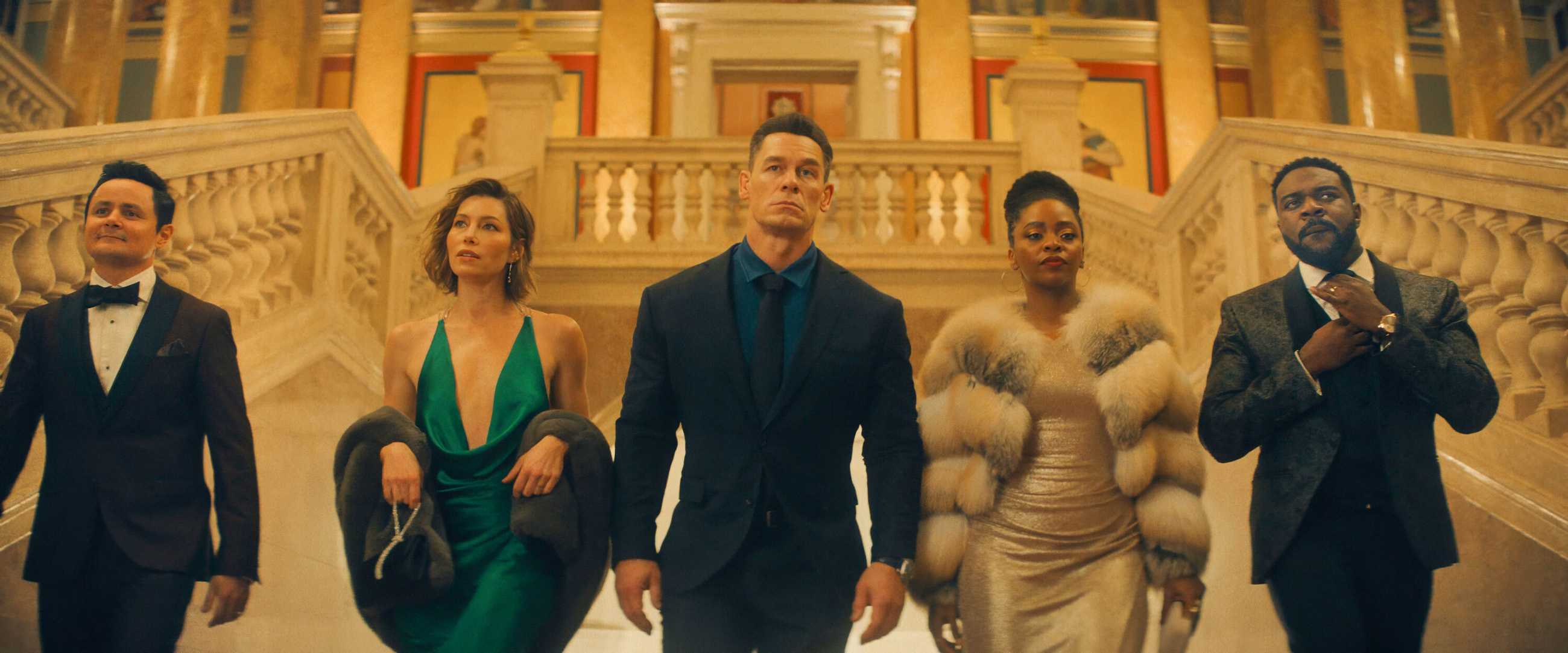
As Cena pointed out, the current global uncertainty makes audiences crave "solid answers" and "a simpler time." Whether Matchbox successfully provides that comfort will be determined when the film hits Apple TV. For now, the cast remains optimistic. They have endured the cold, the fire, and the heights, and they have emerged not just as coworkers, but as a unit that genuinely believes in the project they’ve built.
"Watch the movie," Cena quipped in his closing remarks at the Waldorf. "Don’t make us cynical."
If the commitment shown by the cast during this production is any indication, Matchbox may just provide the high-octane, nostalgic, and heart-filled experience that modern audiences are looking for. As the film prepares for its global rollout, the legacy of these toy cars seems set to be rewritten—not in plastic, but in steel, fire, and the sheer audacity of a cast that was willing to do it for real.
