
The Return of the Borderlands: Inside the Resurrection of the Sicario Franchise and the Global Boom of Gritty Crime Thrillers
By News Desk
Published October 22, 2026
Main Facts: The Long-Awaited Return of Sicario 3
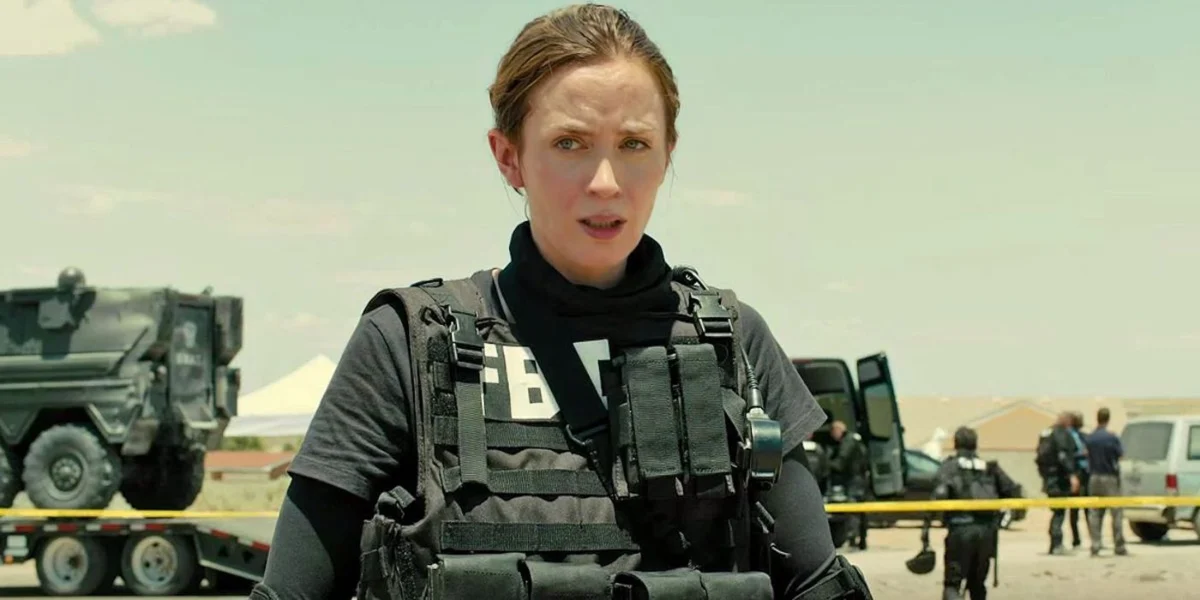
Nearly a decade after Denis Villeneuve’s gritty, morally complex masterpiece Sicario first redefined the modern action-thriller, Lionsgate has officially confirmed that a third installment is moving forward. Sicario 3 is slated to enter full production in 2027, bringing back the core trio that anchored the original films: Emily Blunt as the disillusioned FBI agent Kate Macer, Benicio del Toro as the enigmatic and lethal Alejandro Gillick, and Josh Brolin as the swaggering, ruthless CIA operative Matt Graver.
While neither the 2015 original nor its 2018 sequel, Sicario: Day of the Soldado, managed to cross the coveted $100 million threshold at the domestic box office—collecting over $170 million combined worldwide—their enduring profitability has kept the property alive. The franchise found its true second wind in the post-theatrical and PVOD (Premium Video-on-Demand) markets, where audiences have continuously revisited the grim borderlands of the American Southwest and Mexico.
The upcoming sequel will undergo a notable creative overhaul behind the scenes. Original writer Taylor Sheridan and directors Denis Villeneuve and Stefano Sollima will not be returning. Instead, the director’s chair will be occupied by Padraic McKinley, who recently made a splash with his feature directorial debut, the Western drama The Weight. Writing duties have been handed to prolific screenwriter Steven Knight, who is concurrently collaborating with Villeneuve on the heavily anticipated James Bond franchise reboot.
Chronology: A Decade of Escalation on Screen and Streaming
To understand how Sicario 3 secured its greenlight, one must trace the evolution of gritty crime dramas over the past decade, both on the silver screen and through the streaming boom.
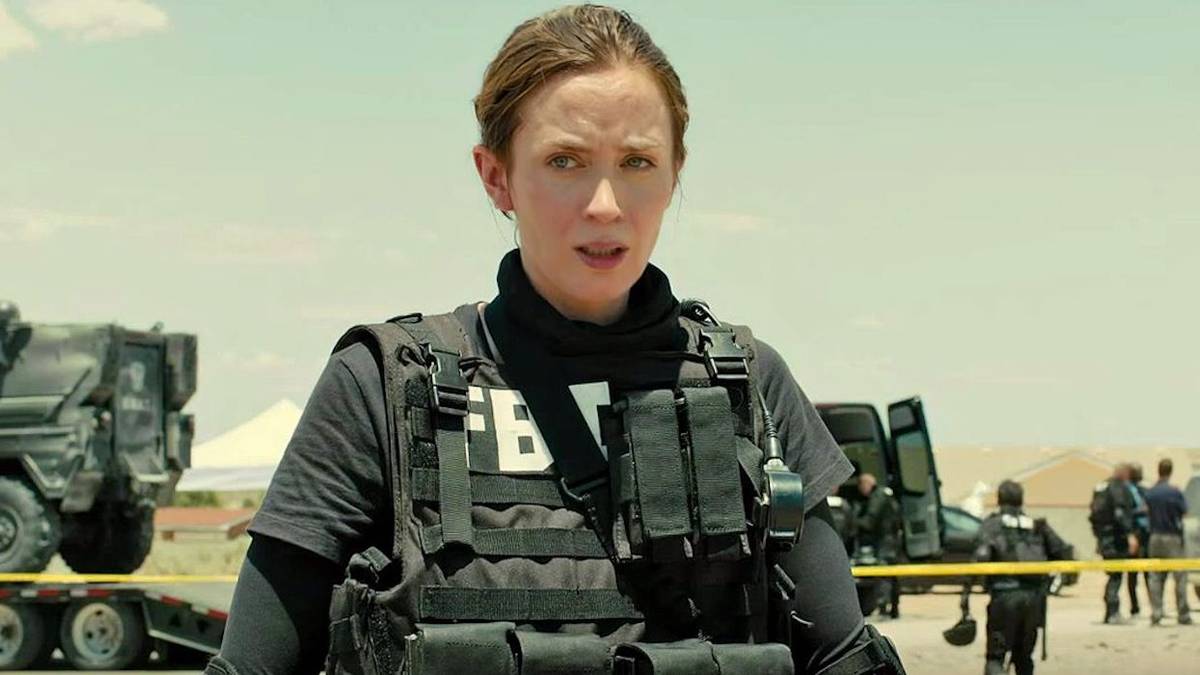
- September 2015: Denis Villeneuve releases Sicario, starring Emily Blunt, Benicio del Toro, and Josh Brolin. Distributed by Lionsgate, the film receives critical acclaim for Roger Deakins’ cinematography, Jóhann Jóhannsson’s haunting score, and its unflinching look at the war on drugs. It grosses approximately $85 million worldwide.
- June 2018: Stefano Sollima takes over directing duties for Sicario: Day of the Soldado. While lacking Emily Blunt’s character, the sequel doubles down on the geopolitical fallout and espionage of the border, pulling in roughly $75 million globally and cementing the franchise’s staying power on home video and digital rentals.
- 2018–2025: Throughout the streaming era, the crime thriller genre steadily dominates global viewership data. Audiences consistently lean toward dark, grounded narratives exploring cartel operations, law enforcement corruption, and cross-border operations.
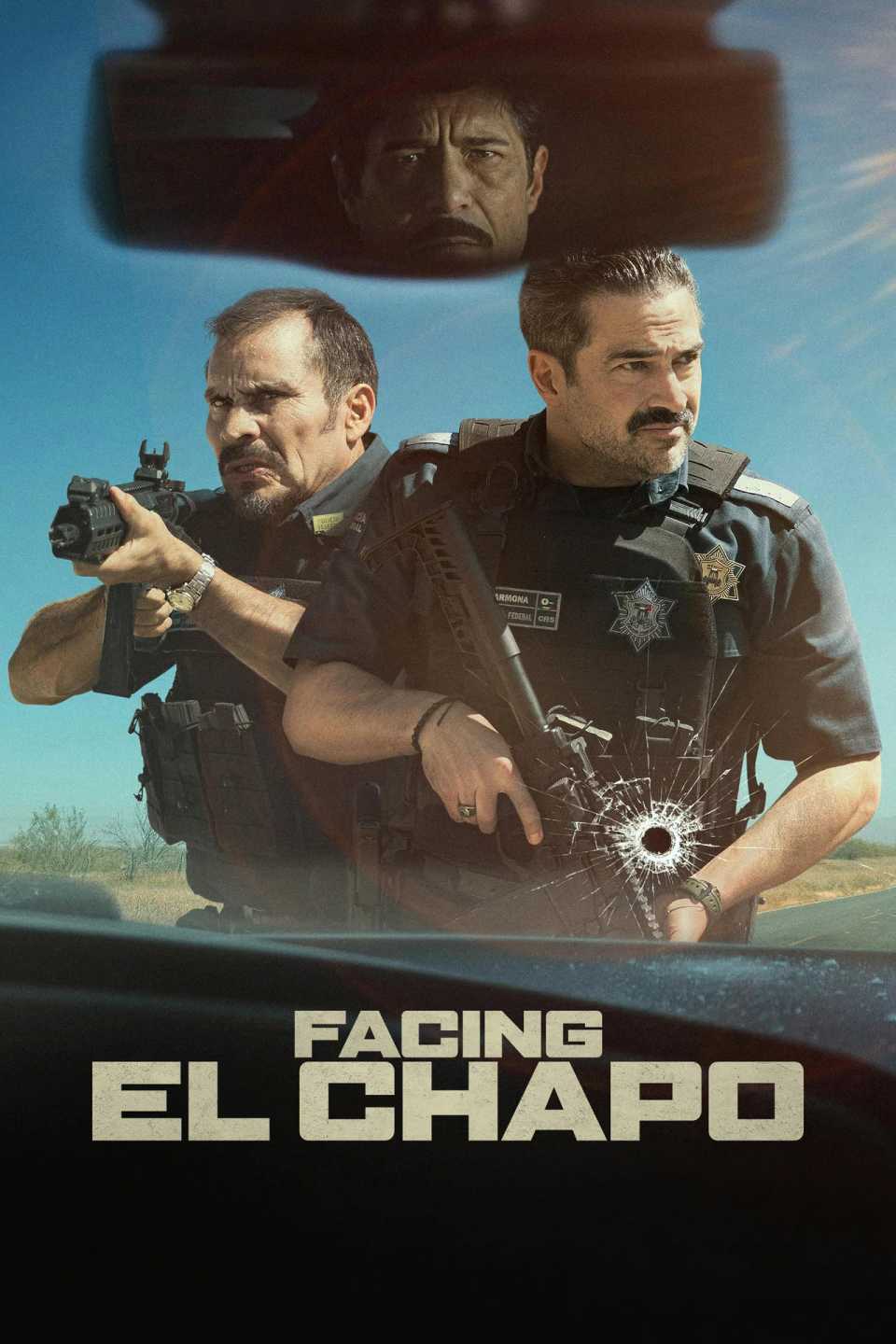
- August 2026: Netflix premieres Facing El Chapo, a Mexican-produced crime thriller directed by Chava Cartas and written by Bernardo Esquinca. Based on the true story of two police officers who inadvertently pull over Joaquín Archivaldo Guzmán Loera (El Chapo) during a routine traffic stop, the 91-minute feature becomes an unexpected international juggernaut.
- October 2026: Lionsgate confirms that Sicario 3 is officially moving forward with McKinley directing, Knight writing, and the original lead trio returning, setting a production window for 2027.
Supporting Data: The Global Appetite for Cartel Thrillers
The greenlighting of Sicario 3 is not a isolated gamble; it is backed by mountains of data proving that international crime dramas represent one of the most lucrative segments of modern entertainment.
While theatrical box office receipts for the first two films were modest—$85 million and $75 million respectively—PVOD analytics show that viewers treat the Sicario films as evergreen catalog titles. This long-tail consumption mirrors a broader global trend currently sweeping major streaming platforms.
For instance, Netflix’s international viewership data reveals an insatiable appetite for Spanish-language crime thrillers set against Mexican badlands. Netflix’s biggest international release of the prior year, Counterstrike, amassed a staggering 69 million views, lingering in the platform’s global top-10 list for 12 consecutive weeks.
Hot on its heels is Facing El Chapo. Since its release on August 21, 2026, the 91-minute thriller has accumulated 58 million views. It currently stands as the second-biggest Mexican title in Netflix history, adding 1.3 million views during its ninth consecutive week in the global top-10. Industry analysts note that Facing El Chapo needs only roughly 4 million additional views to crack Netflix’s all-time top-10 list for non-English language films—a threshold currently closed out by the German-language thriller Brick.
This massive, data-backed demand for high-stakes cartel narratives has given studio executives the financial confidence to greenlight expensive, R-rated cinematic continuations like Sicario 3.

Official Responses and Creative Shifts
The transition of creative leadership for Sicario 3 has sparked intense discussion among cinephiles. Taylor Sheridan, whose signature cynical worldview and hyper-masculine dialogue defined the tone of the first two films, has stepped away due to scheduling conflicts and other commitments, most notably his expansive television empire with Paramount. Similarly, Denis Villeneuve—whose visionary direction transformed the original screenplay into a tense, atmospheric masterpiece—is currently occupied with massive sci-fi endeavors.
However, the choice of replacements has injected cautious optimism into the fan community. Padraic McKinley enters the franchise following the critical success of his atmospheric Western drama The Weight. Industry insiders have noted that McKinley shares a similar reverence for sparse, tension-driven storytelling and stark landscapes—essential ingredients for the Sicario aesthetic.
Furthermore, bringing on Steven Knight provides the project with elite screenwriting pedigree. Knight, celebrated for creating Peaky Blinders and writing critically acclaimed dramas like Eastern Promises and Locke, is known for crafting complex criminal underworlds and morally compromised protagonists. His concurrent involvement with Denis Villeneuve on the upcoming James Bond reboot suggests a burgeoning creative partnership that could breathe fresh life into the espionage and cartel elements of Sicario 3.
Implications: What Sicario 3 Means for Hollywood and the Crime Genre
The revival of the Sicario franchise carries several profound implications for the film industry at large:
1. The Death of the Mid-Budget Theatrical Drama is Exaggerated
While Hollywood has increasingly pivoted toward multi-billion-dollar superhero IP and high-concept event cinema, the longevity of properties like Sicario proves that there is a healthy, sustainable ecosystem for mid-budget, gritty, adult-oriented thrillers. By leveraging strong home-entertainment metrics alongside theatrical footprints, studios are finding new ways to pencil out R-rated dramas.
2. The Globalization of Streaming Content Informs Hollywood Greenlights
Hollywood executives no longer look solely at domestic box office returns to gauge interest. The runaway success of Netflix titles like Counterstrike and Facing El Chapo—amassing tens of millions of views globally—signals to legacy studios that audiences worldwide are actively hungry for stories dealing with cartel wars, law enforcement corruption, and border politics. Sicario 3 directly capitalizes on this globally validated market segment.
3. Star Power Still Moves the Needle
Despite shifting directors and writers, the non-negotiable anchor for Sicario 3 was the reunion of Emily Blunt, Benicio del Toro, and Josh Brolin. Their dynamic—representing institutional idealism, raw vengeance, and pragmatic amorality, respectively—forms the ideological trinity of the franchise. Their return proves that audiences remain deeply invested in seeing established characters navigate evolving, high-stakes geopolitical landscapes.
As production gears up for 2027, all eyes will be on McKinley and Knight to see if they can maintain the brutal, uncompromising tension that made the original film a modern classic, while pushing the franchise into a lucrative new era.
