
Netflix’s The Body: Quinn Shephard Weaves Catholic Guilt, Mass Hysteria, and Teenage Rage into a Dark New Thriller
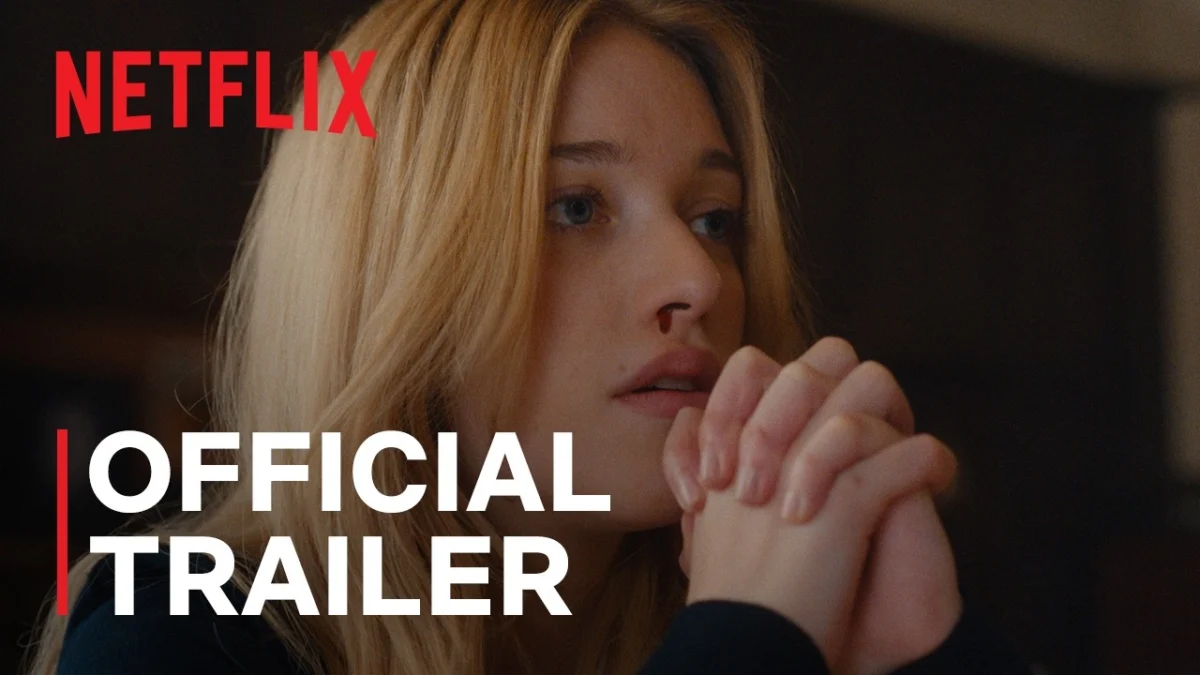
LOS ANGELES — Streaming giant Netflix has officially unveiled the official trailer for The Body, a chilling upcoming series that promises to dissect the volatile intersections of adolescence, religious fervor, and societal paranoia. Spearheaded by creator, showrunner, and director Quinn Shephard—whose previous work includes the psychological high-school drama Blame and the razor-sharp influencer satire Not Okay—the series arrives with a literary and cinematic pedigree that has immediately captured the attention of horror aficionados and prestige television critics alike.
At its core, The Body investigates a timeless and unsettling cultural motif: the systemic policing, misunderstanding, and ultimate demonization of young women. Featuring an ensemble cast led by Kristina Bogic, Sara Boustany, and Geena Meszaros, alongside Sofia Wylie, Gabby Windey, and Nnamdi Asomugha, the series is executive produced by acclaimed actress and filmmaker Riley Keough. With its premiere scheduled for November 11 exclusively on Netflix, The Body is poised to become one of the fall television season’s most provocative and talked-about releases.
Main Facts
The Premise: Hazing, Visions, and Witch Trials
The narrative engine of The Body ignites at a traditional Catholic high school, where an elite dance team’s clandestine initiation ritual goes catastrophically awry. In the wake of the incident, several members of the team begin experiencing intense, terrifying episodes that appear to be prophetic visions. As these manifestations multiply, the surrounding tight-knit community rapidly descends into a state of acute mass hysteria.
The central thematic tension of the series pivots on a knife-edge ambiguity: Are these young women genuinely afflicted by a supernatural malevolence, or are they simply grappling with the psychological fallout of trauma while the adult establishment manufactures a narrative to control what it cannot comprehend? By injecting Catholic guilt, repressed adolescent desire, and institutional hazing into a powder keg of small-town conservatism, The Body sets up a modern-day witch hunt where the devil is invoked simply because it is easier than acknowledging the agency of teenage girls.
Creative Leadership and Ensemble Cast
Quinn Shephard takes the helm as creator, showrunner, and director of the series premiere, cementing her reputation as an auteur deeply fascinated by the toxic ecosystems of youth culture, social isolation, and female dynamics.
The ensemble cast features a diverse blend of rising talent and established names:
- Kristina Bogic, Sara Boustany, and Geena Meszaros anchor the narrative as part of the core student ensemble.
- Sofia Wylie brings her formidable screen presence following her breakout roles in high-profile television projects.
- Gabby Windey transitions into narrative scripted work, adding further intrigue to the casting roster.
- Nnamdi Asomugha contributes dramatic weight as part of the adult authority figures navigating the crisis.
- Behind the scenes, Riley Keough lends her creative vision as an executive producer, continuing her streak of championing edgy, female-driven genre projects.
Chronology
The Evolution of The Body’s Cinematic DNA
To understand the trajectory of The Body, one must examine the rich tapestry of cinematic and historical influences cited by Quinn Shephard during pre-production and promotional rollouts. The series did not emerge in a vacuum; rather, it is the culmination of decades of storytelling traditions centered around female rage, societal fear, and bodily autonomy.
- The Historical Precedent (1692): Long before celluloid, the Salem witch trials established the blueprint for institutional panic when communities faced social or economic stress. Shephard has explicitly pointed to this dark chapter of American history as a foundational structural influence for how the town in The Body reacts to the dance team’s actions.
- The Literary Milestone (1974): Stephen King’s debut novel, Carrie, fundamentally altered the landscape of horror by fusing the supernatural anxieties of a telekinetic teenager with the agonizing, mundane realities of high school bullying, religious fundamentalism, and repressed sexuality.
- The Cinematic Counter-Culture (1994): Peter Jackson’s Heavenly Creatures introduced audiences to the terrifying intensity of intense adolescent female friendships—bonds so absolute they slip past the boundary of reality into tragedy.
- The Satirical Shift (2004): While Mean Girls is ostensibly a comedy, its dissection of high-school social hierarchies as literal warfare provides the behavioral framework for how Shephard’s characters navigate power dynamics.
- The Gen-Genre Masterpiece (2009): Diablo Cody and Karyn Kusama’s Jennifer’s Body weaponized the trope of the high-school girl possessed by dark forces, serving as a direct spiritual ancestor to Netflix’s upcoming series.
Production and Promotional Timeline
- Development Phase: Quinn Shephard conceptualized the series following the critical success of her sophomore feature Not Okay, channeling her interest in institutional critique into long-form television.
- Casting and Principal Photography: Production quietly assembled a multi-generational cast, balancing the fresh energy of relative newcomers with the seasoned gravity of actors like Nnamdi Asomugha and the backing of executive producer Riley Keough.
- Trailer Drop and Marketing Launch: Netflix released the official promotional trailer in late autumn, instantly igniting online discourse by highlighting the explicit literary and cinematic inspirations behind the show.
- Premiere Date: The Body is scheduled to debut globally on Netflix on November 11.
Supporting Data
The Creative Inspirations Behind the Series
Showrunner Quinn Shephard’s explicitly stated reading and viewing list for The Body provides deep insight into the narrative texture of the show. The following matrix illustrates how these influences manifest within the thematic structure of the series:

| Influence | Medium | Core Theme Borrowed | Application in The Body |
|---|---|---|---|
| The Salem Witch Trials | Historical Event | Mass hysteria, scapegoating | The town’s rapid descent into panic and moral policing. |
| Carrie | Novel / Film | Religious repression, telekinesis | The collision of Catholic guilt and inexplicable phenomena. |
| Heavenly Creatures | Film | Intense female bonds, isolation | The impenetrable social ecosystem of the Catholic school dance team. |
| Mean Girls | Film | High-school social warfare | The brutal, unspoken hierarchies governing teenage interactions. |
| Jennifer’s Body | Film | Bodily autonomy, demonic possession | The subversion of the "damsel in distress" trope into something feral. |
Demographic and Platform Metrics
- Platform: Netflix (Global streaming distribution).
- Release Date: November 11.
- Target Audience: Fans of psychological thrillers, prestige horror, and coming-of-age dramas with dark, satirical, or supernatural undercurrents.
- Genre Classification: Psychological Horror, Mystery, Teen Drama.
Official Responses
Creative Intentions and Industry Reception
While traditional press conferences and comprehensive junket interviews remain under embargo ahead of the November 11 premiere, Quinn Shephard’s early promotional disclosures have provided a clear window into the ideological framework of The Body.
Speaking on the conceptual genesis of the series, Shephard emphasized that the horror of the narrative is not necessarily derived from whatever force or psychological break occurs within the school, but rather from the external reaction of the adult world. In statements accompanying the trailer release, the showrunner noted that the project is fundamentally an exploration of how society pathologizes female adolescence—transforming normal expressions of autonomy, grief, and rebellion into pathologies that require containment or punishment.
Industry insiders and horror critics have similarly responded to the trailer with palpable enthusiasm. The combination of Shephard’s track record for sharp social critique, Keough’s involvement as an executive producer with an eye for elevated genre fare, and a diverse ensemble cast has positioned The Body as a dark-horse contender for one of Netflix’s defining prestige television events of the fourth quarter. Early social media reactions to the trailer have particularly praised the atmospheric cinematography, the claustrophobic Catholic school setting, and the uncompromising depiction of teenage fury.
Implications
What The Body Says About Modern Prestige Horror
The release of The Body arrives at a fascinating cultural juncture for the horror genre. Over the past decade, "elevated horror" has increasingly leaned into allegorical storytelling, using supernatural or thriller premises to examine real-world societal traumas—particularly those concerning gender, power, and institutional corruption.
By deliberately invoking the legacy of Carrie and Jennifer’s Body, Shephard signals that her series is part of a proud lineage of feminist genre work that refuses to sanitize the messy, destructive, and often terrifying realities of growing up as a young woman in a patriarchal society. When adolescent girls possess secrets, power, or desires that adults cannot categorize, history shows that society’s default mechanism is often panic.
Streaming Landscape and Cultural Impact
For Netflix, The Body represents a strategic investment in auteur-driven television that appeals simultaneously to younger demographics raised on internet-era discourse and older audiences appreciative of classic psychological thrillers. By anchoring the supernatural elements in the very real, grinding pressures of Catholic guilt and institutional hazing, the series avoids cheap jump scares in favor of a slow-burn atmospheric dread.
As viewers tune in on November 11, the ultimate question posed by The Body—whether a dark force truly breached the walls of a Catholic high school or if the adults simply invented a monster because it was easier than listening to their daughters—will undoubtedly spark intense debate across social media, fan forums, and critical essays. In doing so, The Body proves that the most enduring monsters are often the ones we create in our own minds.
