
The Unicorn That Won’t Stop Singing: Inside the Phenomenon of ‘Buddy: The Sing-Along Version’
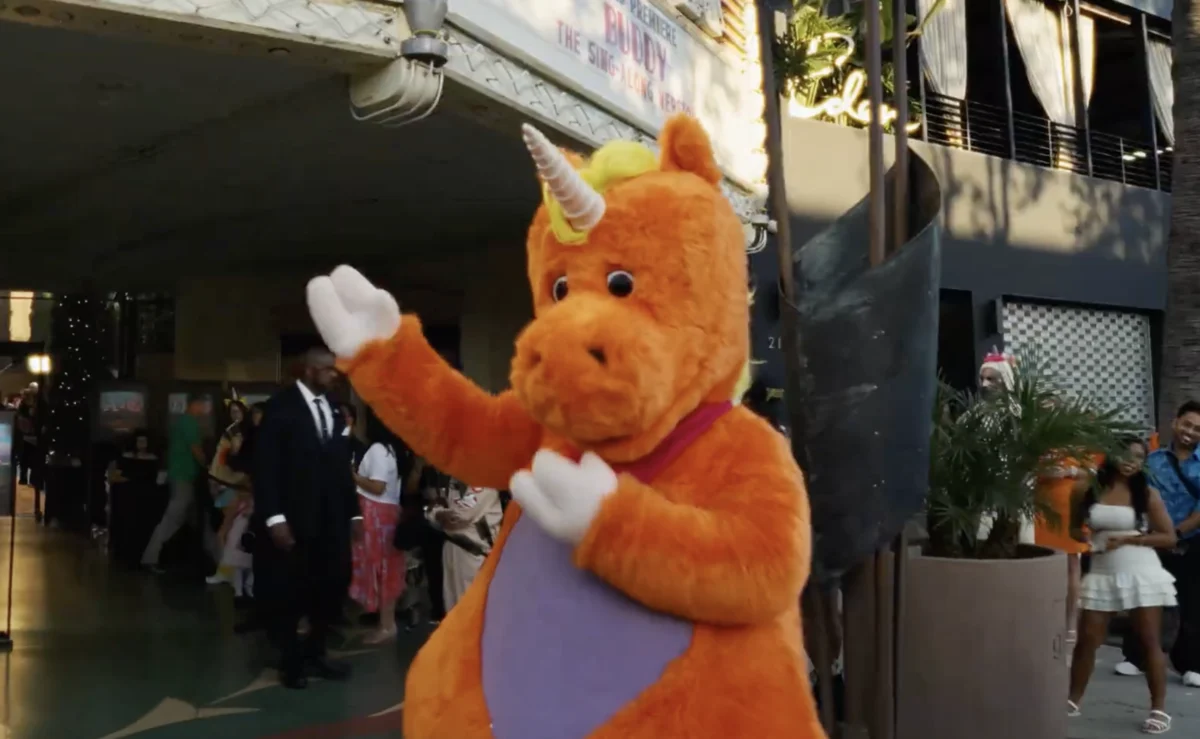
For decades, the concept of a "sing-along" theatrical release has been reserved for family-friendly musicals—think The Sound of Music or Disney’s The Little Mermaid. But this Friday, October 2, cinema-goers will be invited to participate in a choral event that is decidedly more sinister. Buddy: The Sing-Along Version, a special re-release of this fall’s breakout R-rated horror sensation, is hitting theaters nationwide, daring audiences to belt out lyrics alongside a malevolent orange unicorn whose cheerfulness masks a deeply unsettling reality.
Directed by Casper Kelly and co-written with Jamie King, Buddy has become a cultural juggernaut, proving that even in a saturated market, audiences are hungry for high-concept, genre-bending horror. As the film prepares for its interactive expansion, we take a deep dive into the production, the record-breaking box office run, and the terrifying allure of the world’s most dangerous children’s show host.
The Premise: When the Smile Cracks
At the heart of the film lies It’s Buddy!, a vibrant, pastel-soaked children’s television program where the titular orange unicorn serves as a beacon of joy. The production aesthetic is intentionally reminiscent of mid-century educational programs, complete with oversized sets, catchy melodies, and a cast of wide-eyed children.
However, the film’s narrative engine begins to churn when one child in the ensemble refuses to participate in the mandatory merriment. As the young cast attempts to maintain the status quo of dancing and singing, the facade begins to splinter. The brilliance of Kelly’s direction lies in the juxtaposition: the brighter the lighting and the louder the music, the more suffocating the tension becomes.
"It’s about the performative nature of happiness," says one industry analyst. "When you force children—or adults—to sing in unison, you aren’t creating community; you’re creating a cage. That is exactly where Buddy thrives."
A Record-Breaking Run: By the Numbers
The success of Buddy is not merely anecdotal; it is statistically staggering. According to official reports from Roadside Attractions and Saban Films, the R-rated horror film has grossed over $25 million in its first five weeks of release.

Critical Milestones
- Saban Films’ Zenith: Buddy has officially secured the title of Saban’s highest-grossing release to date, signaling a shift in the studio’s portfolio toward prestige-adjacent horror.
- Roadside’s Top Tier: The film currently sits as the third-highest-grossing release for Roadside Attractions, trailing only the faith-based phenomenon I Can Only Imagine and the Academy Award-winning Manchester by the Sea.
- The Gala Sell-Out: The "Biggest Night Out" Gala Premiere held at the historic Alex Theatre in Glendale on September 29 served as a litmus test for the film’s fervor. Tickets for the event were entirely depleted within three hours of being listed on social media, underscoring a level of fan engagement rarely seen in the horror genre.
The Sing-Along: A Dark Invitation
The upcoming release of Buddy: The Sing-Along Version is more than just a marketing gimmick; it is an exercise in immersion. With on-screen lyrics for tracks like "It’s Buddy!," "You’ve Got to Be Scared to Be Brave," and the hauntingly ominous "The Wrong Place in Town," the studio is encouraging fans to engage with the film’s "cult" elements.
The producers have openly encouraged fans to dress up as their favorite characters—or as "Buddy" himself—for these screenings. By transforming the theater into a participant-driven environment, the film aims to mirror the very "forced participation" that makes the movie’s antagonist so terrifying. It is a meta-commentary on the horror of conformity: the audience is essentially becoming part of the television show they are watching.
The Powerhouse Cast
The film’s success is anchored by a stellar ensemble cast capable of balancing the absurdity of a children’s show with the visceral requirements of a horror film.
- Cristin Milioti: Known for her range in The Penguin and Made for Love, Milioti brings a grounded, weary desperation to the proceedings.
- Patton Oswalt: His inclusion adds a layer of dark, comedic nuance that makes the transitions into terror feel earned rather than forced.
- Michael Shannon: Shannon’s presence is perhaps the most unsettling. Known for his ability to embody intense, unpredictable characters, his role in Buddy elevates the film from a standard slasher to a psychological thriller.
- Topher Grace, Keegan-Michael Key, and Delaney Quinn: The supporting cast provides the necessary emotional stakes, grounding the "innocent" world of the TV show before the inevitable collapse.
Chronology: From Concept to Cultural Phenomenon
The journey of Buddy from a high-concept pitch to a $25 million powerhouse has been swift.
- Development Phase: Casper Kelly and Jamie King began conceptualizing the project with the intent to subvert the "creepy mascot" trope found in digital-age internet horror.
- Production: Filming took place over a compressed, high-intensity schedule, focusing on practical effects and a hyper-stylized set design to create the "uncanny valley" effect.
- The Marketing Blitz: The film’s social media campaign was revolutionary, treating the fictional show It’s Buddy! as if it were a real, beloved program that had been lost to time. This ARG (Alternate Reality Game) style of marketing drew in millions of views before the first trailer even dropped.
- The September 29 Premiere: The Glendale gala served as the final push, creating a viral moment that solidified the film’s "must-see" status.
- October 2 Expansion: The wide release of the sing-along version aims to bridge the gap between casual moviegoers and the film’s burgeoning cult following.
Implications for the Horror Genre
The success of Buddy poses an interesting question for Hollywood: Are we witnessing a permanent shift in horror?
Traditionally, horror has relied on jump scares, gore, and isolation. Buddy utilizes a different toolset: nostalgia, childhood trauma, and the aesthetic of the "wholesome." By taking the visual language of children’s programming—which is inherently designed to be comforting—and twisting it into something hostile, the filmmakers have tapped into a primal nerve.

Furthermore, the "Sing-Along" format introduces a communal aspect to horror that is rarely explored. Horror is usually a solitary or intimate experience; by inviting the audience to sing, the filmmakers are breaking the fourth wall in a way that is both entertaining and deeply uncomfortable.
Conclusion: Will You Join the Chorus?
As Buddy: The Sing-Along Version hits theaters, the industry will be watching closely. Will the interactive element sustain the film’s box office momentum, or will it alienate those who prefer their horror to remain strictly on the screen?
One thing is certain: Buddy is not going anywhere. Whether you view him as a mascot for a bygone era of television or a harbinger of modern anxieties, the orange unicorn has cemented his place in horror history. If you decide to attend a screening this weekend, take a look around the theater. You might find that the person singing next to you is enjoying it a little too much.
As the lyrics to "The Wrong Place in Town" suggest, sometimes the most dangerous thing you can do is participate. But for many, the temptation to join in the chorus—even if it leads to a dark place—is simply too strong to resist.
Buddy: The Sing-Along Version is rated R for language, disturbing content, and psychological themes. Check your local listings for showtimes.
