
Beyond the Possible: Why LAIKA’s Wildwood Sets a New Gold Standard for Stop-Motion Animation
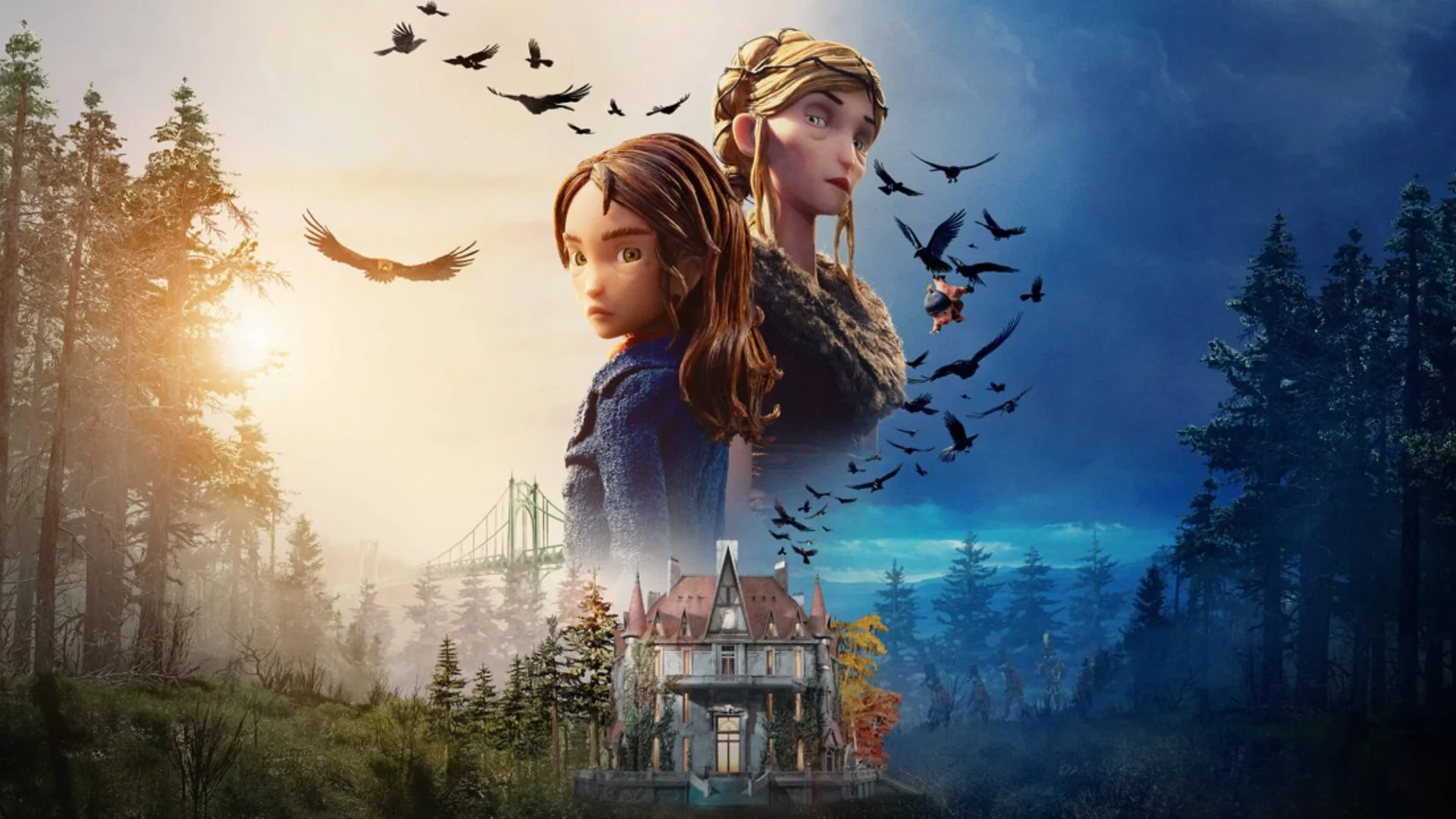
In the rapidly evolving landscape of modern cinema, where the digital sheen of CGI often threatens to erode the tactile soul of storytelling, one studio stands as a defiant bastion of craftsmanship: LAIKA. With their latest magnum opus, Wildwood, the Oregon-based animation powerhouse has not only reached a new zenith of technical prowess but has also shattered the glass ceiling of what audiences expect from the medium. Achieving a perfect 100% score on Rotten Tomatoes, Wildwood is more than just a film; it is a sprawling, unapologetically dark, and breathtakingly ambitious fantasy epic that redefines the boundaries of stop-motion.
The Narrative Core: A Journey into the Impassable Forest
The story is grounded in the familiar yet eerie streets of Portland, Oregon. We follow Prue McKeel (voiced by Peyton Elizabeth Lee), a young woman whose life is irrevocably fractured when her infant brother, Mac, is abducted by a murder of crows. This inciting incident propels Prue into the "Impassable Forest," a hidden, magical realm that lies just beyond the veil of the mundane.
Accompanied by her reluctant classmate Curtis (Jacob Tremblay), Prue’s journey becomes a classic "hero’s quest" elevated by modern sensibilities. As they traverse the forest, they encounter a landscape teeming with warring factions, sentient beasts, and complex political machinations. The narrative is bolstered by a stellar voice cast, including Carey Mulligan as the enigmatic Dowager Governess and Mahershala Ali as the formidable Bandit King. These characters provide the story with a level of emotional maturity rarely seen in animated features, ensuring that the stakes feel personal even amidst the fantastical chaos.
A Chronology of Craft: From Concept to Cinematic War
The development of Wildwood represents a multi-year marathon of patience and precision. For the uninitiated, stop-motion animation is an excruciatingly slow process; a single second of screen time can require hours of minute, frame-by-frame adjustments to physical puppets.
Under the visionary direction of Travis Knight, the team at LAIKA treated Wildwood not as a mere movie, but as a world-building exercise. The production design mimics the tactile richness of 1980s dark fantasy classics like The Dark Crystal and The Secret of NIMH. Throughout the film’s two-and-a-half-hour runtime, the audience is treated to a steady escalation of scale. What begins as a personal quest to rescue a brother evolves into a geopolitical clash within the forest, culminating in a final act that defies logic.
The climactic twenty-minute battle sequence—a sprawling, chaotic, and brutal war—stands as the most technically impressive feat in the history of stop-motion. Featuring hundreds of moving elements, dynamic lighting, and complex choreography, it captures the kinetic energy of a live-action war film, leaving viewers to wonder how human hands could possibly coordinate such a massive, fluid, and violent spectacle.
Supporting Data: The PG-13 Shift and Creative Risk
One of the most defining characteristics of Wildwood is its classification. It is LAIKA’s first PG-13-rated feature, and the studio leans into this rating with clinical precision. While Coraline and ParaNorman flirted with the macabre, Wildwood fully embraces it.
The film does not coddle its audience. It presents a world where violence has permanent, scarring consequences and where characters operate in shades of grey. By refusing to pull its punches, LAIKA elevates the stakes. When a character is placed in danger, the audience feels genuine apprehension, knowing the studio is willing to let the narrative go to dark, uncomfortable places. This creative choice serves to ground the fantasy elements; the magic is dangerous, the villains are terrifying, and the environment is as lethal as it is beautiful.
Official Responses and Industry Reception
The critical reception has been nothing short of rapturous. Critics have praised the film’s refusal to lean on digital shortcuts, noting that the "tactile quality" of the puppets provides a sense of weight and presence that CGI simply cannot replicate.
Director Travis Knight has consistently emphasized that for LAIKA, the animation is a servant to the story, not the other way around. "We don’t want to just show off what we can do," Knight has suggested in various industry forums. "We want the audience to forget they are watching puppets and start believing in the reality of the character’s struggle."
The industry’s response has been one of awe. Peers in the animation field have noted that Wildwood effectively "raised the bar," making it difficult for other studios to rely on traditional, safer tropes. By prioritizing physical artistry, LAIKA has positioned itself as the preeminent guardian of the "old school" craft, updated with the latest in motion-control technology and 3D printing.
Implications: The Future of Handcrafted Cinema
The success of Wildwood carries significant implications for the future of independent and high-concept animation. In an era where streaming platforms are flooding the market with mid-budget, algorithmically designed content, Wildwood serves as a clarion call for the "theatrical experience."
The film’s pacing, while occasionally languid, is designed for the immersive environment of a cinema. The sheer density of detail in every frame—from the moss on the trees to the intricate textures of the characters’ clothing—is meant to be scrutinized on a massive screen.
However, there is a looming economic reality. Films of this magnitude require massive budgets and years of dedicated labor. For LAIKA to continue pushing these boundaries, the film requires a robust box-office performance. There is a genuine concern that if audiences choose to wait for a home release, the "artisan" model of filmmaking may become unsustainable.
Wildwood is a test of audience loyalty to the medium. It challenges viewers to support a project that represents the pinnacle of human effort and creative risk-taking. It is not a perfect film—the runtime is ambitious, and the story occasionally leans into familiar fantasy tropes—but it is a magnificent one.
Conclusion: A Call to Witness
Ultimately, Wildwood is a triumph of the human spirit over the mechanical. It is a film that reminds us why we go to the movies: to be transported, to be challenged, and to be overwhelmed by beauty. Whether you are a devotee of animation or a fan of high-stakes fantasy, this film demands to be seen in the theater.
LAIKA has proven that when you combine a bold vision with a refusal to compromise, you can achieve the impossible. Wildwood is not just a high-water mark for the studio; it is a landmark moment for cinema itself. Go see it on the biggest screen possible, and witness the magic that happens when artistry and ambition collide.
