
The Forgotten Misstep: Revisiting ‘Over the Top,’ the Sitcom That Almost Derailed Steve Carell’s Career
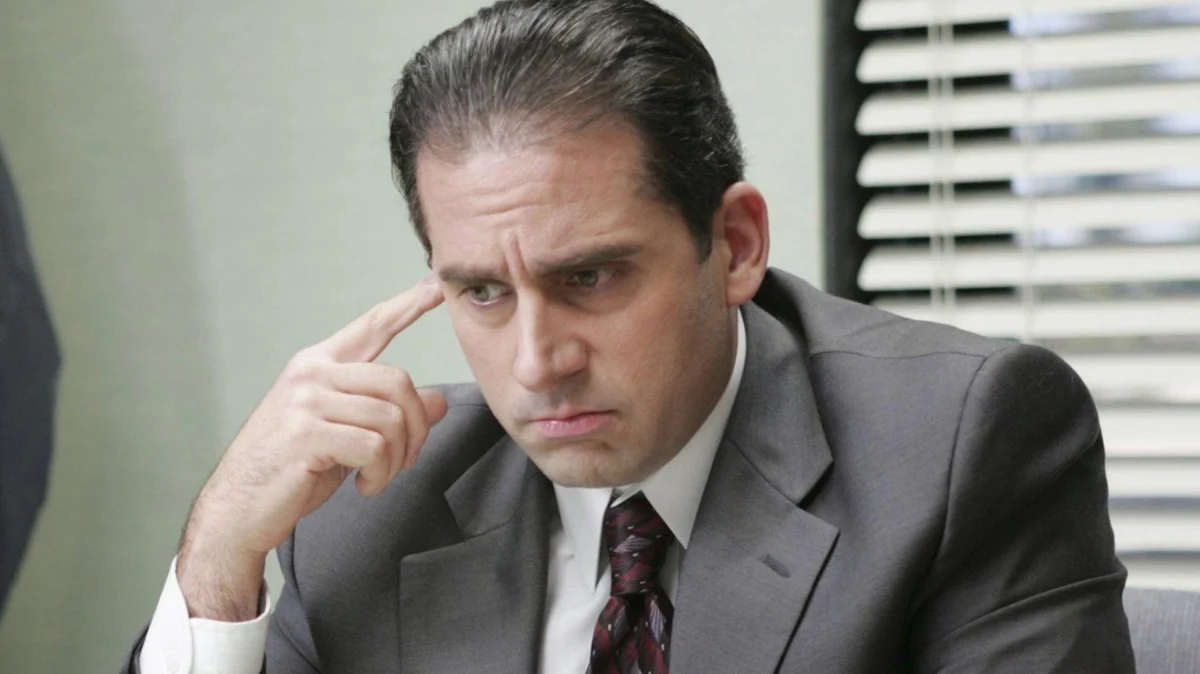
In the landscape of modern television history, Steve Carell is a titan. His portrayal of Michael Scott in the American adaptation of The Office redefined the workplace comedy, and his transition into dramatic cinema cemented him as one of the most versatile performers of his generation. However, long before the Dundies were handed out or the walls of Dunder Mifflin became iconic, Carell was a struggling performer navigating the treacherous waters of 1990s network television.
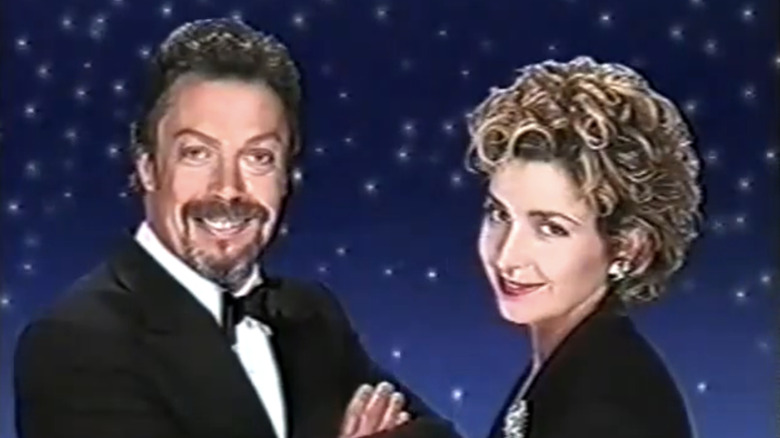
Tucked away in the annals of TV history lies Over the Top, a 1997 ABC sitcom that paired the future Oscar nominee with the legendary, late character actor Tim Curry. While the series promised a clash of comedic titans, it instead became a cautionary tale of creative misfires, network politics, and critical vitriol. It lasted a mere three episodes, leaving behind a legacy of "true horror," as one contemporary critic famously put it.
The Premise: A Comedy of Errors
The conceit of Over the Top was rooted in the classic "fish-out-of-water" trope, albeit executed with a level of tonal confusion that failed to resonate with audiences. The series followed Simon Ferguson (Tim Curry), a former soap opera star who finds himself at a professional and personal nadir. After being unceremoniously fired from the fictional soap Days to Remember, Ferguson is left with no career and no residence.
In a desperate bid for stability, he moves into a Manhattan hotel managed by his ex-wife, Hadley Martin (Annie Potts). The irony of the premise was not lost on viewers: only five years prior, Tim Curry had terrorized a young Kevin McCallister in Home Alone 2: Lost in New York. To see him returning to the hotel genre—not as a menacing concierge, but as a washed-up, pitiable actor—was a jarring tonal pivot that the show never quite reconciled.
Supporting the central duo was an ensemble cast including Luke Tarsitano and Marla Sokoloff as Hadley’s children, Liz Torres as an assistant manager, and a young, relatively unknown Steve Carell as Yorgo Galfanikos, the hotel’s Greek chef.
Chronology of a Cancellation: From Greenlight to Obscurity
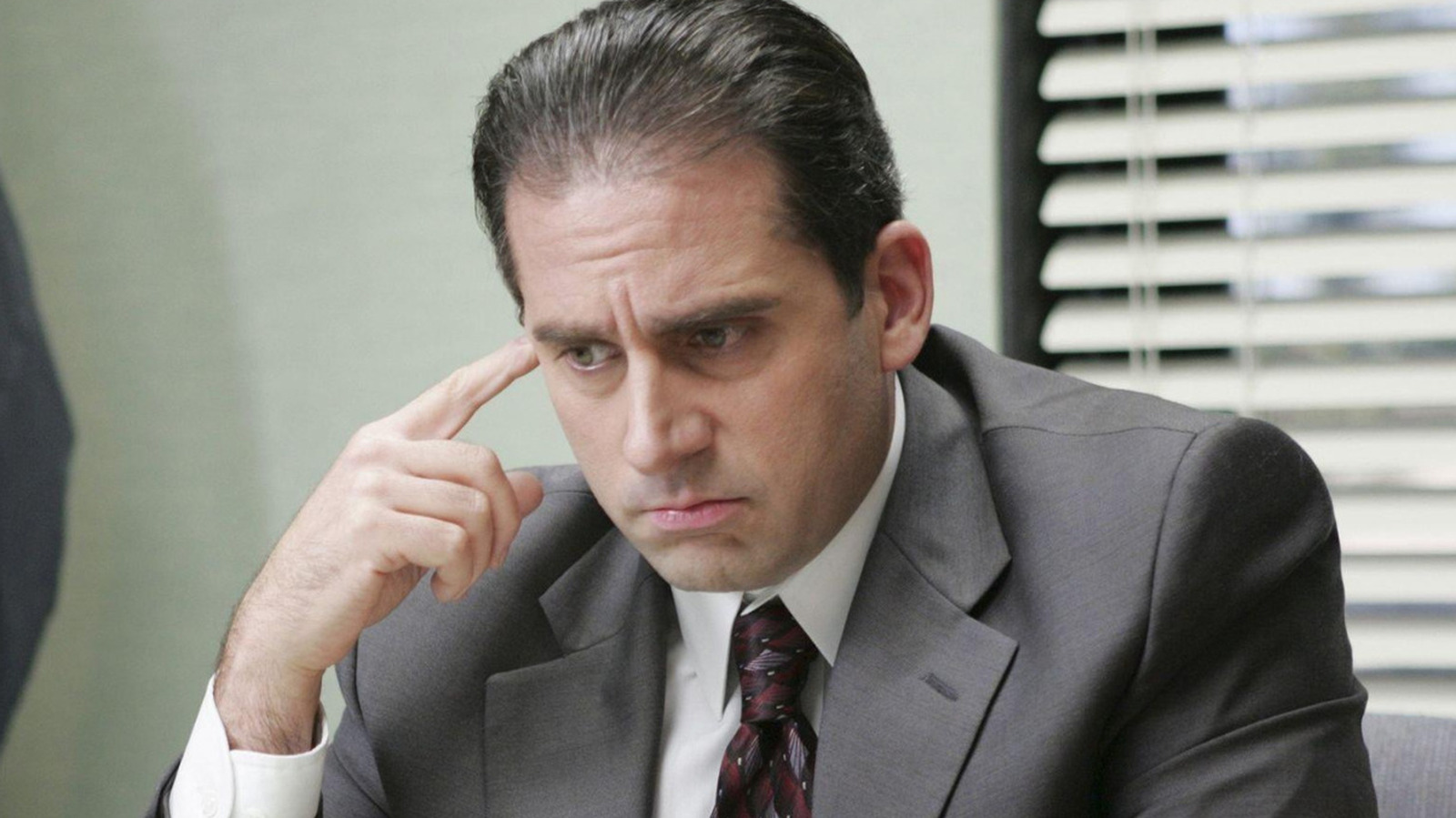
The trajectory of Over the Top serves as a fascinating case study in how a project with pedigree can unravel.
- The Development Phase (1996-1997): During the mid-90s, the "star-vehicle" sitcom model was at its peak. Networks were eager to capitalize on the success of Friends and Seinfeld by pairing established film stars with emerging comedic talent.
- The October 1997 Premiere: The show was initially slated for a September debut but was held back by ABC. This decision, shrouded in rumors of internal network politics, ultimately served to heighten the pressure on the show’s premiere.
- The Rapid Collapse: Following its debut in October 1997, the critical reception was immediate and overwhelmingly negative. By the time the third episode aired, the writing was on the wall. ABC pulled the plug, shelving the remaining nine produced episodes and effectively burying the series in the vaults of television history.
The Role of Yorgo: Steve Carell’s Early Hurdles
For modern fans of Steve Carell, the character of Yorgo Galfanikos is perhaps the most fascinating aspect of the series. Playing a heavily accented, perpetually aggressive hotel chef, Carell was tasked with delivering slapstick humor that felt dated even for 1997.
In one particular storyline, Yorgo develops a romantic infatuation with a mail carrier, played by Mary Lynn Rajskub (who would later reunite with Carell on The Office). The writing for this subplot was, by all accounts, painful. It relied on tired ethnic stereotypes and clumsy romantic tropes that stood in stark contrast to the sophisticated character-driven comedy that would later define Carell’s career.
Looking back, the role highlights the limitations placed on comedic actors during that era. Actors were often squeezed into rigid, one-dimensional molds that offered little room for the improvisational nuance that Carell would later master. That he survived this role to become a global icon is a testament to his resilience and natural comedic timing.
Critical Disdain and the "True Horror"
The reception from television critics was nothing short of brutal. In an era before social media, critics held the keys to a show’s longevity, and for Over the Top, the gates were slammed shut.
Tom Jicha of the Sun-Sentinel was one of the most vocal detractors, questioning the very existence of the program. "This is the kind of show that is so bad it makes you wonder how it got on the air," Jicha wrote. His review went beyond mere criticism of the content; he interrogated the production history, noting the personal dynamics between ABC executive Jamie Tarses and the show’s producer, Robert Morton. The suggestion was that the show was a byproduct of industry connections rather than creative merit.
Perhaps the most famous evisceration came from Peter Ko of TeeVee, whose assessment became a legendary piece of internet lore. Comparing the show to the trauma of a morgue visit and the infamously panned Mr. Wrong, Ko wrote, "I have now honestly say that until Steve Carell’s turn in the premiere of Over the Top, I have never known true horror."
Behind the Scenes: Network Politics and Sabotage
The failure of Over the Top cannot be analyzed in a vacuum. It was inextricably linked to the power structures of 1990s ABC. When the show was greenlit, ABC Entertainment President Jamie Tarses was in a relationship with executive producer Robert Morton. By the time the show was ready to hit the airwaves, that relationship had dissolved.
Many industry insiders speculated that the network’s decision to delay the show’s premiere—and eventually slot it against the high-profile coverage of the 1997 World Series—was a deliberate act of professional distancing. Whether intentional sabotage or simply a lack of faith in the final product, the administrative handling of the show ensured that it never had a fighting chance to find an audience.
The Implications: Lessons Learned
The legacy of Over the Top is one of unintended consequences. For Tim Curry, it was a rare misstep in an otherwise stellar career defined by iconic roles in The Rocky Horror Picture Show and Clue. For Steve Carell, it served as an early, sobering lesson in the volatile nature of network television.
The show stands as a relic of a transitional period in sitcom history. It arrived just as the "multi-camera, laugh-track" format was beginning to show its age, yet it lacked the daring subversion that would eventually lead to the mockumentary style of The Office.
Why It Failed to Connect
- Tonal Dissonance: The show tried to balance a "fish-out-of-water" comedy with a cynical, industry-satire edge, resulting in a product that felt unsure of its own identity.
- Weak Chemistry: Despite the individual talents of Curry and Potts, the script provided little in the way of genuine human connection, making it difficult for the audience to invest in the characters’ plight.
- Outdated Stereotypes: The reliance on ethnic caricatures and "aggressive" personality types rendered the comedy hollow and, in many instances, offensive.
- Network Ambivalence: The lack of support from ABC meant that the show was effectively dead on arrival, deprived of the marketing and scheduling stability needed to cultivate a cult following.
A Legacy of Growth
Today, Over the Top is largely forgotten, which is perhaps the best outcome for all involved. For the viewer, it provides a fascinating glimpse into the formative years of a comedy legend. It reminds us that professional success is rarely a linear path; it is often paved with failed pilots, canceled sitcoms, and critical drubbings.
Steve Carell’s journey from the frantic, forced humor of Yorgo Galfanikos to the understated, cringe-inducing brilliance of Michael Scott is a masterclass in professional evolution. He learned what didn’t work, shed the constraints of traditional network tropes, and eventually helped pioneer the very style of comedy that would render shows like Over the Top obsolete.
While the show may have been a disaster by every quantifiable metric, it remains a vital piece of the puzzle that explains how television evolved. It marks the point where the industry began to realize that audiences were tired of the "over the top" and were ready for something much more human, much more grounded, and, ultimately, much more real.
