
Beyond the Final Frontier: Revisiting Moontrap, the Forgotten 1989 Sci-Fi Horror Collaboration Between Walter Koenig and Bruce Campbell
Main Facts
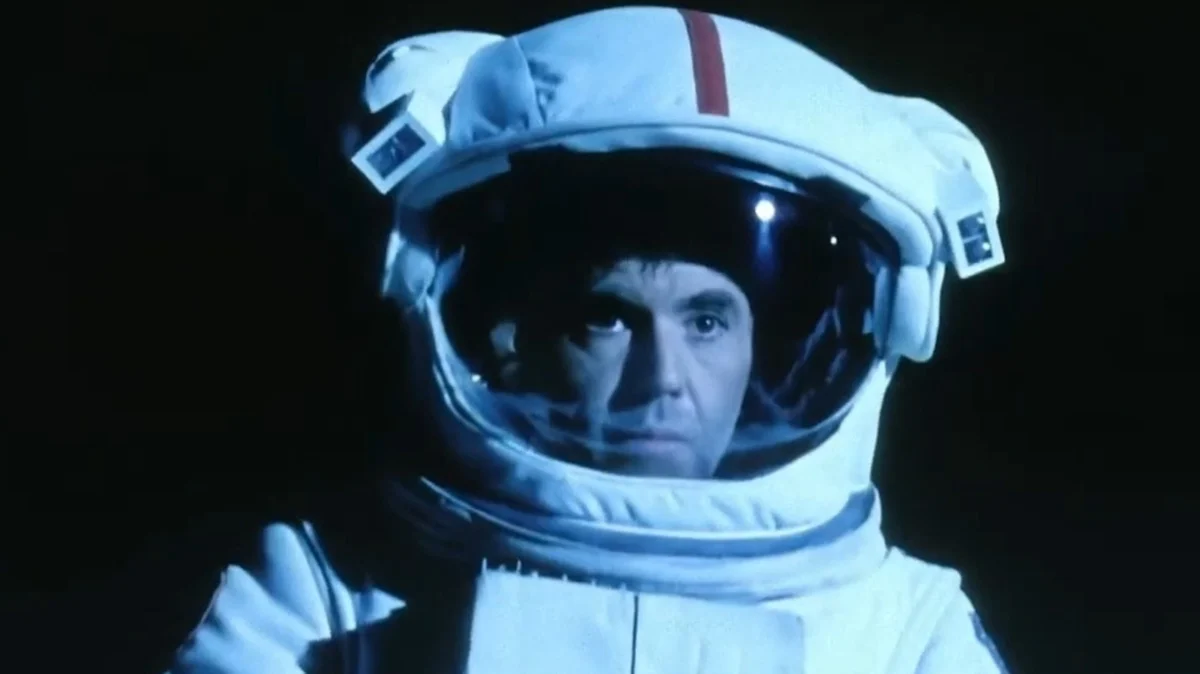
Following the passing of beloved science fiction icon Walter Koenig at the age of 90, the cultural conversation has naturally gravitated toward his defining role as Ensign Pavel Chekov in the original Star Trek television series and subsequent feature films. Yet, Koenig’s contributions to genre storytelling extended far beyond the confines of the U.S.S. Enterprise. Among his most eccentric and lesser-known cinematic endeavors is the 1989 low-budget sci-fi horror feature Moontrap.
Directed by Robert Dyke and originally released during the twilight of the golden age of VHS home video, Moontrap is a fascinating curio of late-1980s genre filmmaking. Most notably, it brought together two icons from entirely different corners of speculative fiction: Star Trek’s Koenig and The Evil Dead franchise star Bruce Campbell.
The narrative follows two seasoned astronauts, Colonel Jason Grant (played by Koenig) and Ray Tanner (played by Campbell), who are dispatched on a routine mission to the moon. Once there, they stumble upon an extraordinary and terrifying discovery: an ancient, non-human artifact containing signs of extraterrestrial life. After inadvertently reanimating the preserved body of an ancient human woman (played by Leigh Lombardi), they learn a chilling truth. The moon is currently under the operational control of a malevolent race of ancient alien cyborgs. These cybernetic organisms have been dormant for millennia, biding their time and waiting for a prime opportunity to launch a full-scale invasion of Earth.
Despite an intriguing premise that promises a thrilling clash between sci-fi exploration and body-horror mechanics, Moontrap has largely faded from public memory. It remains a subterranean artifact of direct-to-video culture, holding a modest 27% audience approval rating on Rotten Tomatoes and earning very little critical attention upon its initial release. However, as film historians and pop-culture archivists reflect on the expansive careers of its legendary stars, Moontrap demands a closer look as a time capsule of practical effects, independent genre financing, and star-studded B-movie ambitions.
Chronology: The Trajectory of Two Genre Icons in the Late 1980s
To fully understand how Moontrap came to be, one must examine the specific professional crossroads where Walter Koenig and Bruce Campbell found themselves in the late 1980s.
By 1988 and 1989, Walter Koenig was deeply entrenched in the latter half of his tenure as Pavel Chekov. The original Star Trek cast was transitioning from television legends into silver-screen veterans, having successfully revitalized the franchise through a string of feature films. Moontrap arrived precisely between two major motion pictures in the franchise: Star Trek IV: The Voyage Home (1986) and Star Trek V: The Final Frontier (1989). While The Voyage Home was a massive critical and commercial triumph, the momentum of the original cast’s cinematic run was beginning to show signs of fatigue. (William Shatner has famously apologized for the reception of The Final Frontier, which struggled with tonal inconsistencies and critical backlash). For Koenig, taking on an independent, low-budget sci-fi thriller like Moontrap offered a chance to step outside the heavily guarded parameters of Paramount Pictures and play a more grizzled, action-oriented space commander.
Simultaneously, Bruce Campbell was navigating a very different career trajectory. Before achieving the status of a globally recognized pop-culture icon and mainstream cult royalty, Campbell was a quintessential working-class B-movie actor. Having broken out globally with Sam Raimi’s low-budget horror masterpiece The Evil Dead (1981) and its madcap sequel Evil Dead II (1987), Campbell was actively hustling to carve out a sustainable career in independent cinema. He was not yet in a position to be selective with his scripts.
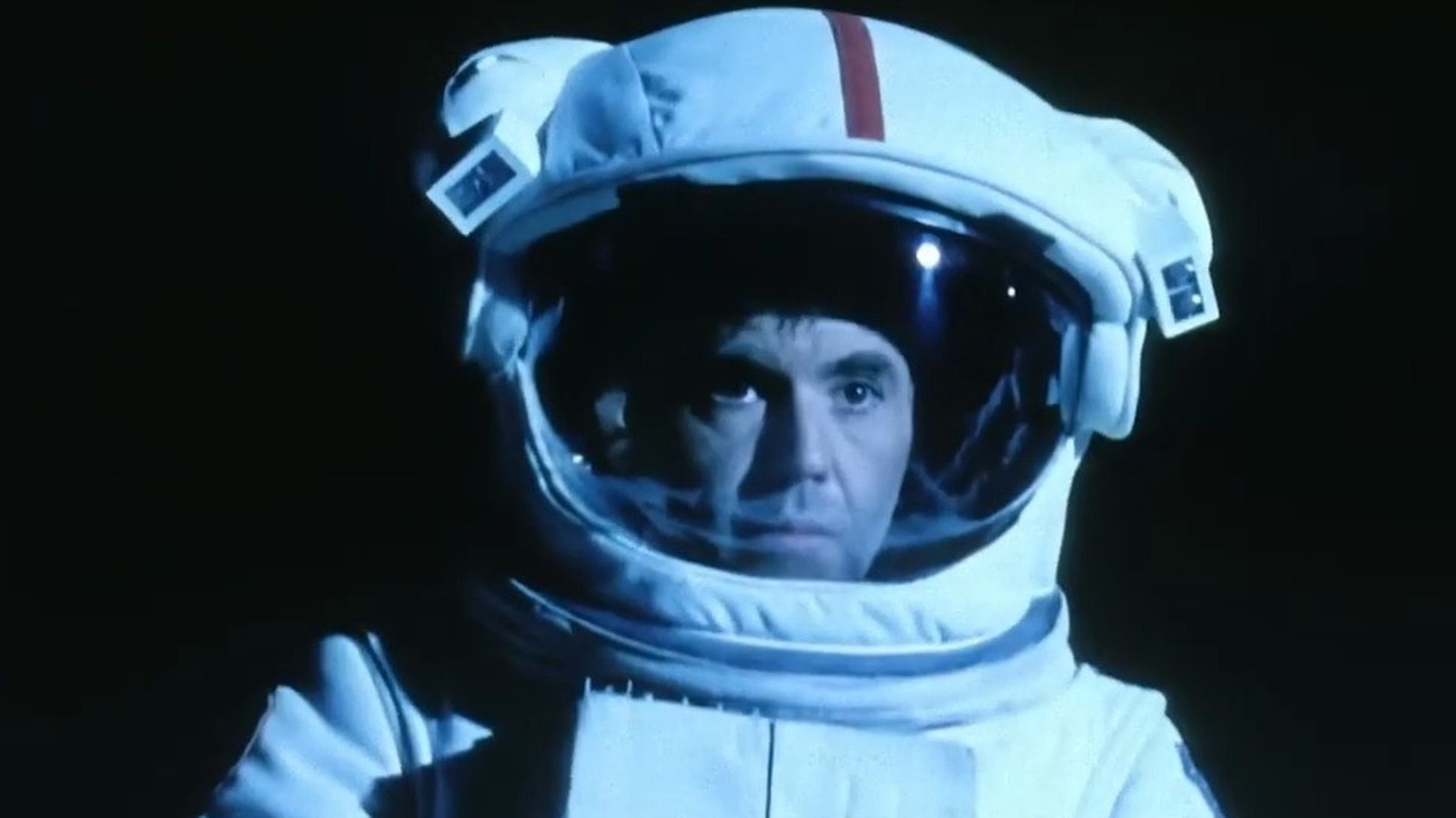
Consequently, the late 1980s saw Campbell appear in a series of ambitious, gritty genre projects that pushed boundaries despite restricted budgets. Around the time he shot Moontrap, Campbell also lent his talents to William Lustig’s gritty, ahead-of-its-time Maniac Cop trilogy and the underrated 1989 slasher film Intruder. Pairing Campbell’s frantic, everyman charm with Koenig’s seasoned, steady-handed sci-fi authority created an unconventional dynamic on the set of Moontrap, blending the sensibilities of cosmic space exploration with the gritty, practical terror typical of late-eighties independent horror.
Supporting Data: Production, Distribution, and the VHS Boom
An analysis of Moontrap cannot be separated from the industrial mechanics of the late 1980s home video market. Before the proliferation of digital streaming services or the modern Video-On-Demand (VOD) landscape, independent genre films relied heavily on the burgeoning VHS cassette market to recoup their production costs and turn a profit.
Moontrap was produced on a relatively tight, independent budget that required creative resourcefulness from director Robert Dyke and his production crew. Special effects—particularly the design of the alien cyborgs, their shifting mechanical constructs, and the lunar suits worn by Koenig and Campbell—relied heavily on traditional practical effects, miniatures, and stop-motion animation techniques rather than computer-generated imagery. While these practical elements gave the film a tactile, physical presence reminiscent of classic ’50s B-movies infused with ’80s bodily autonomy horror (echoing films like The Thing or Terminator), budget constraints often limited the scope of the action sequences.
Box Office and Critical Reception Metrics
- Release Format: Primarily direct-to-video / limited regional theatrical runs.
- Rotten Tomatoes Audience Score: Approximately 27%, reflecting its status as a niche title rather than a mainstream crossover hit.
- Primary Markets: Video rental stores (Blockbuster, Hollywood Video era), late-night cable syndication, and subsequent budget DVD releases via distributors like RLJE Films.
In the contemporary media landscape, a film with Moontrap’s precise aesthetic, cast, and high-concept premise would likely bypass traditional theatrical distribution entirely. Instead, it would find a comfortable, curated home on specialized streaming platforms geared toward horror and cult cinema enthusiasts, such as Shudder or Arrow Player, where archival ’80s sci-fi trash-masterpieces are celebrated rather than dismissed.
Official Responses and Retrospective Commentary
Because Moontrap was released during an era when direct-to-video genre films rarely commanded the attention of major journalistic outlets, contemporary reviews from 1989 are scarce. Major publications largely ignored the film, leaving its fate entirely to word-of-mouth among die-hard sci-fi and horror completionists who stumbled upon its vibrant, VHS box art on rental shelves.
However, in the decades since its release, retrospective commentary from fans and pop-culture historians has reframed Moontrap not as a failed blockbuster, but as a fascinating artifact of unbridled genre ambition.
Bruce Campbell, in various convention appearances and retrospective interviews detailing his extensive bibliography, has often spoken candidly about the grind of his early career. While Moontrap is rarely cited as the crowning jewel of his filmography—a title usually reserved for Ash Williams’ chainsaw-wielding escapades—it represents an era of fearless experimentation where actors from disparate franchises could cross paths in unexpected ways.
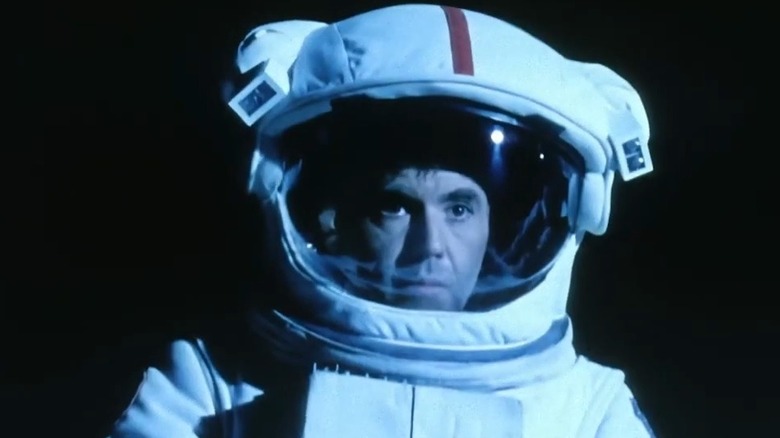
Similarly, Walter Koenig’s willingness to embrace independent science fiction long before it became common for legacy actors to lean into their sci-fi pedigree demonstrated his genuine affection for the genre. Whether playing the calculating, morally grey Alfred Bester in Babylon 5 or donning a spacesuit alongside Bruce Campbell to battle lunar cyborgs, Koenig consistently subverted expectations of what a television star could do in speculative fiction.
Implications: The Legacy of Moontrap in Modern Sci-Fi-Horror
The enduring significance of Moontrap lies in what it symbolizes for the evolution of cross-genre storytelling. In the late 20th century, the barrier between clean, optimistic science fiction (typified by Star Trek) and visceral, gritty horror (typified by The Evil Dead) felt absolute. Mainstream studios rarely mixed intellectual properties or tonal philosophies unless it was for high-concept parodies.
By casting Walter Koenig and Bruce Campbell as co-leads in a narrative about ancient, world-ending alien technology hidden on the moon, Moontrap anticipated a modern sensibility where genre boundaries are porous. Today, audiences routinely celebrate hybrid narratives that merge cosmic dread with hard-edged science fiction—a thematic space currently occupied by franchises like Alien, Dead Space, and modern cosmic horror cinema.
Furthermore, the film serves as a poignant reminder of the vibrant ecosystem of independent filmmaking that existed prior to the corporate consolidation of modern media. Without massive marketing budgets or studio mandates, films like Moontrap were driven purely by the grit of filmmakers, practical effects artists, and working actors willing to venture into uncharted territories.
For modern cinephiles mourning the loss of Walter Koenig, revisiting Moontrap offers a bittersweet journey back in time. It provides an opportunity to witness a legendary Starfleet officer stepping off the bridge of the Enterprise and onto the desolate surface of the moon, shotgun in hand, fighting alongside a horror icon against the mechanical remnants of an ancient alien civilization. It may not be a cinematic masterpiece, but as a relic of ’80s imagination, Moontrap remains a must-watch curiosity for anyone dedicated to the outer limits of science fiction and horror history.
