
The Silent Symphony: How Pedro Pascal Mastered the Art of Expression in ‘Behemoth!’
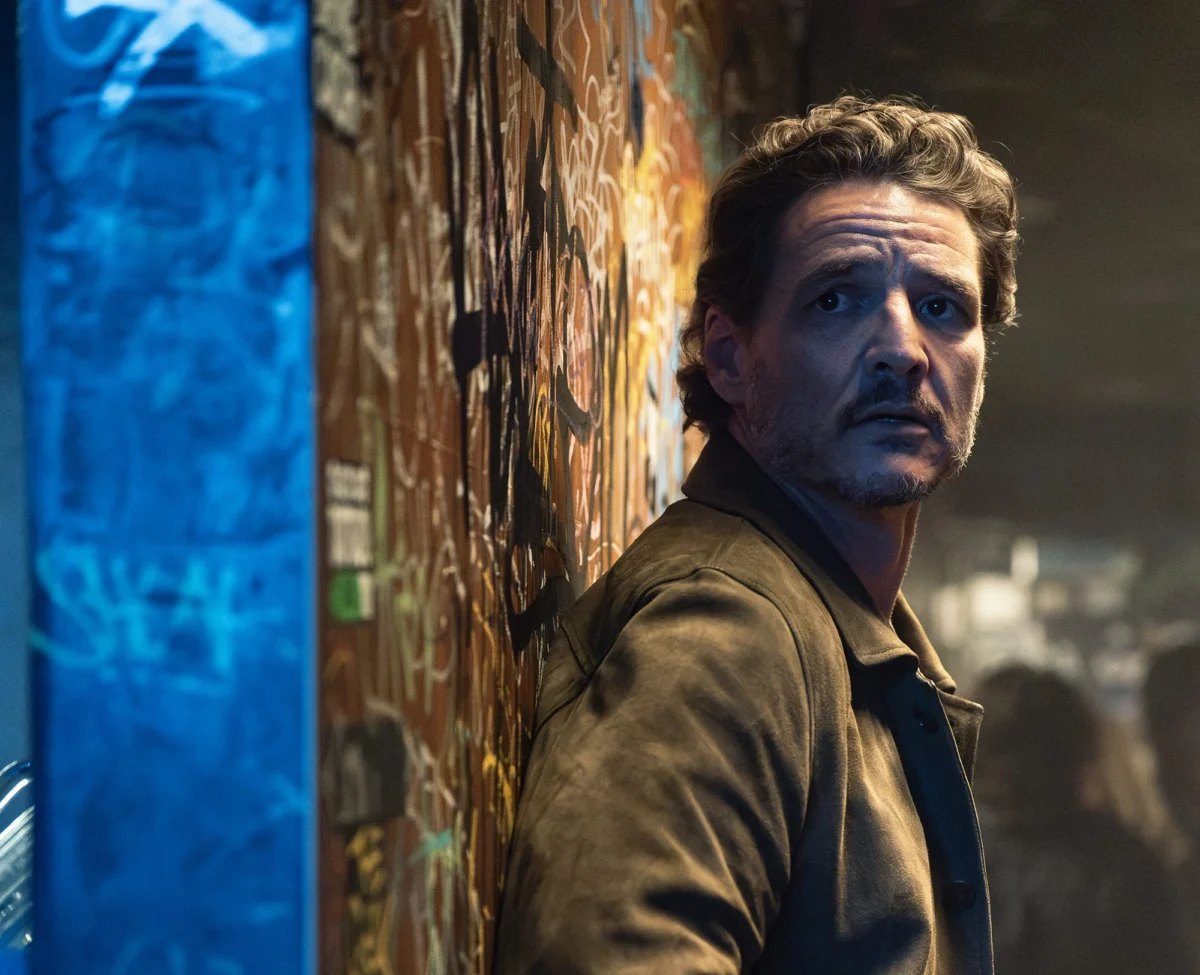
In the landscape of modern Hollywood, few stars have captured the public imagination with the ubiquity and warmth of Pedro Pascal. From the rugged, helmeted stoicism of The Mandalorian to the grief-stricken, paternal ferocity of The Last of Us, Pascal has spent his career defining characters through action and subtle reaction. Yet, in his latest project, Tony Gilroy’s Behemoth!, the 51-year-old actor has undertaken what he describes as "the hardest thing I’ve ever done." It is a performance defined not by dialogue, but by the resonance of a cello and the topography of a face.
The Genesis of an Obsession: Pre-Production Dedication
The journey to Behemoth! began in July 2025, during a fateful lunch with writer-director Tony Gilroy. Even before the project had received a formal greenlight, Pascal was already consumed by the prospect of playing Alex Serian—a gifted cellist returning to his Los Angeles roots after two decades of self-imposed exile.
Driven by a desire to inhabit the character with total authenticity, Pascal didn’t wait for a contract. He immediately sought out renowned cellists Timothy Loo and Charlie Tyler. "If you could hear it, you would think I was killing an animal," Pascal admits with a self-deprecating laugh, recalling his initial attempts to master the instrument.
This was not a casual interest; it was a total immersion. Throughout the production—which spanned from late October in Los Angeles to a final, atmospheric shoot in Vienna—Pascal treated every spare moment as a masterclass. Lunch breaks, weekends, and short days were all sacrificed to the "next thing and the next thing" of cello technique. He describes the process as a "highly intense lip-sync," requiring him to marry the physical mechanics of bowing and fingering with the emotional gravity of the score.
Chronology of a Masterpiece
The production of Behemoth! was as complex as the character Pascal portrays. While many films rely on soundstages to replicate reality, Gilroy insisted on a gritty, authentic Los Angeles. The crew traversed the city, from the quiet streets of Pasadena to the bustling Arts District and the coastal winds of Malibu.

- July 2025: Initial discussions between Pascal and Gilroy; onset of intensive musical training.
- October 2025: Cameras begin rolling in Los Angeles.
- Production Phase: A grueling schedule of filming, with Pascal practicing between takes to maintain the illusion of professional musicianship.
- Post-Production/Vienna: The final leg of the shoot in Austria, providing a classical, European contrast to the film’s L.A.-centric narrative.
- October 2, 2026: Behemoth! premieres as the centerpiece selection at the New York Film Festival.
- December 4, 2026: Official theatrical release via Searchlight Pictures.
Character Study: The Language of Silence
Alex Serian is a departure for Pascal. While the actor is known for his verbal dexterity and charismatic presence in interviews, Serian is a man who "fails at so many things in life because he doesn’t know how to speak the language of human relationships."
In the film, Serian’s cello is his primary mouthpiece. The narrative structure, masterfully crafted by Gilroy, withholds the core of the story until well past the midpoint, forcing the audience to rely on Pascal’s non-verbal cues. "I loved it more than anything I’ve gotten to do," Pascal says. "Because there are fewer lines to learn."
This silence, however, is heavy with intent. Pascal found deep empathy for a character who is "untethered" and "nomadic," whose primary skill—outside of his music—is the ability to adapt to survive. For Pascal, this resonated personally. "I’m somebody who talks a lot," he explains, "but I related to this nomadic person whose skill… is adaptability. That was a deep connection for me."
The Gilroy-Pascal Dynamic: A Dance of Trust
The synergy between director Tony Gilroy and Pedro Pascal became the heartbeat of the set. Gilroy, known for his precision and "spy-like" command of narrative, offered a form of leadership that Pascal found uniquely liberating.
"Tony puts so much faith in the people he hires," Pascal notes. Instead of micromanaging the performance, Gilroy created an environment of "warm and exciting invitation." When adjustments were needed, they were subtle. Gilroy would avoid technical jargon, preferring to shift the actor’s internal state. "I don’t want to mess with this," Gilroy would say, according to Pascal. "But do you think maybe we can put a smile on this?"

This approach allowed Pascal to explore a "present vulnerability," knowing that while Serian might be guarded with the characters around him, he was baring his soul directly to the camera—and by extension, the audience.
Supporting Cast and Artistic Vision
The film is elevated by a standout performance from Olivia Wilde, whom Pascal describes as a force of nature. "She was my favorite character on the page," he says, noting that her arrival in the film brings a jolt of energy that shifts the entire trajectory of the story.
The aesthetic choices, too, played a critical role. Costume designer Mary Zophres worked closely with Pascal to ensure that every garment worn by Serian—from a seemingly simple sweater in a cathedral to a tuxedo—contributed to the character’s "gentle nature." The production design team also achieved the impossible, transforming sunny Los Angeles into a wintry, operatic Chicago for key scenes, a feat of "movie magic" that Pascal cites as evidence of the high caliber of the crew.
Implications: The "Shared Boyfriend" and the Serious Actor
The cultural phenomenon of Pedro Pascal—often dubbed the "internet’s shared boyfriend"—has created a unique challenge for the actor. Does the public’s perception of him as a warm, accessible figure hinder his ability to disappear into complex, reclusive roles?
Pascal remains unfazed. "It’s not harder for me at all," he asserts. "I think so dramaturgically about work." He notes that his decades of training in New York’s Labyrinth Theater Company provided a foundation that allows him to separate his public persona from his craft. He views the challenge of "meeting expectations" not as a burden, but as a responsibility. "You have to accept that you’re not going to meet everybody’s expectations, but you do have to take expectation into account."

Looking Ahead: Avengers and Beyond
While Behemoth! is currently the primary focus of his press circuit, Pascal offered a tantalizing glimpse into his future projects. Regarding the highly anticipated Avengers: Doomsday, he remains coy but confirmed the scope of the film. When asked for a line of dialogue, he offered a classic, enigmatic tease: "It’s good to see you again."
He also spoke of his upcoming collaboration with Todd Haynes, De Noche, describing it as a "sister film" to Behemoth!—both projects that felt like "magic" to create.
Final Reflections: The "Good Old Days"
As he looks back on a career that saw him spend two decades in small, hard-won roles before his breakout in Game of Thrones at 39, Pascal offers advice to those currently in the trenches of the industry. "If you’re waking up every day and trying… you are exactly where you’re supposed to be."
He emphasizes the importance of generosity and patience. Drawing on a sentiment from The Office, Pascal reflects on the difficulty of knowing when one is in the "good old days" before they are gone. "I miss Behemoth! more than I miss anything I’ve ever done," he says. "I miss the character. I miss being with everyone every day."
For an actor who has reached the pinnacle of global stardom, his ability to remain grounded in the work—to treat every role as a transformative, slightly anarchistic puzzle—suggests that the best is yet to come. Behemoth! is not just a film; it is a testament to the power of artistic growth, a reminder that even at the height of fame, the most rewarding experiences are those that force us to be silent, to listen, and to play.
