
The Enigma of Elizabeth Holmes: Deconstructing the Ambiguous Finale of ‘You Can See Everything’
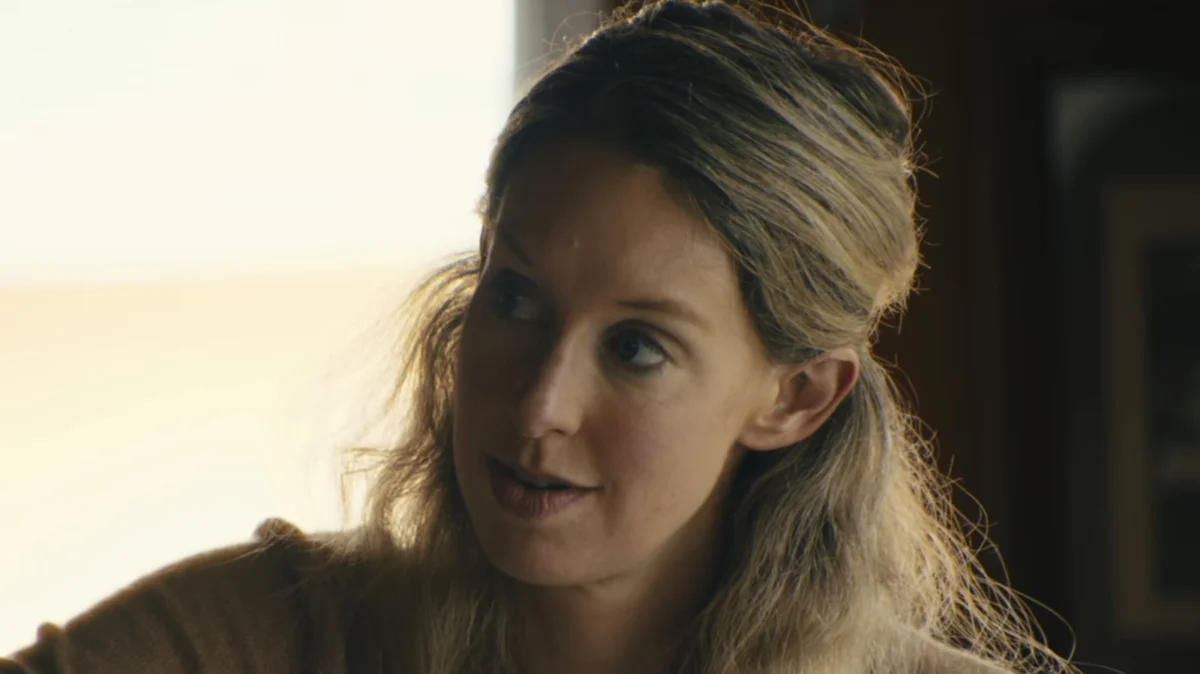
The meteoric rise and catastrophic fall of Elizabeth Holmes, the disgraced founder of Theranos, has become one of the defining cultural narratives of the 21st century. While legal proceedings and previous dramatizations like Hulu’s The Dropout have sought to categorize her as either a visionary or a villain, a new, surreal, and deeply unsettling documentary—You Can See Everything—arrived at the Telluride Film Festival to complicate that binary. Directed by Lance Oppenheim and featuring the unconventional observational style of Nathan Fielder, the 174-minute film offers an unflinching, if deeply bizarre, look at the final 34 days of Holmes’ freedom before her incarceration.
Rather than providing a straightforward journalistic account, You Can See Everything functions as a psychological labyrinth. By blurring the lines between documentary reality, scripted reenactment, and meta-commentary, the film leaves audiences grappling with a central, haunting question: Is Elizabeth Holmes the architect of her own deception, or is she, too, a victim of the manipulative forces orbiting her life?
Main Facts: The Final Countdown
The documentary picks up in the shadow of an 11-year prison sentence. Holmes is living in a rented San Diego beach house with her partner, Billy Evans, and their two children. The film captures a woman in a state of suspended animation—convicted of wire fraud and conspiracy, yet seemingly convinced of her own fundamental innocence.
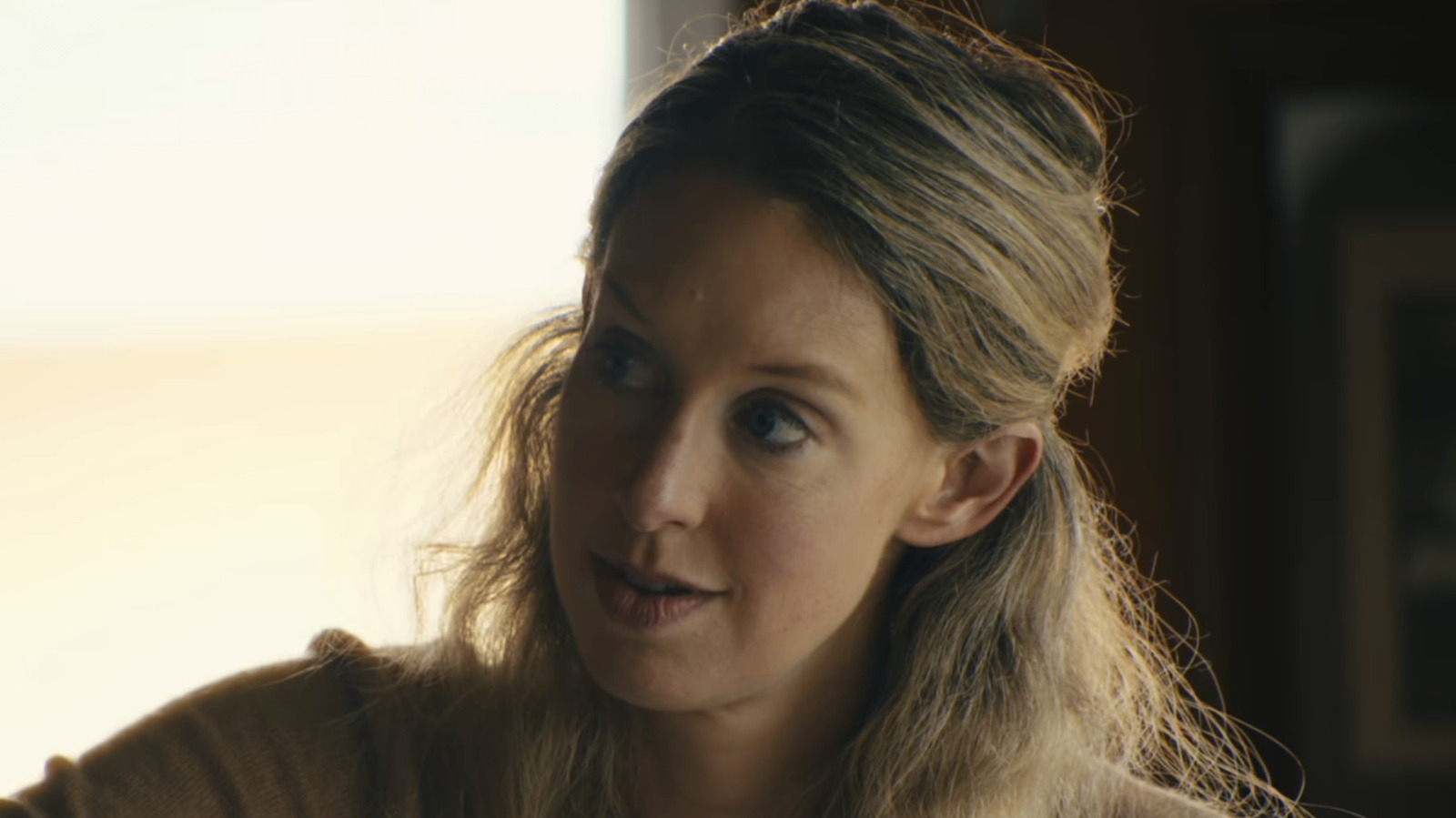
The premise of the documentary—and the core of the friction within it—is Holmes and Evans’ intent to use the platform to "rebrand" the Theranos legacy. They argue that the Edison device worked in principle and that the failure of the company was a matter of scientific maturation rather than a calculated, fraudulent endeavor. Fielder, acting as both interviewer and catalyst, challenges this narrative by introducing elements of meta-theatrical reenactment, effectively turning the camera back on the filmmakers themselves.
Chronological Breakdown: A Descent into Complexity
The Prelude to Incarceration
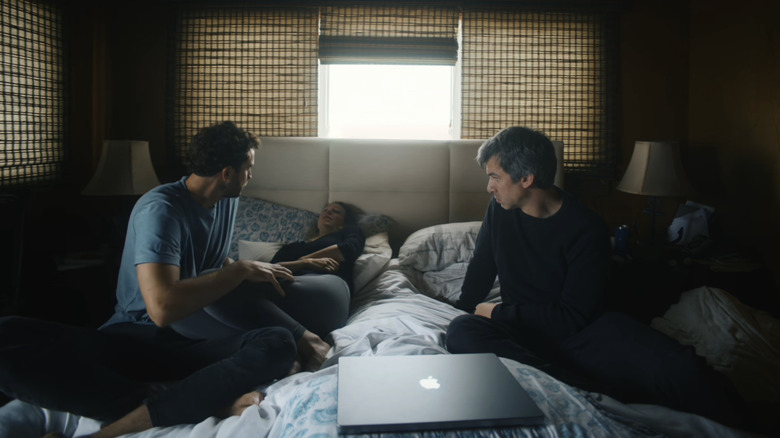
The film’s early acts establish the domestic reality of the Holmes-Evans household. Viewers see a dynamic characterized by what can only be described as aggressive, performative domesticity. Evans, a hotel heir, appears to exert a suffocating level of control over Holmes, micromanaging everything from her cooking to her interactions with her father.
Fielder introduces the comedic, yet pointed, analogy of Abbott & Costello’s "Who’s On First?" to illustrate the linguistic gymnastics Holmes uses to deflect blame. To Holmes, the "misunderstanding" of Theranos is a failure of communication, not ethics. This section serves as a baseline for the viewer: we are watching someone who has constructed a reality so insulated that the legal definitions of "fraud" seem to hold no weight against her internal logic.
The Intervention of Amanda Seyfried
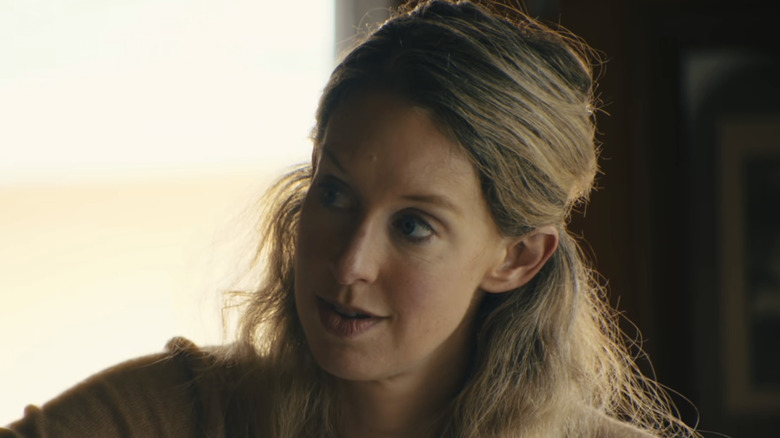
The documentary takes a sharp turn when Fielder brings in Amanda Seyfried, who portrayed Holmes in the Hulu miniseries The Dropout. By involving the actress who captured the public’s imagination as the "real" Elizabeth Holmes, Fielder creates a surreal feedback loop.
When Holmes refuses to watch scenes from the series—specifically those depicting the controlling nature of her former partner, Ramesh "Sunny" Balwani—it provides a rare, albeit brief, glimpse into her vulnerability. However, this is quickly replaced by a sense of unease as the film shifts toward a "rehearsal" style of storytelling. Fielder and Seyfried use reenactments to probe the suspicious deal Evans made with A24 for a share of the film’s profits—a move Holmes appears entirely ignorant of, or perhaps is merely feigning ignorance about.
The Prison Heist
The final act is structured like a thriller. Fielder, feeling stonewalled by Evans, orchestrates a secret visit to Holmes in prison. This sequence is intercut with scenes of Fielder and Seyfried sitting in a dimly lit room, agonizing over the "script" of the interaction. The tension lies not in whether the visit happens, but in the existential weight of the answers Fielder seeks: Did she know about the profit-sharing deal? Does she realize the extent of Evans’ control over her digital presence?
Supporting Data and Psychological Implications
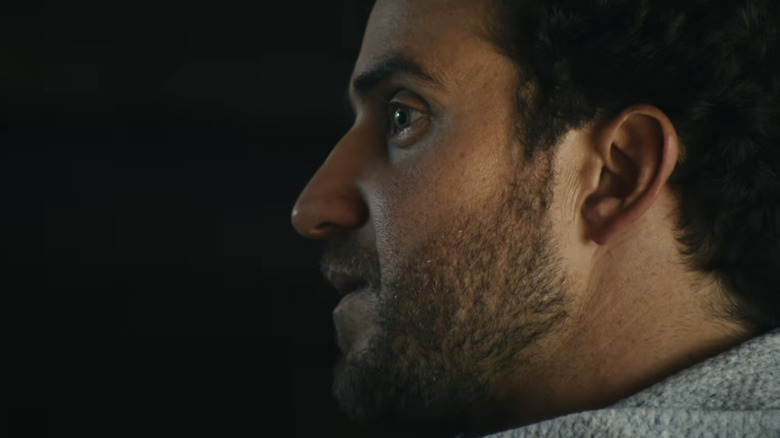
The film’s power lies in the ambiguity of the evidence. When Fielder confronts Holmes about the AI model of her voice and the unauthorized access to her Twitter account, her lack of distress is chilling. She views these as "monuments of love"—a phrase that serves as the film’s darkest anchor.
Is this the result of long-term gaslighting, or is it a calculated maneuver to maintain the persona of a martyr? The film offers no definitive answer, but it does highlight the symbiotic nature of her relationship with Evans. If Evans is indeed a puppet master, he is one who has convinced his subject that the strings are actually ribbons of affection.
The most disturbing piece of "data" in the film is the visual evidence of the beach swim. Early in the film, Fielder claims a phobia of cold water, yet a later shot appears to show him in the ocean with Holmes. When the film circles back to this, it suggests that Fielder—the man trying to deconstruct the fraud—may have been compromised by the very subject he was studying.
Official Responses and The "A24" Variable
While there is no "official" statement from the real-life participants beyond the film itself, the inclusion of the A24 profit-sharing contract serves as the ultimate "MacGuffin." The fact that Evans eventually declined the money does little to clear the air. Instead, it adds a layer of performative morality to a situation that feels fundamentally bankrupt.
By the time the credits roll, the viewer is left with a sense of vertigo. We have seen Holmes through the lens of a documentary, through the lens of a dramatized TV show, and through the lens of Fielder’s staged reenactments. The "truth" is not found in any one of these layers, but in the space between them.
Implications: The Truth as a Fluid Construct
You Can See Everything implies that our obsession with the "real" Elizabeth Holmes is a fool’s errand. The documentary suggests that in a post-truth era, the lines between fraud and belief are porous. Whether Holmes is a sociopathic master manipulator or a victim who has internalized the narratives of the men around her, the film posits that she is, at the very least, a mirror.

She reflects back to us our own desire for a clean, cohesive story. When we look at her, we look for the "Why," but the film suggests that for Holmes, there is no "Why"—there is only the next move in a game that never ends. By the final shot of the film—Holmes sitting in a prison visitation room, looking out at her family—the audience is left not with closure, but with a profound, lingering discomfort.
Ultimately, You Can See Everything is not a film about Theranos. It is a film about the instability of reality. It challenges the audience to consider if they, like Nathan Fielder, have been seduced by the very subject they sought to expose. In the world of Elizabeth Holmes, the most dangerous thing you can do is believe you have seen everything.
