
The 98th Academy Awards: A Night of Dominance and Cinematic Triumphs

The 98th Academy Awards, held in the heart of Los Angeles, have officially concluded, leaving an indelible mark on cinematic history. As the golden statuettes were distributed, the evening solidified the reputations of industry veterans while signaling a shifting tide in storytelling and technical innovation. Broadcast to a global audience via ABC and Hulu, the 2026 Oscars served as both a celebration of the past year’s most ambitious projects and a definitive statement on the current state of Hollywood.

The night was defined primarily by the competitive tension between two heavyweights: Paul Thomas Anderson’s sprawling epic One Battle After Another and Ryan Coogler’s visceral, character-driven drama Sinners. By the time the final envelope was opened, the narrative of the evening had become clear—a recognition of masterful direction, profound narrative depth, and the relentless evolution of genre filmmaking.

The Main Facts: A Night of Titans
The 98th Academy Awards were characterized by a high degree of consensus in the major categories, even as technical awards were spread across a diverse field of films. One Battle After Another emerged as the definitive winner of the night, securing the prestigious Best Picture award. Paul Thomas Anderson’s vision not only captured the imagination of the Academy but also swept key categories, including Best Director and Best Adapted Screenplay.

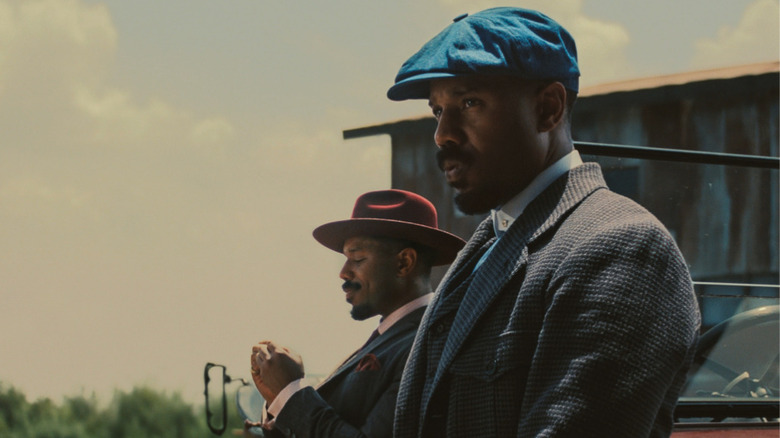
Conversely, Sinners proved to be the soul of the evening, resonating deeply with the voting body’s appreciation for original, grounded storytelling. Michael B. Jordan’s transformative performance in Sinners earned him the Best Actor accolade, while the film itself secured wins for Best Original Screenplay, Best Cinematography, and Best Original Score.

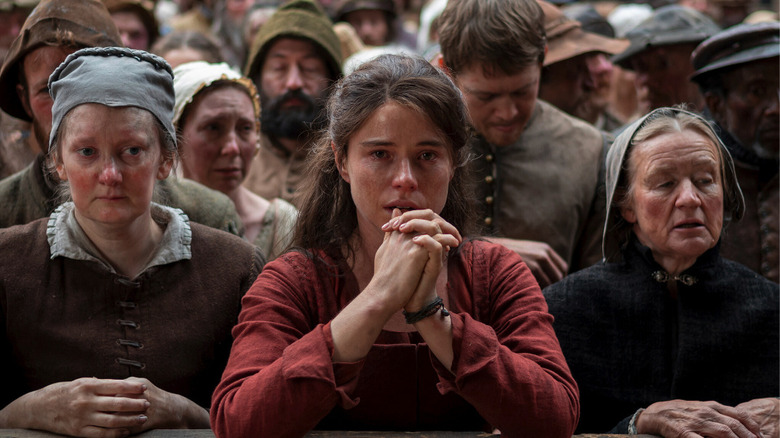
Other notable winners included Jessie Buckley, who took home the Oscar for Best Actress for her haunting work in Hamnet, and the technical tour-de-force Frankenstein, which dominated the craft categories, securing wins for Production Design, Costume Design, and Makeup and Hairstyling.
Chronology of the Ceremony
The evening began with a high-energy opening sequence that paid homage to the diverse slate of nominees, ranging from the blockbuster spectacle of Avatar: Fire & Ash to the intimate, quiet reflections found in Sentimental Value. As the ceremony progressed, the cadence of the evening established a clear momentum.
Early in the broadcast, the craft categories set the tone. Frankenstein established an early lead, sweeping through technical categories with a consistency that suggested the film’s immense aesthetic impact. As the ceremony reached its midpoint, the competition between One Battle After Another and Sinners reached a fever pitch.

The turning point occurred during the middle hours of the broadcast, where One Battle After Another began its ascent in the major categories, starting with Best Supporting Actor for Sean Penn. Following this, the momentum for the Anderson film seemed unstoppable, leading to its ultimate triumph in the Best Picture category. The broadcast concluded with a sense of finality, as the industry acknowledged the sheer scale and craftsmanship of the year’s most ambitious cinematic endeavor.

Detailed Winners Breakdown
The Top Tiers: Picture, Director, and Acting
- Best Picture: One Battle After Another
- Directing: Paul Thomas Anderson, One Battle After Another
- Actress in a Leading Role: Jessie Buckley, Hamnet
- Actor in a Leading Role: Michael B. Jordan, Sinners
- Actor in a Supporting Role: Sean Penn, One Battle After Another
- Actress in a Supporting Role: Amy Madigan, Weapons
The Craft and Technical Victories
The technical categories provided a platform for films that pushed the boundaries of visual and auditory storytelling.

- Cinematography: Sinners
- Editing: One Battle After Another
- Visual Effects: Avatar: Fire & Ash
- Sound: F1
- Production Design: Frankenstein
- Costume Design: Frankenstein
- Makeup and Hairstyling: Frankenstein
- Casting: One Battle After Another
Screenwriting and International Recognition
- Writing (Original Screenplay): Sinners
- Writing (Adapted Screenplay): One Battle After Another
- International Feature Film: Sentimental Value
Animation, Documentary, and Short Films
- Animated Feature Film: KPop Demon Hunters
- Documentary Feature Film: Mr. Nobody Against Putin
- Music (Original Score): Sinners
- Music (Original Song): "Golden" from KPop Demon Hunters
- Live-Action Short Film: (Tie) The Singers and Two People Exchanging Saliva
- Animated Short Film: The Girl Who Cried Pearls
- Documentary Short Film: All the Empty Rooms
Supporting Data: Analyzing the Trends
The 2026 Oscars provided a fascinating data set for industry analysts. The success of One Battle After Another marks a return to the "prestige epic"—films that require significant investment, intricate production, and long-form narrative structure. The film’s success in Editing and Casting, alongside its major wins, indicates a preference by the Academy for films that function as cohesive, well-oiled machines.

Meanwhile, the victory of KPop Demon Hunters in the Animated Feature category and for Best Original Song highlights the industry’s increasing openness to globalized, genre-blending content. The win for Sentimental Value in the International Feature category further underscores the Academy’s continued commitment to recognizing cinema that operates outside the traditional Hollywood studio system.

The tie in the Live-Action Short Film category—between The Singers and Two People Exchanging Saliva—was a rare occurrence that added a layer of unpredictability to the evening. It served as a reminder that even in the most structured awards ceremonies, the democratic nature of the voting process can produce surprising, equitable outcomes.

Official Responses and Industry Sentiment
In the hours following the ceremony, the reaction from the creative community was overwhelmingly positive. Paul Thomas Anderson, in his acceptance speech for Best Director, noted the collaborative nature of One Battle After Another, emphasizing that "the battle is never won by one, but by the hundreds of hands that hold the camera, light the stage, and cut the film."

Michael B. Jordan’s win for Best Actor was met with a standing ovation, signaling a career-defining moment for the actor. His performance in Sinners was widely praised by critics for its vulnerability and physical commitment. Similarly, Jessie Buckley’s win for Hamnet was seen as a victory for independent, character-driven dramas, proving that the Academy remains a champion of nuanced, intimate performances.

Studio executives were equally vocal, with representatives from Warner Bros.—the studio behind both One Battle After Another and Sinners—expressing immense pride in the creative teams. The night was, for them, a vindication of their investment in director-led projects that prioritize auteur vision over safe, franchise-based content.

Implications for the Future of Hollywood
The 2026 Academy Awards serve as a roadmap for where the industry is heading in the latter half of the decade. Three key implications emerge from the results:

1. The Auteur’s Renaissance
The dominance of Paul Thomas Anderson and the success of Ryan Coogler suggest that the "Auteur" model is experiencing a resurgence. Studios appear more willing to back projects that carry a distinct, singular voice, even when those projects fall outside of traditional blockbuster templates.

2. The Global Integration of Genre
With KPop Demon Hunters securing a major win and international features like Sentimental Value gaining top honors, it is clear that the barrier between "International" and "Hollywood" is becoming increasingly porous. The future of cinema is one where origin is less important than the ability to reach a global audience through universal themes and innovative technical execution.

3. The Return of the Technical Epic
The sweeping success of Frankenstein and Avatar: Fire & Ash in the technical categories reaffirms the audience’s hunger for spectacle. However, it is a specific kind of spectacle—one that is grounded in practical design, meticulous makeup, and high-fidelity world-building. The Academy is signaling that they are looking for films that utilize technology to serve the story, rather than the other way around.

As the dust settles on the 98th Academy Awards, the industry looks forward to a year that promises to build upon the momentum of these winners. The bar has been set for excellence, and the 2026 ceremony will likely be remembered as the moment when the industry reclaimed its focus on craft, vision, and the enduring power of the big-screen experience. The little golden man, it seems, remains the ultimate arbiter of success in a world where cinema is constantly evolving, yet always anchored by the same pursuit of artistic greatness.
