
Beyond the Tuxedo: How Riz Ahmed’s ‘Bait’ Deconstructs the Myth of James Bond
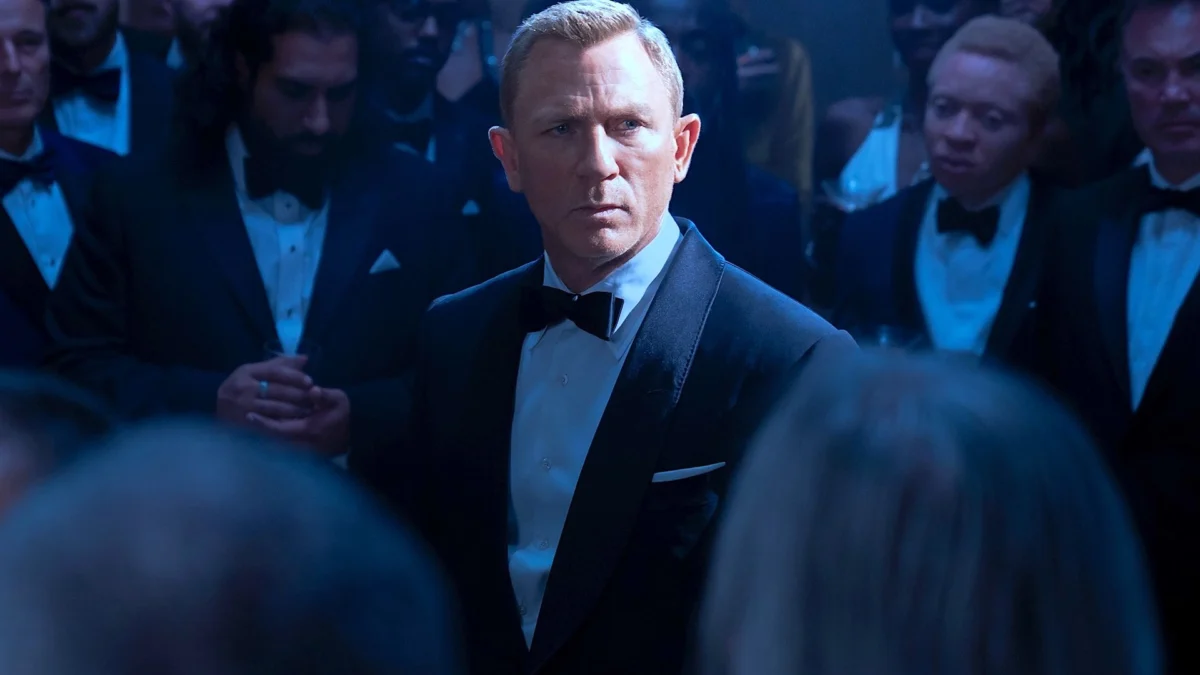
As the global discourse surrounding the casting of the next James Bond reaches a fever pitch in late 2026, the cultural obsession with the 007 mantle has never been more pervasive. Betting markets, fan forums, and industry insiders remain fixated on names like Jack Lowden, Callum Turner, and Jack O’Connell. Yet, amidst the speculation, one of Prime Video’s most audacious and intellectually stimulating series of the year, Bait, has shifted the conversation from "who should play the spy" to "what the role actually demands of a human being."
Created by and starring the versatile Riz Ahmed, Bait is a razor-sharp, six-part comedic satire that arrived on streaming platforms in March 2026. While it utilizes the cultural gravity of the James Bond franchise as its primary engine, the show is far from a standard spy thriller. Instead, it offers a meta-textual, deeply vulnerable exploration of celebrity, identity, and the heavy burden of being a "representative" in the modern age.
The Premise: A Surreal Ascent to Stardom
The narrative of Bait centers on Shah Latif, a talented but perpetually anxious British-Pakistani actor who finds himself at the center of a media firestorm. The pilot episode kicks off with a sequence that serves as a masterclass in tension and release: Shah is in the room for the ultimate audition, vying for the role of the next James Bond. He is poised, charismatic, and perfectly cast—until a single flubbed line shatters his composure.
While most actors would walk away from such a failure in quiet defeat, Shah’s reaction is uniquely human, desperate, and calculated. He makes sure the paparazzi waiting outside catch a glimpse of him exiting the audition room. This minor, impulsive decision ripples outward, triggering a viral rumor mill that suggests he is the front-runner for the role.
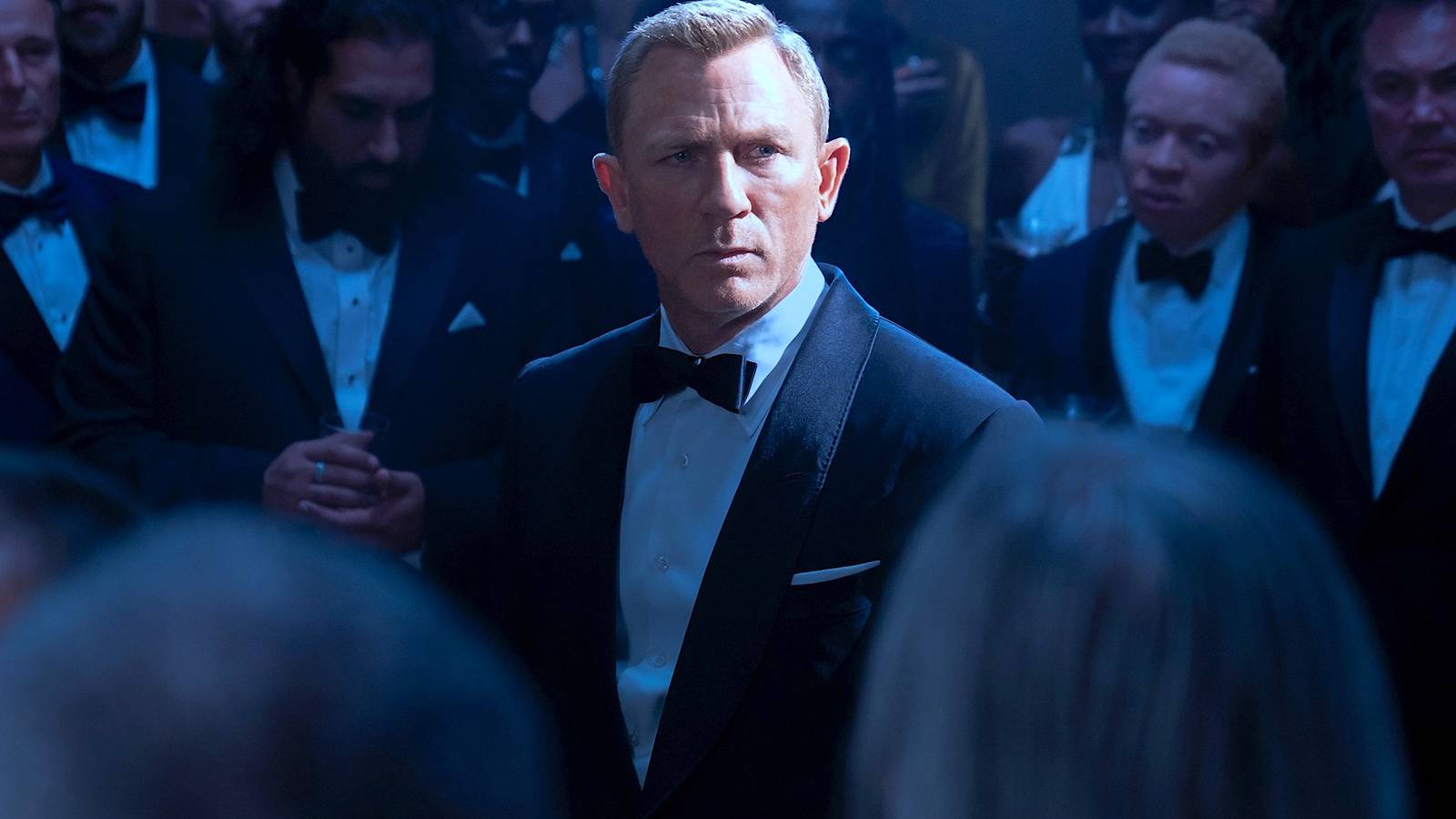
The subsequent four days, which comprise the remainder of the six-part series, track Shah’s descent into a psychological labyrinth. He is forced to confront the harsh reality of public backlash—a cocktail of casual racism, internet trolling, and the intense, scrutiny-filled weight of being a person of color in a role historically occupied by white performers. As his family’s expectations sour and his professional reputation hangs in the balance, Shah finds his identity fractured between the man he is and the iconic, indestructible figure the public expects him to be.
A Chronology of a Breakdown
The structure of Bait is intentionally claustrophobic. By limiting the action to a four-day window, Ahmed forces the audience into the driver’s seat of Shah’s anxiety.
- Day 1: The Audition. The inciting incident. Shah’s failure is not just professional; it is existential. The show brilliantly juxtaposes his internal, panic-ridden state with the outward coolness of the tuxedo he wears during the audition.
- Day 2: The Viral Spark. The media cycle begins to churn. As rumors hit the internet, we see the first wave of vitriol. Shah’s attempts to manage the narrative only serve to fuel the fire, highlighting the paradox of modern fame: the more you try to control the image, the more it controls you.
- Day 3: The Internal Conflict. This is the show’s emotional core. Shah’s family, once proud, begins to view his potential casting as a political statement rather than a career milestone. The "bait" of the title—British slang for "sell-out"—becomes a recurring motif, as Shah worries that taking the role will alienate his community, while declining it would be a professional suicide.
- Day 4: The Breaking Point. The series reaches a surreal crescendo. Shah begins to hallucinate, slipping in and out of 007-esque action sequences, complete with the iconic John Barry-inspired score, only to be snapped back into the mundane, messy reality of his living room.
Deconstructing the Action-Thriller
Bait is a rare breed of television that functions as a Trojan horse. It lures in viewers with the promise of a Bond-adjacent narrative but delivers a biting critique of the entertainment industry. The show subverts the traditional action-thriller tropes by replacing external villains with internal demons. There are no SPECTRE-style organizations here, only the faceless cruelty of social media commentators and the suffocating pressure of being an "in-demand" actor.
Riz Ahmed, whose performance in The Night Of established his ability to portray profound, quiet intensity, brings a frenetic, nervous energy to Shah. He captures the essence of impostor syndrome—the feeling that one’s success is a fragile construct waiting to be dismantled. By showing Shah hallucinating sequences where he is the suave, gun-toting hero, Ahmed underscores the absurdity of the "Bond persona." The contrast between the hero who saves the world and the actor who cannot even save his own mental health is where the show finds its most potent comedy and its most stinging tragedy.

Official Context and Creative Origins
The impetus for Bait was, by all accounts, deeply personal for Ahmed. In interviews following the show’s March 2026 debut, Ahmed cited a conversation with a friend that hit him with the force of a revelation: "The distance between your public and private self is the amount of shame you carry."
This quote became the North Star for the series. Ahmed acknowledged that the show functions as a form of catharsis. Having navigated his own rise to international fame in the mid-2010s, Ahmed experienced firsthand the peculiar pressure of being "the first" or "the only" in various high-profile roles. He noted that the experience included being recruited by intelligence agencies—a detail that blurs the lines between his reality and the fictionalized paranoia of Bait.
By using the Bond franchise as a placeholder for any massive, life-altering opportunity, Ahmed transforms a story about an actor into a universal story about the cost of ambition. The series does not need to explicitly name the franchise to evoke the specific, monolithic weight of it; the tuxedo, the martini, and the theme music are used as shorthand for the cultural expectation of perfection.
Critical Reception and Industry Implications
As of October 2026, Bait boasts a staggering 94% approval rating on Rotten Tomatoes. Critics have lauded the series for its brevity—the 25-minute episodes make for a lean, efficient viewing experience—and its refusal to provide easy answers. The Guardian praised the show for its "witty, trenchant meditation on inclusive representation," noting that it manages to be funny without losing its edge.
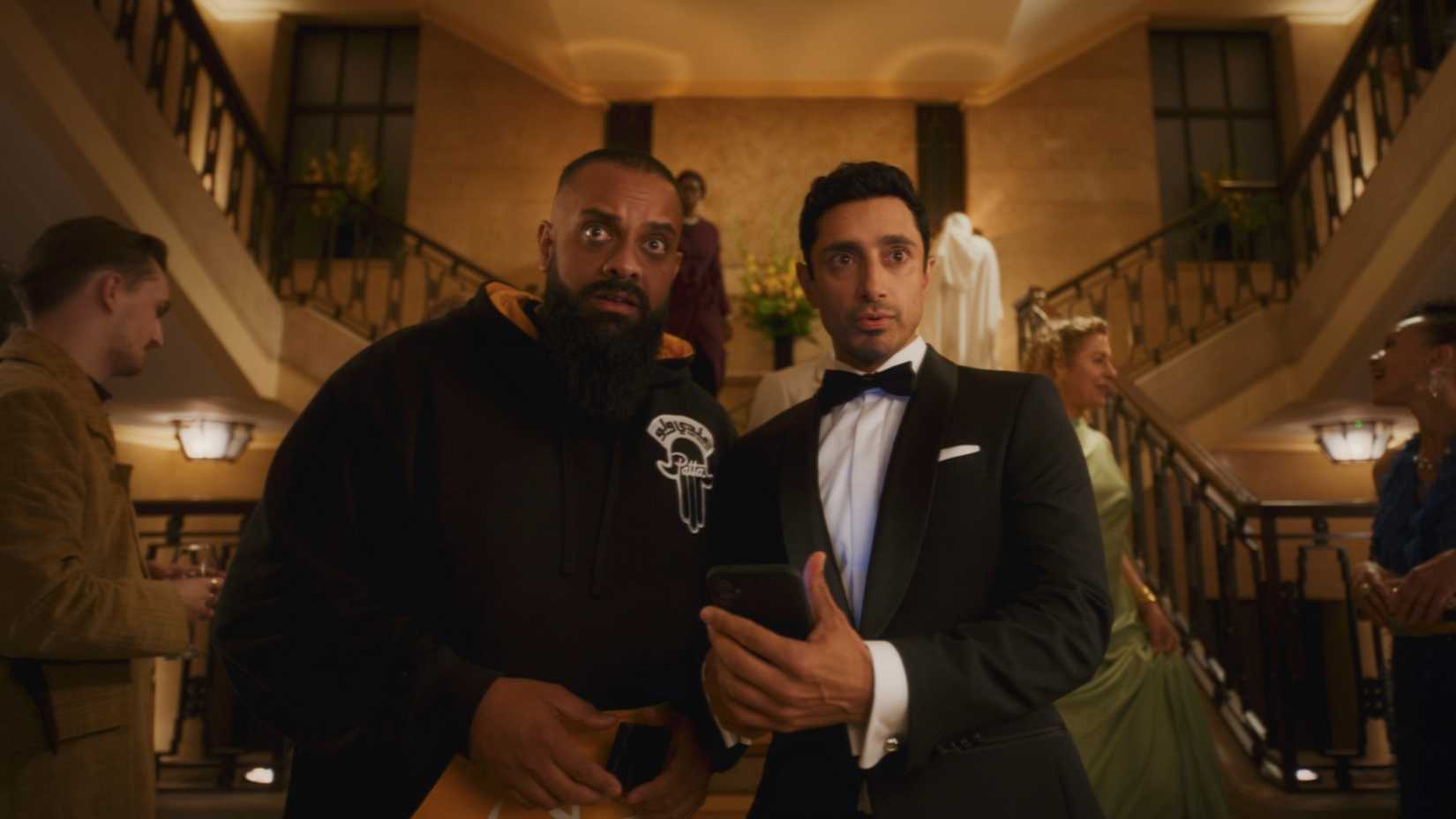
Despite this critical acclaim, the fate of the show remains uncertain. Prime Video has yet to officially renew the series for a second season, leaving fans and critics in a state of suspense. This ambiguity only adds to the show’s meta-commentary: the uncertainty of the character reflects the uncertainty of the show’s future, keeping the audience in a state of waiting, much like Shah himself.
Why ‘Bait’ Matters in 2026
The discourse surrounding James Bond has often focused on the "suitability" of an actor to inhabit the character. Can they be suave? Can they handle the stunts? Can they look good in a dinner jacket? Bait challenges the premise of the question entirely. It asks whether the concept of James Bond—an immutable, stoic, colonial-era relic—is even compatible with the psychological realities of a modern, multi-cultural actor.
The show suggests that the "Bond" we are looking for is an impossible ideal. By stripping away the glamour and focusing on the human being trapped in the middle of a global spotlight, Ahmed has created something more important than a spy thriller. He has created a portrait of the modern artist, a person who must constantly curate their own soul to satisfy a public that doesn’t actually care who they are, only what they represent.
In a year dominated by blockbusters and safe, algorithm-tested content, Bait stands out as a singular achievement. It is a show that is not afraid to be messy, to be anxious, and to be profoundly human. Whether or not the series receives a second season, it has already secured its place as one of the most significant pieces of satire to come out of the streaming era. For those who enjoy their thrillers with a side of existential dread and a heavy dose of biting, self-aware humor, Bait is essential viewing. It is a reminder that the real-world stakes of representation are often much higher, and much more complex, than any fictional mission to save the world.
