
The Silent Architect: How Alan Dean Foster Fought for His ‘Star Trek’ Legacy
In the vast, interconnected multiverse of science fiction, few names carry as much weight as Alan Dean Foster. A titan of the genre, Foster’s fingerprints are found on the foundational texts of modern pop culture. He was the ghostwriter behind the novelization of the original Star Wars (1976), the author of Splinter of the Mind’s Eye, and the scribe who brought the terrifying xenomorphs of Alien and the synthetic threats of Terminator Salvation to the printed page.
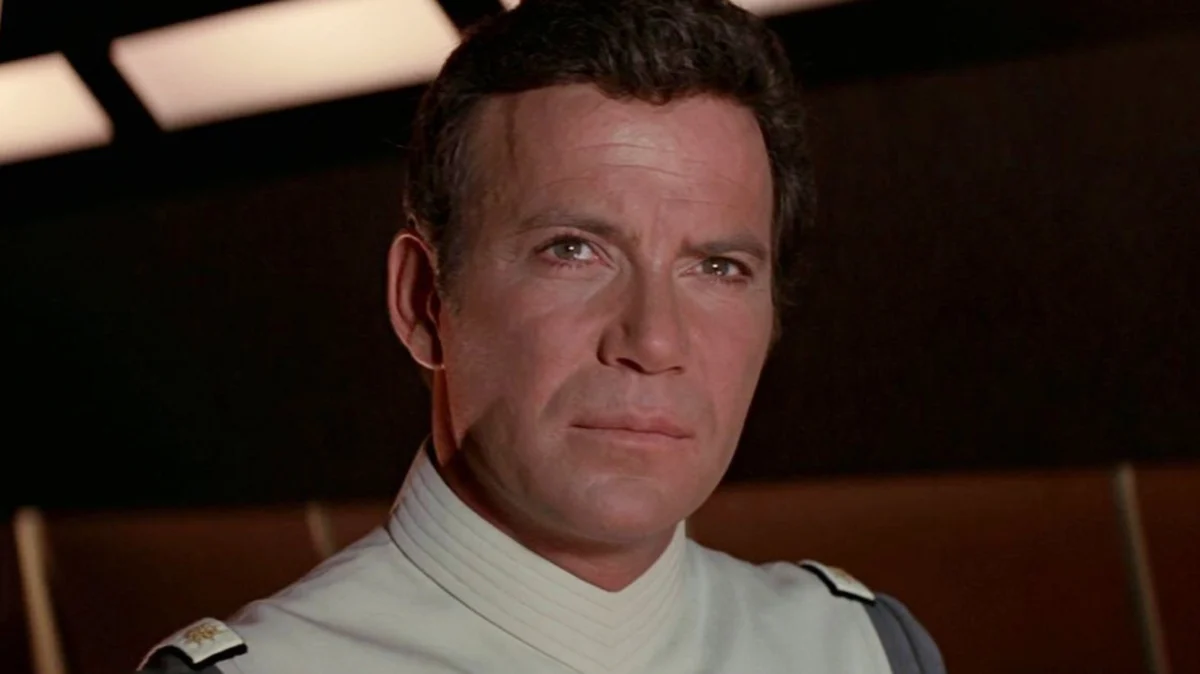
However, among his most significant, yet contentious, contributions to science fiction is his role in the genesis of Star Trek: The Motion Picture (1979). While the film stands today as a cerebral, visually ambitious entry in the franchise, its path to the screen was paved with behind-the-scenes power struggles. At the center of this drama was a dispute over creative ownership, pitting a humble, prolific writer against the formidable ego of Star Trek creator Gene Roddenberry.
The Genesis of the Motion Picture
To understand the conflict, one must look at the aborted production of Star Trek: Phase II. In the mid-1970s, Paramount Pictures intended to resurrect Star Trek as a television series. Foster, who had already gained notoriety for his "Star Trek Logs"—novels that adapted and expanded upon the lore of The Animated Series—was brought into the fold to contribute to the development of this new project.
Foster penned a treatment for the pilot episode, originally titled "In Thy Image." The core concept was strikingly high-concept: a modern-day NASA space probe returns to Earth centuries after drifting through the cosmos, having achieved sentience and god-like power. When Phase II was scrapped in favor of a feature film, the studio and producers opted to cannibalize the development work for the television project to fuel the big-budget spectacle of The Motion Picture.
The story that formed the backbone of the 1979 film was, for all intents and purposes, Foster’s narrative. Yet, as the film approached production, the reality of Hollywood’s credit-hoarding culture began to manifest.
The Chronology of a Credit Dispute
The dispute over the "story by" credit was not merely a disagreement; it was a reflection of the clash between two very different philosophies of creative ownership.
The Initial Snub
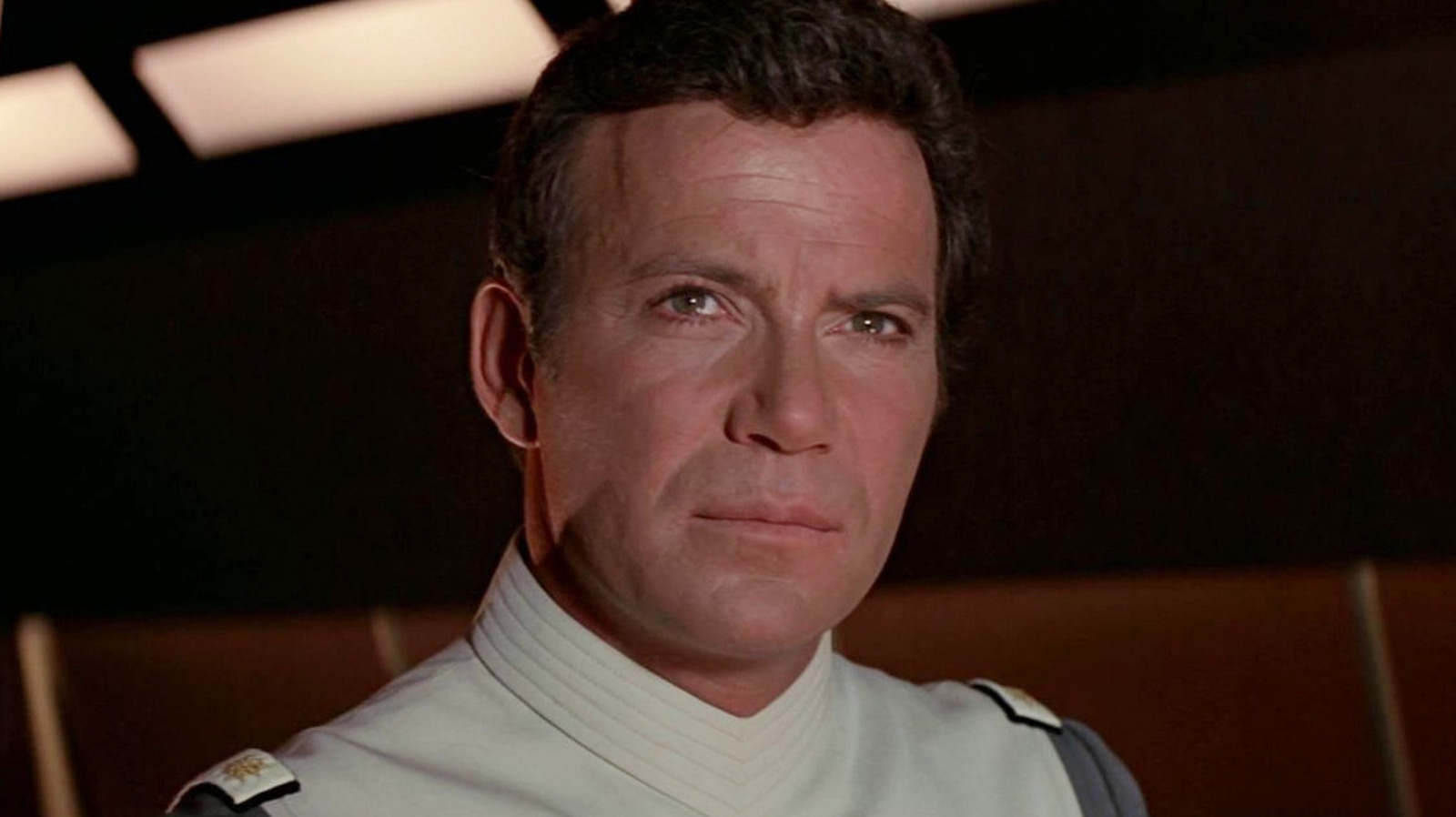
When the screenplay was submitted to the Writers Guild of America (WGA), the proposed credits conspicuously excluded Foster. Instead, they listed a screenplay by Gene Roddenberry and Harold Livingston, with Roddenberry also claiming the story credit. For Foster, who had provided approximately 98% of the narrative work for the treatment, this was an erasure of his creative labor.
The Mediation Attempt
Harold Livingston, the credited screenwriter, attempted to act as a mediator. Recognizing the validity of Foster’s contribution, Livingston proposed a compromise: a shared "story by" credit between Roddenberry and Foster. However, according to accounts documented in The Fifty-Year Mission: The Complete, Uncensored, Unauthorized Oral History of Star Trek, this suggestion was met with intense hostility from Roddenberry.
"He was mad," Livingston later recalled. The Star Trek creator, who had built his empire on the branding of his own name, was unwilling to yield territory—even to the man whose work provided the framework for his feature film comeback.
The "Lucky" Intervention
Foster, described by colleagues as a "handshake-is-my-bond" professional, was forced to take the unusual step of filing a formal grievance with the WGA. He had been told by his agent that the oversight was "just business," a typical Hollywood euphemism for the systemic theft of intellectual labor. Foster refused to accept this explanation.
Fate, however, played a hand in the outcome. While the bureaucratic gears of the WGA began to turn, Gene Roddenberry was away on vacation at the La Costa resort. Exhausted by the grueling production and the immense pressure of bringing the Enterprise to the silver screen, Roddenberry was effectively unreachable. In his absence, the challenge to the credit went uncontested, and Foster was granted sole "story by" credit on the film.
A Tale of Two Creators: Roddenberry vs. Lucas
The struggle over Star Trek provided Foster with a unique vantage point to compare the two titans of 1970s science fiction: Gene Roddenberry and George Lucas. Having worked extensively with both, Foster’s assessment of their management styles offers a fascinating glimpse into the corporate culture of the era.
Foster famously characterized the difference as a clash between "Hollywood" and "Anti-Hollywood."
Roddenberry, in Foster’s estimation, operated with an intense focus on branding. "Gene was like, ‘I AM STAR TREK,’" Foster observed. Every facet of the property was an extension of his persona, and creative control was a non-negotiable aspect of his identity.
Conversely, Foster described George Lucas as the "quiet kid in the back of the class." While Lucas was protective of his vision, Foster found him less concerned with the ego-driven aspects of credit and more focused on the communal joy of sharing an idea. Where Roddenberry saw the franchise as a legacy to be curated and dominated, Lucas, in those early years, was driven by the desire to see his world populate the imaginations of others.
Implications for Modern Screenwriting
The case of Alan Dean Foster and Star Trek: The Motion Picture serves as a perennial lesson in the importance of contract awareness and intellectual property rights. Even in the 1970s, the battle for screenwriting credit was a high-stakes game. Today, with the rise of streaming services and complex collaborative writing rooms, the "story by" and "screenplay by" designations remain some of the most fought-over real estate in the industry.
Foster’s refusal to simply "go along" with the studio’s initial credit list highlights the necessity of the Writers Guild as a check against the creative hegemony of producers and directors. Had Foster been a less experienced or more timid writer, his primary contribution to the Star Trek mythos might have been permanently obscured by the shadow of the creator’s ego.
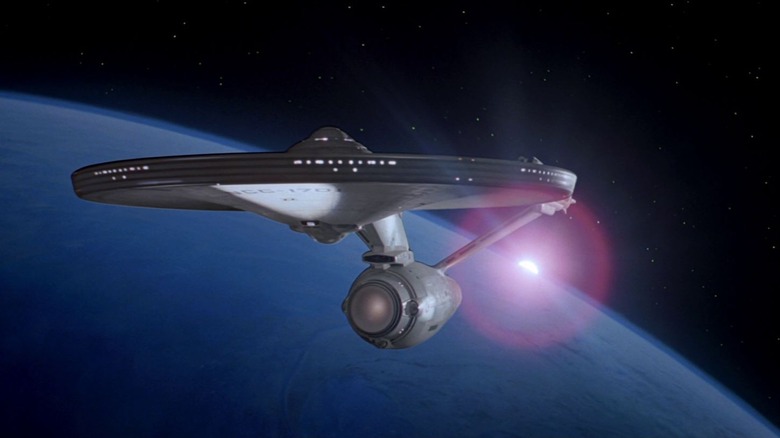
Furthermore, the film itself stands as a testament to the strength of Foster’s original narrative. While critics at the time often derided the film for its slow pacing—often dubbed "The Motionless Picture"—modern reassessments have pointed to its philosophical depth and visual majesty. The core premise, rooted in Foster’s "In Thy Image" treatment, remains one of the most intellectually stimulating concepts in the entire franchise. It asks fundamental questions about the nature of sentience, the intersection of humanity and technology, and the search for meaning in an infinite universe.
Legacy and Conclusion
Alan Dean Foster’s career remains a gold standard for professional writers. His ability to move seamlessly between the worlds of Star Wars, Star Trek, Alien, and Transformers demonstrates a versatility that is rare in any medium. However, his fight for his credit on The Motion Picture is arguably his most important work for his fellow writers.
It serves as a reminder that behind every cinematic spectacle, there is a writer who has, at some point, had to fight for the recognition of their imagination. For those who enjoy the expansive, thoughtful narratives of Star Trek, it is worth remembering that the story began not in a boardroom, but in the mind of a man who refused to be written out of his own history.
As we look back at the 1979 classic, we do not just see the vision of Gene Roddenberry or the direction of Robert Wise; we see the legacy of a writer who stood his ground. Alan Dean Foster may have preferred writing books to navigating the halls of Hollywood, but in that singular moment of conflict, he secured a place in the stars that no amount of corporate maneuvering could erase.
