
Shadows Over Gotham: Navigating Batman’s Mysterious Absence in DC Studios’ ‘Clayface’
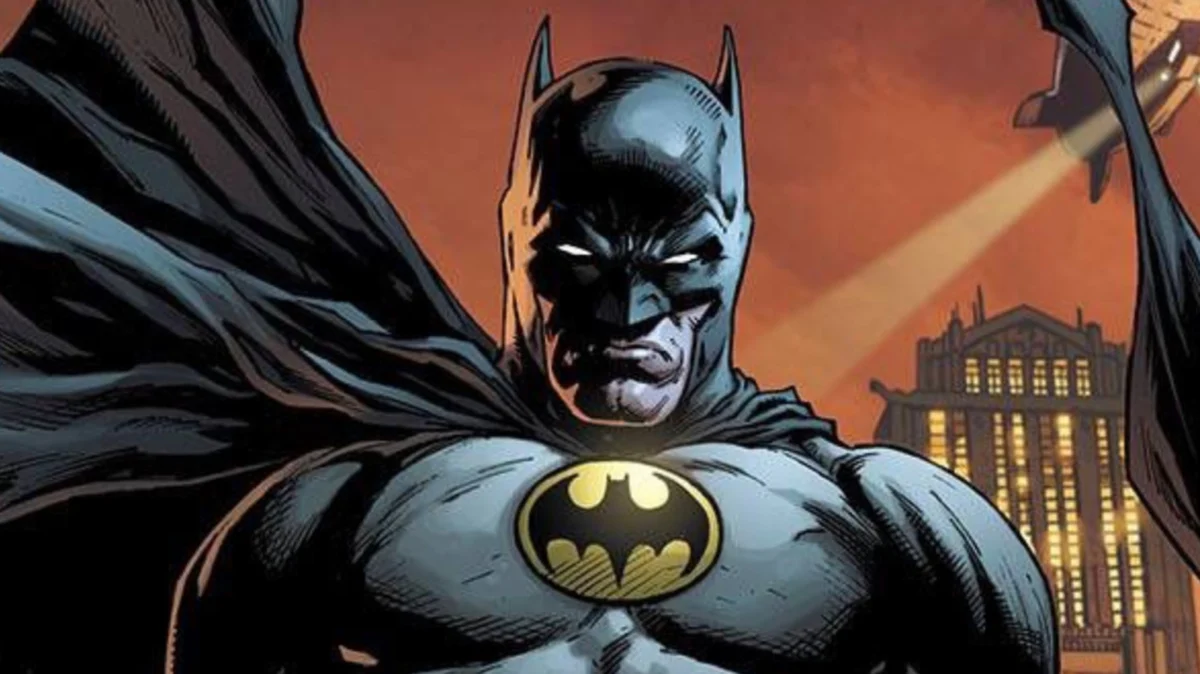
The release of James Watkins’ Clayface marks a pivotal, albeit puzzling, expansion of the burgeoning DC Universe (DCU). Following the successful launch of James Gunn’s Superman (2025) and the subsequent Supergirl spin-off, fans expected the natural progression of this cinematic tapestry to involve the Caped Crusader. Instead, DC Studios pivoted to a gritty, horror-inflected character study focused on one of the Dark Knight’s most tragic rogues. While Clayface successfully establishes a dark, visceral tone for Gotham City, it has left audiences with a glaring question: If this is the official DCU Gotham, where is Batman?
The Status of the Dark Knight: Official Clarifications
The absence of the World’s Greatest Detective in a Gotham-centric film has fueled widespread speculation. Is Clayface a prequel? Does it exist in a pocket dimension? DC Studios Co-Chairman Peter Safran recently sought to quell the confusion during an interview with Collider, confirming that Batman is indeed an active presence within the DCU timeline.
"Batman is there," Safran stated, clarifying that the events of Clayface occur concurrently with Bruce Wayne’s established war on crime. While Safran admitted that he and James Gunn have not mapped out exactly what the Caped Crusader was doing during the film’s specific plot points, he emphasized that this project serves as the foundational "introduction to the live-action Gotham."
The studio’s strategy seems to be one of "ambient presence." By referencing a silhouette of Batman in the animated Creature Commandos and confirming his existence in the live-action canon, DC is attempting to build a world where the hero is a constant, looming threat, even when he isn’t the protagonist. However, this raises a structural challenge: how does a major metropolitan hub like Gotham operate under the shadow of a vigilante without that vigilante interacting with the central conflict?
A Chronology of the DCU Expansion
To understand the current state of the DCU, one must look at the rapid-fire rollout orchestrated by Gunn and Safran. The timeline of the new DCU is being built with a focus on diversifying genres rather than a singular, linear progression:
- 2025: Superman serves as the inaugural film, establishing the optimistic heart of the new universe.
- Post-2025: Supergirl expands the cosmic stakes, introducing Kryptonian lore to the general public.
- The Gotham Chapter: Clayface arrives as a genre-bending horror entry, effectively grounding the DCU in the grounded, atmospheric crime drama that fans associate with Gotham.
- The Future: The Brave and the Bold remains the highly anticipated project that will finally bring the DCU’s iteration of Batman to the forefront, presumably featuring Damian Wayne.
By slotting Clayface into this timeline, DC is clearly testing the waters of how much "Batman-less" content a Batman-adjacent city can sustain. The chronological placement suggests that while we are exploring the corners of the DCU, the center—the Bat-family—is being held in reserve for a more impactful debut.
Supporting Data: The "Spider-Man Villain" Paradox
The critical reception of Clayface has drawn inevitable comparisons to Sony’s Spider-Man spin-off universe—specifically films like Morbius and Kraven the Hunter. Critics have pointed out that these films often suffer from a "hero-shaped hole." When a villain’s entire identity is predicated on their conflict with a specific hero, removing that hero can render the narrative motivation hollow.
In Clayface, the emotional weight rests on the shoulders of Matt Hagen (the titular villain) and his relationship with Dr. Caitlyn Corr (Naomi Ackie). While their dynamic provides a compelling tragic arc, the film attempts to compensate for Batman’s absence by introducing Detective John Borrelli (Max Minghella) as the primary antagonist/foil. However, for long-time comic readers, Borrelli lacks the gravitas of a detective who understands the true nature of Gotham’s madness.
The film’s internal logic is also tested by the presence of organized crime. Markos Szabo, a Gotham mob boss, operates with a level of impunity that feels contradictory to the presence of an active Batman. If Batman is patrolling the streets, why has he not dismantled the Szabo operation? This "disconnect" is similar to the critique leveled at the HBO series The Penguin, which avoided the Batman mythos almost entirely until the final moments of the finale. While this choice protects the creative integrity of the standalone story, it risks frustrating fans who expect the "shared" aspect of the universe to feel cohesive.
The "Two Batmen" Headache
The most significant hurdle for the DCU remains the coexistence of two distinct Batman franchises. The current cultural dominance of Matt Reeves’ The Batman, starring Robert Pattinson, creates a unique branding challenge. Both DC Studios and the creative team behind the The Batman franchise have been explicit: the two universes will remain separate.
This separation is essential for Matt Reeves to maintain his creative autonomy, but it forces the DCU into a defensive posture. They must introduce a new, definitive Batman without relying on the goodwill or the visual language established by Pattinson’s version. By keeping the DCU Batman in the shadows—as seen in the Creature Commandos silhouette—DC is essentially performing a balancing act, trying to keep the character "alive" in the public consciousness without saturating the market or diluting the value of the separate The Batman films.
Implications for the Future: ‘The Brave and the Bold’
The decision to sideline Batman in Clayface is likely a calculated long-term play. By building the Gotham ecosystem first—introducing the atmosphere, the crime, and the horror elements—DC is setting a stage where the eventual arrival of the DCU Batman will feel like an event.
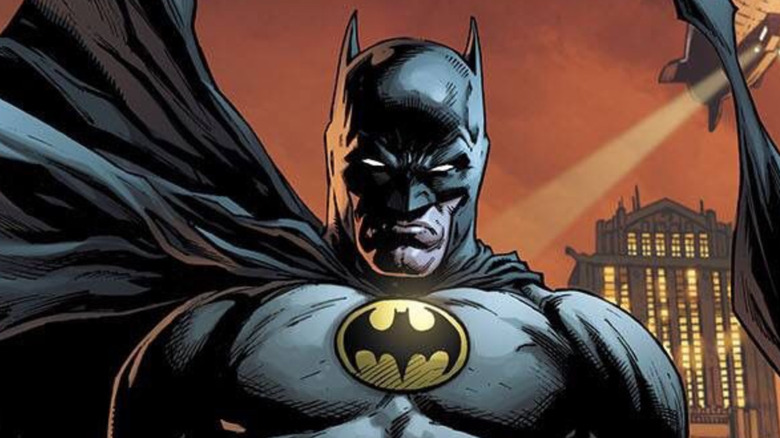
If, as rumored, Clayface is intended to return as a major antagonist in The Brave and the Bold, the current film functions as an origin story that justifies his transformation. It allows the audience to sympathize with Matt Hagen’s descent before he becomes a full-fledged monster worthy of a battle with the Dark Knight.
Furthermore, this approach allows the DCU to define its own version of Gotham—one that is perhaps more fantastical or comic-accurate than the hyper-realistic Gotham of Matt Reeves. If the DCU Batman is to exist alongside a world where Superman and other metahumans are public figures, his "presence" needs to be earned.
Conclusion: The Quiet Before the Storm
While the absence of Batman in Clayface remains a point of contention, it is a hallmark of the new DC Studios philosophy: prioritize the story being told, not the connective tissue that might distract from it. Whether this strategy will pay off depends entirely on the payoff in The Brave and the Bold.
For now, audiences are left with a Gotham that feels incomplete—a city waiting for its protector to finally step out of the shadows. As the DCU continues to grow, Clayface will be remembered as the moment the studio dared to tell a story about the monsters of Gotham, leaving the man who hunts them to remain the most powerful, and most mysterious, force in the room. The silence surrounding Batman is not an oversight; it is the quiet before the storm that will define the next decade of DC cinema.
